
Cleaning asbestos siding is a task that requires careful planning, the right tools, and a deep understanding of safety rules. Many older homes have asbestos siding because it was popular for its durability and fire-resistant properties. However, over time, the siding can collect dirt, algae, or mold, making the house look old or uncared for. While cleaning siding is usually simple, asbestos siding is different. If you clean it the wrong way, you can cause serious health risks for yourself and others.
Most people do not realize that even small mistakes—like using a pressure washer or scrubbing too hard—can release dangerous asbestos fibers into the air. These fibers are invisible, but breathing them in can lead to long-term lung diseases, including cancer. That is why it is important to know the right steps, equipment, and precautions before you start. If you learn how to clean asbestos siding safely, you can keep your home looking good and protect your health.
In this guide, you will find everything you need to know about cleaning asbestos siding. This includes what asbestos siding is, why it is risky, how to prepare, what tools to use, step-by-step cleaning instructions, what mistakes to avoid, and even what to do if the siding is damaged. You will also see real-life examples, expert tips, and answers to the most common questions homeowners have. Whether you are a homeowner, a property manager, or just curious, this article will give you confident, clear advice for handling asbestos siding safely and effectively.
Understanding Asbestos Siding
Before you touch asbestos siding, you need to know what it is and why it matters. Asbestos siding became popular in the 1940s through the 1970s, especially in North America. It is made by mixing Portland cement with small asbestos fibers. The result is a tough, weather-resistant shingle or panel, often with a woodgrain or smooth texture.
The main reason asbestos was used is its ability to resist fire, insects, and rot. Houses with this siding often look neat for decades. However, the hidden risk is the asbestos itself. When the siding is in good shape, the fibers are locked inside the cement.
But if the siding is cracked, broken, or disturbed (for example, during cleaning), the fibers can escape into the air.
Why Asbestos Fibers Are Dangerous
Asbestos fibers are very small and sharp. If you breathe them in, they can get trapped in your lungs. Over time, this can cause serious illnesses like asbestosis, lung cancer, and mesothelioma. These diseases often take years to develop, so people may not know they have been affected until much later.
The main danger comes when asbestos is friable—meaning it can be easily crumbled by hand. While siding is usually non-friable (hard to break), cleaning or scraping can make it friable if you are not careful.
How To Identify Asbestos Siding
If your house was built before 1980 and has flat, shingle-like siding, there is a good chance it contains asbestos. Look for these signs:
- Shingles are heavy and hard
- Edges are not perfectly straight (slight waviness)
- Siding is brittle and snaps easily
- Some shingles have a wood grain or pressed pattern
You can also find markings or numbers on the back, but the only way to be sure is to have a piece tested by a certified lab. Never break off a piece just to check—this can release fibers. If you are unsure, always assume your siding contains asbestos.
Risks And Legal Considerations
Cleaning asbestos siding is not just a home maintenance job—it is a safety and legal issue. Many countries and states have strict rules about handling asbestos materials. Homeowners who break these rules can face heavy fines or even criminal charges.
Main Risks When Cleaning
- Health Risks: Disturbing the siding can release fibers that are harmful if inhaled.
- Environmental Risks: Asbestos can contaminate soil, plants, or nearby water if not handled properly.
- Legal Risks: Many areas require permits or special training to handle asbestos, even for cleaning.
What Laws Apply?
The rules depend on where you live. In the United States, for example, the Environmental Protection Agency (EPA) and Occupational Safety and Health Administration (OSHA) set standards for asbestos work. In Canada, provincial authorities have their own rules.
Most laws say:
- Only licensed professionals can remove or repair asbestos siding.
- Homeowners can sometimes clean the siding if they do not break or sand it.
- You must never dispose of asbestos waste with regular trash.
Check with your local building department or health office before you start. Some places allow careful cleaning; others require you to hire a professional.
Preparing For Cleaning
Preparation is the key to safe, successful cleaning. Rushing into the job or skipping steps can be dangerous. Here is how to prepare:
1. Inspect The Siding
Walk around your house and look closely at the siding. Are there cracks, chips, or missing pieces? Is the siding painted or unpainted? Take notes and photos if needed.
If you see any damaged siding, do not clean it yourself. Damaged areas are more likely to release fibers. Call a licensed asbestos professional to repair or replace these sections first.
2. Gather The Right Tools And Supplies
You will need:
- Soft-bristle brush or sponge
- Low-pressure garden hose with spray nozzle
- Bucket
- Mild detergent (like dish soap)
- Plastic sheeting or drop cloths (to catch debris)
- Heavy-duty gloves
- Disposable coveralls (recommended)
- Safety goggles
- NIOSH-approved P100 respirator (not just a dust mask)
Never use a pressure washer, abrasive pads, or steel wool. These can damage the siding and release fibers.
3. Protect Yourself And The Area
Wear your protective gear before you start. Cover plants, soil, or walkways with plastic sheeting to catch runoff. Tell your family, neighbors, and pets to stay away from the area until you are done.
4. Check The Weather
Choose a calm, cool day with little wind. Wind can spread fibers, and hot sun can dry surfaces too quickly, making cleaning harder.
Step-by-step Cleaning Process
Cleaning asbestos siding is about being gentle, thorough, and safe. Do not rush. Here is a clear process to follow.
1. Wet Down The Siding
Before you touch the siding, wet it with a gentle spray from your hose. Wet asbestos is much less likely to release fibers than dry material. Do not soak the area so much that water pools or runs behind the siding.
2. Mix Your Cleaning Solution
In a bucket, mix warm water with a small amount of mild detergent. Do not use harsh chemicals like bleach unless you have severe mold or algae. Even then, dilute bleach heavily (1 part bleach to 10 parts water).
3. Gently Scrub The Siding
Dip your soft brush or sponge in the solution. Starting at the top of the wall, gently scrub a small section (about 3 feet wide) in smooth, light strokes. Never use force. If dirt is stuck, let the solution sit for a few minutes, then try again.
4. Rinse Carefully
Use the hose to rinse each cleaned section right away. Keep the spray gentle. Avoid spraying upwards, which can force water behind the siding.
5. Work In Small Areas
Move along the wall, cleaning and rinsing one section at a time. This keeps the siding wet and reduces the chance of fibers becoming airborne.
6. Clean Up Properly
When you finish, carefully fold up the plastic sheeting and any disposable gear. Place them in a heavy-duty trash bag. Wash your gloves and goggles separately. Never shake out dirty gear or sweep up dust.
7. Final Rinse (optional)
If you notice soap residue, give the wall one last gentle rinse.

Credit: www.reddit.com
Common Mistakes To Avoid
Even experienced homeowners sometimes make dangerous mistakes. Here are the biggest errors to avoid:
- Using a pressure washer – The high force can break the siding and release fibers.
- Scrubbing too hard – This can damage the cement matrix and expose asbestos.
- Skipping protective gear – Even one cleaning can expose you to risk.
- Cleaning damaged siding – Never clean cracked or broken areas yourself.
- Letting the siding dry out – Always keep the area wet while working.
- Improper disposal – Do not throw dirty gear or plastic in regular trash bins.
- Cleaning in windy conditions – Wind spreads fibers farther.
A good rule: If you have any doubt, stop and call a professional.
Special Cases: Mold, Algae, And Stains
Sometimes, regular dirt is not your only problem. Asbestos siding can also grow mold, mildew, or algae—especially in damp or shaded spots. Here is how to deal with these issues safely.
Mold And Mildew
If you see black or green patches, you probably have mold or mildew. These are not only ugly but can also make allergies worse.
- Use a mild bleach solution (1 part bleach to 10 parts water).
- Wet the area first, then gently scrub with a soft brush.
- Rinse well with water.
- Wear gloves, goggles, and a respirator—mold spores are also harmful.
Algae
Green or brown streaks, especially on the north side of houses, are often algae.
- Clean with a diluted vinegar solution or a commercial house-wash cleaner labeled safe for asbestos.
- Avoid power-washing or harsh chemicals.
Rust Or Paint Stains
Rust stains can appear where metal fixtures touch the siding. These are hard to remove without scratching the surface.
- Try a paste of baking soda and water. Let it sit, then gently scrub.
- If stains remain, do not use sandpaper or abrasive cleaners.
When To Call A Professional
Cleaning is possible for light dirt and grime, but not all jobs are safe for DIY. Call an asbestos professional if:
- The siding is cracked, chipped, or missing pieces.
- You plan to repaint, repair, or replace any shingles.
- You notice powdery residue or fibers on the ground.
- You are unsure if your siding contains asbestos.
Professionals have special tools and training. They can also dispose of waste legally, which is required in many areas.
What To Do If Siding Is Damaged
If you find a broken shingle during cleaning, stop immediately. Here is what to do:
- Wet the damaged area with water to keep fibers down.
- Do not touch or remove the broken piece.
- Close off the area to keep people and pets away.
- Call a licensed asbestos contractor for repair or safe removal.
Trying to fix broken siding yourself is risky and often illegal.
Comparing Cleaning Methods For Asbestos Siding
To help you understand the safest and most effective cleaning approaches, here is a comparison of common methods:
| Method | Safety | Effectiveness | Risk of Fiber Release | Recommended? |
|---|---|---|---|---|
| Gentle Hand Washing | High | Moderate | Low (if wet) | Yes |
| Pressure Washing | Low | High | High | No |
| Chemical Cleaners | Moderate | Moderate | Moderate | Sometimes (if labeled safe) |
| Dry Scraping/Sanding | Very Low | High (removes stains) | Very High | Never |
This table shows that gentle hand washing is the safest option. Never use dry methods or high-pressure tools.
Real-life Examples And Data
Studies show that improper cleaning can greatly increase the risk of exposure. For example, a 2017 study from the Canadian Centre for Occupational Health and Safety found that using a pressure washer on asbestos siding released over 100 times more fibers than hand washing with water.
In another real-life case, a homeowner in New Jersey was fined $10,000 for cleaning and disposing of asbestos siding without proper permits. This example highlights why it’s so important to follow safety rules.
If you are hiring a contractor, ask to see their asbestos handling license. In many places, this is required by law.

Credit: homeguide.com
Maintenance Tips For Asbestos Siding
Keeping asbestos siding clean is just one part of caring for it. Here are some long-term maintenance tips:
- Inspect siding twice a year for cracks or damage.
- Keep plants and shrubs trimmed away from the wall to reduce moisture and mold.
- Repaint siding every 7-10 years with a high-quality exterior paint (never sand before painting).
- Fix leaks and drainage issues quickly to avoid water damage.
- Do not nail, drill, or screw into siding without professional help.
Regular care reduces the need for deep cleaning and keeps asbestos fibers locked safely inside.
Alternatives To Cleaning: Encapsulation And Removal
Sometimes, cleaning is not enough. If your siding is old or in poor shape, you have two main options:
Encapsulation
This means sealing the siding with a special paint or coating to trap fibers. Encapsulation is often cheaper and less risky than removal. It must be done by a trained professional using products approved for asbestos materials.
Removal
If the siding is badly damaged or you plan to renovate, removal may be the best choice. This is expensive and requires a licensed contractor. Do not try to remove asbestos siding yourself.
Here is a quick comparison:
| Option | Cost | Risk | When to Choose |
|---|---|---|---|
| Encapsulation | Moderate | Low (if undamaged) | Minor wear, no major damage |
| Removal | High | High (if DIY), Moderate (if pro) | Major damage or remodeling |
For most homeowners, encapsulation is safer and more affordable unless full removal is required by law.
Practical Insights Most People Miss
Many homeowners think that asbestos siding is always dangerous, but if it is in good shape and left alone, it is usually safe. The real danger comes from breaking, sanding, or using harsh methods to clean it.
Another common mistake is forgetting about disposal rules. Even used plastic sheeting and cleaning rags must be treated as hazardous waste. Many cities have special drop-off points for asbestos waste—regular trash pickup is not allowed.
If you rent your home, always talk to your landlord before cleaning or repairing asbestos siding. In most cases, the owner is responsible for safety.
How To Talk To Contractors About Asbestos Siding
If you decide to hire a contractor, be clear about what you want and what safety steps you expect. Here are some questions to ask:
- Are you licensed for asbestos work?
- Will you use wet cleaning methods?
- How will you protect my yard and neighbors?
- How will you dispose of waste?
- Can you provide references from other asbestos cleaning jobs?
Do not be afraid to ask for proof of license or insurance. A good contractor will not mind.
Costs Of Cleaning Asbestos Siding
The cost depends on the size of your house, how dirty the siding is, and whether you hire a pro. Here is a rough estimate:
- DIY cleaning: $50–$200 for supplies (brushes, detergent, gear)
- Professional cleaning: $500–$2,500 for most homes
- Repairs or encapsulation: $2,000–$7,000 (if needed)
- Full removal: $15,000–$30,000+ (depends on location and house size)
Remember, cheap work is often unsafe. Always choose safety over saving a little money.
Environmental Responsibility
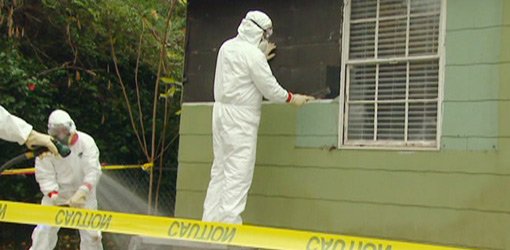
Cleaning asbestos siding is not just about personal safety. Asbestos can harm the environment if fibers get into the soil, water, or air. Always use plastic sheeting to catch runoff, and dispose of waste only at approved sites. Some communities offer free or low-cost disposal days for hazardous materials.
If you are not sure where to take asbestos waste, check with your local waste management authority or visit the EPA’s website for guidance. For more information on asbestos safety, see the EPA’s official asbestos page.
Credit: todayshomeowner.com
Frequently Asked Questions
What Is The Safest Way To Clean Asbestos Siding?
The safest method is to use gentle hand washing with soft brushes and mild detergent, keeping the siding wet at all times. Avoid pressure washing, sanding, or scraping. Wear protective gear, including a P100 respirator, gloves, goggles, and coveralls.
Can I Use A Pressure Washer On Asbestos Siding If I Am Careful?
No. Even low-pressure settings can damage the siding and release dangerous asbestos fibers. Always use gentle, manual cleaning methods and avoid power washers.
Is It Legal For Homeowners To Clean Asbestos Siding Themselves?
Laws vary by location. In many places, light cleaning is allowed if you do not break, sand, or remove the siding. However, repairs, removal, or disposal almost always require a licensed professional. Check with your local building or health department first.
What Should I Do If I Find Damaged Asbestos Siding While Cleaning?
Stop work immediately. Wet the area, close it off, and call a licensed asbestos contractor. Do not try to fix or remove damaged siding yourself—this is risky and often illegal.
How Often Should I Clean Asbestos Siding?
Clean only when dirt, mold, or stains become visible—usually every 1–3 years. Avoid over-cleaning, which can increase the risk of damage. Regular inspection and gentle maintenance are better than frequent deep cleaning.
Cleaning asbestos siding is a task that requires both care and respect. With the right knowledge and tools, you can keep your home looking good while protecting your health and the environment. Always put safety first, follow the law, and when in doubt, ask a professional for help.
Your home—and your lungs—will thank you.