
A sparkling pool is a source of joy and relaxation, but keeping the water clean and safe is a challenge for many pool owners. One technology that helps with this is the Low Amps Cell Pool Pilot. This system is a type of saltwater chlorinator, known for its energy efficiency and longevity. But what does “low amps cell” really mean, and why does it matter for your pool? If you are new to pool maintenance or just want to understand how to get cleaner water for less money, this guide will help you make sense of everything.
What Is A Low Amps Cell Pool Pilot?
A Low Amps Cell Pool Pilot is a saltwater chlorinator system that uses a special cell, powered by low electrical current (measured in amperes or “amps”). This cell creates chlorine from salt added to the pool water. Unlike older systems that use high electrical current, a low amps cell uses less energy and puts less stress on the parts. This means the system can run longer and cost less to maintain.
The “Pilot” in the name often refers to a controller unit that manages the cell and checks the salt and chlorine levels. These systems are popular because they promise easy care, lower costs, and better water quality.
How Does A Low Amps Cell Pool Pilot Work?
The system works by passing pool water through a salt cell. Here, a small electric current splits the salt (sodium chloride) into sodium and chlorine. The chlorine then cleans the pool water by killing bacteria and algae. After doing its job, the chlorine turns back into salt, and the process repeats.
What makes the low amps cell special is the reduced electrical current. Traditional systems might use high amps to work quickly but wear out faster. Low amps cells do the same job more gently, so the cell lasts longer, and your electricity bills are lower.
Key Components
- Salt cell: Where the chlorine is made.
- Controller (Pilot): Monitors and adjusts the system.
- Power supply: Provides the needed electricity, but at a lower amperage.
- Flow switch: Checks if water is moving before the system turns on.
- Display panel: Lets you see and change settings.
Why Choose A Low Amps Cell Pool Pilot?
Many pool owners are switching to these systems for good reasons. Here’s why a low amps cell pool pilot might be right for you:
1. Energy Efficiency
Because the cell uses less electricity, you save money every month. Over a year, this can add up to a lot of savings, especially for large pools.
2. Longer Cell Life
High amps can damage a salt cell quickly. A low amps cell is gentler, so it can last years longer before needing replacement. This reduces costs and the hassle of repairs.
3. Better Water Quality
Low amps cells often produce a steadier flow of chlorine. This helps keep the water clear and balanced, with less risk of chlorine spikes or drops.
4. Lower Maintenance
The system needs less cleaning and fewer adjustments. Most units can self-clean by reversing the electrical flow, which removes calcium buildup.
5. Quieter Operation
Lower power means less noise. Your pool area stays calm and relaxing.
Comparing Low Amps And High Amps Salt Cells
Understanding the difference between low amps and high amps salt cells helps you choose the right system. Here is a simple comparison:
| Feature | Low Amps Cell | High Amps Cell |
|---|---|---|
| Electricity Use | Low | High |
| Cell Lifespan | 3–7 years | 2–4 years |
| Maintenance | Less frequent | More frequent |
| Chlorine Output | Steady, gentle | Fast, sometimes uneven |
| Noise Level | Low | Medium to high |
Most pool owners prefer the balance of savings and performance from a low amps cell. The only time a high amps cell may be better is for very large, commercial pools needing fast chlorine production.
Main Features Of A Low Amps Cell Pool Pilot
When shopping for or using a low amps cell pool pilot, these are the features you should know about:
1. Self-cleaning Technology
Most models can reverse the current inside the cell every few hours. This helps remove calcium and mineral buildup, which can block the cell and reduce its life.
2. Digital Controls
Modern pool pilots have digital panels that show you salt levels, water flow, and cell status. You can adjust settings with buttons or touch screens.
3. Variable Output
You can change how much chlorine is made, so you have the right amount for your pool size and use. Some systems adjust automatically when the weather changes.
4. Low Salt Operation
Many systems work well with less salt in the water. This means the water feels softer on your skin and is less likely to cause metal corrosion.
5. Easy Installation
Most low amps cell pilots are designed for simple installation on standard pool plumbing. Some even fit above-ground or small backyard pools.
6. Diagnostic Alerts
If something goes wrong, the system warns you on the display. This can help you fix problems before they get worse.
How To Install A Low Amps Cell Pool Pilot
Installing a low amps cell pool pilot is usually straightforward, but you should follow these general steps for safety and best results.
Step 1: Choose The Right Location
Install the cell after your pool filter and heater. This keeps the cell clean and makes sure water is warm enough for good chlorine production.
Step 2: Mount The Controller
The controller (pilot) should be mounted on a wall near your pool’s equipment pad. Make sure it’s protected from rain and sun.
Step 3: Connect Plumbing
Cut the return line and add the salt cell using the fittings provided. Make sure the flow arrow points in the right direction.
Step 4: Wire The System
Connect the cell and controller to your pool’s electrical supply. Always turn off the power first. If you are not sure, hire an electrician.
Step 5: Add Salt
Check your pool’s salt level. Most systems need 2,500–3,500 ppm (parts per million). Spread the salt evenly across the pool and brush until it dissolves.
Step 6: Start Up
Turn on the system and let it run. Check the display to make sure everything is working. Test your water after a day to confirm chlorine levels.
Practical Tips
- Always read the manual for your specific model.
- Do not install the cell before the filter, or it may get clogged.
- Use pool-grade salt only; never use table salt.
How To Maintain Your Low Amps Cell Pool Pilot
Maintenance is simple but important for a long-lasting system.
1. Check Salt Levels Monthly
Low salt means less chlorine. High salt can damage the cell. Test the water with a strip or digital meter.
2. Clean The Cell
Even with self-cleaning, check the cell every 3–6 months. If you see white buildup, soak the cell in a weak acid solution (follow the manual’s mix).
3. Test Chlorine And Ph Weekly
Use a test kit to keep the chlorine and pH in the right range. Adjust the system output as needed.
4. Inspect The System
Look for leaks, loose wires, or error messages on the display.
5. Winterize If Needed
If you live in a cold area, follow winterizing steps. Drain water from the cell and store it inside.
Common Mistakes To Avoid
Even with a good system, small mistakes can create big problems. Here are some common errors and how to avoid them:
- Using the wrong salt: Only use high-purity pool salt. Table salt contains additives that can damage the cell.
- Ignoring calcium hardness: High calcium means more buildup on the cell. Keep hardness in the recommended range (200–400 ppm).
- Not cleaning the cell: Even self-cleaning cells need a manual check.
- Running the system with low water flow: Always check the pump and filter for good flow.
- Skipping water tests: Do not trust just the display. Always double-check with test strips or kits.
How Much Does A Low Amps Cell Pool Pilot Cost?
The price depends on the brand, pool size, and features. Here’s an overview:
| Pool Size | System Cost | Typical Lifespan | Annual Savings (Electricity) |
|---|---|---|---|
| Small (up to 15,000 gal) | $800–$1,200 | 5–7 years | $50–$100 |
| Medium (15,000–30,000 gal) | $1,000–$1,600 | 5–7 years | $80–$150 |
| Large (30,000+ gal) | $1,500–$2,500 | 4–6 years | $120–$200 |
Additional costs may include professional installation ($200–$500), replacement cells ($400–$800), and regular salt ($50–$100 per year).
Real-world Performance: What To Expect
Owners of low amps cell pool pilots report several benefits:
- Crystal-clear water with less chemical smell.
- Fewer algae problems due to steady chlorine levels.
- Lower electric bills compared to high amps systems or traditional chlorine.
- Less skin and eye irritation.
However, some users note that in areas with very hard water or high calcium, the cells can still get buildup faster. It’s important to check your water’s mineral content before buying.

Credit: www.reddit.com
Top Brands And Models
Many brands offer low amps cell pool pilots. Here are some of the most trusted names in the industry:
- AutoPilot Pool Pilot Digital Nano+
- Known for easy digital controls and strong self-cleaning.
- Pentair IntelliChlor IC20/IC40
- Offers adjustable chlorine output and long-lasting cells.
- Hayward AquaRite Low Salt
- Runs at lower salt levels, which is gentle on pool surfaces.
- Circupool RJ Series
- Heavy-duty and comes with long warranties.
- Jandy TruClear
- Compact design, fits many existing setups.
Each brand has its own features, but all are designed for energy efficiency and reliability. Always check if the model fits your pool’s size and plumbing.
How To Choose The Right System
Picking the right low amps cell pool pilot depends on your pool, budget, and needs. Here’s what matters most:
Pool Size
Choose a system rated for your pool’s volume. Using a small system on a large pool will not keep water clean.
Salt Level Range
Some systems work with lower salt for softer water. Others may need more salt for big pools.
Control Features
If you want to adjust settings from your phone or automate the system, look for digital or smart controls.
Warranty And Support
Check the warranty length for the cell and controller. Good support can save time and money later.
Compatibility
Make sure the system fits your current plumbing and power supply. Some older pools need adapters.
User Reviews
Read real-world experiences to avoid models with common problems. Look for feedback on reliability and ease of use.
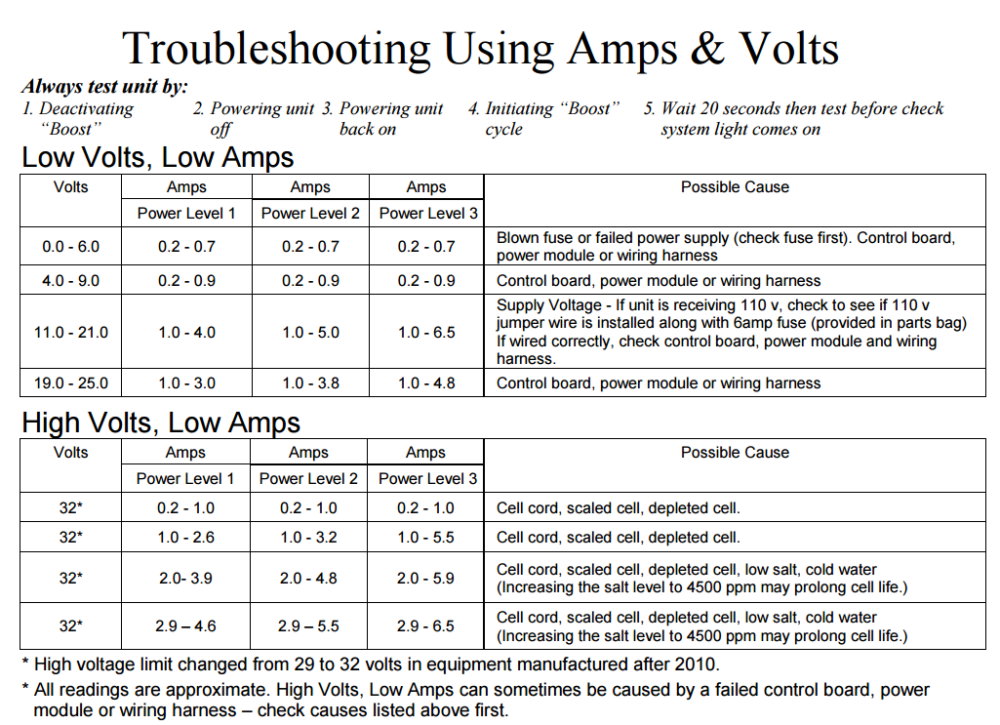
Troubleshooting Common Problems
Even the best systems sometimes have issues. Here’s how to fix the most common ones:
1. Low Chlorine Output
- Check salt level; add more if it’s low.
- Clean the cell if you see buildup.
- Make sure the pool pump is running long enough each day.
2. Error Messages
- Read the display for codes. Most manuals have a chart for fixes.
- Reset the system by turning it off and on.
- Check for loose wires.
3. Cloudy Water
- Test your water for pH, alkalinity, and calcium.
- Run the system longer or increase chlorine output.
- Check the filter.
4. White Flakes In Water
- This is usually calcium from the cell. Clean the cell more often and lower your pool’s calcium hardness.
5. No Power To System
- Check the breaker and power supply.
- Make sure all wires are connected.
- If unsure, call a professional.
Environmental Impact
Choosing a low amps cell pool pilot is also good for the environment. Using less power means fewer greenhouse gases. Saltwater pools also need fewer harsh chemicals, so you add less to the environment. When used and maintained properly, these systems support sustainable pool care.
Credit: autopilot.com
The Science Behind Low Amps Cells
A low amps cell uses the process of electrolysis to make chlorine. The science is simple: when an electric current passes through salty water, chlorine gas forms at one electrode, while sodium forms at the other. In a low amps cell, the current is smaller, which means less heat and slower wear on the cell’s metal plates.
This slower process is actually better for the pool. High amps can cause fast chlorine spikes, which fade quickly. Low amps mean a steady, gentle supply of chlorine, which is safer for swimmers and pool surfaces.
Two Insights Most Beginners Miss
1. Cell Size Matters: Many beginners think any salt cell will work if it fits. In reality, a cell that is too small for your pool will have to work harder, wearing out faster and using more power than needed. Always choose a cell rated for your pool’s size or slightly larger.
2. Salt Is Not “Set and Forget”: Some think you add salt once and never check again. Salt levels can drop after heavy rain or splash-out. Always test monthly, even if your system seems fine.

Credit: www.reddit.com
Future Trends In Pool Chlorination
Low amps cell pool pilots are just one step in modern pool care. New systems are starting to use smart technology, letting you control chlorine from your smartphone. Some brands are working on cells that last even longer or work with even lower salt levels.
Solar-powered versions may become more common, making pool care even greener. For now, low amps cell pool pilots offer the best mix of savings, ease, and water quality.
Frequently Asked Questions
What Does “low Amps” Mean In A Pool Pilot?
Low amps means the system uses less electrical current to produce chlorine from salt. This makes the cell last longer and lowers your power bills, compared to high amps systems.
How Often Do I Need To Add Salt To My Pool?
Usually, you add salt once at the start and then only a few times a year. Heavy rain, splash-out, or backwashing can lower salt levels. Test monthly and add more as needed to keep the right range.
Can I Install A Low Amps Cell Pool Pilot Myself?
Many people with basic DIY skills can install these systems, especially on above-ground pools. For in-ground pools or if you are unsure about wiring, it is safer to hire a professional.
Will A Low Amps Cell Pool Pilot Work With Hard Water?
It will work, but you may need to clean the cell more often. Hard water causes more calcium buildup, which can block the cell. Use a good test kit and keep calcium hardness in the recommended range.
Where Can I Learn More About Saltwater Pool Systems?
You can find more details and technical guides at the Wikipedia Salt Water Chlorination page, which covers the science and technology in depth.
A low amps cell pool pilot is a smart choice for anyone who wants a clean, safe, and low-maintenance pool. With lower running costs, longer life, and gentler water, it’s easy to see why so many pool owners are making the switch. Just remember to size your system correctly, keep an eye on salt and calcium levels, and enjoy the clear, healthy water all season long.