
A pool pump is the heart of any swimming pool’s circulation system. When it stops working, everything else in your pool is affected—water turns cloudy, chemicals don’t mix, and you risk algae growth. Jandy pool pumps are trusted for their performance and reliability, but even the best equipment can sometimes refuse to turn on. This situation can be confusing and frustrating, especially if you are not familiar with pool equipment. Understanding why your Jandy pool pump won’t turn on and knowing how to fix it can save you money, time, and headaches.
In this guide, you’ll find practical advice, step-by-step troubleshooting, and expert tips specific to Jandy pool pumps. Whether you are a new pool owner or have years of experience, you’ll discover new insights and avoid common mistakes. By the end, you’ll be able to confidently identify the problem and decide if you can fix it yourself or need professional help.
How A Jandy Pool Pump Works
Before troubleshooting, it helps to know how your Jandy pool pump operates. The pump’s main job is to pull water from the pool, push it through the filter, heater, or chlorinator, and return clean water back. The core parts are:
- Electric motor: Powers the pump
- Impeller: Spins and moves water
- Pump basket: Catches large debris
- Housing: Keeps everything in place
Most Jandy pumps are controlled by a timer or an automation system. They need a steady supply of electricity and should be protected from water and weather. When you turn on the pump, the motor starts, spins the impeller, and water begins to flow. If any part of this process fails, the pump may not turn on.
Common Reasons A Jandy Pool Pump Won’t Turn On
Many issues can cause your pump to stay silent. Here are the main reasons:
- No power supply
- Tripped breaker or blown fuse
- Faulty timer or automation system
- Bad motor capacitor
- Clogged impeller or basket
- Overheating protection activated
- Damaged wiring or loose connections
- Failed start switch or relay
- Burnt-out motor
- Pump is seized or jammed
- Water intrusion or moisture damage
- Incorrect voltage or electrical supply
- Worn bearings or internal parts
- Old age and general wear
- Programming or user error
Let’s look at each problem, how to spot it, and what you can do.
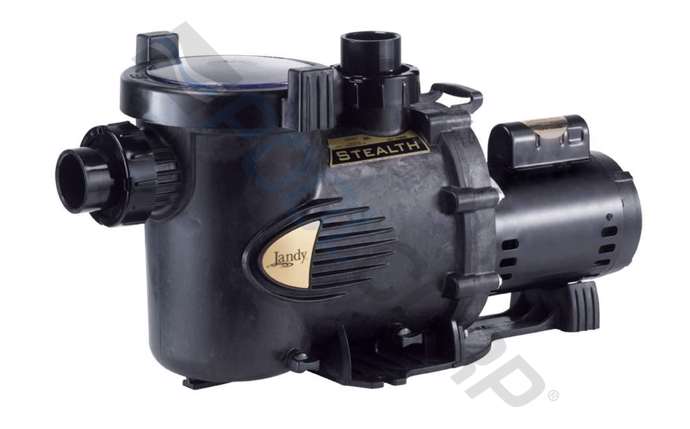
Credit: www.pool360.com
Troubleshooting Steps: Fixing A Jandy Pool Pump That Won’t Turn On
1. Check The Power Supply
The most obvious place to start is power. If the pump is not receiving electricity, it simply cannot work.
- Make sure the pump’s power switch is ON.
- Inspect the power cord and plug for damage.
- Use a test light or multimeter to check the outlet.
If you find no power, check your home’s circuit panel.
2. Inspect The Breaker And Fuses
A tripped breaker is a common cause. Pool pumps often have their own breaker in your electrical panel.
- Open the main electrical panel.
- Look for any breakers in the OFF position.
- Flip the breaker OFF, then ON.
If you have fuses, see if they are blown (look for a broken metal strip inside).
Non-obvious tip: Sometimes, breakers look ON but are partly tripped. Flip them OFF, then ON to reset.
3. Test The Timer Or Automation System
Many Jandy pumps use an automated timer or a control panel. If this fails, the pump won’t start.
- Listen for clicking or display errors.
- Try switching to manual mode.
- Replace batteries if your timer uses them.
If the system is unresponsive, bypass it by wiring the pump directly to power (only if you are comfortable and know electrical safety).
4. Examine The Motor Capacitor
The capacitor gives the motor a boost to start. When it fails, the pump often hums but won’t spin.
- Open the motor end cap (after turning OFF power).
- Look for bulging, leaking, or burnt capacitors.
- Use a multimeter with a capacitance setting to test.
Capacitors are not expensive, but buy the exact type (usually marked in microfarads, μF).
Beginner mistake: Trying to run the pump repeatedly with a bad capacitor can damage the motor.
5. Clear The Pump Basket And Impeller
A clogged impeller or full basket can jam the pump.
- Turn off power.
- Open the pump lid and remove the basket.
- Use your fingers or pliers to remove debris.
- Try spinning the impeller gently.
If the impeller is stuck, remove the motor from the pump body and check for debris inside.
6. Let The Pump Cool If Overheated
Jandy pumps have thermal overload protection. If they overheat, they shut off.
- Wait 30–60 minutes.
- Check for hot weather, blocked vents, or direct sun.
- Make sure the pump has airflow around it.
If the pump keeps overheating, the cause may be a failing motor or blocked vents.
7. Check Wiring And Connections
Loose or corroded wires can break the connection.
- Turn off all power.
- Inspect inside the motor terminal box.
- Tighten any loose screws.
- Look for burnt or green (corroded) wires.
Replace any badly damaged wires. If you see melted insulation, call a professional.
8. Inspect The Start Switch Or Relay
Some Jandy models have a start relay or switch that activates the motor.
- Listen for a clicking sound when you try to turn on the pump.
- If you hear nothing, the relay may be dead.
- Relays can be tested with a multimeter.
Relays are usually replaceable, but if you’re unsure, ask a qualified technician.
9. Check For Motor Burnout
A burnt-out motor is a more serious problem.
- Look for a burnt smell or smoke.
- The motor may feel very hot, even hours later.
- The motor may make a loud buzzing or nothing at all.
Motors can sometimes be rebuilt, but often it’s more cost-effective to replace them.
10. Look For Seized Or Jammed Pump Parts
If something is stuck inside the pump, the motor cannot turn.
- Try turning the shaft at the back of the motor by hand.
- If it won’t turn, remove the pump from the system and check for obstructions.
Common causes are rocks, pool toys, or broken pieces of basket.
11. Inspect For Water Intrusion
Moisture inside the motor or electrical box can cause shorts.
- Look for rust, water drops, or corrosion.
- Smell for a musty or burnt odor.
If water has entered the motor, it may need to be dried out or replaced.
Advanced tip: Use a hairdryer on a low setting to gently dry out minor moisture, but replace any damaged parts.
12. Verify Voltage And Electrical Supply
Jandy pumps are designed for specific voltages (usually 115V or 230V).
- Use a multimeter to check voltage at the terminals.
- Compare with the label on your pump.
Too high or too low voltage can prevent the pump from starting or cause damage.
13. Listen For Worn Bearings Or Internal Parts
Over time, bearings wear out. The pump may seize, run loud, or fail to start.
- Listen for grinding or screeching noises.
- Try spinning the motor shaft by hand.
Worn bearings require motor disassembly and replacement. It’s often best left to professionals.
14. Consider Pump Age And Wear
Jandy pumps last many years, but eventually, parts fail from old age.
- If your pump is over 8–10 years old, it may be more cost-effective to replace it.
- Frequent repairs are a sign it’s time for a new pump.
Compare the cost of a new pump with ongoing repairs.
15. Check For Programming Or User Errors
Sometimes, the problem is simple: incorrect settings.
- Make sure the timer is set to the right time and mode.
- Check if the automation system has a “vacation” or “off” mode.
- Review the owner’s manual for default settings.
Insight: Many first-time owners forget to check the “AM/PM” setting on digital timers.
Preventing Future Pool Pump Problems
Fixing the issue is important, but preventing it in the first place is better. Here’s how you can keep your Jandy pump running smoothly.
Regular Cleaning And Inspection
- Clean the pump basket weekly.
- Remove debris from around the pump area.
- Check for leaks and wet spots.
Scheduled Maintenance
- Lubricate motor bearings (if not sealed).
- Replace the capacitor every 4–5 years as preventive care.
- Inspect wiring annually.
Protect From Weather
- Use a weatherproof cover, but allow ventilation.
- Shade the pump from direct sun.
- Raise the pump above ground level to avoid flooding.
Watch For Warning Signs
- Unusual noises, smells, or heat mean “stop and check.”
- Address small leaks before they become big problems.
Know Your Pump Model
Jandy makes several models, each with unique features. Always keep your model number and serial number handy for repairs or ordering parts.
When To Call A Pool Professional
Some repairs are easy, but others need a licensed technician. Call a pool professional if:
- You are not comfortable working with electricity.
- The motor is burnt out or smells burnt.
- Wiring is melted or badly corroded.
- Water has flooded the motor.
Professionals have the tools and experience to fix problems safely.
Comparing Jandy Pool Pumps To Other Brands
How does Jandy compare to other popular brands like Pentair and Hayward when it comes to reliability and troubleshooting?
Here’s a side-by-side look:
| Brand | Reliability | Common Issues | Ease of Repair |
|---|---|---|---|
| Jandy | High | Electrical, capacitor, timer | Moderate |
| Pentair | High | Capacitor, motor bearings | Moderate |
| Hayward | Medium | Timer, impeller clogs | Easy |
Insight: Jandy pumps are well-built, but their advanced automation means more electronic issues than some simpler models.

Credit: www.reddit.com
Cost Of Repair Vs. Replacement
If your Jandy pool pump won’t turn on, is it cheaper to fix or buy new? Here’s a breakdown:
| Problem | Repair Cost | Replacement Cost | When to Replace? |
|---|---|---|---|
| Capacitor | $20–$60 | — | Never |
| Motor Bearings | $100–$200 | $600–$1,200 | If pump is old |
| Full Motor | $300–$500 | $600–$1,200 | If over 7 years old |
| Complete Pump | — | $600–$1,200 | If repairs exceed 50% of new price |
Tip: If repair costs are more than half the price of a new pump, replacement is usually smarter.
Mistakes To Avoid When Troubleshooting
Even experienced pool owners can make errors. Here are common mistakes:
- Skipping the basics: Always check power and breakers first.
- Ignoring safety: Never work on the pump with power ON.
- Wrong replacement parts: Use only Jandy-approved parts.
- Over-tightening connections: Can crack pump housing.
- Forcing jammed parts: Gently remove debris—never force the impeller.
Non-obvious insight: Running the pump dry (no water) even for a few minutes can damage seals and cause leaks.

Credit: www.youtube.com
Real-world Example: Diagnosing A Silent Pump
Sarah, a pool owner, found her Jandy pump would not start after a storm. She checked the breaker and found it was ON. The pump was silent—no hum or click. She then:
- Checked the power outlet with a lamp: No power.
- Found the GFCI outlet was tripped (often near the pool).
- Reset the GFCI, and the pump started immediately.
Lesson: Always check GFCI outlets if your pump won’t turn on, especially after storms or power surges.
Tools And Equipment Needed For Troubleshooting
Having the right tools makes the job easier and safer:
- Multimeter (for testing voltage and continuity)
- Screwdrivers (flat and Phillips)
- Socket set (for opening pump housing)
- Needle-nose pliers (for debris removal)
- Insulated gloves (for electrical work)
- Owner’s manual (for wiring diagrams)
Always turn OFF power before opening the pump or electrical box.
Upgrading Or Replacing Your Jandy Pump
If you decide your pump is too old or costly to fix, consider a new model. Jandy offers:
- Variable-speed pumps (energy-saving, quieter)
- Single-speed pumps (lower upfront cost)
- Automation-ready models (integrate with smart home systems)
Energy savings: Variable-speed pumps can cut energy costs by up to 80% compared to older single-speed models.
For more details, you can visit the official Jandy Pump Page.
Signs You Need A New Pump
- Repeated breakdowns (more than twice a year)
- Pump is over 8–10 years old
- Repairs cost more than $400–$500
- You want lower energy bills
Old pumps can keep running, but new models are quieter, more efficient, and often pay for themselves in energy savings.
What To Do If You’re Still Stuck
If you have tried all the steps and your Jandy pool pump won’t turn on, don’t panic. Write down:
- What you have checked (power, breaker, basket, etc.)
- Any sounds, smells, or flashes seen
- Model and serial number
Share this info with your pool technician. It saves time and helps them bring the right parts.
Frequently Asked Questions
Why Does My Jandy Pool Pump Just Hum But Not Start?
A humming sound usually means the motor capacitor is failing, or the impeller is jammed. Turn off the power and check for debris. If the shaft spins freely by hand, the capacitor is the likely culprit.
Can I Replace The Capacitor Myself?
Yes, if you are comfortable with basic tools and safety. Always turn off the power. Open the end cap, take a photo of the wiring, and replace with the same type and rating. If unsure, call a professional.
How Long Should A Jandy Pool Pump Last?
With good maintenance, a Jandy pool pump can last 8–12 years. Older models may last longer, but efficiency drops and repair costs rise over time.
Is It Safe To Run My Pump During Rain?
Yes, Jandy pumps are designed for outdoor use. However, never operate the pump if the area is flooded, or if there are electrical shorts. Always check for water intrusion if the pump won’t start after heavy rain.
Does A Pool Pump Need A Gfci Outlet?
Yes, for safety, pool pumps should be connected to a GFCI (ground-fault circuit interrupter) outlet. This protects against electrical shock. If your pump won’t turn on, check if the GFCI has tripped.
A Jandy pool pump is a reliable investment, but like all machines, it needs care. Most “won’t turn on” issues can be solved with patient, step-by-step troubleshooting. Always put safety first, and don’t hesitate to call a professional for electrical or major repairs.
With the right approach, your pool will be running crystal clear in no time.