
If you own an Intex above-ground pool, you know how important the pool pump is for keeping your water clean and clear. But what happens when you notice water pooling under the pump? A leak from the bottom of your Intex pool pump is not just annoying—it can threaten your equipment, raise your water bills, and even shorten the life of your pool. Many owners are unsure what to do when this happens, or they worry that fixing it will be complicated and expensive. The truth is, most pump leaks have simple causes and can be fixed at home with the right approach.
This article will guide you through everything you need to know if your Intex pool pump is leaking from the bottom. We’ll cover why these leaks happen, how to find the source, which parts are usually involved, and the best ways to fix them. You’ll also learn how to avoid future leaks and understand when it’s time to call a professional. Even if you’re new to pool maintenance, you’ll find clear steps, practical tips, and expert insights that can save you time and money.
Why Intex Pool Pumps Leak From The Bottom
Understanding why leaks happen is the first step to solving them. Intex pool pumps are designed for easy setup and use, but they’re exposed to water, sun, chemicals, and vibration. Over time, these factors can cause small problems that lead to leaks.
- Worn or damaged O-rings: The O-rings are rubber seals that keep water inside the pump. If they dry out, crack, or get pinched during assembly, they can let water escape.
- Loose hose connections: If the hoses that bring water to and from the pump are not tight, water can drip down and collect underneath.
- Cracked pump housing: The pump body is strong, but freezing, impacts, or age can cause tiny cracks that slowly leak.
- Clogged or dirty filter: If the filter is blocked, the pump works harder, and pressure can force water out through weak points.
- Improper installation: Sometimes, a pump that isn’t sitting level or has been assembled incorrectly will leak from its base.
Non-obvious insight: A leak at the bottom doesn’t always mean the pump itself is broken. Sometimes water travels along a hose or pipe and drips off the lowest point, making it look like the pump is leaking.
How To Spot The Exact Leak Location
Finding the exact source of a leak can be tricky. Water often follows the path of least resistance, so it might drip from the bottom even if the leak starts elsewhere. Here’s how to track it down:
- Turn off the pump and unplug it for safety.
- Dry the pump and surrounding area with a towel. Wait a few minutes and watch for new moisture.
- Check hose connections first. Look for drips or wet spots on the hoses and clamps.
- Inspect the pump housing. Look for cracks, especially near seams and screws.
- Look under the pump. If the leak is coming from the very bottom, the shaft seal or a lower gasket could be the problem.
- Use a tissue test. Press a dry tissue or paper towel along different parts. It will show you exactly where water is coming from.
Practical tip: If you see water under the pump but can’t find a wet spot above, check for condensation or splashes from pool activity.
Common Areas Where Intex Pool Pumps Leak
Most leaks come from a few specific places. Knowing these helps you check quickly and avoid wasting time.
1. Hose Connections
The points where the hoses connect to the pump are frequent trouble spots. If clamps are loose or the hose isn’t inserted deeply, water can leak out and travel down the side.
2. Pump Lid Or Cover
The clear cover on top of the pump can develop leaks if the O-ring is damaged, dirty, or not seated properly. Sometimes, debris or sand prevents a tight seal.
3. Drain Plug
Near the bottom of many Intex pumps, there’s a small drain plug for winterizing or maintenance. If this plug is not tight or its gasket is missing, water will drip from the bottom.
4. Pump Housing Cracks
Hairline cracks in the plastic body of the pump, especially near the base, can let water out. These can be hard to see but often get worse over time.
5. Internal Seals (shaft Seal And Gaskets)
Inside the pump, there are rubber seals that keep water from escaping around the motor shaft and between parts. If these fail, water can leak from the bottom center.
Non-obvious insight: Sometimes, leaks from the lid or hoses will run down and collect at the bottom, making you think the housing or shaft seal is at fault.
Step-by-step Guide To Fixing An Intex Pool Pump Leaking From The Bottom
If you find water under your pump, don’t panic. Most repairs are simple and don’t require special tools. Here’s how to tackle common issues.
Step 1: Turn Off And Unplug The Pump
Safety first. Always disconnect the power before working on the pump. This protects you from shocks and keeps the motor safe.
Step 2: Check And Tighten Hose Connections
Inspect all the hose connections. Make sure clamps are tight but not over-tightened (which can crack plastic parts). If hoses are worn or split, replace them with new ones.
Step 3: Inspect And Clean The Pump Lid O-ring
Remove the pump lid. Take out the O-ring and wipe it clean. Check for cracks, flat spots, or dryness. If it’s damaged, replace it with the correct size O-ring. Apply a thin layer of silicone-based lubricant (never petroleum jelly) to help it seal.
Step 4: Examine And Tighten The Drain Plug
Find the drain plug near the bottom of the pump. Unscrew it, check the small gasket or washer, and clean any dirt. If the gasket is missing or broken, replace it. Screw the plug back in snugly, but don’t over-tighten.
Step 5: Look For Cracks In The Pump Housing
Carefully inspect the pump body, especially near the bottom and around screws. Use a flashlight to help see small cracks. If you find a crack, you may be able to patch it with waterproof epoxy as a temporary fix, but replacing the housing is usually best for a long-term solution.
Step 6: Check Internal Seals
If the leak is coming from the very bottom center, the shaft seal or internal gaskets could be worn out. This repair is more involved:
- Remove the pump from your pool system.
- Disassemble the pump according to the manual.
- Inspect the shaft seal and other internal O-rings.
- Replace any worn seals with genuine Intex parts.
Practical tip: Take pictures as you disassemble to help you reassemble correctly.
Step 7: Test For Success
After making repairs, reassemble everything. Reconnect hoses, refill the pump with water, and turn the power back on. Watch closely for leaks over the next hour.

Credit: www.reddit.com
Intex Pool Pump Parts Prone To Leaking
Understanding which parts are most likely to fail helps you keep spares on hand and maintain your pump better. Here are the main culprits:
| Part Name | Location | Common Problems | Replacement Frequency |
|---|---|---|---|
| O-Ring | Pump lid, internal seals | Cracks, flattening, dryness | Every 1-2 years |
| Hose Clamp | Hose connections | Rust, loosening | As needed |
| Drain Plug Gasket | Bottom drain plug | Loss, wear, cracks | Yearly |
| Pump Housing | Main body | Cracks, UV damage | 3-5 years |
| Shaft Seal | Inside pump base | Wear, hardening | 3-5 years |
When Should You Replace Vs. Repair?
Many pool owners wonder if they should try to fix a leaking pump or just buy a new one. Here’s how to decide:
Repair
- The leak comes from an O-ring, clamp, or drain plug.
- The housing has a very small, accessible crack.
- The pump is less than three years old and runs well.
- Replacement parts are easy to get and affordable.
Replace
- The pump housing has large cracks or is brittle all over.
- The motor is making noise or not running smoothly along with the leak.
- You’ve already made several repairs and the problem keeps coming back.
- Replacement parts cost more than half the price of a new pump.
Example: If your Intex pump is three years old, works quietly, but has a worn O-ring, a $10 O-ring replacement makes sense. But if the body is cracked in several places and the motor is loud, replacing the pump might be smarter.
Preventing Leaks In Your Intex Pool Pump
Prevention is better than cure. A few simple habits can add years to your pump’s life and keep leaks away.
- Check O-rings and gaskets every season. Lubricate with silicone grease and replace if they look worn.
- Tighten hose connections when you set up or move the pump.
- Protect the pump from sun and freezing weather. UV rays and cold can crack plastic. Use a cover or bring the pump indoors for winter.
- Keep the filter clean. A clogged filter puts extra pressure on the pump, stressing seals and connections.
- Set the pump on a level, solid base. This reduces vibration and strain that can cause leaks.
Cost Comparison: Repair Vs. Replacement
Money is always a factor in pool care. Here’s a quick look at what you might spend:
| Repair Action | Typical Cost (USD) | DIY Difficulty | Time Required |
|---|---|---|---|
| Replace O-ring | $5-$15 | Easy | 10-20 minutes |
| Replace drain plug/gasket | $5-$10 | Very easy | 5-10 minutes |
| Patching small crack | $10-$20 | Moderate | 30-60 minutes |
| Replace internal shaft seal | $15-$30 | Difficult | 1-2 hours |
| New pump (replacement) | $70-$180 | Easy | 15-30 minutes |
Tip: Most Intex pool pump repairs cost less than $20 in parts if you do it yourself.
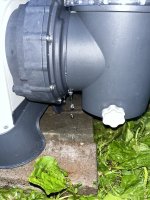
Credit: www.troublefreepool.com
Mistakes Beginners Make When Fixing Pool Pump Leaks
It’s easy to make errors when you’re new to pool maintenance. Avoid these common mistakes:
- Overtightening clamps or screws: This can crack plastic parts and make leaks worse.
- Using petroleum jelly on O-rings: It can break down rubber. Always use silicone-based lubricant.
- Ignoring small leaks: Even a tiny drip can cause bigger problems. Fix leaks as soon as you notice them.
- Not turning off the power: Working on a pump that’s plugged in is dangerous.
- Mixing up O-ring sizes: Always use the correct size and type for your pump.
Real-world Example: Diagnosing A Bottom Leak
Let’s say you notice water puddling under your Intex pool pump. You check all the hoses and they’re dry. The pump lid is tight, and the O-ring looks fine. You see water gathering right under the center of the pump.
After opening the pump, you find the shaft seal is worn out and hard.
What to do: Order a genuine Intex shaft seal, following your model’s manual. Replace the old seal, lubricate it, and reassemble. The leak stops, and your pump runs smoothly. This repair usually costs under $30 and takes about an hour, saving you from buying a new pump.
How Weather And Water Chemistry Affect Leaks
Most people don’t realize that weather and water chemistry have a big impact on your pump’s seals and housing.
- Sun exposure (UV rays) makes plastic brittle over time.
- Freezing water inside the pump can expand and crack the housing.
- High chlorine or low pH can eat away at rubber seals, making them fail sooner.
Pro tip: Test your pool water weekly, keep chemicals balanced, and bring your pump indoors during the winter if you live in a cold climate.
Choosing The Right Replacement Parts
Getting the right parts is key to a successful repair. Here’s what matters:
- Model number: Intex makes several types of pumps. Check your pump’s sticker or manual for the model number.
- Genuine vs. generic parts: Genuine Intex parts fit better and last longer. Generic parts may be cheaper but don’t always seal as well.
- O-ring size and type: Measure or check your manual for the exact size. Don’t guess.
- Material: For gaskets and seals, choose ones made for pool chemicals and sun exposure.
Where to buy: Intex’s official website, pool supply stores, or trusted online retailers.
How To Extend The Life Of Your Intex Pool Pump
Want to keep your pump running for years? Here are some habits that make a big difference:
- Rinse the pump and hoses with fresh water every month to remove chemical buildup.
- Store the pump indoors during winter if you live in a cold area.
- Inspect for leaks or cracks every few weeks during pool season.
- Keep the pump off the ground by placing it on a plastic or rubber mat. This prevents contact with mud and standing water.
- Don’t run the pump dry—always fill with water before starting.
Signs Your Pump Needs Professional Help
Sometimes, a leak is part of a bigger problem. Call a pool service professional if:
- The pump is making loud grinding, screeching, or knocking noises.
- The leak is fast and you can’t find the source.
- The pump won’t run or keeps shutting off.
- You see rust or water inside the motor housing.
Tip: If your pump is still under warranty, contact Intex customer service before opening the case or making repairs.

Credit: www.youtube.com
Are Intex Pool Pumps Reliable Long-term?
Intex pool pumps are popular for their easy setup and affordable price. Most models last 3 to 5 years with proper care. Common reasons for shorter life include leaving the pump outside all winter, running it with clogged filters, or using the wrong chemicals.
If you want a pump that lasts longer, look for Intex’s higher-end models with metal housings and better seals. Regular maintenance is the key to getting the most from your investment.
For more detailed technical information, you can visit the Intex official FAQ page.
Frequently Asked Questions
Why Is My Intex Pool Pump Leaking Only When Running?
Usually, leaks that appear only when the pump is running are caused by pressure inside the system. This can force water through weak seals, cracked housing, or loose connections. Check all O-rings, clamps, and the pump body for problems.
Can I Use Teflon Tape On The Threads Of My Intex Pump?
Yes, Teflon tape can help seal threaded connections, such as the drain plug or hose adapters. Be careful not to use too much, and don’t use it on parts that need a gasket or O-ring to seal.
How Often Should I Replace My Intex Pump’s O-rings?
Replace O-rings every 1-2 years or any time they look cracked, flattened, or dry. Keeping them lubricated with silicone grease extends their life.
Is It Safe To Patch A Cracked Intex Pump Housing?
Small cracks can be temporarily patched with waterproof epoxy, but this is not a long-term fix. For safety and reliability, replace the housing or the entire pump if cracks are large or keep getting worse.
What’s The Best Way To Winterize My Intex Pool Pump?
Disconnect the pump, drain all water, remove hoses, and store the pump indoors in a dry place. This prevents freezing damage and extends the pump’s life.
—
A leaking pool pump doesn’t have to end your swimming season or cost a fortune. With a bit of knowledge and the right parts, most Intex pool pump leaks from the bottom can be found and fixed in an afternoon.
By taking a careful, step-by-step approach, you can keep your pool clear, your pump running strong, and avoid expensive replacements. Regular checks, good water chemistry, and protecting your pump from the elements will help you enjoy years of trouble-free pool time.