
If you have a backyard pool, you know the pump is its heart. The pump pushes water through filters, heaters, and sanitizers, keeping your pool clean and safe. But what if your pump and pool aren’t side by side? Maybe your pool sits at the back of a large yard, or your equipment pad is far away for noise reasons.
How far can you put the pump from the pool without causing problems? This is a question many pool owners, builders, and DIY enthusiasts face. The answer is not always simple, but it is essential for your pool’s health and your wallet.
This guide will give you a deep dive into the maximum distance between pool and pump. You will learn what affects this distance, what happens if you go too far, and how to make the best choices for your setup. We’ll look at real numbers, practical examples, and expert advice. You will also discover small details that most beginners overlook, but that can make a big difference in your pool’s performance and maintenance costs.
Why Pool Pump Distance Matters
The distance between your pool and pump is not just a question of convenience. It directly affects water flow, pump efficiency, and your energy bills. The longer the pipes, the harder your pump must work. This can mean higher electricity use, more wear and tear, and sometimes, a pool that just won’t stay clean or clear.
Most pools are built with the pump and filter system close by. But sometimes, the equipment must go farther away—behind a fence, at the side of the house, or even in a shed. Understanding what controls the maximum distance will help you avoid costly mistakes.
Key Factors That Control Max Distance
Several factors determine how far you can place your pool pump from the pool. It’s not just about the length of pipe. Let’s look at the main points:
1. Pump Size And Power
A bigger, more powerful pump can push water farther. Horsepower (HP) is the standard measurement. Typical pool pumps range from 0. 5 HP for small pools up to 3 HP or more for large, complex setups.
2. Pipe Size (diameter)
Wider pipes carry more water with less resistance. A 2-inch pipe has much lower friction than a 1. 5-inch pipe. The right pipe size can make a big difference in how far you can run the line.
3. Pipe Material
Most pool plumbing uses PVC. Some older systems use flexible hoses or metal. Smooth, rigid PVC has less resistance than corrugated or flexible hose.
4. Number And Type Of Fittings
Every elbow, tee, or valve adds resistance (called “head loss”). Fewer fittings mean easier flow.
5. Elevation Changes
If the pump sits above the pool water line, it must work harder to pull water up (suction head). If it is below, gravity helps push water into the pump (flooded suction).
6. Flow Rate Needs
Pools need a certain flow rate, measured in gallons per minute (GPM) or liters per minute (LPM), to filter all the water in a set time (usually 6–8 hours). Longer pipe runs can reduce flow.
7. Type Of Pool (in-ground Or Above-ground)
In-ground pools usually allow for more flexible plumbing and pump placement. Above-ground pools often have smaller, less powerful pumps.
8. Obstacles And Site Layout
Your yard, landscaping, and local codes might force longer runs.
Most beginners forget about the effect of fittings and elevation changes. Even a few extra elbows can increase resistance by 10% or more. If your pump sits higher than the water, priming and flow can be a real headache.
Typical Distances For Pool Pumps
For most backyard pools, the pump and filter are within 10–20 feet (3–6 meters) of the pool. But sometimes, you need to go farther. Here’s what’s common and what’s possible:
- Short Run (10–20 feet / 3–6 meters): Almost any pump and pipe will work. Minimal loss.
- Medium Run (20–50 feet / 6–15 meters): Use at least 1.5″ pipe, 2″ is better. Standard 1–1.5 HP pump is usually fine.
- Long Run (50–100 feet / 15–30 meters): Use 2″ or larger pipe. Upgrade to a 1.5–2 HP pump. Fittings and elevation become more critical.
- Extra Long Run (100+ feet / 30+ meters): Special design needed. Use 2.5–3″ pipe. High-performance pump required. Consider professional help.
Most experts suggest not going beyond 100 feet (30 meters) unless you upgrade both the pump and pipes. At longer distances, friction loss and priming issues become serious.
How To Calculate Maximum Safe Distance
If you want more than a rough guess, you need to do a simple calculation. The goal is to keep your flow rate high enough for proper filtration.
Step 1: Know Your Flow Rate
First, figure out how much water your pool holds. Then, decide how often you want to “turn over” all the water (usually once every 6–8 hours).
Example:
- Pool size: 20,000 gallons
- Turnover time: 8 hours
- Flow rate needed = 20,000 ÷ 8 = 2,500 gallons per hour ≈ 42 GPM
Step 2: Estimate Total Head Loss
“Head” is the pressure your pump must overcome, measured in feet (or meters) of water. Total head combines pipe friction, fittings, and elevation.
- Friction Loss: Longer, smaller pipes = more loss.
- Fittings: Each 90° elbow = 5–8 feet of extra pipe.
- Elevation: Every foot of lift adds 1 foot of head.
You can use online calculators or tables to estimate pipe friction. For a 2″ PVC pipe at 40 GPM, friction loss is roughly 2 feet per 100 feet. Add 5–10 feet for fittings.
Step 3: Check Your Pump’s Performance Chart
Every pump has a chart showing flow rate at different head pressures. Find your desired flow rate, then see what head the pump can handle. If you have too much head, the flow drops.
Step 4: Adjust As Needed
If your flow is too low, you can:
- Use a larger pump
- Use bigger pipes
- Reduce fittings
- Move the pump closer
Pro tip: Many people only look at horsepower, but matching the pump to the pipe size and flow rate is even more important.

Credit: www.swimmingpoolsteve.com
Real-world Example: 60 Feet From Pool To Pump
Let’s say you want your pump 60 feet from your pool.
- Pool: 15,000 gallons
- Desired flow: 31 GPM (turnover in 8 hours)
- Pipe: 2″ PVC
- Fittings: 4 elbows, 2 valves
Friction loss: About 1.5 feet per 100 feet at 30 GPM. For 120 feet (60 feet each way), that’s 1.8 feet.
Fittings: 6 x 5 feet = 30 feet.
Total head (friction + fittings): 32 feet
Elevation: If pump is level with pool, no extra.
Check the pump curve for your model. If the pump can deliver 31 GPM at 32 feet of head, you’re fine. If not, you’ll need a bigger pump, fewer fittings, or larger pipe.
Comparing Pipe Size And Max Distance
Pipe size makes a big difference. Here’s a simple comparison for a pool pump running at 40 GPM:
| Pipe Size | Max Distance (at 40 GPM) | Friction Loss per 100 ft |
|---|---|---|
| 1.5″ | ~60 ft (18 m) | 6.5 ft |
| 2″ | ~150 ft (46 m) | 2.0 ft |
| 2.5″ | ~280 ft (85 m) | 0.9 ft |
As you can see, larger pipes allow much longer runs with less loss. Upgrading pipe is often cheaper than buying a huge pump.
Effects Of Going Too Far
What happens if you stretch the distance beyond what your pump and pipes can handle?
- Low Flow: Water moves too slowly for proper filtration.
- Pump Strain: Pump works harder, overheats, or fails early.
- Poor Circulation: Dead spots in the pool, algae growth.
- High Energy Bills: Pump runs longer or uses more power.
- Priming Problems: Suction side lines may not fill with water, especially if the pump is higher than the pool.
- Noise: Pumps under stress can get noisy.
Most pool problems from long pump runs are slow to appear. You might not notice at first, but over months or years, you’ll see more cloudy water or higher costs.
How To Extend The Maximum Distance
If you must put your pump far away, these methods help:
1. Upgrade To Larger Pipes
Going from 1. 5″ to 2″ or 2. 5″ pipe can double or triple your max distance.
2. Use A Bigger Pump (with Caution)
A higher horsepower pump can push water farther, but if your pipes are too small, you could burst a line or waste energy.
3. Limit Fittings And Turns
Plan the plumbing for the straightest run possible. Each extra elbow adds invisible “distance. ”
4. Install A Flooded Suction
Place the pump below water level if possible. This makes priming easy and helps the pump work efficiently.
5. Use Multiple Suction/return Lines
Instead of one big line, split the flow across two or three. This reduces friction loss.
6. Consider Variable-speed Pumps
These pumps can adjust speed to match resistance, saving energy on long runs.
7. Professional Hydraulic Design
For very long runs or complex pools, hire a pool pro or engineer to calculate the best setup.
Experienced installers often run a separate line for the pool cleaner or water features so the main filter line stays efficient. This is a detail many beginners miss.
Credit: www.mikeholt.com
Common Mistakes When Placing Pool Pumps Far From The Pool
Many pool owners and even contractors make the same errors when dealing with long distances:
- Using pipe that is too small for the run
- Ignoring the number of elbows and fittings
- Choosing a pump based only on horsepower, not flow/head curve
- Not considering future add-ons (heaters, water features)
- Placing the pump above pool water level without a check valve or priming help
- Forgetting to insulate pipes in cold climates
One non-obvious insight: When running a long suction line, always use rigid PVC, not flexible hose. Flexible hose increases friction and is more likely to collapse under suction.
Special Cases: Above-ground Pools And Long Pump Runs
Above-ground pools are more sensitive to pump distance. Their pumps are weaker, and small hoses are standard. Most above-ground pool pumps should be no more than 15–20 feet (4.5–6 meters) from the pool. If you need to go farther:
- Upgrade to rigid 1.5″ or 2″ PVC pipe
- Use as few turns as possible
- Place the pump below the pool water level for easy priming
Trying to run a 1. 25″ hose 40 feet just won’t work well. You’ll have poor suction and possibly damage the pump.
Local Regulations And Safety
Some cities or regions have building codes that control where you can put your pool equipment. These rules might require:
- Equipment to be a minimum distance from the property line
- Noise protection for neighbors
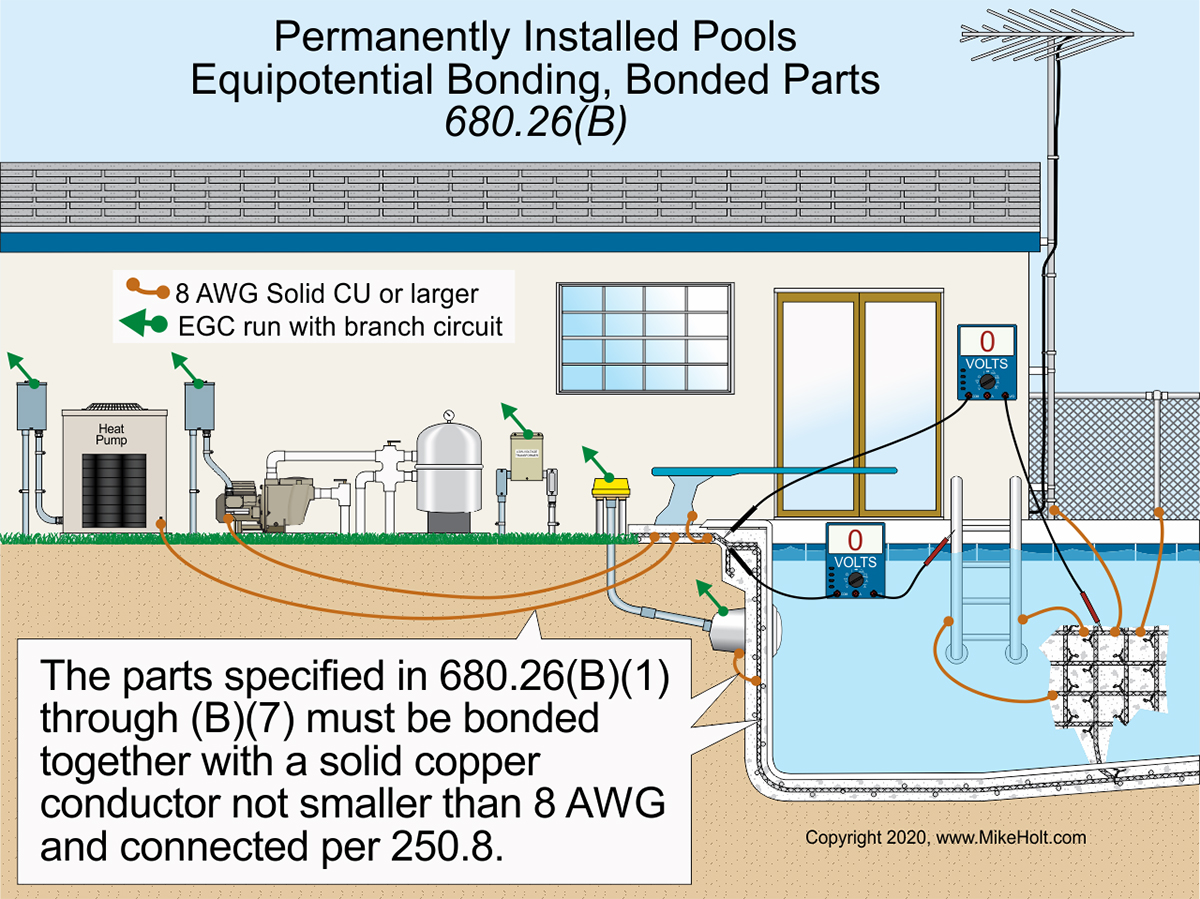
- Electrical safety: Pumps need to be close to the power source, grounded, and sometimes protected from weather
Always check with your local building department before trenching a long line. Safety comes first, and fines for code violations can be high.
Case Study: Moving Equipment For A Quiet Backyard
Imagine you want to move your pool pump and filter 80 feet away, behind a shed, so you don’t hear the noise while relaxing.
- Pool volume: 25,000 gallons
- Desired turnover: 6 hours (70 GPM)
- Pipe: Upgrading from 1.5″ to 2.5″ PVC
- Fittings: 6 elbows, 2 valves
Friction loss: At 70 GPM, 2.5″ pipe loses only about 1.5 ft per 100 ft, so about 2.4 ft for 160 ft (80 ft each way).
Fittings: 8 x 5 ft = 40 ft.
Total head: 42.4 ft.
You’ll need a strong pump, probably 2 HP or a variable-speed model. But with the larger pipe, you can still achieve good flow and quiet operation.
Bonus tip: If noise is a problem, a longer distance is not your only option. Installing a soundproof box or planting bushes around the equipment can also help.

Credit: www.ebay.com
Summary Table: Pool Pump Distance Vs. Key Factors
Here’s a summary of what matters most as the distance increases:
| Distance Range | Recommended Pipe Size | Minimum Pump Size | Special Considerations |
|---|---|---|---|
| 10–20 ft | 1.5″ | 0.75–1 HP | Standard setup |
| 20–50 ft | 2″ | 1–1.5 HP | Limit fittings |
| 50–100 ft | 2–2.5″ | 1.5–2 HP | Consider variable speed |
| 100+ ft | 2.5–3″ | 2+ HP, VS | Professional design needed |
Upgrades And Technology That Help
Modern pool technology offers some solutions if you must place your pump far away:
- Variable-Speed Pumps: These pumps adjust power to match distance and resistance, saving energy. They are also quieter.
- Remote-Controlled Equipment: Wireless controls let you check pressure, flow, and timers from inside your home.
- Automated Valves: These can optimize flow for cleaning, heating, or features, reducing wasted energy on long runs.
- Flow Meters: Install a flow meter to see the real flow rate at the pool, not just guess.
Energy Efficiency And Running Costs
Long pipe runs always increase energy use a little. The farther the water travels, the more power the pump needs. For a 50-foot run, you might pay $50–$100 extra per year in electricity compared to a 10-foot run. For 100 feet or more, the extra cost can be $200+ per year, especially if you use an oversized pump.
If you want to save money, focus on:
- Using the largest pipe you can afford
- Choosing a variable-speed pump
- Limiting unnecessary fittings and turns
- Keeping the pump below water level if possible
These steps reduce both operating cost and maintenance headaches.
When To Call A Professional
Some projects are simple DIY jobs, but if you’re planning a long run (over 50 feet), adding complex features, or not sure about pump sizing, it’s smart to consult a pool contractor or hydraulic engineer. They can calculate head loss, choose the right equipment, and help you avoid expensive mistakes.
A professional will also know about local codes, electrical safety, and can plan for any future upgrades you might want (like a heater or spa).
Additional Resources
For more detailed calculations and plumbing tables, you can check out the official guides from the Wikipedia Swimming Pool Sanitation page. This resource explains flow rates, pipe sizing, and best practices in depth.
Frequently Asked Questions
How Far Can A Pool Pump Be From The Pool?
For most standard pools, the pump can be 10–50 feet away without problems if you use the right pipe size. With larger pipes and a strong pump, you can go up to 100 feet or more, but beyond that, special design is needed.
What Happens If The Pump Is Too Far From The Pool?
Water flow drops, the pump works harder, and you may get poor filtration, higher bills, or even pump failure. It’s important to size both the pump and pipe for the longer distance.
Can I Use Flexible Hose For A Long Pump Run?
No, flexible hose increases friction and is more likely to collapse under suction. Always use rigid PVC pipe, especially for runs over 20 feet.
Should The Pump Be Above Or Below Pool Water Level?
Below water level (flooded suction) is best for long distances. This makes priming easy and helps the pump work efficiently. If the pump is above, you may need extra check valves or priming aids.
Does Pipe Size Really Matter For Pump Distance?
Yes. Upgrading from 1. 5″ to 2″ or 2. 5″ pipe can double or triple the safe distance. Larger pipes reduce friction and help maintain good flow, saving energy and extending pump life.
A well-designed pool system means less hassle and more fun. Take the time to plan your pump and plumbing layout, and you’ll enjoy a cleaner, easier-to-maintain pool for years to come.