
If your Little Giant pool cover pump is not working, you’re not alone. These pumps are trusted for removing water from pool covers, but even the best equipment can have issues. When your pump fails, water collects on the cover, causing stress on the pool structure and possibly leading to algae growth or cover damage. For pool owners, a non-working pump is more than a hassle—it can lead to costly repairs if not fixed quickly.
This guide will help you understand why your Little Giant pool cover pump might stop working, how to troubleshoot the problem, what fixes are possible, and when to seek professional help. You’ll learn how the pump works, common mistakes to avoid, and how to keep it running smoothly in the future.
Even if you’re not a technical expert, you’ll find practical advice and clear steps you can follow. Let’s get your pool cover pump working again.
Understanding Your Little Giant Pool Cover Pump
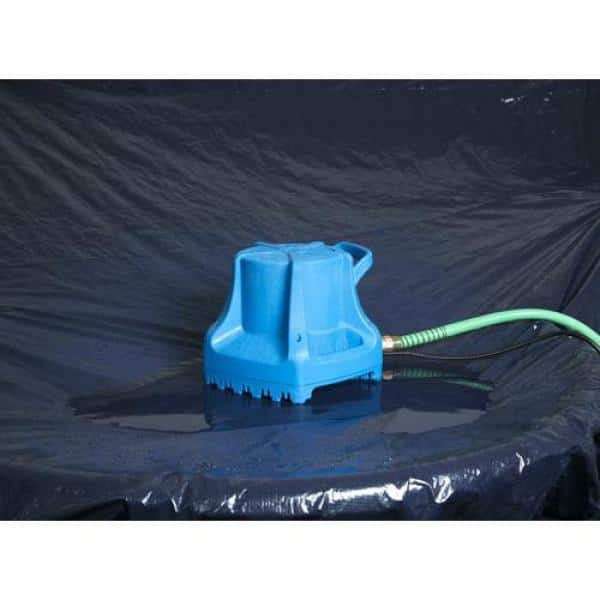
Before you can solve a problem, it helps to know how your pump is supposed to work. The Little Giant pool cover pump is designed to sit on top of your pool cover and remove excess water. Most models use a small, submersible electric motor to suck up water and push it through a discharge hose, away from the pool area.
These pumps often have an automatic sensor or switch that turns them on when water is detected. Some models are manual and need to be plugged in each time. They’re built for outdoor use, but exposure to debris, cold weather, and electricity always brings risk of malfunction.
Key parts include:
- Pump body: Houses the motor and impeller.
- Impeller: Spinning part that moves water.
- Float switch or sensor: Detects water and tells the pump to start or stop.
- Power cord and plug: Connects to an outdoor outlet.
- Discharge hose: Where water exits.
Understanding these parts makes troubleshooting easier. Many problems can be traced to one of these components.
Common Reasons Little Giant Pool Cover Pumps Stop Working
When your pump isn’t working, the cause is usually one of a handful of issues. Let’s look at the most frequent reasons:
- Power supply problems: The pump needs a steady electrical connection. If the outlet is dead, the cord is damaged, or the plug is loose, the pump won’t run.
- Clogged intake or impeller: Leaves, twigs, and dirt can get sucked into the intake, blocking water flow. A jammed impeller can stop the pump completely.
- Float switch stuck or failed: On automatic models, a stuck float switch means the pump doesn’t know there’s water to remove.
- Frozen pump or hose: In cold climates, ice can block the hose or freeze the pump, stopping water movement.
- Overheating or motor failure: If the pump is left running dry (without water) or overheats, the motor can burn out.
- Worn or damaged seals: Water can get inside the pump housing, leading to electrical shorts or corrosion.
- Incorrect setup or installation: If the pump isn’t placed flat or the hose is too high, it might not function properly.
- Internal electrical failure: Switches, wires, or the internal circuit board can fail after years of use.
Some problems are simple to fix; others require a new pump. Next, we’ll discuss how to figure out exactly what’s wrong.

Credit: www.amazon.com
Step-by-step Troubleshooting Guide
If your Little Giant pool cover pump is not working, follow these steps to find the problem. Take safety precautions: always unplug the pump before inspecting or handling it.
1. Check The Power Source
- Plug another device into the outlet to ensure it works.
- Look for tripped breakers or blown fuses in your home’s electrical panel.
- Inspect the pump’s power cord and plug for cuts, nicks, or burn marks.
A surprising number of “dead” pumps simply aren’t getting power.
2. Inspect The Pump Placement
- Make sure the pump is sitting flat on the pool cover.
- Check that the intake is fully submerged in water. If the water is too shallow, the pump won’t start.
Improper placement can make the pump look dead when it’s just not triggered.
3. Examine The Float Switch Or Sensor
- On automatic models, gently lift the float (if visible) to see if the pump activates.
- Check for debris around the float that could be jamming it.
- On some models, the float is inside the housing—listen for a clicking sound as you move it.
If the float is stuck, clean around it and free any debris.
4. Check For Clogs
- Disconnect the pump and remove it from the cover.
- Examine the intake area for leaves, sticks, or sludge.
- Remove the cover (if possible) and inspect the impeller. Spin it gently; it should move freely.
A clogged impeller is one of the top reasons for pump failure.
5. Inspect The Discharge Hose
- Look for kinks, ice, or blockages in the hose.
- In cold weather, tap the hose gently to break up ice.
- Make sure the hose isn’t running uphill; this creates extra strain.
6. Test The Pump Directly
- Place the pump in a bucket of clean water.
- Plug it in (using a GFCI outlet for safety).
- If it works in the bucket but not on the pool, the problem may be with pool debris or cover setup.
7. Listen For Sounds
- A humming sound suggests the motor is trying to run but can’t spin (possibly jammed).
- No sound at all usually means a power or switch problem.
8. Look For Leaks
- Water inside the pump housing is a bad sign. It often means a seal has failed.
- Check for rust or corrosion around the motor.
9. Smell For Burning
- A burnt smell means the motor may have overheated or shorted out.
10. Consider Pump Age
- Pumps over 3-5 years old may simply wear out, especially with heavy use.
By following these steps, you can often narrow down the cause. Don’t rush—check each possibility carefully.
How To Fix Common Little Giant Pool Cover Pump Problems
Once you’ve found the likely cause, here’s how to address each issue. Some repairs are simple, while others require new parts or a new pump.
Power Problems
- If the outlet is dead, restore power or use a different outlet.
- For a damaged cord or plug, replace the cord (if possible) or the entire pump.
- If the pump trips your GFCI outlet repeatedly, the motor may be shorted—replace the pump.
Float Switch Issues
- Clean any debris around the float.
- For stuck internal floats, gently tap the housing.
- If the switch is broken, contact Little Giant support or consider a new pump.
Clogs And Blockages
- Clear debris from the intake, impeller, and hose.
- Use a soft brush and water to clean the impeller.
- Don’t use metal tools that might damage the parts.
Frozen Parts
- Move the pump and hose indoors to thaw.
- Never force frozen parts—they may crack.
Overheating Or Motor Failure
- If the pump runs but doesn’t move water, and feels hot, turn it off and let it cool.
- If it overheats repeatedly, the motor may be failing—replacement is likely.
Leaks And Corrosion
- Minor leaks can sometimes be sealed with waterproof epoxy, but major leaks mean it’s time for a new pump.
- Corroded parts are not repairable.
Incorrect Installation
- Make sure the hose is not uphill or too long.
- Place the pump on a flat, stable part of the cover.
Internal Electrical Failure
- If you suspect internal wiring is bad, replacement is safer than repair (water and electricity are a dangerous mix).
Expert tip: Many beginners overlook the float switch and focus only on the motor. Also, not all “clogs” are visible from outside—sometimes you need to open the case to find the real blockage.
When To Repair And When To Replace
Knowing when to repair or replace your Little Giant pool cover pump is important. Here’s a comparison to help you decide:
| Situation | Repair | Replace |
|---|---|---|
| Clogged intake or hose | ✔ | ✘ |
| Damaged power cord | ✔ (if replaceable) | ✔ (if not replaceable) |
| Float switch stuck | ✔ | ✘ |
| Burnt smell or no motor sound | ✘ | ✔ |
| Major leaks or corrosion | ✘ | ✔ |
| Pump age over 5 years | ✘ | ✔ |
Repair makes sense for simple, low-cost problems. For electrical or motor failures, or if the pump is old, replacement is safer and more reliable.
Preventive Maintenance For Long Pump Life
Most Little Giant pool cover pump problems can be prevented with regular care. Here’s how to keep your pump in top shape:
- Clean intake and impeller every few weeks, especially after storms or heavy leaf fall.
- Check the float switch for free movement.
- Inspect the power cord for damage each time you set up the pump.
- Store the pump indoors during freezing weather or when not in use for long periods.
- Flush the discharge hose with clean water to prevent buildup.
- Don’t let the pump run dry; always make sure it’s in water when operating.
- Replace worn hoses or parts before they fail.
Pro insight: Many users forget to check the discharge hose. Even a small blockage or kink can make the pump seem broken.

Credit: www.youtube.com
Comparing Little Giant With Other Pool Cover Pumps
How does the Little Giant pool cover pump stack up against other brands? Here’s a quick comparison of features:
| Brand | Common Issues | Automatic/Manual | Average Lifespan | Ease of Repair |
|---|---|---|---|---|
| Little Giant | Float switch, cord, clogs | Both | 3-5 years | Moderate |
| Wayne | Clogs, frozen hose | Both | 3-5 years | Moderate |
| Pentair | Motor failure | Mainly automatic | 4-6 years | Low |
| Superior Pump | Seals, noise | Both | 2-4 years | High |
Little Giant pumps are respected for reliability, but like all pumps, they need care. They’re not immune to clogs or electrical problems, but parts are often available.
Cost Of Repair Vs. Replacement
When your pump fails, you might wonder if it’s better to repair or buy new. Here’s a quick cost comparison:
| Repair Task | Estimated Cost (USD) | Difficulty |
|---|---|---|
| Clear clog or debris | 0 | Easy |
| Replace power cord | 20-40 | Medium |
| Replace float switch | 30-50 | Medium |
| Replace pump (new) | 70-180 | Easy |
If the repair cost is more than half the price of a new pump, replacement usually makes more sense.
Common Mistakes To Avoid
- Running the pump dry: This can quickly burn out the motor.
- Ignoring small leaks: Water inside the housing leads to bigger problems.
- Leaving the pump outside in freezing weather: Ice can crack the pump and hose.
- Not cleaning the intake: Debris builds up fast, especially after storms.
- Using extension cords: These often cause voltage drop, leading to motor issues.
- Placing the hose uphill: This makes the pump work much harder.
Non-obvious insight: Some users do not realize that even a small voltage drop from a long extension cord can cause the pump motor to overheat or fail.
When To Call A Professional
Some problems are best left to experts, especially when electricity is involved. Call a pool service technician or electrician if:
- You see sparks, smoke, or burn marks.
- The pump trips your GFCI outlet every time.
- Internal parts are rusted or corroded.
- You’re unsure about wiring or float switch repairs.
Attempting electrical repairs yourself can be dangerous. When in doubt, choose safety.
How To Choose A Replacement Pump
If you need a new Little Giant pool cover pump, consider these factors:
- Pump capacity (gallons per hour): Choose a pump that matches your pool size and cover.
- Automatic vs. manual: Automatic models are more convenient but slightly more expensive.
- Cord length: Make sure the cord reaches your outlet without an extension.
- Warranty: Look for at least a 1-year warranty.
- Ease of cleaning: Models with easy-access intake covers are simpler to maintain.
- Customer reviews: Check for reliability and support from other pool owners.
Visit the official Little Giant website for model details and support.
Real-world Examples
Case 1: A pump wouldn’t start after a winter freeze. The owner discovered ice in the discharge hose, thawed it inside, and the pump worked again.
Case 2: The pump ran but didn’t move water. After opening the intake, a small stone was found jamming the impeller—removal solved the problem.
Case 3: Pump kept tripping the breaker. It turned out that water had leaked into the motor housing, causing a short. The pump had to be replaced.
These examples show that simple fixes are often possible, but don’t ignore signs of electrical failure.
Credit: www.homedepot.com
Frequently Asked Questions
Why Does My Little Giant Pool Cover Pump Keep Shutting Off?
A common reason is a stuck or faulty float switch. If the float can’t move freely, the pump thinks there’s no water. Check for debris or ice around the switch. Overheating or a short circuit can also cause the pump to shut off.
Can I Repair The Power Cord Myself?
If you have electrical experience, you can replace a damaged cord, but it must be the right type and rating. For safety, most users should buy a new pump or take it to a repair shop. Never use tape or temporary fixes on outdoor electric cords.
How Can I Prevent My Pump From Freezing?
Remove the pump and hose from the pool cover before freezing weather. Store them indoors. If you must leave it outside, run it often to keep water moving, and check for ice buildup after cold nights.
What Should I Do If My Pump Makes A Humming Noise But Doesn’t Work?
A humming noise usually means the impeller is jammed or the motor is stuck. Unplug the pump, open the intake cover, and clear any debris. If the impeller spins freely and the problem continues, the motor may be failing.
Is It Better To Buy An Automatic Or Manual Pool Cover Pump?
Automatic pumps are more convenient because they start and stop on their own. Manual pumps are cheaper and have fewer parts that can fail, but need you to plug them in and out. For most pool owners, automatic is worth the extra cost.
Final Thoughts
A Little Giant pool cover pump not working can disrupt your pool care routine, but most problems are fixable with a little patience and the right steps. Start with simple checks—power, clogs, float switch—and only move to repairs or replacement if needed. Regular maintenance and smart installation are your best defense against future issues. Remember, when dealing with water and electricity, safety comes first. If you ever feel unsure, don’t hesitate to contact a professional or visit the official Little Giant support page for help. With a little effort, you can keep your pool cover pump running and protect your pool all season long.