
It’s a hot summer day, and you’re ready for a swim. You flip on your Summer Waves pool pump, expecting clear water and smooth flow. Instead, you spot a puddle under the pump or hear a gurgling sound. Soon, you notice that your Summer Waves pool pump is leaking. If you’ve ever faced this issue, you know how frustrating it can be—not just for water waste, but for the risk of damage to your pool system. A leaking pump can ruin your summer fun and even lead to costly repairs if ignored.
Understanding why your pool pump is leaking, how to fix it, and how to prevent it in the future is essential for any pool owner. Many people struggle to find the real cause or try random fixes that don’t work.
Some even replace the entire pump when a simple O-ring change would do. If you want clear, step-by-step advice for handling a leaky Summer Waves pool pump, you’re in the right place. This guide covers everything you need, from the main causes to advanced troubleshooting, including tips that even experienced pool owners often miss.
Why Pool Pumps Leak: The Basics
A leaking pool pump is more than just a nuisance. It can lead to lower water levels, chemical imbalance, and even motor failure. But what actually causes leaks?
- Worn Seals and O-Rings: The most common reason. Over time, rubber parts like O-rings crack, flatten, or lose flexibility.
- Loose Fittings: Pump hoses, unions, and connectors can loosen due to vibration or improper installation.
- Cracked Pump Housing: Exposure to sun, freezing weather, or impact can cause the plastic shell to crack.
- Clogged or Damaged Impeller: When debris blocks or damages the impeller, water pressure can force leaks at weak points.
- Improper Assembly: After cleaning or repairs, even a small misalignment can cause leaks.
Most leaks start small. But if left unchecked, they can get worse quickly, damaging your pool’s filter system and wasting water.
Identifying The Leak Location
Before you can fix a leak, you need to find exactly where the water is coming from. Many people guess or replace the wrong part. Take a methodical approach:
- Turn Off the Pump: Always start with the power off for safety.
- Dry the Area: Wipe the pump and surrounding area dry with a towel.
- Restart and Observe: Turn the pump back on and watch closely.
- Check Key Zones:
- Under the pump (suggests housing or seal leak)
- Around hose connections (could be loose or cracked fitting)
- At the top by the lid (possible O-ring or lid crack)
- Under the motor (shaft seal problem)
- Use Talcum Powder: Sprinkle some around suspected areas. Water will create a clear track.
A common mistake is only checking the visible hoses. Remember, leaks can run along surfaces, making the source hard to spot. Always check above any puddle.

Credit: www.amazon.com
Most Common Leak Points In Summer Waves Pool Pumps
Summer Waves pumps are designed for easy setup and low cost, but certain parts are more prone to leaks. Here’s a closer look at the main weak spots:
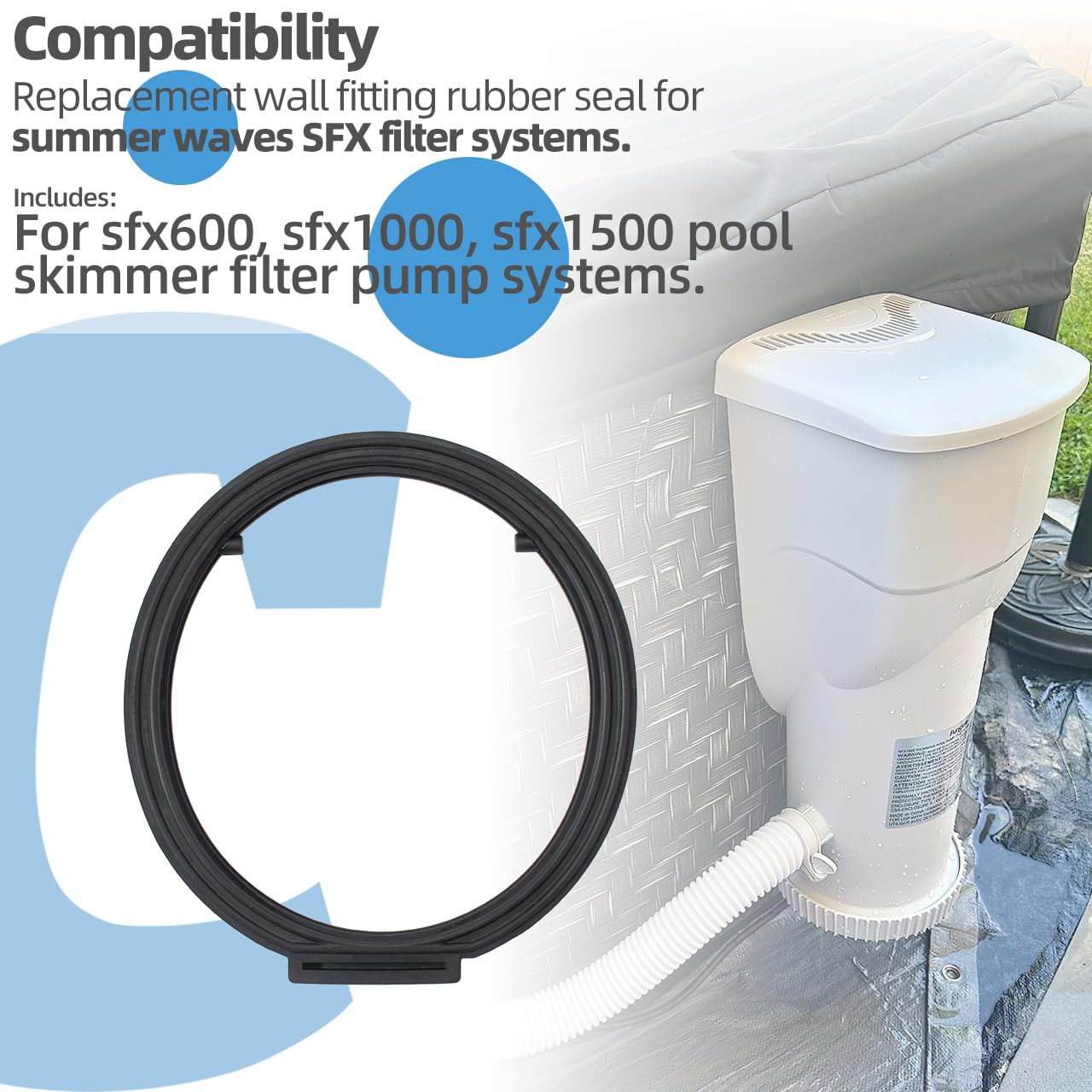
Pump Lid O-ring
This is the rubber seal under the clear lid where you access the strainer basket. If it dries out or gets dirt, water can leak out when the pump is running. Sometimes, people overtighten the lid, making the O-ring flatten and lose its seal.
Hose Connections
The hoses that connect the pump to the pool and filter are held in place by clamps or nuts. If these are loose, or if the hose is old and brittle, leaks will form at the joint. Even a small misalignment can cause a slow drip.
Shaft Seal
This is an internal seal that prevents water from reaching the motor. If you see water dripping from beneath the motor or between the motor and pump body, the shaft seal may be damaged. This problem is less common in above-ground models but should not be ignored.
Pump Housing Cracks
Plastic housings can crack due to freezing, impact, or UV exposure. Even a hairline crack can leak under pressure. Sometimes these cracks are hard to see until water starts spraying out.
Union Fittings
Many Summer Waves pumps use union fittings for easy installation. If the O-rings inside these unions are damaged or missing, leaks will appear.
Step-by-step Fixes For Summer Waves Pool Pump Leaks
Fixing a pool pump leak does not always require a professional. With basic tools and careful work, most leaks can be repaired at home. Here’s how to tackle the most common causes:
1. Replacing A Pump Lid O-ring
- Turn off the pump and unplug it.
- Remove the lid by turning it counterclockwise.
- Take out the O-ring. Inspect for cracks, flattening, or dirt.
- Clean the groove and lid with a damp cloth.
- If the O-ring is damaged, replace it with a new one (make sure it matches your pump model).
- Lubricate the new O-ring with silicone pool lubricant (not petroleum jelly).
- Place the O-ring in the groove and reinstall the lid.
2. Fixing Leaky Hose Connections
- Loosen the hose clamp or union nut.
- Slide the hose off and inspect the end for cracks or splits.
- If the hose is damaged, cut off the bad section or replace the hose.
- Check the fitting for cracks or debris.
- Reattach the hose, making sure it’s seated fully.
- Tighten the clamp or union until snug, but don’t overtighten.
3. Repairing A Shaft Seal Leak
- This repair is more advanced. If water drips from the motor, you may need to replace the shaft seal inside the pump.
- Disconnect the pump and remove it from the pool system.
- Open the pump housing to access the impeller.
- Remove the impeller (may require a special tool).
- Take out the old shaft seal and replace it with a new one (get the correct size for your pump).
- Reassemble the pump and check for leaks.
Tip: If you’re not comfortable opening the pump, consider calling a pool technician.
4. Sealing Cracked Pump Housing
- For small cracks, epoxy putty or pool sealant can work as a temporary fix.
- Clean and dry the area completely.
- Apply the epoxy or sealant following the instructions.
- Allow it to cure fully before running the pump.
- For major cracks, replace the pump housing.
5. Fixing Leaks At Union Fittings
- Unscrew the union and check the O-ring.
- Replace the O-ring if it’s brittle or missing.
- Lubricate the new O-ring.
- Re-tighten the union, making sure it’s aligned correctly.
Credit: www.amazon.com
When To Repair Vs. When To Replace
It’s tempting to try and fix every leak, but sometimes replacement is the smarter choice. Here’s a quick comparison to help you decide:
| Situation | Repair | Replace |
|---|---|---|
| O-ring or hose leaks | ✔️ | ❌ |
| Small housing crack | ✔️ (temporary) | ✔️ (if large or spreading) |
| Shaft seal leak | ✔️ (if parts available) | ✔️ (if pump is old or motor is wet) |
| Multiple leaks, old pump | ❌ | ✔️ |
Insight: Many people keep patching old pumps and spend more on repairs than a new unit would cost. If your pump is over 5 years old and leaking in several places, replacement often makes sense.
Preventing Future Leaks
Prevention is easier and cheaper than repair. A few simple habits can add years to your Summer Waves pump’s life.
Regular Maintenance
- Check all O-rings and seals every month.
- Lubricate O-rings with pool-safe silicone grease.
- Inspect hoses for cracks and replace when stiff or brittle.
- Tighten hose clamps and unions as needed.
Protect From Sun And Weather
- Place the pump in a shaded area to reduce UV damage.
- In cold climates, disconnect and store the pump indoors for winter.
- Use a pump cover when not in use.
Keep The Pump Clean
- Empty the strainer basket weekly.
- Backwash or clean the filter regularly.
- Remove debris from around the pump.
Avoid Over-tightening
- Many leaks start when people overtighten lids or clamps, crushing O-rings or cracking plastic parts.
- Make things snug, not forced.
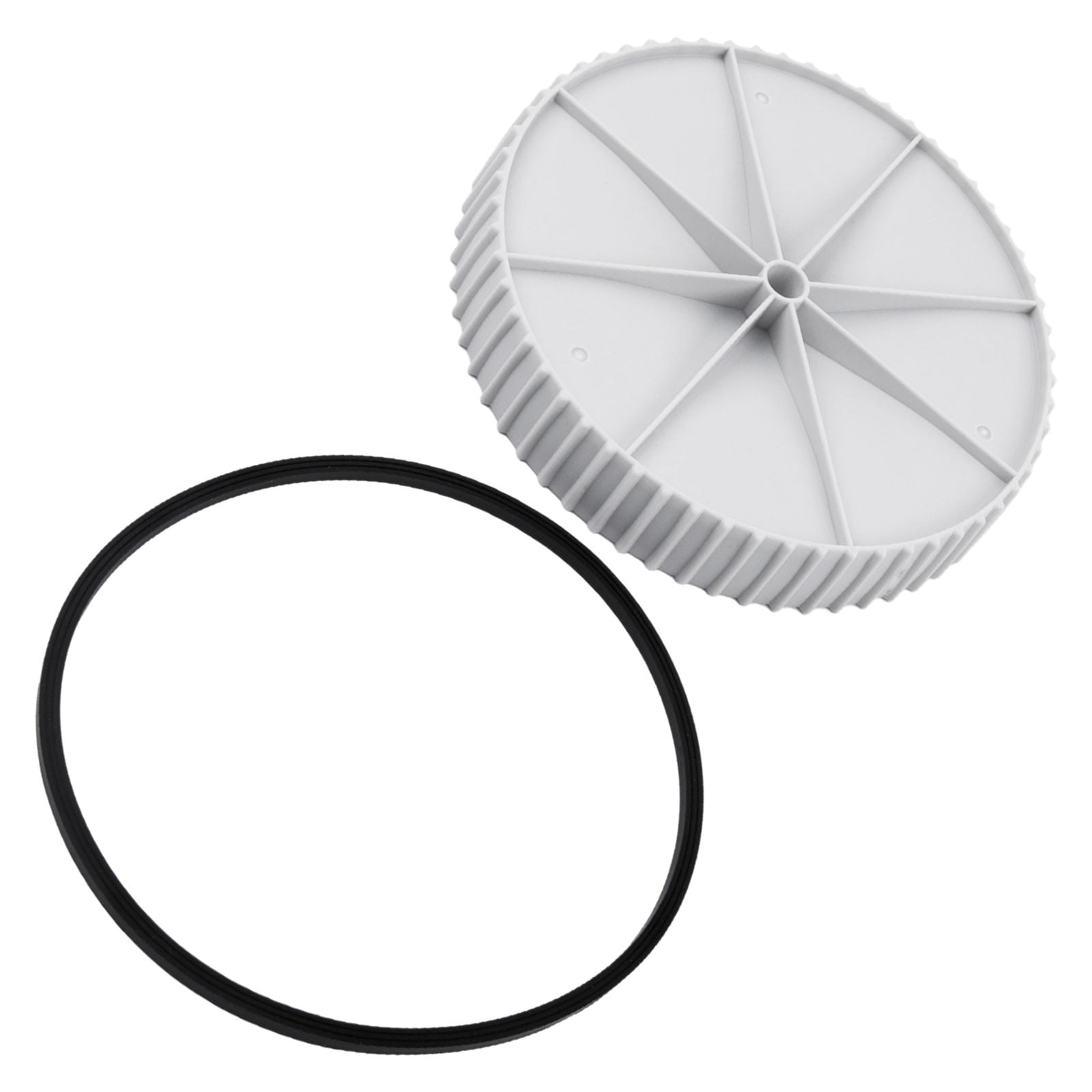
Non-obvious tip: Replace all O-rings and seals at the start of each season, even if they look fine. Rubber can harden and lose sealing power before you see cracks.
Credit: ldkor.no
Advanced Leak Detection: Tips The Pros Use
If your leak is hard to find, try these expert tricks:
Dye Testing
With the pump off, squirt a few drops of pool dye or food coloring near suspected leak points. If you see the color being drawn into a crack or seam, you’ve found the source.
Listening For Air
If the pump is sucking air (bubbles in the return), the leak may be on the suction side. This often happens at hose connections or the pump lid. Listen for a faint whistling or hissing sound.
Checking During Operation
Some leaks only appear when the pump is running at full pressure. Run the pump and watch closely, especially around the base and under the motor.
Measuring Water Loss
Mark your pool’s water level and run the pump for several hours. If the level drops more than normal evaporation, a leak is likely.
How To Choose The Right Replacement Parts
Using the wrong part can make leaks worse. Here’s how to get it right:
- Model Number: Always check your Summer Waves pump’s model number before buying parts.
- Genuine vs. Generic: Genuine parts usually fit better, but some generics work well if they match dimensions exactly.
- O-ring Size: Use a caliper or ruler to measure the old O-ring’s diameter and thickness.
- Hose Diameter: Summer Waves pumps commonly use 1.25” or 1.5” hoses—double-check before buying.
- Seal Kits: For shaft seals, get a complete kit designed for your pump model.
| Part | Genuine Part Number | Common Sizes |
|---|---|---|
| Pump Lid O-Ring | P58050600 | 5.25” diameter |
| Hose | P58100101 | 1.25”, 1.5” |
| Shaft Seal Kit | P58050700 | Varies by model |
Mistake to avoid: Guessing on part size. Even a small mismatch can cause leaks to return.
How Leaks Affect Pool Health And Costs
Ignoring a leaking pump doesn’t just waste water. It can lead to:
- Pump motor damage: Water can corrode the motor or cause short circuits.
- Poor filtration: Leaks can let air in, reducing water pressure and filtration efficiency.
- Chemical imbalance: Water loss affects chlorine and pH levels, leading to cloudy water or algae.
- Higher bills: Constantly topping off the pool raises water and chemical costs.
A typical slow leak can lose up to 50 gallons per day—over a month, that’s 1,500 gallons lost.
How To Spot Hidden Leaks Before They Get Worse
Many pool owners don’t notice leaks until there’s a puddle. Here’s how to catch them early:
- Watch for bubbles in the return jets (sign of air leaks).
- Listen for new sounds, like gurgling or whistling.
- Check for wet spots on the ground after running the pump.
- Smell for musty odors, which may mean water is collecting unseen.
Non-obvious insight: Even a small increase in pump noise or a change in water pressure can signal a developing leak. Don’t ignore subtle signs.
Real-world Example: Fixing A Leaky Summer Waves Pump
Let’s walk through a common scenario.
Maria noticed her Summer Waves pump was dripping underneath. She turned off the pump, dried the area, and ran it again. The drip appeared right under the pump lid. She removed the lid and found the O-ring was flat and dry.
After buying a new O-ring, she lubricated it and reinstalled the lid. The leak stopped immediately.
Maria’s mistake? She had been overtightening the lid for weeks, thinking it would prevent leaks. In fact, this crushed the O-ring, causing the problem.
If you’re facing a similar issue, replace the O-ring and only tighten until snug.
Safety Tips For Diy Repairs
While most pump repairs are safe, always follow these guidelines:
- Unplug the pump before opening or disconnecting anything.
- Avoid running the pump dry—it can overheat and damage the motor.
- Wear gloves when handling chemicals or sealants.
- Don’t use petroleum jelly on O-rings (it degrades rubber).
- If you see sparks, smoke, or smell burning, stop and consult a pro.
Upgrading Your Pump: Is It Time?
Sometimes, a leak is a sign that your pump is past its prime. Modern Summer Waves pumps are quieter, more efficient, and often easier to maintain. Here are some signs it might be time to upgrade:
- Frequent leaks or repairs
- Loud operation
- Poor water flow even after cleaning
- Pump is over 5–7 years old
A new pump can save money on electricity, water, and chemicals over time. For official parts and pumps, visit the Summer Waves website.
Frequently Asked Questions
What Is The Most Common Cause Of A Summer Waves Pool Pump Leaking?
The most common cause is a worn or damaged O-ring under the pump lid. Over time, this rubber ring can flatten, crack, or lose flexibility, leading to leaks when the pump runs. Regularly checking and lubricating this O-ring can prevent most leaks.
Can I Use A Generic O-ring Or Hose For My Pump?
Yes, but it’s important to match the size exactly. Using a generic part that’s even slightly off can cause leaks to return. Whenever possible, use genuine Summer Waves parts, especially for internal seals and O-rings.
My Pump Is Leaking From The Bottom. Is It Safe To Run?
No. If water is dripping from the bottom, especially near the motor, it could be a shaft seal leak. Running the pump in this condition can damage the motor and create a safety hazard. Turn off the pump and fix the leak before using it again.
How Often Should I Replace Pump O-rings And Seals?
For best results, replace all O-rings and seals at the start of each pool season. Even if they look fine, rubber parts degrade over time and can lose their ability to seal properly.
What Should I Do If My Pump Housing Is Cracked?
Small cracks can be sealed with epoxy or pool putty as a temporary fix, but for large or spreading cracks, the housing should be replaced. Running a pump with a cracked housing can lead to more leaks and possible pump failure.
A leaking Summer Waves pool pump is a problem you can solve with the right approach. By understanding the causes, acting quickly, and using the right parts, you’ll keep your pool running smoothly all season. Don’t let a small leak become a big headache—stay proactive and enjoy your summer swims with confidence.