
A pool is often the heart of a home during warm weather. But what happens when your Jandy pump refuses to turn on? Frustration can build quickly, especially if you don’t know where to start or how to fix the issue. Pool pumps are not just machines—they’re guardians of your water’s cleanliness and clarity. When a Jandy pump fails, it can mean hours of lost enjoyment and possibly expensive repairs if not handled properly.
For pool owners, especially those new to pool maintenance, a pump that won’t start can feel overwhelming. This guide breaks down everything you need to know, from the most common causes to advanced troubleshooting steps. You’ll learn how to diagnose the problem, fix it, and prevent future issues.
Along the way, you’ll discover practical tips, real-world examples, and expert insights that even experienced pool owners sometimes overlook.
If you want your pool running smoothly again, or you’re simply curious about how your Jandy pump works, read on. You’ll find solutions that suit both beginners and those with some technical experience.
Understanding Your Jandy Pump
Before diving into troubleshooting, it’s helpful to understand what your Jandy pool pump does. The pump is the heart of your pool’s circulation system. It draws water from the pool, pushes it through filters and heaters, and returns it clean and clear.
There are different models of Jandy pumps, including single-speed, two-speed, and variable-speed versions. Each type may have unique features, but the core operation remains the same—moving water efficiently and reliably.
A Jandy pump usually consists of these main parts:
- Electric motor
- Pump housing
- Impeller
- Strainer basket
- Electrical wiring and control panel
Knowing these parts helps you follow the troubleshooting steps more easily. But remember, safety always comes first. If you’re unsure, it’s best to call a professional.
Common Reasons A Jandy Pump Won’t Turn On
When your Jandy pump is silent, the cause is often straightforward. Here are the most frequent issues pool owners face:
- Power supply problems
- Tripped circuit breaker or blown fuse
- Faulty timer or automation system
- Damaged wiring or loose connections
- Defective motor or capacitor
- Clogged impeller or basket
- Overheating
- Water damage
- Stuck relay or switch
- User error or incorrect settings
Let’s look at each one in detail.
1. Power Supply Problems
If the pump doesn’t receive electricity, it simply can’t run. Check that all switches controlling the pump are turned on. Sometimes, the GFCI outlet (the one with a test/reset button) might have tripped during a storm or power surge.
Example: You turn on your pool pump after a thunderstorm, but nothing happens. The GFCI outlet near the pool is off. Pressing the reset button restores power.
2. Tripped Circuit Breaker Or Blown Fuse
The pump draws a fair amount of power. If there’s a short circuit, the breaker will trip to protect your equipment.
Tip: Check your home’s electrical panel. If the breaker linked to your pool pump is off, flip it back on. If it trips again immediately, there’s a deeper problem—possibly a short or a bad motor.
3. Faulty Timer Or Automation System
Many pools use timers or automation panels (like Jandy AquaLink) to control when the pump runs. If these devices malfunction, the pump may never receive the signal to start.
Non-obvious insight: Sometimes, a timer battery fails, causing the schedule to reset. Always check the timer settings and battery before assuming a bigger problem.
4. Damaged Wiring Or Loose Connections
Wiring can degrade due to weather, pests, or age. A loose wire or corroded terminal can interrupt the flow of electricity.
Practical example: If you notice the pump turns on when you jiggle the wires but shuts off again, this points to a connection problem.
5. Defective Motor Or Capacitor
The motor powers the pump. If the internal parts, like the start capacitor, go bad, the motor won’t start. You may hear a humming sound but see no movement.
Expert tip: A faulty capacitor is cheap to replace but easy to overlook. Don’t assume the entire motor is dead without testing the capacitor.
6. Clogged Impeller Or Basket
If the impeller is jammed by debris, the motor can’t spin. The pump may shut off to protect itself or fail to start.
Real-world insight: Even small twigs or pebbles can jam the impeller. Regularly clean the basket and check for blockages.
7. Overheating
Motors have thermal protection. If they get too hot, they’ll shut down until they cool off. This can happen if the pump runs dry, is overworked, or the area has poor ventilation.
8. Water Damage
Pool pumps are made for wet environments but not for floods. Rainwater, leaks, or splashes can damage the motor or electrical parts.
Practical advice: If you see rust or moisture inside the pump housing, turn off power before investigating further.
9. Stuck Relay Or Switch
Mechanical relays or switches control the flow of electricity. If they stick or fail, the pump won’t activate.
10. User Error Or Incorrect Settings
Sometimes, the issue is as simple as a switched-off pump, a wrong timer setting, or a forgotten safety lock.
Beginner’s mistake: Not realizing the automation system is set to “off” or “vacation mode,” preventing the pump from starting.
Step-by-step Troubleshooting Guide
Getting your Jandy pump running again requires a methodical approach. Here’s how to troubleshoot, starting with the simplest checks.
Step 1: Confirm Power Supply
- Ensure the pool pump’s power switch is ON.
- Check any outdoor outlets the pump uses. Press the reset button on GFCI outlets.
- Test the outlet with another device (like a lamp) to verify it works.
Step 2: Inspect The Circuit Breaker
- Go to the main electrical panel.
- Find the breaker labeled for your pool or pump.
- If tripped, turn it off, wait a few seconds, then turn it back on.
- If it trips again, stop and call an electrician or pool technician.
Step 3: Examine Timers And Automation
- Check that the timer is set to the correct time and mode.
- Replace batteries if your timer uses them.
- On automation systems, ensure the pump is scheduled to run.
- Try switching the pump to manual mode.
Step 4: Look For Loose Or Damaged Wiring
- Turn off power before checking wires.
- Inspect for frayed, burnt, or disconnected wires.
- Tighten any loose connections.
Warning: If you’re not comfortable working with electricity, call a professional.
Step 5: Listen For Sounds
- If the pump hums but doesn’t start, the motor or capacitor may be faulty.
- Silence often means no power is reaching the motor.
Step 6: Check The Pump Basket And Impeller
- Turn off the pump.
- Open the pump lid.
- Remove and clean the basket.
- Use a small tool to gently turn the impeller. If stuck, clear the blockage.
Step 7: Investigate Overheating
- Feel the pump housing. If very hot, let it cool for at least 30 minutes.
- Check that the pump is not running dry. Ensure water flows into the strainer basket.
- Make sure the pump is in a shaded, ventilated spot.
Step 8: Look For Signs Of Water Damage
- Open the motor cover (if accessible).
- Inspect for water, rust, or corrosion.
- Dry the area completely before restoring power.
Step 9: Test The Motor Capacitor
If the pump hums but doesn’t start, the capacitor is a likely culprit.
- Discharge the capacitor safely.
- Remove and test with a multimeter.
- Replace if the reading is outside the normal range (usually marked on the capacitor).
Step 10: Reset Or Replace Relays And Switches
- On older systems, relays can stick.
- Tap the relay gently or reset it if possible.
Step 11: Double-check User Settings
- Review timer, automation, and manual switches.
- Make sure the pool service mode is off.
Step 12: Call For Help
If all else fails, contact a pool professional or electrician. Some issues, like internal motor failure, require advanced tools and skills.
When To Repair Vs. Replace Your Jandy Pump
Not every pump problem means you need a new unit. Here’s a guide to help you decide.
| Problem | Repair | Replace |
|---|---|---|
| Tripped breaker | ✔️ | |
| Bad capacitor | ✔️ | |
| Clogged impeller | ✔️ | |
| Motor won’t start (after 10+ years) | ✔️ | |
| Severe water damage | ✔️ | |
| Burned wiring | ✔️ | |
| Repeated failures | ✔️ |
Non-obvious insight: If your pump is over 10 years old, or repairs cost more than 50% of a new pump, replacement often makes more sense in the long run.
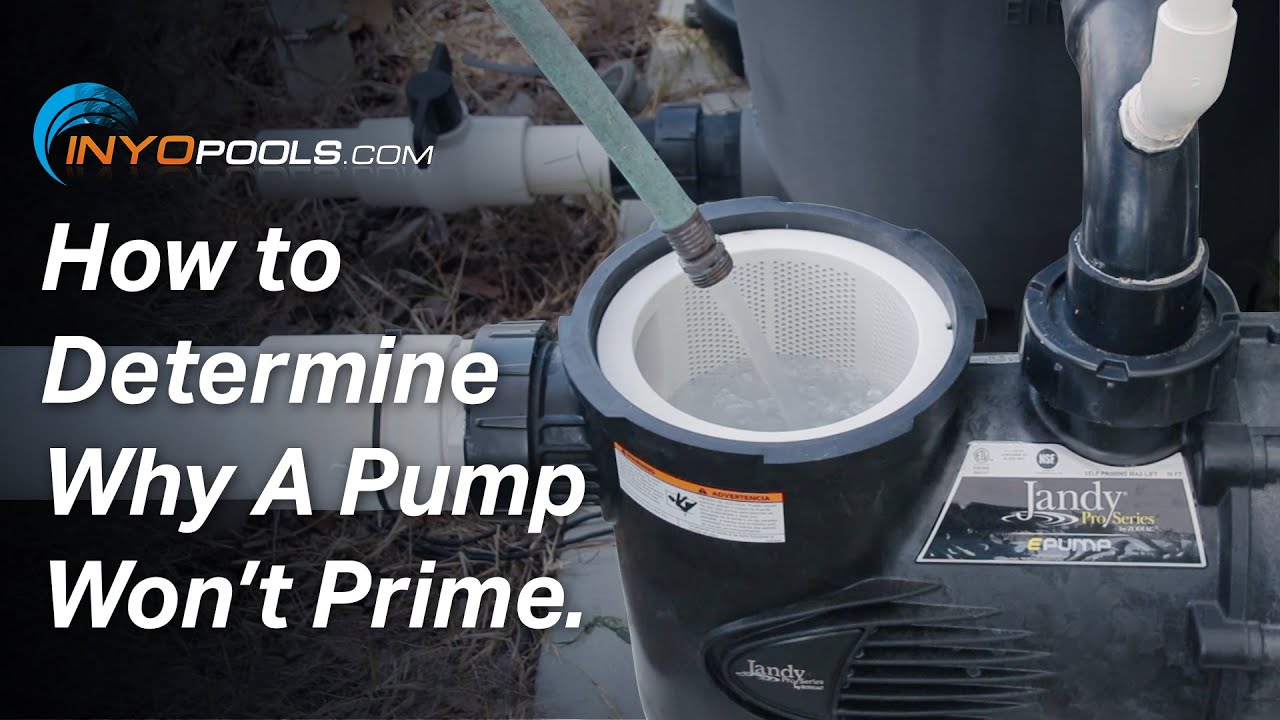
Credit: www.youtube.com
Preventing Future Jandy Pump Failures
Prevention is better than cure. Here’s how to keep your pump running smoothly for years.
Regular Maintenance
- Clean the pump basket weekly.
- Inspect for debris around the pump area.
- Check wiring for wear or signs of animals chewing cables.
Schedule Professional Checkups
- Have a pool technician inspect your system yearly.
- They can spot problems like worn bearings, weak capacitors, or hidden leaks.
Protect Against Weather
- Install a pump cover or shelter.
- Ensure good drainage so the pump area doesn’t flood during heavy rain.
Watch For Warning Signs
- Listen for unusual noises.
- Check for leaks, rust, or moisture near the pump.
- Monitor energy bills for sudden jumps, which may suggest the pump is struggling.
Upgrade Old Equipment
- Older pumps are less efficient and more likely to fail.
- Consider a new variable-speed Jandy pump for better reliability and energy savings.
How Jandy Pumps Compare To Other Brands
Understanding where Jandy stands can help you make better maintenance and upgrade decisions. Here’s how Jandy compares with other popular pool pump brands:
| Feature | Jandy | Hayward | Pentair |
|---|---|---|---|
| Energy Efficiency | High | Medium-High | High |
| Noise Level | Quiet | Medium | Quiet |
| Ease of Service | Easy | Medium | Easy |
| Automation Integration | Excellent | Good | Good |
| Average Lifespan | 8–12 years | 7–11 years | 9–13 years |
Expert advice: Jandy pumps are especially known for their quiet operation and seamless integration with smart pool automation systems.
Credit: www.inyopools.com
Real-world Troubleshooting Examples
It’s useful to see how these problems play out in real situations.
Example 1: The Silent Pump
A pool owner finds their Jandy pump is completely dead. There’s no hum, click, or vibration. The cause? A tripped GFCI outlet hidden behind a nearby bush. Resetting the outlet brings the pump back to life.
Example 2: The Humming Motor
Another owner hears a loud hum but the pump doesn’t spin. After removing the pump cover, they find the start capacitor is swollen. Replacing it restores normal operation.
Example 3: The Timer Mishap
A family returns from vacation to a green pool. The Jandy pump hasn’t run for days. The timer battery died, resetting the schedule. Installing a new battery and reprogramming the timer fixes the problem.
Non-obvious insight: Many pool automation and timer systems need battery replacements every 1–2 years—don’t wait for a failure.
Signs That Point To A Specific Failure
Sometimes, the way the pump behaves gives clues to the root problem.
Pump Is Completely Silent
- Most likely power or wiring issue.
Pump Hums But Doesn’t Start
- Likely a bad capacitor, jammed impeller, or failed motor.
Pump Starts Then Shuts Off Quickly
- Could be overheating, blocked impeller, or faulty thermal switch.
Pump Runs At Odd Times Or Not At All
- Check timer and automation settings.
Visible Water Or Rust In The Motor
- Water damage. Immediate action required.
How To Test A Jandy Pump Capacitor
The motor capacitor is a common failure point. Here’s how to test and replace it.
- Turn off all power to the pump.
- Remove the motor end cover.
- Locate the capacitor (usually a small cylinder).
- Discharge the capacitor—use a screwdriver with an insulated handle to bridge the terminals.
- Remove the wires from the capacitor.
- Use a multimeter set to capacitance mode.
- Compare the reading to the value marked on the capacitor (e.g., 30uF ±6%).
- If the reading is outside this range, replace with a matching part.
Tip: Capacitors are inexpensive and easy to swap, but always use the correct type.
Essential Tools For Diagnosing A Jandy Pump
Having the right tools makes troubleshooting safer and faster.
- Multimeter: For checking voltage and testing capacitors.
- Screwdrivers: To open the pump cover and access wiring.
- Pliers: For removing stubborn parts.
- Flashlight: For inspecting inside the pump housing.
- Pump lid wrench: For removing tight lids.
Non-obvious insight: A handheld voltage tester is very useful for quickly checking if outlets and wires are live.
Jandy Pump Error Codes (for Digital Models)
Some modern Jandy pumps display error codes on their control panel. Here’s what common codes mean:
| Error Code | Meaning | Action |
|---|---|---|
| Er1 | Low voltage | Check wiring and power source |
| Er2 | Overheating | Allow to cool, check airflow |
| Er3 | Motor stall | Inspect impeller, test capacitor |
| Er4 | Communication loss | Reset controller, check cables |
Consult your Jandy manual for a full list of codes.
The Cost Of Repairing Vs. Replacing A Jandy Pump
Understanding costs helps with planning and decision-making.
- Capacitor replacement: $20–$50 (DIY), $100–$200 (pro)
- Wiring repair: $50–$200
- New motor: $250–$500
- Full pump replacement: $600–$1,500
Expert guidance: If your pump is out of warranty and approaching 10 years, a new, efficient model may save money on electricity and future repairs.
Where To Find Official Help
Always use trusted sources for manuals, parts, and technical support. The official Jandy website offers manuals, troubleshooting guides, and contact information for certified repair services. For more information, visit the Jandy Support Center.
Frequently Asked Questions
Why Does My Jandy Pump Keep Tripping The Breaker?
A breaker that trips often means there’s a short circuit, overloaded motor, or water inside the wiring. Check for damaged wires, test the pump without the load, and inspect for moisture. If unsure, call a qualified technician.
My Jandy Pump Hums But Won’t Start. What’s Wrong?
A humming sound usually means the motor capacitor is bad or the impeller is jammed. Turn off power, check for debris, and test or replace the capacitor as needed.
How Often Should I Clean My Jandy Pump Basket?
Clean the basket at least once a week during heavy pool use. More frequent cleaning is needed if you have lots of trees or debris near the pool.
Can I Run My Jandy Pump Without Water?
Never run your pump dry. Doing so will overheat and damage the motor and seals. Always ensure water flows into the strainer basket before starting.
Is It Better To Repair Or Replace An Old Jandy Pump?
If your pump is over 10 years old, has repeated failures, or repair costs are high, replacement is often the smarter choice. New pumps offer better energy savings and reliability.
A silent Jandy pump doesn’t have to mean the end of your swim season. With the right approach—starting from basic checks and moving to advanced troubleshooting—you can solve most issues yourself. Regular maintenance is the key to a long-lasting pump.
When in doubt, don’t hesitate to call in a professional. A healthy pool pump means a clean, inviting pool for years to come.

Credit: www.reddit.com