
Many modern kitchens now have a new star: the air fry microwave. This appliance has quickly gained popularity because it combines the speed of a microwave with the crisping power of an air fryer. People love it for making meals fast, crispy, and delicious, all in one device. But if you just bought one or are thinking about it, you might wonder: how do you use an air fry microwave correctly? What can you cook in it, and how do you get the best results without wasting food or energy?
This guide is here to help. You’ll learn what makes an air fry microwave different, how to set it up, and how to use its features safely. You’ll get step-by-step instructions, cooking tips, and answers to common problems. By the end, you’ll feel confident using your air fry microwave for daily meals, snacks, and even special treats.
What Is An Air Fry Microwave?
An air fry microwave is a combination appliance. It offers the classic microwave function plus a built-in air fryer. This means you can reheat leftovers, cook frozen meals, and make crispy snacks—all in one device.
Unlike regular microwaves, air fry microwaves have a special fan and heating element. The fan circulates hot air around your food, similar to a convection oven. This makes food crispy outside and moist inside, with little or no oil.
Here’s how the two main modes work:
- Microwave Mode: Uses microwaves to heat food quickly from the inside.
- Air Fry Mode: Uses a heating element and fan to blow hot air, browning and crisping the outside of food.
Some models also include grilling, baking, and convection oven features, making them very versatile.
Benefits Of Air Fry Microwaves
- Space-saving: You get two appliances in one.
- Healthier cooking: Air frying uses less oil than deep frying.
- Faster meals: Microwave mode speeds up cooking.
- Versatility: From popcorn to French fries to grilled chicken, you can make many dishes.
Many people use their air fry microwave daily, replacing toaster ovens or regular air fryers.
Getting Started: Unboxing And Setup
Before you cook anything, set up your air fry microwave properly. This ensures safety and better results.
Step 1: Find A Good Location
Place your air fry microwave on a flat, stable surface. Leave space (at least 4 inches) around the sides and back for air circulation. Do not block the vents. Avoid placing it near a sink or stove.
Step 2: Remove All Packaging
Take out all tape, plastic, and protective pieces from inside and outside the appliance. Remove any racks, trays, or accessories. Wash these with warm, soapy water and dry well.
Step 3: Plug It In
Plug your air fry microwave into a grounded outlet. Do not use extension cords—they can cause power issues or even fires.
Step 4: Read The Manual
Every model is a little different. Check your user manual for special instructions. Some models need a “pre-burn” cycle (running empty for a few minutes) to remove factory smells.
Step 5: Test The Functions
Try the microwave mode with a cup of water. Then test the air fry mode with a slice of bread. This helps you learn the controls and check for problems.
Air Fry Microwave Features And Accessories
Most air fry microwaves come with several features and accessories. Knowing them will help you cook better.
Common Features
- Preset Programs: For pizza, popcorn, chicken, fries, and more.
- Temperature Controls: For air fry and convection modes.
- Timer Settings: To set how long your food cooks.
- Power Levels: For different microwave strengths.
- Combination Modes: Use microwave and air fry together for faster, crispier results.
Common Accessories
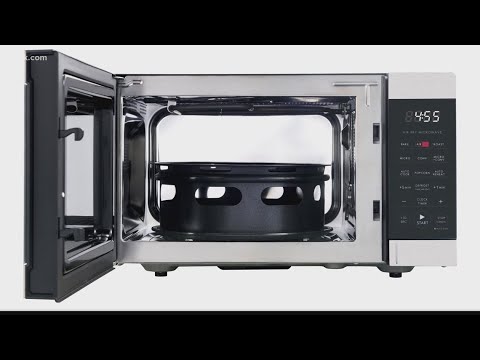
- Air Fry Basket: A metal basket with holes for crisping.
- Crisper Tray: A flat, nonstick tray for pizza and snacks.
- Wire Rack: For grilling or baking.
- Turntable: Rotates food for even heating.
Check which accessories came with your model and how to use each one. Not all parts are safe for every mode—metal racks are not for microwave mode!
How To Use The Microwave Mode
The microwave mode is great for reheating, defrosting, and fast cooking.
Steps For Using Microwave Mode
- Place Food in a Microwave-Safe Container: Use glass, ceramic, or microwave-safe plastic. Never use metal!
- Set Power Level: Most foods heat well at 70–100% power, but delicate foods (like fish or eggs) need lower settings.
- Set Cooking Time: Start with less time. You can always add more.
- Cover Food: To prevent splatter and keep moisture, cover food with a microwave-safe lid or wrap.
- Press Start: Watch your food. Stir or rotate if needed halfway through for even heating.
- Let Stand: After cooking, let food rest for 1–2 minutes. The heat will finish cooking.
Example: Reheating Pizza
- Place pizza on a microwave-safe plate.
- Cover with a damp paper towel.
- Set microwave to 70% power for 30 seconds.
- Check and add more time if needed.
Microwave Mode Tips
- Do not run the microwave empty.
- Cut large foods into smaller pieces for even heating.
- Stir or rotate food during cooking for best results.
How To Use Air Fry Mode
The air fry mode is what makes this appliance special. You can make crispy fries, chicken wings, and more—using little or no oil.
Steps For Air Frying
- Preheat (If Needed): Some models need a preheat. Press the Air Fry button and set the temperature (often 350–400°F or 180–200°C). Wait 3–5 minutes.
- Prepare Food: Pat food dry. Lightly coat with oil if you want extra crisp.
- Place Food in Air Fry Basket or Tray: Do not overcrowd. Leave space for air to move.
- Insert Basket/Tray: Use the correct rack or position (check the manual).
- Set Time and Temperature: Use preset or set manually. Most air-fried foods take 10–25 minutes.
- Shake or Flip: Halfway through, open the door and shake or flip food for even browning.
- Check for Doneness: Food should be golden and crisp. Add extra time if needed.
Example: Air Frying Frozen French Fries
- Preheat to 400°F (200°C) for 3 minutes.
- Add fries to the air fry basket (do not pile high).
- Air fry for 12–15 minutes, shaking halfway.
- Fries should be golden and crispy.
Air Fry Mode Tips
- Do not use parchment paper in air fry mode unless your manual says it’s safe.
- Use a little oil spray for extra crunch.
- Wash basket and tray after each use to prevent smoke.
How To Use Combination Modes
Many air fry microwaves offer combination cooking. This means the microwave and air fry (or convection) work together.
Why Use Combination Modes?
- Faster cooking for thick foods (like chicken legs).
- Crispy outside, juicy inside.
- Best for foods that need both speed and browning.
Steps For Combination Cooking
- Choose the Combo Mode: Look for “Combi” or similar on the control panel.
- Set Food and Accessories: Use the air fry basket or crisper tray.
- Set Time and Temperature: Use manual settings or a preset.
- Start Cooking: The microwave and air fry will cycle automatically.
- Check Food: Always check for doneness, as combo cooking can be faster.
Example: Cooking Chicken Drumsticks
- Pat dry and season drumsticks.
- Place on air fry rack.
- Use combo mode at 400°F (200°C) for 18 minutes.
- Flip halfway through.
- Check that chicken is 165°F (74°C) inside.
Combination Cooking Tips
- Always use accessories as recommended for combo modes.
- Watch food closely the first time you try a recipe.
- Let food rest for 2–3 minutes after cooking.
Cooking Different Foods In An Air Fry Microwave
The real fun is in what you can cook. Here are some popular foods and how to make them in your air fry microwave.
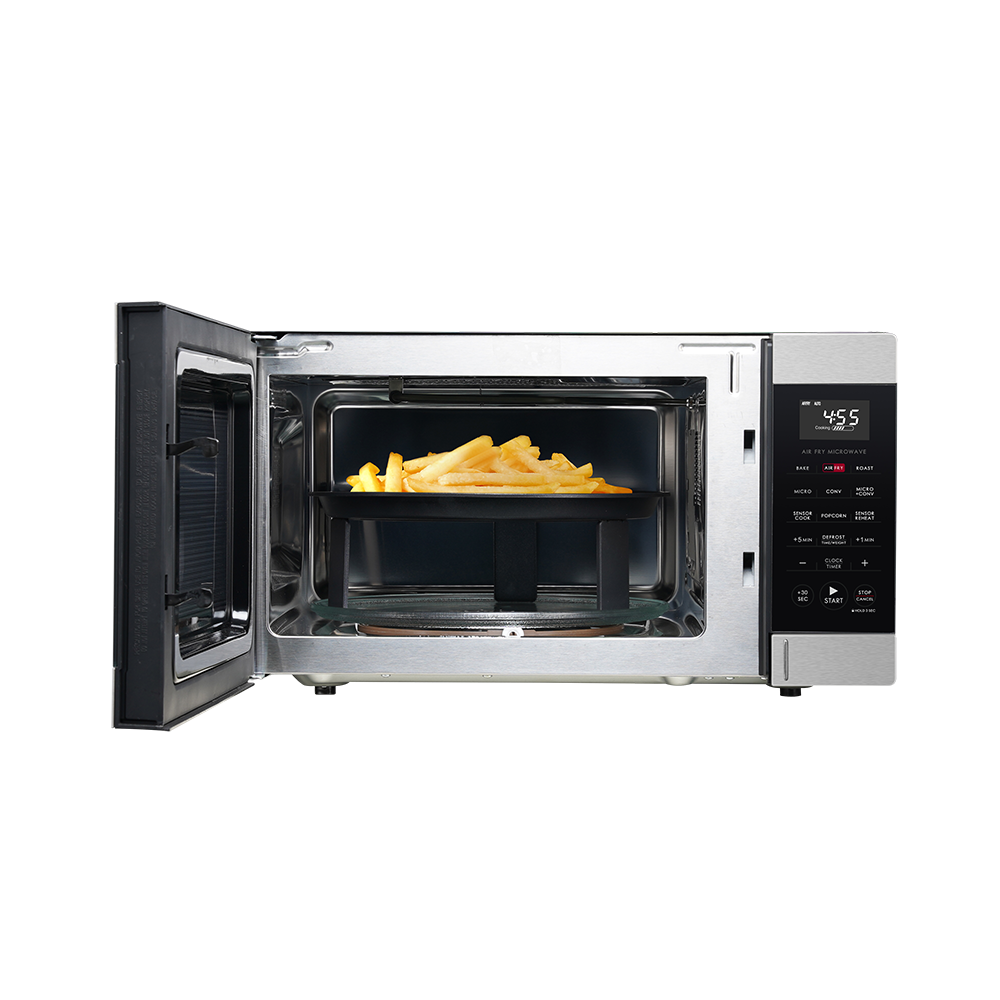
1. French Fries
- Use fresh or frozen fries.
- Air fry at 400°F (200°C) for 12–18 minutes.
- Shake or turn halfway through.
- Spray with oil for extra crisp.
2. Chicken Wings
- Pat wings dry, season, and place in basket.
- Air fry at 390°F (200°C) for 18–22 minutes.
- Flip halfway.
- Test doneness before serving.
3. Pizza
- Use the crisper tray.
- Air fry at 400°F (200°C) for 6–8 minutes for frozen pizza.
- For fresh dough, use combo mode for a soft base and crispy top.
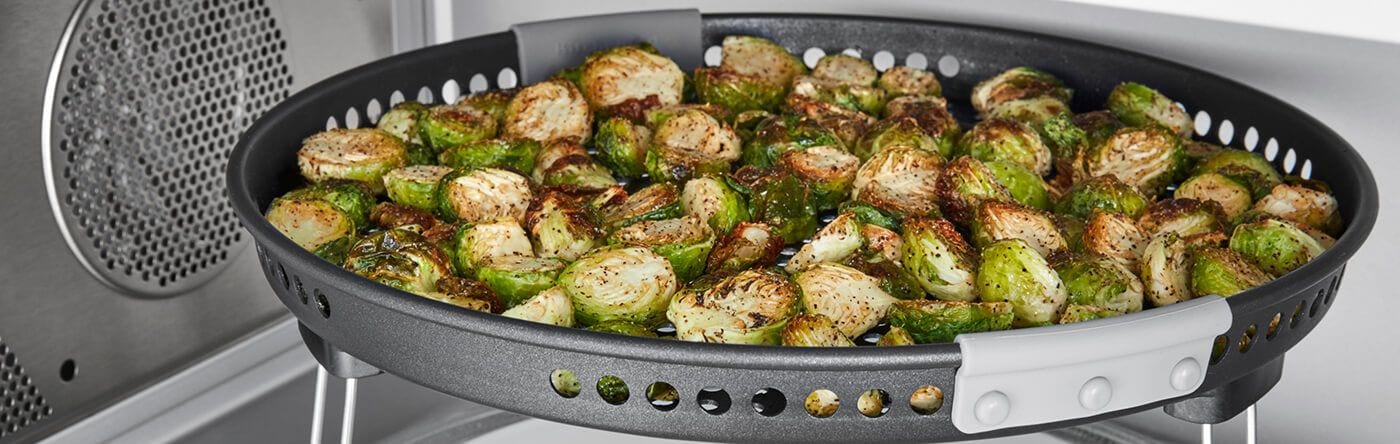
4. Vegetables
- Cut veggies evenly.
- Toss with a little oil and seasoning.
- Air fry at 370°F (190°C) for 10–15 minutes.
- Shake basket every 5 minutes.
5. Fish Fillets
- Pat dry, add light breading if desired.
- Place on crisper tray.
- Air fry at 400°F (200°C) for 10–12 minutes.
- Check for flaky texture.
6. Frozen Snacks
- Nuggets, mozzarella sticks, or spring rolls.
- Air fry at 400°F (200°C) for 7–10 minutes.
- No need to thaw.
7. Reheating Leftovers
- Use microwave mode for moist foods (rice, pasta).
- Use air fry or combo for pizza, fried foods, or baked goods to revive crispiness.
8. Baking
- Bake cookies, muffins, or small cakes in convection or air fry mode.
- Use oven-safe pans.
- Check frequently as bake times are shorter.
9. Grilling
- Use the grill rack if included.
- Great for sandwiches, steaks, or vegetables.
- Preheat grill for 3 minutes, then cook as directed.
Practical Cooking Times And Temperatures
Here’s a quick reference for common foods:
| Food | Air Fry Temp | Time (min) | Notes |
|---|---|---|---|
| French Fries | 400°F (200°C) | 12–18 | Shake halfway |
| Chicken Wings | 390°F (200°C) | 18–22 | Flip halfway |
| Pizza (frozen) | 400°F (200°C) | 6–8 | Use crisper tray |
| Vegetables | 370°F (190°C) | 10–15 | Stir or shake |
| Fish Fillets | 400°F (200°C) | 10–12 | Check for flakiness |
Always check your manual for more specific times. Different models and food sizes can need small adjustments.
Cleaning And Maintenance
Proper cleaning keeps your air fry microwave working well and prevents smells or smoke.
After Each Use
- Unplug the appliance before cleaning.
- Let it cool fully.
- Remove the basket, tray, or rack and wash with warm, soapy water.
- Wipe the inside with a damp cloth. For tough spots, use a little baking soda and water.
- Dry all parts before reassembling.
Weekly Or Monthly
- Check the turntable, fan, and heating element for crumbs or grease.
- Clean the door seal and control panel with a soft cloth.
- Never spray water directly inside the microwave.
Deep Cleaning Tips
- For lingering smells, microwave a bowl of water with lemon for 2–3 minutes.
- Remove any burnt-on bits with a plastic spatula—never use metal.
- Clean grease filters if your model has them.
Neglecting cleaning is a common mistake. Buildup can cause smoke, bad smells, and even damage.
Safety Tips When Using An Air Fry Microwave
Safety is very important with any kitchen appliance. Follow these tips for worry-free cooking.
- Never use metal in microwave mode. Metal can cause sparks or fires.
- Check accessories before switching modes. Not all racks or trays are safe for both microwave and air fry.
- Do not overcrowd the basket. Food needs space for hot air to move.
- Let the appliance cool before cleaning. Hot parts can burn you.
- Watch out for steam. Open the door carefully to avoid burns.
- Keep the appliance dry. Do not allow water inside the controls or vents.
- Supervise children. Kids should use the air fry microwave only with adult help.
- Check food temperature. Make sure meat is fully cooked (use a food thermometer).
Troubleshooting Common Problems
Even the best air fry microwaves can have problems. Here’s how to solve the most common issues.
Food Not Crispy
- Do not overload the basket.
- Pat food dry before air frying.
- Use a light spray of oil.
Smoke Or Smell
- Clean the basket and tray after each use.
- Remove any food bits from the heating element.
- Avoid using too much oil.
Food Not Cooking Evenly
- Shake or flip food halfway.
- Cut food into similar sizes.
- Spread food in a single layer.
Appliance Not Turning On
- Check the power outlet and plug.
- Make sure the door is fully closed.
- Reset the appliance by unplugging for 1 minute.
Error Messages
- Check the manual for code meaning.
- Sometimes, unplugging and restarting fixes the problem.
- Call customer service if the error continues.
Air Fry Microwave Vs. Other Appliances
You might wonder how an air fry microwave compares to regular microwaves, air fryers, or ovens. Here’s a quick look:
| Appliance | Speed | Crisping | Versatility |
|---|---|---|---|
| Air Fry Microwave | Very fast | Excellent | High |
| Regular Microwave | Fast | Poor | Medium |
| Air Fryer | Medium | Excellent | Medium |
| Convection Oven | Slow | Good | High |
Non-obvious insight: Air fry microwaves can replace two or three devices, saving space and electricity. Also, because they preheat so fast, you save time with every meal.
Credit: www.kitchenaid.com
Saving Energy And Time
Using an air fry microwave is not just about convenience. It can also help you save energy and reduce cooking costs.
- Faster preheating: Traditional ovens take 10–15 minutes; air fry microwaves heat in 2–3 minutes.
- Shorter cooking times: Combo modes cook food up to 30% faster.
- One device, less cleanup: Fewer pans and trays to wash.
If you cook for one or two people, you might cut your electricity use by 10–20% compared to a large oven.
Two Advanced Tips Most People Miss
- Stacking for Multi-Level Cooking: Some air fry microwaves allow you to use two racks at once. You can air fry wings on the bottom and veggies on top. Rotate trays halfway for best results.
- Using Combination Mode for Baked Goods: For muffins or cupcakes, start with microwave for 1–2 minutes, then finish with air fry. You get a moist inside and golden top—much faster than oven baking.
Most users never try these tricks, but they can unlock new meal ideas and speed.
Credit: www.youtube.com
Popular Brands And Models
Not all air fry microwaves are the same. Some brands are known for quality, features, or value. Here are a few top options:
- Panasonic HomeChef: Large capacity, many presets, highly rated for durability.
- Toshiba Air Fry Microwave: Good for small kitchens, easy controls.
- Galanz 3-in-1: Affordable, convection, air fry, and microwave in one.
- Breville Combi Wave: Premium features, quiet operation.
When shopping, check for size, features, accessories, and warranty.
Common Mistakes To Avoid
New users often make simple mistakes that can ruin meals or damage the appliance. Here’s what to avoid:
- Overcrowding the basket: This leads to soggy food.
- Using the wrong accessory: Metal racks in microwave mode can spark.
- Ignoring preheating: Some foods really need a hot basket to crisp.
- Not cleaning after greasy foods: Oil buildup can cause smoke next time.
- Cooking without checking food: Different foods and sizes need different times.
Taking a few seconds to check the manual and your food can prevent most problems.
Environmental Impact
Using a combined appliance like an air fry microwave can reduce your carbon footprint. You use less energy compared to running a large oven. Plus, air frying with little oil cuts down on waste oil and packaging from takeout.
Some advanced models have eco modes, further reducing standby power use.
Who Should Use An Air Fry Microwave?
- Small families or singles: Great for quick meals and snacks.
- Busy professionals: Faster meal prep means more free time.
- Health-conscious eaters: Air frying uses less oil but still tastes great.
- Small kitchens: Save space by combining two appliances.
For large families or frequent bakers, a regular oven might still be needed for big meals.
Experimenting With Recipes
Don’t be afraid to try new recipes. Most oven or air fryer recipes can be adapted to an air fry microwave. Just reduce the time by 10–20% and check food often.
Some users share recipes on forums or official brand websites. For inspiration, you can visit CNET’s air fry microwave guide for more recipe ideas and reviews.
Frequently Asked Questions
How Does An Air Fry Microwave Work?
An air fry microwave uses both microwave heating and a built-in fan with a heating element. The microwave part heats food quickly from the inside, while the air fry mode blows hot air over the food’s surface, making it crispy.
Can I Use Metal Trays In My Air Fry Microwave?
You can use metal trays or racks only in air fry, grill, or convection modes—not in microwave mode. Metal in microwave mode can cause sparks or fires. Always check your manual for safe accessories.
Is Food Cooked In An Air Fry Microwave Healthy?
Yes, air fry microwaves let you cook with little or no oil. This reduces fat and calories compared to deep frying. You can enjoy crispy foods like fries or chicken with less guilt.
How Do I Prevent Food From Getting Soggy?
Do not overcrowd the basket or tray. Pat foods dry before cooking and use a light oil spray if desired. Shake or flip food halfway for even browning and crispiness.
What Should I Do If My Air Fry Microwave Smells Or Smokes?
Clean the basket, tray, and inside walls after each use. Remove any burnt or stuck food. For strong smells, microwave a bowl of water with lemon slices for 2–3 minutes to freshen the appliance.
Using an air fry microwave can transform your everyday cooking. With its mix of speed, crispiness, and convenience, it’s a smart choice for many kitchens. Try new recipes, follow these tips, and soon you’ll wonder how you ever cooked without it.
Credit: www.galanz.com