
Every coffee lover knows the small pleasures of a perfect morning cup. But few people think much about the humble coffee filter—until it’s missing, damaged, or impossible to find when you need it. Storing coffee filters may sound simple, but the way you store them can affect your kitchen’s cleanliness, how fresh your coffee tastes, and even your daily routine. Whether you use paper, metal, or cloth filters, getting storage right keeps them clean, easy to reach, and lasting longer.
If you’ve ever opened a messy drawer only to find crumpled or dusty filters, or if you buy in bulk and struggle to keep them organized, this guide is for you. Here, you’ll discover not just where to put your filters, but how to store them based on their type, your kitchen space, and your lifestyle.
You’ll also learn creative ideas, common mistakes, and practical tips that even experienced coffee fans may miss. By the end, you’ll have a clear plan to keep your coffee filters in the best shape, making every cup of coffee a little easier—and tastier.
Why Coffee Filter Storage Matters
Many people don’t realize how storage conditions affect coffee filters. Paper filters absorb odors and moisture, metal filters can bend or rust, and cloth filters need airflow to stay fresh. Poor storage can lead to:
- Dust and dirt on the filter, affecting coffee taste and safety
- Moisture damage like mold or clumping, especially in humid climates
- Lost filters that waste time every morning
- Shorter filter life for reusable types
Proper storage keeps your kitchen tidy, your coffee pure, and your filters usable for longer.
Understanding Different Types Of Coffee Filters
Before choosing a storage method, it’s important to know what kind of filters you use. Each type has its own needs.
Paper Coffee Filters
The most common type, paper filters, are disposable and sensitive to moisture and odors. They come in different shapes:
- Cone-shaped: Used in pour-over brewers
- Basket-shaped: For drip machines
- Disc-shaped: For Aeropress and percolators
Paper filters should stay dry and clean. If they get wet, they stick together or grow mold.
Metal Coffee Filters
Metal filters (usually stainless steel or gold mesh) are reusable and need protection from bending or scratching. They last for years but can rust if stored wet. They’re common in French presses and some pour-over brewers.
Cloth Coffee Filters
Cloth filters (often cotton or hemp) are eco-friendly and reusable. They need to stay dry but also require some airflow to prevent musty smells. They’re popular with manual brew methods.
Key Factors When Storing Coffee Filters
The best storage method depends on several factors:
- Space available: Small kitchens need creative solutions.
- Filter quantity: Bulk packs need more space than single-use packs.
- Kitchen environment: Humidity, pets, and dust all matter.
- How often you brew: Daily drinkers need easy access.
Thinking about these factors helps you pick a method that lasts.
Popular Storage Methods For Coffee Filters
Let’s look at the most common ways to store coffee filters, with the pros and cons of each.
1. Original Packaging
Most people keep filters in their original packaging. This is simple and keeps them together. However, the packaging is often thin and tears easily, letting in moisture or dust. If you use this method, try placing the whole package in a resealable bag for extra protection.
2. Airtight Containers
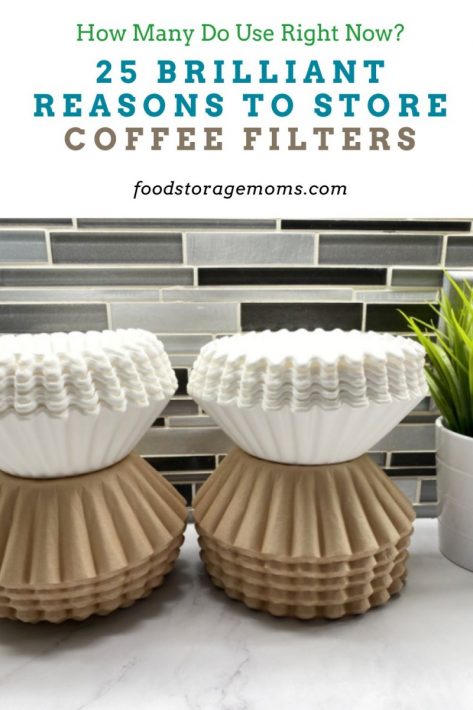
Airtight containers are one of the best ways to keep paper filters dry and odor-free. You can use plastic, glass, or metal containers that seal tightly.
Benefits:
- Blocks out moisture and smells
- Keeps filters clean and flat
Drawbacks:
- Takes up counter or cabinet space
- Not always the fastest to open if you’re in a hurry
3. Decorative Jars
Many coffee lovers use clear glass jars or canisters for an attractive look. These work well on open shelves or coffee stations. Make sure the jar has a lid to keep out kitchen grease and dust.
4. Drawer Or Cabinet Storage
Storing filters in a drawer or cabinet keeps them out of sight and away from light. You can use a small basket or tray to hold them in place.
Tip: Assign a dedicated spot, so filters don’t get crushed under other kitchen items.
5. Wall-mounted Dispensers
Wall-mounted dispensers save counter space and add a coffee shop vibe. They’re great for cone or basket filters. Just make sure the dispenser has a cover to protect from dust and splashes.
6. Hanging Baskets
Hanging baskets or mesh organizers can hang under cabinets or shelves. These are perfect for small kitchens and keep filters accessible.
7. Zip Bags Or Pouches
Resealable plastic bags or reusable pouches work well for travel or camping. They keep filters dry and organized in a backpack or suitcase.
Bonus tip: Label the bag with the filter type if you use several kinds.
Creative And Space-saving Ideas
If your kitchen is small, or you just like clever solutions, here are some creative ideas for storing coffee filters:
Magnetic Holders
Attach a magnetic holder to your refrigerator or metal shelf. Some holders are designed for coffee filters, while others are basic clips or containers. This keeps filters visible but off the counter.
Upcycled Tins Or Boxes
Old cookie tins, tea boxes, or even clean paint cans can be reused. They add personality to your coffee corner and protect filters from spills.
Vertical File Organizers
A desktop file organizer (the kind used for papers) can hold coffee filters upright in a cabinet. This prevents bending and makes it easy to grab one at a time.
Under-shelf Storage
Clip-on baskets or racks that hang under a shelf can turn wasted space into storage. These are especially good for flat disc filters.
Pull-out Drawers
Install a small pull-out drawer in your coffee station for filters, spoons, and stirrers. This keeps everything in one place and streamlines your routine.
Storing Paper Coffee Filters
Paper filters need special care because they’re sensitive to moisture, odors, and dust. Here’s how to store them properly:
Keep Them Dry
Moisture is the biggest enemy of paper filters. Even a little water can cause clumping or mold. Always store filters away from sinks, dishwashers, or kettles.
Protect From Odors
Paper absorbs smells easily. Don’t store filters near spices, onions, or cleaning products. If your kitchen is humid or has strong smells, use an airtight or thick-walled container.
Avoid Crushing
Stack filters neatly. If they get bent or crushed, they may not fit well in your coffee maker and can cause poor brewing.
Rotate Stock
If you buy in bulk, use older filters first. Place new packs at the back and move older ones forward.
Storing Metal Coffee Filters
Metal filters are durable but need care to avoid rust, dents, or loss.
Dry Completely Before Storing
After washing, let metal filters air-dry fully. Even a few drops of water can cause rust over time.
Store In A Protective Case
If your filter came with a case, use it. If not, a small container or pouch keeps it from being scratched by other utensils.
Keep Separate From Strong Odors
Metal can pick up kitchen smells, especially if it’s not stainless steel. Store away from pungent foods.
Regular Cleaning
Even in storage, check filters every few weeks for any residue or odor. Clean as needed to keep them fresh for brewing.
Storing Cloth Coffee Filters
Cloth filters need more attention than other types, but last much longer if stored well.
Dry Completely
Never store a wet or damp cloth filter. Hang it or lay it flat in a well-ventilated spot until 100% dry. Even a little moisture can cause mold or bad smells.
Use A Breathable Bag Or Container
Store cloth filters in a cotton or mesh bag that lets air flow. This prevents mustiness but protects from dust.
Dedicated Spot
Cloth filters are easy to lose. Keep them near your coffee gear, not mixed with dish towels or other linens.
Quick Rinse Before Use
Even when stored well, cloth can pick up dust. Rinse with hot water before brewing to remove any particles.

Credit: www.reddit.com
Comparing Storage Methods
To help you choose the best storage, here’s a quick comparison of popular options:
| Storage Method | Best For | Protection Level | Space Needs | Access |
|---|---|---|---|---|
| Airtight Container | Paper filters | High | Medium | Medium |
| Decorative Jar | Paper/Cloth filters | Medium | Medium | Easy |
| Wall Dispenser | Paper filters | Low-Medium | Low | Very Easy |
| Drawer/Cabinet | All types | High (if contained) | Low | Medium |
| Zip Bag/Pouch | Travel/camping | High | Very Low | Easy |
Mistakes To Avoid When Storing Coffee Filters
Even experienced coffee fans make mistakes with filter storage. Here are some common errors and how to avoid them:
Storing Near Heat Or Humidity
Never keep filters near stoves, ovens, or kettles. Heat and steam cause paper to curl and metal to rust. Even closed containers can get warm if placed above appliances.
Overstuffing The Storage
Cramming too many filters into a jar or box bends and damages them. Leave a little space so filters keep their shape.
Ignoring Expiration Dates
Paper filters don’t last forever. They can get brittle, yellow, or lose strength. Most brands have a shelf life—usually 1-2 years. Check the package and replace old filters.
Mixing Used And New Filters
Some people reuse metal or cloth filters but accidentally store them with clean paper filters. Always keep used filters separate. Even tiny residues can cause bad smells or mold.
Not Cleaning Storage Containers
If you use a jar or box, wash it regularly. Crumbs, dust, or old coffee grounds can build up, especially in busy kitchens.
Credit: www.foodstoragemoms.com
How To Store Coffee Filters For Travel
If you love coffee on the go, storing filters for travel needs extra care.
Choose Portable Containers
Small, hard-sided cases or zip bags keep filters safe in a backpack or suitcase. For long trips, bring a few extra in case some get wet.
Keep Filters Dry
Travel often means changing temperatures and humidity. Store filters in a dry compartment or add a small packet of silica gel to absorb moisture (just don’t let it touch the filters directly).
Label Your Filters
If you carry different types, label containers clearly. This avoids confusion when you need a quick brew.
Pack Only What You Need
Don’t overpack. If you’ll only make coffee twice, bring three or four filters—not a whole stack.
Storing Large Quantities Or Bulk Packs
Buying in bulk saves money, but storing hundreds of filters can be a challenge.
Use Multiple Containers
Divide a large pack into smaller containers. Keep only one container in your main kitchen, and store the rest in a cool, dry pantry.
Check For Damage
Before dividing, check for torn or damaged filters. Remove any that are yellowed, sticky, or smell musty.
Rotate Stock Regularly
Use older filters first. Mark containers with the date you opened them.
Control Humidity
Bulk packs often come in thin plastic wrap. Move them to airtight containers as soon as you open the pack.
Storing Coffee Filters In Commercial Settings
Coffee shops, offices, and hotels use hundreds of filters every week. Good storage keeps service fast and coffee tasting fresh.
Use Large Wall-mounted Dispensers
These hold hundreds of filters and make it easy for staff to grab one quickly. Always choose dispensers with dust covers.
Keep Spares In Airtight Storage
Backup packs should stay sealed in airtight bins in a dry storage room.
Assign Restocking Duties
Make sure staff know who checks and refills dispensers. Running out of filters at a busy time slows down the whole operation.
Monitor Inventory
Track how many filters you use each week. This helps avoid overstocking (which leads to old filters) or running out.
Organizing Your Coffee Station
A tidy coffee station saves time and makes morning routines smoother.
Group Related Items
Store filters, coffee, spoons, and mugs together. This cuts down on searching and spills.
Use Small Trays Or Baskets
A small tray can hold filters, sugar, and stirrers neatly on the counter.
Label Containers
Labels help guests and family know where things go, keeping your station organized.
Keep Wipeable Surfaces
Coffee stations can get messy. Choose containers and surfaces that are easy to wipe clean.
Cleaning And Maintaining Storage Containers
Clean storage means clean filters and better-tasting coffee.
Regular Cleaning Schedule
Clean jars, dispensers, and trays every 1-2 weeks. For airtight containers, wash with mild soap and let them dry fully before refilling.
Check For Mold Or Stains
Especially in humid climates, check containers for any signs of mold or stains. Replace if needed.
Don’t Forget The Lids
Lids collect dust and grease. Wipe them inside and out.
Eco-friendly Tips For Coffee Filter Storage
You can store filters in ways that protect the environment, too.
Reuse Containers
Upcycle jars, boxes, or tins instead of buying new storage items.
Choose Natural Materials
Bamboo, glass, or cotton storage is renewable and looks good.
Compost Old Paper Filters
If you find old or damaged paper filters, compost them instead of throwing away. Most plain filters are compostable.
Reduce Plastic
Avoid single-use plastic bags. Try silicone or cloth pouches for filter storage.
Examples From Real Coffee Lovers
Here are some practical storage stories from coffee drinkers:
- Anna from Seattle keeps her paper filters in a glass jar with a bamboo lid. “It looks nice on the counter and keeps them flat and clean,” she says.
- Carlos in Mexico City uses a magnetic holder on his fridge. “It saves space and I never forget where my filters are.”
- Priya in London stores her cloth filters in a mesh bag hung near her coffee maker. “They dry out and don’t smell musty.”
- Office manager James uses wall-mounted dispensers for his office’s coffee station. “It’s fast and the staff can refill without touching the filters.”
Data: Filter Storage Preferences
A survey of 1,000 coffee drinkers showed how people prefer to store their filters:
| Storage Method | % of Users |
|---|---|
| Original Packaging | 35% |
| Airtight Container | 28% |
| Decorative Jar | 15% |
| Drawer/Cabinet | 12% |
| Wall Dispenser | 6% |
| Other | 4% |
Insight: Many people still use original packaging, but airtight containers and decorative jars are growing in popularity.

Credit: us.amazon.com
Non-obvious Insights For Coffee Filter Storage
Most guides mention basic storage, but here are two practical insights you might not know:
- Use a small dehumidifier in your coffee cabinet if you live in a humid area. Even a simple silica gel pack (kept away from direct contact with filters) can prevent moisture problems.
- Dedicated filter storage saves more time than you think. On average, people spend about 2 minutes searching for coffee supplies every morning. Over a year, that adds up to more than 12 hours—time you could spend enjoying your coffee instead.
Final Thoughts On Coffee Filter Storage
Organizing and protecting your coffee filters might seem like a small detail, but it impacts the freshness of your brew, the tidiness of your kitchen, and your daily routine. By picking the right storage for your filter type and kitchen, you avoid mess, waste, and frustration.
Remember to keep filters dry, clean, and close to your coffee gear for best results.
With a little planning, your coffee station can be both beautiful and practical. Every morning, you’ll have one less thing to worry about—and one more reason to enjoy your cup.
If you want to learn more about coffee gear and storage, check out the Wikipedia guide to coffee preparation.
Frequently Asked Questions
How Long Do Paper Coffee Filters Last In Storage?
Paper filters can last for 1 to 2 years if kept dry and away from strong odors. Check the package for an expiration date, and replace any that look yellowed or brittle. Proper storage in an airtight container can extend their life.
Can I Store Coffee Filters In The Fridge Or Freezer?
It’s not recommended. The fridge or freezer is humid and can introduce unwanted smells. Paper filters may absorb moisture, causing them to clump or grow mold. Always store at room temperature in a dry spot.
How Do I Keep Cloth Coffee Filters From Getting Musty?
Make sure cloth filters are completely dry before storing. Use a breathable bag or container, and keep them in a well-ventilated area. If they develop a smell, wash with mild soap and hot water, then air dry fully before reuse.
What’s The Best Way To Store Metal Coffee Filters?
Dry metal filters completely after washing. Store them in a protective case, pouch, or dedicated spot away from strong odors and other utensils that might scratch them. Regularly check for rust or residue.
Is It Safe To Use Coffee Filters That Have Changed Color Or Smell Musty?
No, it’s best not to use filters that are yellowed, brittle, or have a musty odor. These signs mean the filters may be old, contaminated, or damaged by moisture. Using them can affect coffee taste and safety. Always use fresh, clean filters for the best results.