
If you own a swimming pool, you know how satisfying it is to see crystal clear blue water. But sometimes, you look at your pool and see a green, murky mess. You decide to use HTH Green to Blue, a popular pool chemical that promises to fix green water fast. But what happens if HTH Green to Blue is not working? It can be frustrating, especially if you expected quick results.
Many pool owners face this problem, but there are solutions. Let’s explore why HTH Green to Blue sometimes fails, what you can do to fix it, and how to prevent green water in the future. This guide explains everything in simple language, with practical steps, real examples, and expert advice that even beginners can follow.
What Is Hth Green To Blue?
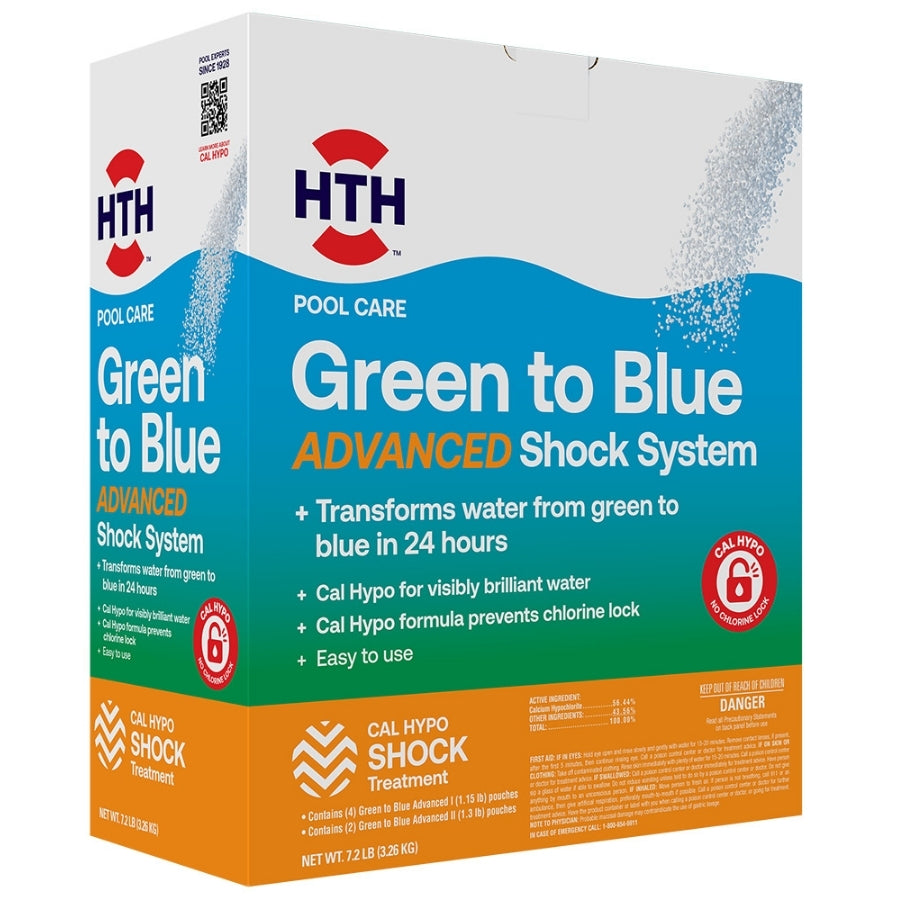
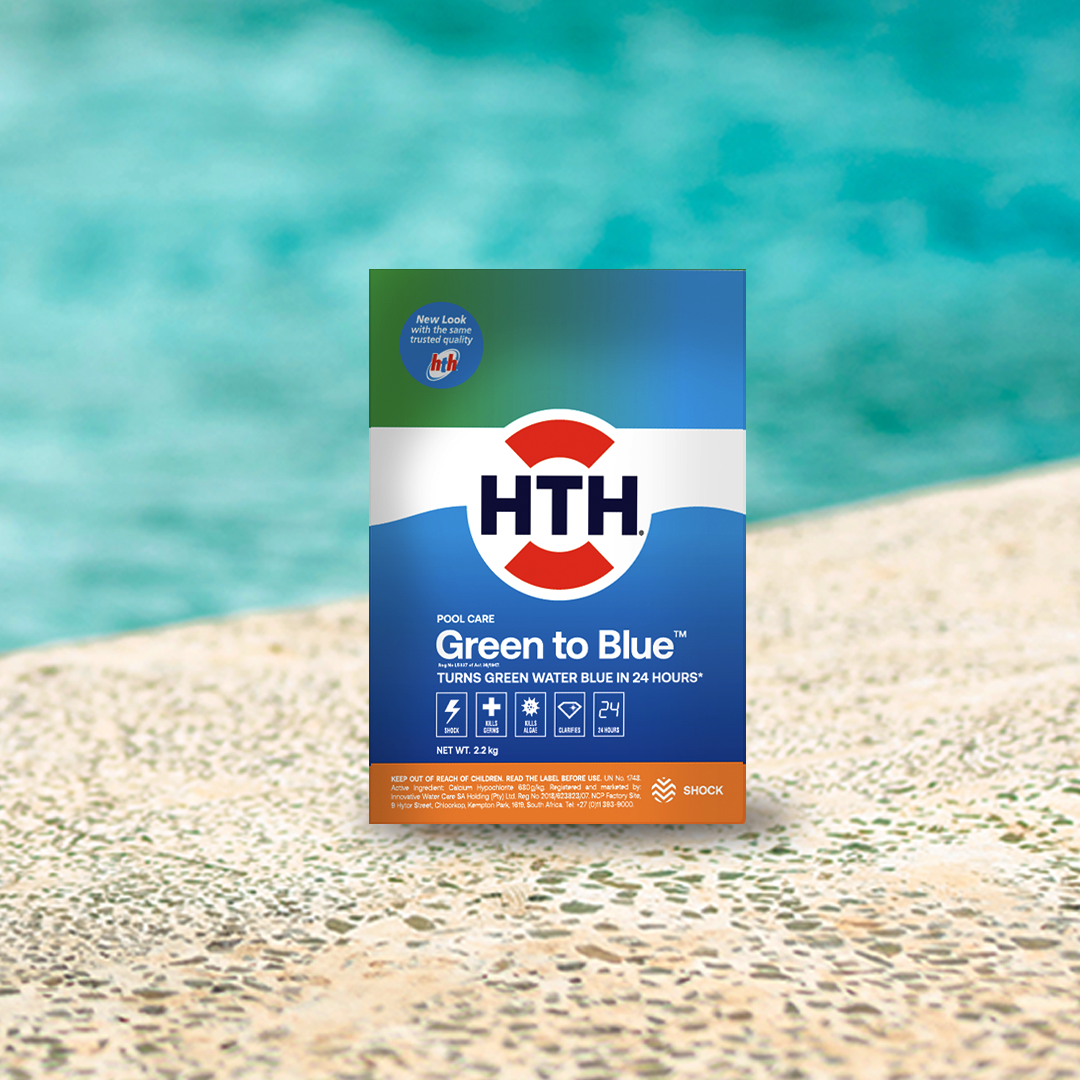
HTH Green to Blue is a pool shock treatment. Its main purpose is to clear green water caused by algae. The product works by killing algae and allowing the dead particles to settle, so you can vacuum them out. It’s known for its fast-acting formula and is especially popular among pool owners who want a quick solution before parties or after storms.
However, while many users get good results, others find that their pool stays green or turns cloudy after using it. Let’s look at why this happens and what you should know before using it.
How Does Hth Green To Blue Work?
The product contains a blend of powerful oxidizers and a flocculant. The oxidizers destroy algae and bacteria. The flocculant binds dead algae into larger clumps, which sink to the bottom. This makes it easier to vacuum out the debris.
But for this process to work, your pool’s water chemistry must be in the right range. If not, the product may not work as promised.
Common Reasons Hth Green To Blue Is Not Working
If you followed the instructions but your pool is still green, don’t panic. Several factors can prevent HTH Green to Blue from doing its job. Understanding these will help you fix the problem faster.
1. Water Chemistry Is Out Of Balance
The most common reason is unbalanced water chemistry. If your pH, alkalinity, or chlorine levels are too high or too low, the chemicals in HTH Green to Blue may not react properly.
- PH level: Should be between 7.2 and 7.6
- Alkalinity: Should be between 80 and 120 ppm
- Chlorine: Should be at least 1-3 ppm before treatment
If your pool’s pH is too high (above 7. 6), the shock will not be as effective. If it’s too low (below 7. 2), the water can become acidic and damage your pool or equipment.
2. Not Following Instructions Exactly
HTH Green to Blue has specific instructions. Missing a step or guessing the dosage can cause poor results. Some common mistakes include:
- Not brushing the pool walls before treatment
- Failing to run the pump for the correct time
- Skipping the vacuuming step after treatment
- Using the wrong amount for your pool size
3. Pool Filter Issues
A dirty or faulty filter can leave green particles and dead algae in the water. Even the best chemicals can’t clear a pool if the filter isn’t working.
- Sand filters need to be backwashed regularly.
- Cartridge filters should be cleaned and replaced as needed.
- DE filters (diatomaceous earth) require special maintenance.
4. Heavy Algae Infestation
If your pool is very green or almost black, one treatment may not be enough. Thick algae blooms need multiple shock treatments, patience, and sometimes stronger products.
5. Poor Circulation
If your pool pump is weak or not running long enough, chemicals won’t spread evenly. Dead zones can stay green while other parts clear.
6. High Levels Of Contaminants
High levels of phosphates, metals, or organic debris can reduce the effectiveness of pool shock. Leaves, pollen, sunscreen, and other debris consume chlorine and block the treatment.
7. Using Old Or Expired Chemicals
Pool chemicals lose strength over time, especially if stored in heat or humidity. Always check expiration dates and storage instructions.
8. Expecting Instant Results
HTH Green to Blue can work quickly, but sometimes it takes up to 48 hours for the water to clear completely. Impatience can lead to adding more chemicals or changing the treatment plan too soon.
Step-by-step Troubleshooting Guide
If HTH Green to Blue didn’t work, don’t add more chemicals blindly. Here’s a clear process to identify and fix the problem.
Step 1: Test Your Water
Use a reliable pool test kit or take a water sample to your local pool store. Check:
- PH
- Alkalinity
- Free and total chlorine
- Calcium hardness
- Cyanuric acid (stabilizer)
- Phosphates (if available)
Step 2: Adjust Water Balance
If any value is out of range, adjust it first. For example:
- If pH is high, add pH decreaser (muriatic acid or dry acid).
- If alkalinity is low, add baking soda.
- If chlorine is zero, add a basic chlorine shock and wait 24 hours.
Step 3: Clean The Pool
- Remove leaves, debris, and anything floating with a skimmer net.
- Brush walls and floor to loosen algae.
- Clean or backwash your filter.
Step 4: Re-apply Hth Green To Blue (if Needed)
Once the chemistry is balanced and the pool is clean, you can try the treatment again. Carefully follow the label instructions for your pool size.
Step 5: Run The Pump And Filter
Keep the pump running for at least 24 hours. Monitor the progress. If the water gets cloudy or the green starts to fade, that’s a good sign.
Step 6: Vacuum To Waste
When you see dead algae or debris on the floor, vacuum it out. If your filter has a “waste” setting, use it to avoid recirculating the cloudy water.
Step 7: Retest And Repeat If Necessary
Sometimes, you need a second treatment for severe algae. Retest the water, adjust as needed, and repeat the steps if the pool is not clear.
Common Mistakes To Avoid
- Don’t use the pool during or right after treatment.
- Don’t add extra chemicals without testing.
- Don’t skip the vacuuming step after flocculant use.
Real-life Examples And Data
Many pool owners share their experiences online. Here are a few common scenarios:
- Sarah added HTH Green to Blue after a storm but did not test her pH. Her pool stayed cloudy for three days until she adjusted her pH down from 8.0 to 7.4. After that, the pool cleared overnight.
- John used the product in his 25,000-gallon pool but guessed the amount, using only enough for 10,000 gallons. His water improved but did not turn blue until he used the correct dosage.
A survey by a leading pool care company found that over 60% of users who had poor results did not test or adjust their water chemistry first. This shows how important those steps are.
Comparing Hth Green To Blue With Other Methods
There are several ways to clear a green pool. Here’s a comparison to help you see how HTH Green to Blue stacks up.
| Method | Speed | Ease of Use | Success Rate | Cost |
|---|---|---|---|---|
| HTH Green to Blue | Fast (24-48 hours) | Easy | High (if used correctly) | Medium |
| Standard Chlorine Shock | Medium (2-3 days) | Medium | High | Low |
| Algaecide + Flocculant | Medium | Medium | Medium | Medium |
| Draining & Refilling | Slow (1-2 days) | Hard | Very High | High |
Water Balance: Key Ranges For Success
To get the best results from HTH Green to Blue or any pool shock, your water balance must be within certain ranges. Here’s a quick reference:
| Parameter | Ideal Range | Effect if Out of Range |
|---|---|---|
| pH | 7.2 – 7.6 | Poor chemical effectiveness, eye/skin irritation |
| Total Alkalinity | 80 – 120 ppm | pH swings, cloudy water |
| Free Chlorine | 1 – 3 ppm | Algae growth, bacteria risk |
| Calcium Hardness | 200 – 400 ppm | Scaling or corrosion |
| Cyanuric Acid | 30 – 50 ppm | Chlorine loss in sunlight |
Practical Tips For Better Results
If you want to avoid problems and get the most out of HTH Green to Blue, these tips can make a big difference:
- Pre-dissolve shock: If using granules, dissolve them in a bucket of water first. This helps prevent bleaching spots on pool surfaces.
- Brush before and after: Brushing loosens algae and helps chemicals contact all surfaces.
- Run filter continuously: Keep your filter running for at least 24 hours after treatment.
- Vacuum to waste: If your pool allows, vacuum dead algae to waste rather than through the filter.
- Test often: Check water balance before, during, and after treatment.
- Store chemicals properly: Keep them cool, dry, and tightly sealed.
When To Call A Professional
Some pool problems are too big for DIY fixes. Call a pool service if:
- Your pool remains green after several treatments and balancing.
- You see black or mustard algae that resists shock.
- Your filter pressure is very high or the filter is damaged.
- You suspect a chemical overdose or unsafe water conditions.
Preventing Future Green Water
Solving green water is one thing—keeping it blue is another. Here’s how to prevent future problems:
- Maintain regular water testing: Test your pool weekly for pH, chlorine, and alkalinity.
- Shock the pool regularly: Even if water looks clear, shock treatment every 1-2 weeks keeps algae away.
- Clean filter and pool surfaces: Backwash or clean filters as recommended and brush walls/floor weekly.
- Control debris: Skim leaves and organic matter daily, especially after storms.
- Check circulation: Make sure all areas of the pool get good water flow.
- Monitor phosphate levels: Algae feed on phosphates, so use a remover if levels are high.
Pro Tip: Don’t Ignore Small Changes
If your water gets slightly cloudy or loses its sparkle, act early. Small problems are easier and cheaper to fix.
Hth Green To Blue: Product Facts And Myths
Many people believe HTH Green to Blue is a “magic fix.” While it’s effective, there are some common myths:
- Myth: It works instantly, no matter what.
Fact: It depends on water balance and proper use.
- Myth: More product means faster results.
Fact: Overdosing can waste money and cause cloudiness.
- Myth: You don’t need to vacuum.
Fact: Vacuuming dead algae is essential for clear water.
It’s also important to note that not all green water is caused by algae. Metals like copper or iron can give water a green tint. These require different treatments, like a metal sequestrant.
Credit: www.reddit.com
Environmental And Safety Considerations
Using pool chemicals safely protects your family and the environment. Here’s what you should keep in mind:
- Wear gloves and eye protection when handling pool shock.
- Never mix chemicals in the same container.
- Store all pool chemicals away from heat and children.
- Dispose of old or unused chemicals properly—ask your local pool store for advice.
Improper use of pool chemicals can harm fish, pets, and plants if water is drained into storm sewers or yards. Always follow label and local disposal guidelines.
Expert Advice: Insights You Might Miss
Even experienced pool owners make mistakes. Here are two non-obvious insights:
- Cloudy water after treatment is normal—it means the flocculant is working. Wait for particles to settle, then vacuum.
- Test for metals if your pool stays green but chlorine is high and no algae are visible. Metal stains need a different solution.
Also, don’t forget that big temperature swings (like a heatwave) can suddenly make algae grow fast. Increase your testing and shock frequency during hot weather.
Credit: hthpools.com
Costs And Value: Is Hth Green To Blue Worth It?
HTH Green to Blue is priced higher than standard chlorine shock but less than draining and refilling your pool. Here’s a quick cost breakdown:
| Solution | Average Cost (for 10,000 gallons) | Labor Needed |
|---|---|---|
| HTH Green to Blue (1 box) | $25-35 | Low |
| Standard Chlorine Shock (2 lbs) | $10-15 | Medium |
| Professional Service (1 visit) | $100-200 | None |
| Drain and Refill | $100-300 (plus water) | High |
For most home pools, HTH Green to Blue is a good value if used correctly. But always compare the cost with your pool’s condition and your own time and effort.
Frequently Asked Questions
Why Did My Pool Stay Green After Using Hth Green To Blue?
The most common reasons are unbalanced water chemistry, not using the right dosage, or not following all steps (like vacuuming after treatment). Test your water and adjust pH, alkalinity, and chlorine before trying again.
How Long Does It Take For Hth Green To Blue To Work?
Most pools show improvement within 24-48 hours if the product is used correctly and the water chemistry is balanced. Severe algae may take longer or need a second treatment.
Can I Swim In My Pool After Using Hth Green To Blue?
No. Wait until the treatment is finished, dead algae are vacuumed out, and chlorine levels return to safe swimming range (1–3 ppm). Always follow the product’s safety instructions.
What Should I Do If My Pool Turns Cloudy After Hth Green To Blue?
Cloudiness usually means dead algae and flocculant are still settling. Wait for 24–48 hours, then vacuum the pool floor. If it remains cloudy, check your filter and water balance.
Where Can I Find More Information About Pool Water Chemistry?
A good resource is the CDC Healthy Swimming page, which gives advice on safe pool maintenance and chemical use.
Keeping your pool clear and blue is possible with the right steps. By understanding why HTH Green to Blue sometimes fails and how to fix it, you can enjoy your pool all summer. Regular testing, proper chemical use, and a bit of patience go a long way toward sparkling water.
If you ever feel stuck, don’t hesitate to ask a pool professional for help.
Credit: hth.co.za