
Keeping your swimming pool clean is more than just skimming leaves from the surface. The hidden parts—especially the pool hoses—often get ignored, yet they play a critical role in water circulation and filtration. If they get dirty or clogged, your pool can quickly become cloudy, or even a breeding ground for bacteria and algae. Many pool owners clean the filter and vacuum the floor, but forget about the hoses that connect everything. Over time, mold, algae, and debris can build up inside, blocking water flow and causing bigger problems.
Learning how to clean pool hoses properly helps your pool run smoothly, saves money on repairs, and keeps the water safe for everyone. In this guide, you’ll discover not just the basics, but also expert tips and troubleshooting advice. Even if you’ve never done this before, you’ll find each step clear and doable. Let’s dive in and make sure your pool hoses stay as clean as your water.
Why Clean Pool Hoses Matters
Your pool hoses act as the veins of your pool system. They move water between the pool, pump, filter, and other equipment. When these hoses are dirty, several things can go wrong:
- Reduced water flow makes your pump work harder, using more energy and wearing out faster.
- Clogs can cause the filtration system to fail, leaving your pool water dirty and possibly unsafe.
- Algae and bacteria love the moist, dark interiors of hoses. If not cleaned, these can spread into the pool.
A survey by the Pool & Hot Tub Alliance found that 43% of pool owners had never cleaned their hoses, leading to more breakdowns and expensive repairs. With regular cleaning, you can extend hose life by up to 30% and avoid surprise maintenance bills.
Types Of Pool Hoses And Their Cleaning Needs
Understanding your pool hose type helps you clean it the right way. Not all hoses are made the same.
| Hose Type | Common Use | Cleaning Difficulty |
|---|---|---|
| Vacuum Hose | Manual or automatic cleaners | Moderate |
| Backwash Hose | Wastewater during filter cleaning | Easy |
| Return Hose | Returning filtered water to pool | Moderate |
| Suction Hose | Connecting skimmer to pump | Challenging |
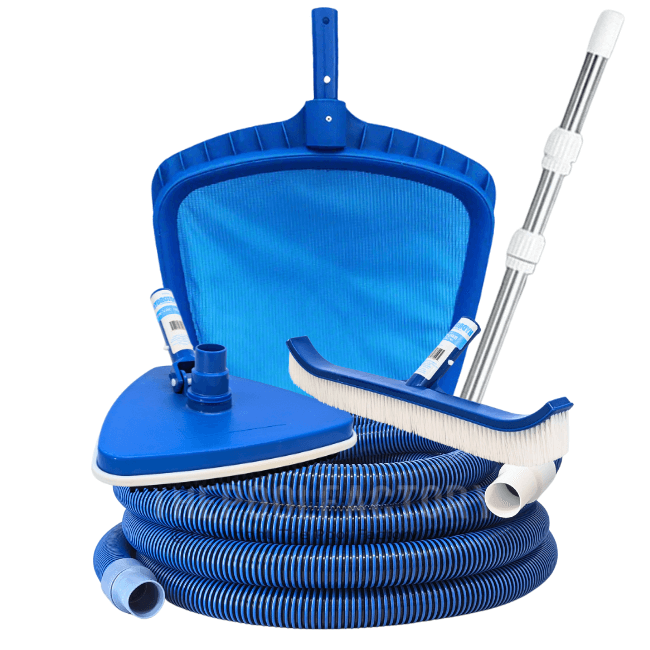
Vacuum hoses are most likely to get clogged with debris, while suction hoses are more likely to develop slippery biofilm. Flexible hoses used with above-ground pools are usually easier to handle than rigid ones found in in-ground pools.
Credit: www.thepoolfactory.com
Tools And Materials Needed
Having the right equipment makes cleaning faster and more effective. Here’s a list to get you started:
- Garden hose (with spray nozzle)
- Long flexible brush (pipe cleaning brush or bottle brush)
- Bucket (10-20 liters)
- Mild detergent or specialized pool hose cleaner
- White vinegar or chlorine bleach (for disinfecting)
- Old towels or rags
- Protective gloves
- Duct tape (for sealing connections, if needed)
- Wet/dry vacuum (optional, for stubborn clogs)
- Hose-end sprayer (optional, for better pressure)
- Zip ties or clamps (to secure hoses during cleaning)
Don’t use harsh chemicals that might damage the hose material. Always check your hose manufacturer’s instructions before using strong cleaners.
Preparing To Clean Pool Hoses
Preparation is key for a smooth cleaning process. Follow these steps:
- Turn off the pool pump and filter system. This prevents water from flowing through the hoses during cleaning.
- Release any water left in the hoses. Disconnect one end and let gravity help drain it out.
- Inspect for visible damage like cracks, splits, or soft spots. If you find any, consider replacing the hose instead of cleaning.
If your hoses are connected with clamps, loosen them with a screwdriver. Always handle hoses gently to avoid bending or kinking.
Step-by-step: How To Clean Pool Hoses
Let’s break the process down, so you can follow along easily.
1. Remove The Hoses
Carefully detach the hoses from the pool and equipment. Lay them out straight on a clean surface. If they’re long, coil them loosely to avoid tangles.
2. Pre-rinse Inside And Out
Use your garden hose to rinse the outside and flush out loose debris from the inside. Insert the spray nozzle into one end and let water run through until it comes out clear on the other side. For rigid hoses, use a gentle water flow to prevent damage.
3. Scrub The Interior
Push a flexible brush through the hose. Twist and move it back and forth to remove slime, algae, or dirt stuck to the walls. For long hoses, attach the brush to a rope or fishing line and pull it through. Repeat this from both ends for best results.
If you don’t have a pipe brush, try rolling a small towel into a ball, soaking it in soapy water, and pushing it through with a broomstick or similar tool.
4. Soak In Cleaning Solution
Fill a bucket with warm water and add a mild detergent or pool hose cleaner. For extra disinfecting, add 1 cup of white vinegar or a small amount of chlorine bleach per 10 liters. Place the hose in the bucket (you may need to coil it) and let it soak for 30–60 minutes.
This soaking step is essential for removing biofilm and killing bacteria. Don’t skip it, especially if your hose feels slimy or smells musty.
5. Flush Thoroughly
After soaking, rinse the hose again with clean water. Use the garden hose or a hose-end sprayer to force water through at high pressure. This step removes any leftover cleaner, dirt, or dead algae.
6. Dry Completely
Shake out as much water as you can. Hang the hoses over a railing, fence, or between two chairs to air dry. Make sure the inside dries too, as moisture can promote mold growth.
7. Inspect And Reconnect
Once dry, check the hose for any remaining residue. If you see stubborn spots, repeat the scrubbing and soaking steps. Otherwise, reconnect the hose to your pool equipment, making sure all clamps are tight.
Advanced Cleaning: Dealing With Stubborn Clogs And Mold
Sometimes, hoses get so dirty that basic cleaning isn’t enough. Here’s how to tackle tougher problems.
Removing Stubborn Clogs
If a hose is blocked and water can’t pass through, try these methods:
- Wet/dry vacuum: Attach the vacuum to one end and suck out the clog. Do this on a low setting to avoid damaging the hose.
- Flexible drain snake: Carefully thread it through the hose to break up and pull out the blockage.
- Soak in hot water: For organic matter, hot water helps loosen debris.
Never use sharp objects that could puncture or scrape the hose wall.
Treating Mold And Algae
If you spot black, green, or pink slime, you likely have mold or algae inside the hose. Mix a solution of 1 part bleach to 10 parts water and fill the hose. Let it sit for 30 minutes, then rinse thoroughly.
Always wear gloves and work in a well-ventilated area.
If the smell of bleach is too strong, use white vinegar instead. Vinegar is effective against many types of bacteria and is safer for the environment.
Preventing Future Buildup
Cleaning is important, but preventing dirt from building up saves you more time and effort. Here’s what you can do:
- Rinse hoses after every use. A quick flush with clean water removes most debris before it hardens.
- Store hoses out of direct sunlight. UV rays make hoses brittle and more likely to crack.
- Keep hoses off the ground. Hang them or use a hose reel to prevent dirt, grass, and bugs from getting inside.
- Sanitize monthly. Run a vinegar or mild bleach solution through the hoses to prevent biofilm from forming.
- Check for leaks and cracks regularly. Damaged hoses trap dirt and are harder to clean.
Common Mistakes To Avoid
Even experienced pool owners can make errors. Here are some pitfalls and how to avoid them:
- Skipping drying: Storing wet hoses leads to mold growth inside.
- Using harsh chemicals: Strong cleaners like undiluted bleach or commercial drain cleaners can damage hoses.
- Forgetting to rinse thoroughly: Leftover soap or bleach can harm pool water and swimmers.
- Not checking fittings: Loose clamps or connectors can leak and suck in debris.
- Cleaning too rarely: Waiting until hoses look dirty means problems are already advanced.
One non-obvious tip: never coil a wet hose too tightly. This traps moisture and encourages mold. Always let hoses dry fully, inside and out.
When To Replace A Pool Hose
No hose lasts forever. Even with the best care, you’ll need to replace hoses eventually. Here’s when you should:
- Visible cracks or splits that leak water, even after cleaning.
- Stiff, brittle, or sticky texture that doesn’t improve with cleaning.
- Frequent clogs that don’t clear with normal methods.
- Mold or algae growth that returns quickly after cleaning.
A typical pool hose lasts 3–5 years with regular maintenance. Keeping a spare hose on hand is smart, especially during peak pool season.
Comparing Pool Hose Cleaning Methods
Let’s look at how different cleaning methods stack up, based on effectiveness, time, and cost.
| Cleaning Method | Effectiveness | Time Needed | Cost |
|---|---|---|---|
| Manual Scrubbing | High (with brush) | 30–45 min | Low (brush only) |
| Soaking in Vinegar/Bleach | Moderate-High | 1–2 hours (includes soak) | Low |
| Wet/Dry Vacuum | High (for clogs) | 15–30 min | Medium (if you own vacuum) |
| Professional Cleaning | Very High | 1–2 days (send out) | High |
Manual cleaning is enough for most hoses. Reserve professional cleaning for very expensive or commercial-grade hoses.
Signs That Your Hoses Need Cleaning
Not sure when to clean? Look for these warning signals:
- Water pressure drops or pump sounds strained.
- Pool cleaner moves slowly or stops working.
- Algae or debris appear inside the hose.
- Bad smells from the hose ends.
- Visible slime or mold inside the hose walls.
If you notice any of these, don’t wait. The sooner you clean, the easier the job.
Pool Hose Cleaning: In-ground Vs. Above-ground Pools
There are some differences based on the pool type.
In-ground Pools
- Hoses are often longer and more rigid.
- More likely to be buried or hidden, so harder to access.
- Considered higher-pressure, so blockages cause bigger issues.
Above-ground Pools
- Hoses are shorter, flexible, and easier to remove.
- More likely to be exposed to sun and weather.
- Cleaning is simpler, but hoses can wear out faster.
No matter your pool type, regular hose maintenance matters for both.
Eco-friendly Pool Hose Cleaning
If you want to avoid harsh chemicals, eco-friendly cleaning is possible. Use baking soda mixed with water as a scrub, or soak hoses in a solution of vinegar and warm water. Both break down slime and kill many types of bacteria. Rinse thoroughly to protect your pool’s chemical balance.
Don’t pour dirty cleaning water onto your lawn or into drains; collect it and dispose of it safely, as pool residues can harm plants and wildlife.
How Often Should You Clean Pool Hoses?
Frequency depends on usage, but a general rule is:
- Every 2–4 weeks during heavy pool use (summer, frequent swimming).
- Once per month during off-season.
- After any algae bloom or contamination in the pool.
- After storms or high debris events.
If you use an automatic cleaner, check hoses weekly, as they’re more likely to clog with leaves or dirt.
Storage Tips For Long-lasting Pool Hoses
Proper storage extends the life of your hoses. Here’s how:
- Coil hoses loosely to prevent kinks and cracks.
- Hang on a wall hook or hose reel, not on the ground.
- Store indoors during winter or long periods of non-use.
- Avoid folding hoses sharply, which weakens the material.
- Keep out of direct sunlight to avoid UV damage.
One insight: Before storing for winter, always clean and dry hoses completely. This prevents mold and extends their lifespan.
Diy Vs. Hiring A Professional
Most pool owners can clean hoses themselves with basic tools and a little time. However, consider a professional if:
- Hoses are very long, large, or part of a complex system.
- There’s heavy mold or chemical buildup.
- You don’t have space or time for proper cleaning and drying.
Professionals have specialized equipment, but for a standard backyard pool, DIY is usually enough.
Troubleshooting: What If Cleaning Doesn’t Work?
Sometimes, even after cleaning, problems return. Here’s what to check:
- Is the hose actually damaged? Look for pinholes or tears.
- Are the connectors tight? Loose or broken fittings let in air and debris.
- Is the filter or pump dirty? Sometimes the problem is elsewhere in the system.
- Have you flushed both ends? Some blockages move but don’t fully clear.
If hoses clog repeatedly, you may have a bigger pool problem—like unbalanced water chemistry or too much debris in the pool. Regular maintenance of the entire system helps prevent hose issues.
Pool Hose Cleaning Myths
Let’s clear up a few common misconceptions:
- Myth: “Clear hoses don’t need cleaning.” Reality: Algae and biofilm grow even in clear hoses.
- Myth: “High pressure water alone is enough.” Reality: Pressure helps, but scrubbing is needed to remove sticky buildup.
- Myth: “Bleach always works.” Reality: It must be diluted and rinsed well, or it can damage hoses and harm pool water.
- Myth: “If the pool is clean, hoses are clean.” Reality: Hoses can hide dirt you can’t see.
Don’t fall for these myths; follow proven steps for the best results.

Credit: www.youtube.com
Pool Hose Cleaning: Real-world Example
Consider this scenario: Maria, a pool owner in Florida, noticed her vacuum was moving slowly. She cleaned her filter, but the problem remained. When she checked the vacuum hose, she found a thick green slime inside. After following the steps above—scrubbing, soaking in vinegar, and drying—the vacuum worked like new.
This example shows how hose cleaning can solve problems that appear to be filter or pump related.
Pool Hose Cleaning And Pool Health
A study published by the Centers for Disease Control and Prevention found that poorly maintained pool equipment, including hoses, can harbor harmful bacteria like E. coli and Pseudomonas. Regular hose cleaning reduces the risk of spreading these germs and keeps swimmers safe.
For more on healthy pool maintenance, visit the CDC’s Healthy Swimming page.
Credit: www.poolweb.com
Frequently Asked Questions
How Do I Know If My Pool Hose Is Clogged?
Signs include weak suction, poor water flow, or your pool cleaner not moving. You may also notice debris stuck inside or bad smells coming from the hose. If flushing water through the hose doesn’t come out clean, a clog is likely.
Can I Use Bleach To Clean My Pool Hoses?
Yes, but always dilute it—mix about 1 part bleach to 10 parts water. Soak the hose, then rinse very well before reconnecting. Undiluted bleach can damage hoses and leave harmful residues.
How Do I Dry The Inside Of A Pool Hose?
After rinsing, hang the hose vertically to let gravity drain water out. Swing the hose gently to shake out excess. You can also push a dry rag through using a broomstick or blow air through with a vacuum on reverse.
What’s The Best Way To Store Pool Hoses?
Store hoses loosely coiled, off the ground, and out of direct sunlight. Hang them on a hose reel or wall hook. Always dry completely before storing, especially for long-term.
Do Flexible And Rigid Hoses Need Different Cleaning?
The basic cleaning steps are the same. For rigid hoses, use a flexible brush and avoid bending. For flexible hoses, don’t stretch too hard or twist sharply. Both types need thorough rinsing and drying.
Keeping your pool hoses clean is essential for a healthy, enjoyable swimming season. With regular care, the right tools, and a little attention to detail, your hoses will last longer and keep your pool sparkling clear. Don’t ignore these hidden parts—they’re the lifeline of your pool system.