
Many pool owners appreciate the comfort and convenience of a Jandy JXi pool heater. On cool days, nothing feels better than slipping into a perfectly heated pool or spa. But what happens when your Jandy JXi suddenly shows an ignition error? The heater won’t start, and your swim plans are ruined. Don’t worry—you’re not alone. The “check ignition” message is one of the most common alerts on this heater, and understanding the steps to diagnose and fix it can save you frustration and service costs.
In this guide, you’ll find everything you need to know about handling a Jandy JXi pool heater check ignition alert. We’ll walk through each step, explain the reasons behind them, and share practical tips that even beginners often miss. Whether you’re a hands-on pool owner or just want to understand what your technician is doing, this article will help you get your heater running again with confidence.
Understanding The Jandy Jxi Pool Heater Ignition System
Before you start troubleshooting, it helps to know how your Jandy JXi heater tries to ignite. The heater uses a combination of electronic controls, sensors, and mechanical parts to start the burner. Here’s a basic outline of what happens when you turn on the heater:
- The control board checks for safe conditions (water flow, temperature, etc. ).
- It sends power to the ignition sequence.
- The igniter heats up.
- The gas valve opens, releasing gas.
- The igniter sparks, lighting the gas.
- Sensors check for a flame. If all is well, the heater runs.
If anything in this process fails, the heater will lock out and display a “check ignition” message. This keeps you and your equipment safe.
Common Causes Of “check Ignition” Message
Several issues can cause the check ignition message to appear on a Jandy JXi heater. These include:
- Low gas supply or pressure
- Dirty or faulty igniter
- Clogged burners
- Blocked air vents
- Bad flame sensor
- Electrical or control board issues
- Loose wires or poor connections
Knowing these common causes helps you focus your troubleshooting.
Essential Tools And Safety Precautions
Working with pool heaters means dealing with gas, electricity, and water. Safety always comes first.
Tools You’ll Need
- Screwdrivers (Phillips and flat)
- Multimeter (for electrical testing)
- Adjustable wrench
- Soft brush or cloth
- Needle-nose pliers
- Flashlight
Safety Steps
- Turn off power to the heater at the breaker.
- Shut off the gas supply.
- Wait a few minutes for any gas to dissipate before opening panels.
- Never touch electrical parts with wet hands.
- If you smell gas, stop immediately and call a professional.
Ignoring safety can lead to injury or property damage. If you’re unsure at any step, call a licensed pool technician.
Step-by-step: Jandy Jxi Pool Heater Check Ignition Steps
Let’s break down the full troubleshooting process. Each step targets a specific part of the ignition system, starting with the simplest checks.
1. Inspect Display And Error Codes
Jandy JXi heaters have a digital display that shows error codes. When you see “check ignition,” look for any secondary codes or flashing lights. These can hint at the exact problem, such as:
- IF (Ignition Failure)
- LO (Low Water Flow)
- HS (High Limit Sensor)
Write down any codes before resetting the heater.
2. Check Water Flow And Filter
Low water flow can prevent ignition. The heater needs enough flow to operate safely.
- Make sure the pool pump is running.
- Check for clogged skimmer or pump baskets.
- Clean or backwash the pool filter.
- Open all pool valves fully.
Some owners overlook this step, but poor water flow is a frequent cause of ignition lockouts.
3. Verify Gas Supply And Pressure
Your heater needs steady gas pressure to ignite. If there’s not enough, the igniter will fail.
- Ensure the main gas valve is open.
- Check for kinks or leaks in gas lines.
- Test gas pressure at the heater’s inlet (a job for professionals).
Pro Tip: If your heater worked fine yesterday but not today, ask if other gas appliances are running. High demand can lower pressure and cause ignition problems.
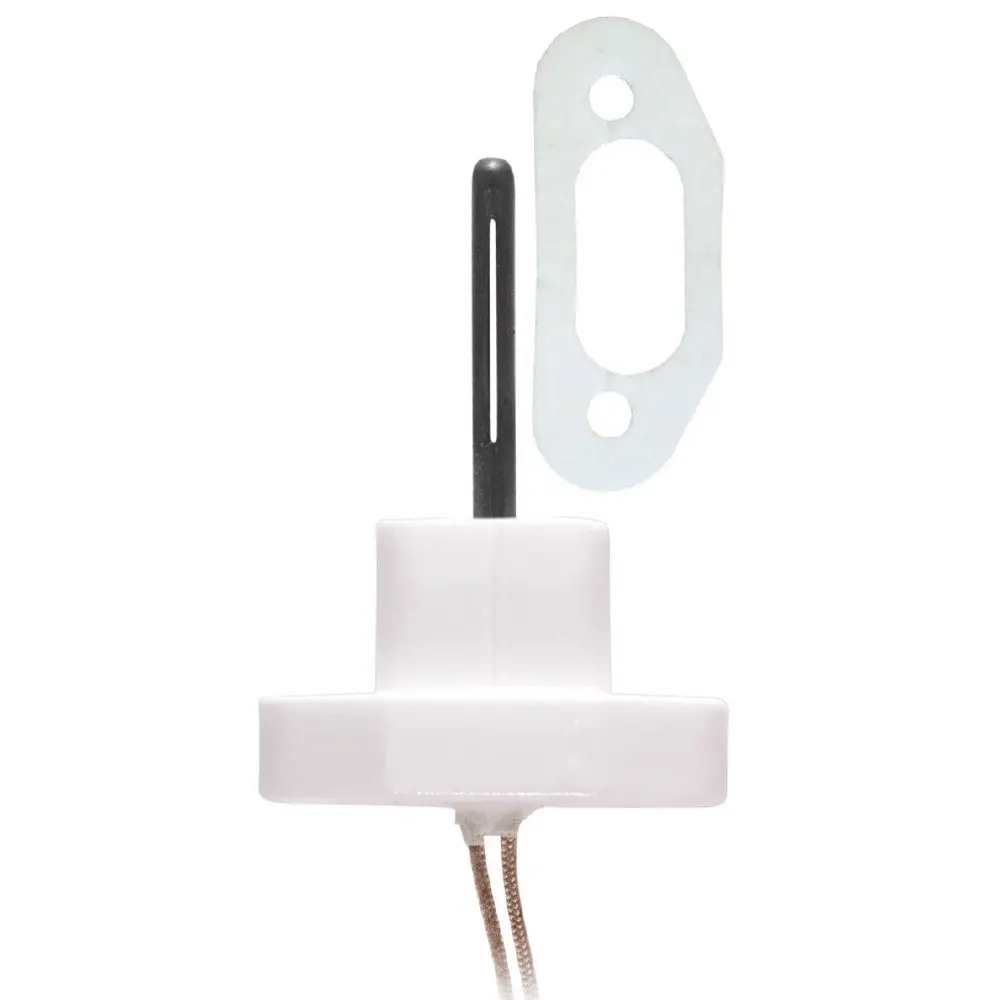
4. Examine Igniter For Dirt Or Damage
The igniter creates the spark to light the gas. If it’s dirty or damaged, ignition fails.
- Turn off the heater and power.
- Remove the access panel.
- Locate the igniter—usually near the burner assembly.
- Gently clean it with a soft brush if you see soot or debris.
- Inspect for cracks or corrosion.
A faulty igniter often needs replacement. They are not expensive, but using the wrong type can cause further problems.
5. Check Flame Sensor Condition
The flame sensor detects if the burner lit. If it’s dirty or misaligned, the heater will think there’s no flame and shut down.
- Carefully remove the flame sensor.
- Clean it with a fine steel wool pad or soft cloth (no sandpaper).
- Reinstall and try the heater.
Non-obvious Insight: Sometimes, the flame sensor wire comes loose or corrodes at the connector. Always check both ends of the wire.
6. Inspect Burners For Blockages
Burners can get blocked by insects, spider webs, or rust flakes. Blocked burners won’t allow gas to flow or ignite properly.
- Remove the burner cover.
- Check each burner port for debris.
- Clean with a brush or compressed air.
Note: Blocked burners are more common in heaters that sit unused for months.
7. Examine Air Intake And Venting
Proper airflow is vital for ignition. The heater’s intake and vent must be clear.
- Check the air intake screen for leaves or dirt.
- Look inside the vent for birds’ nests or blockages.
- Clean as needed.
Restricted airflow causes ignition failure and can be dangerous.
8. Test Electrical Connections
Loose or corroded wires can interrupt signals to the igniter, sensors, or control board.
- Inspect all visible wires for tight connections.
- Look for signs of corrosion or burnt wires.
- Use a multimeter to check for continuity if comfortable.
Electrical problems can be tricky. If you see melted wires or a burned smell, call a technician.
9. Reset The Heater
After all checks, reset the heater to clear the error.
- Power off the unit for 1–2 minutes.
- Restore power and restart the heater.
- Watch the display for changes.
Sometimes, a simple reset solves the issue after a sensor or control hiccup.
10. Review The Control Board
If none of the above steps work, the control board may have failed. Look for:
- Burn marks or blackened components
- Swollen capacitors
- Error codes that won’t clear
Replacing a control board is best left to professionals, but recognizing these signs can help you describe the problem clearly.

Credit: www.reddit.com
Comparing Jandy Jxi Ignition Steps With Other Pool Heaters
How does the Jandy JXi’s ignition troubleshooting compare to other brands? Here is a side-by-side look:
| Feature | Jandy JXi | Hayward Universal H-Series | Pentair MasterTemp |
|---|---|---|---|
| Digital Error Codes | Yes, detailed | Yes, limited | Yes, detailed |
| Igniter Access | Easy, front panel | Moderate, side panel | Easy, top panel |
| Common Blockages | Burner debris, air intake | Rodent nests, vent | Spider webs, pilot tube |
| User-Replaceable Parts | Igniter, flame sensor | Igniter, flame sensor | Igniter, flame sensor |
Jandy JXi heaters are designed for easier access, making DIY troubleshooting simpler than some competitors.
When To Call A Professional
Some ignition problems are best left to certified pool technicians. Call for help if you:
- Smell gas near the heater
- Hear loud bangs or see flames outside the heater
- Find damaged wiring or control boards
- Are unsure about any step
A pro has the tools to test gas pressure, replace complex parts, and ensure your system is safe.
Regular Maintenance To Prevent Ignition Problems
Most ignition failures can be avoided with regular care.
Maintenance Checklist
- Clean the filter monthly.
- Remove debris from heater vents and intake.
- Inspect the burner area for insects or nests each spring.
- Have a professional service the heater yearly.
Skipping maintenance increases the risk of sudden ignition failures and expensive repairs.
Data: Maintenance Impact On Heater Lifespan
According to a 2022 industry report, pool heaters that receive annual maintenance last an average of 3–5 years longer than neglected units. Proper care also reduces the frequency of ignition errors by over 40%.
Real-world Troubleshooting Example
Let’s look at a common scenario to tie these steps together.
Situation: The pool owner tries to start their Jandy JXi heater after winter. The display shows “check ignition.”
Steps Taken:
- Verified pump and filter were running.
- Cleaned out a mouse nest from the heater vent.
- Removed and gently cleaned a dusty igniter.
- Checked flame sensor wire, found corrosion, cleaned the connector.
- Reset the heater—ignition worked on the next try.
Key Insight: Small things like a dirty connector or blocked vent can stop ignition. Always check the simple things first.
Advanced Diagnostics: Using A Multimeter
For those comfortable with electrical testing, a multimeter can help pinpoint ignition problems.
What To Test
- Continuity of the igniter (should have low resistance)
- Voltage at the igniter during ignition cycle
- Flame sensor signal (microamps during flame)
If you get zero voltage at the igniter, the control board may not be sending power.
Caution
Never test live voltage unless you are trained. Multimeter misuse can cause injury.
Understanding Error Codes In Depth
The Jandy JXi displays specific codes for ignition issues. Here’s what the most common ones mean:
| Error Code | Meaning | Next Step |
|---|---|---|
| IF | Ignition Failure | Check igniter, gas supply, flame sensor |
| LO | Low Water Flow | Check pump, filter, valves |
| HS | High Limit Sensor | Check for blockages, call technician if persists |
| FS | Flame Sense Error | Clean flame sensor, check wire |
Knowing these codes helps you fix problems faster and communicate clearly with support.
Credit: www.troublefreepool.com
How To Reset The Jandy Jxi Heater
Resetting the heater is often necessary after a lockout.
- Turn off the power at the breaker.
- Wait at least 60 seconds.
- Turn the power back on.
- Press the ON button on the heater display.
- Wait for the heater to restart and check for errors.
If the error returns, repeat the troubleshooting steps.
Avoiding Common Mistakes
Many pool owners make the same errors when dealing with ignition problems. Here’s what to avoid:
- Skipping the basics: Always check water flow and gas supply first.
- Using abrasive cleaners: Never use sandpaper on sensors; it can ruin them.
- Forgetting to power off: Working on live heaters is dangerous.
- Guessing part replacements: Don’t swap parts until you’ve tested them.
- Ignoring regular maintenance: Prevention is easier than repair.
Learning from others’ mistakes saves time and money.
Upgrading Or Replacing Parts
If you find a faulty igniter, flame sensor, or control board, use only genuine Jandy parts. Generic parts may fit but often fail sooner and can void your warranty.
Where To Buy Parts
- Authorized pool supply stores
- Official Jandy dealers
- Online retailers with good reviews
If you’re unsure, bring your old part to the shop for comparison.
How Weather And Environment Affect Ignition
Your heater’s location impacts its reliability.
- High humidity: Causes corrosion of sensors and wiring.
- Dusty environments: Block air intakes and burners.
- Rodents/insects: Nest in heaters, blocking vents and burners.
- Saltwater pools: Increase corrosion risk.
Protect your heater by keeping the area clean and checking for signs of pests.

Credit: www.youtube.com
The Role Of Smart Controls
Some Jandy JXi heaters connect to automation systems that let you control the heater from your phone. If you have a smart system:
- Make sure the automation hub is working.
- Try controlling the heater from both the display and app.
- Update firmware if needed.
Sometimes, software glitches cause ignition lockouts. A simple update can fix them.
Cost Of Professional Repair
If you need to call a technician, here are typical costs in 2024:
- Diagnostic visit: $80–$120
- Igniter replacement: $100–$180 (parts and labor)
- Flame sensor cleaning/replacement: $90–$150
- Control board replacement: $300–$500
Regular DIY checks can help you avoid many of these costs.
Useful Resources For Jandy Jxi Owners
For official manuals, parts diagrams, and troubleshooting videos, visit the Jandy official website. They offer step-by-step guides and downloadable PDFs to help with repairs.
For deeper industry information, SwimmingPool.com provides expert advice on pool heaters and maintenance.
Frequently Asked Questions
What Does “check Ignition” Mean On A Jandy Jxi Heater?
The “check ignition” message means the heater tried to light the burner but failed. It’s a safety alert that can be caused by low gas, dirty sensors, blocked burners, or electrical issues.
How Often Should I Clean My Jandy Jxi Flame Sensor?
Clean the flame sensor at least once a year, or whenever you see a flame sense error. Dust, corrosion, and spider webs are common causes of sensor failure.
Can I Replace The Igniter Myself?
Yes, if you are comfortable with basic tools and safety steps, you can replace the igniter yourself. Be sure to turn off power and gas first, and use a genuine Jandy part.
Why Does My Heater Work Sometimes But Not Always?
Intermittent ignition is often due to marginal gas pressure, loose wires, or dirty sensors. It may also be caused by weather changes or other gas appliances running at the same time.
Is It Safe To Keep Resetting The Heater After An Ignition Error?
Repeatedly resetting without fixing the cause is not safe. It’s better to diagnose the problem, as repeated failed ignitions can allow unburned gas to build up, which is dangerous.
A properly working Jandy JXi pool heater offers comfort and peace of mind. When you see a check ignition alert, working through these steps methodically will get you swimming again quickly. With regular care and smart troubleshooting, you’ll enjoy reliable heat year after year.