
Thank you for confirming. Here is a comprehensive, expanded article on Polaris 380 Wheels Not Turning with detailed explanations, real-world examples, and practical troubleshooting steps, written in a clear and friendly mentor style.
—
If you own a Polaris 380 pool cleaner, you know it helps keep your pool clean with minimal effort. But sometimes, you may see the wheels stop turning, and your cleaner just sits in one spot. This can be frustrating, especially if you’re not sure what’s wrong.
Don’t worry. You’re not alone. Many pool owners face this problem at some point, and most of the time, it’s fixable with a bit of patience and the right guidance.
Understanding why the wheels on your Polaris 380 aren’t turning is the first step to getting your pool cleaner back in action. This article will walk you through every possible cause, how to check for problems, and what you can do to solve them.
Even if you’re not a pool expert, you’ll find tips and insights that make the process easier.
Let’s get started on bringing your Polaris 380 back to life.
How The Polaris 380 Wheel System Works
Before you fix anything, it helps to know how the Polaris 380 moves. The cleaner uses water pressure from a dedicated pool return line. This water spins a turbine inside, which powers a set of gears. These gears turn the wheels, letting the cleaner move around the pool.
Here’s a quick breakdown:
- Water enters the cleaner from the pool’s booster pump.
- The water pressure spins a turbine (sometimes called a water wheel or impeller).
- The turbine connects to a gear train (a series of gears and shafts).
- The gears turn the wheels, moving the cleaner.
- The cleaner’s backup valve occasionally pulls it backward, helping it avoid getting stuck.
If any part of this process fails, the wheels may stop turning. Next, we’ll look at the most common reasons this happens.
Common Causes Of Polaris 380 Wheels Not Turning
1. Low Water Pressure
The Polaris 380 needs strong water pressure to move. If the pressure drops, the turbine won’t spin fast enough, and the wheels may not turn at all.
What Causes Low Pressure?
- Dirty pool filter or pump basket
- Clogged or leaking hoses
- Problems with the booster pump
How To Check
Turn on the cleaner and feel the water flow at the wall connection. It should be strong. If it’s weak, check the filter, pump, and hoses for blockages or leaks.
Pro Tip: Many beginners forget to check for leaks at the quick disconnect on the pool wall. A small leak here can reduce pressure enough to stop the wheels.
2. Broken Or Jammed Drive Belts
Inside the Polaris 380, drive belts connect the turbine to the wheels. If a belt breaks, slips off, or wears out, the wheels won’t turn—even if the turbine is spinning.
Signs Of Belt Problems
- The cleaner’s tail moves, but the wheels don’t.
- You hear the turbine spinning but no movement.
How To Check
Open the cleaner’s cover (follow the manual for safety). Inspect both belts for cracks, stretching, or if they’ve slipped off the gears.
Beginner’s Insight: Sometimes, a belt looks fine but is too loose to work properly. If you can press the belt down more than half an inch, it’s likely too loose and needs replacing.
3. Gearbox Or Turbine Issues
The gear train inside the Polaris 380 can jam if debris gets inside or if gears wear out.
Warning Signs
- Wheels turn a little, then stop.
- Grinding or clicking noises from inside the cleaner.
How To Check
Remove the cover and look for dirt, leaves, or broken gear teeth. Turn the wheels by hand; they should turn smoothly. If they stick or grind, you may need to clean or replace the gears.
Pro Tip: If you see white plastic dust inside, one or more gears may be wearing out.
4. Wheel Screws Or Axles Problems
Each wheel sits on an axle and is held by a screw. If a screw falls out or an axle bends, the wheel may not turn or may wobble.
How To Check
Gently wiggle each wheel. If one feels loose or crooked, check the screw and axle. Tighten the screw or replace the part if needed.
5. Clogged Internal Jets
The Polaris 380 uses internal jets to spin the turbine. If sand, dirt, or small pebbles block these jets, the cleaner slows down or stops.
Symptoms
- Wheels turn slowly or not at all.
- The cleaner seems weak or sluggish.
How To Check And Clean
Disconnect the cleaner from the pool. Use a thin wire or pipe cleaner to gently poke each jet and remove blockages. Rinse with water.
Hidden Cause: Many owners overlook tiny bits of debris that make their way inside during filter cleaning or storms.
6. Faulty Backup Valve
The backup valve helps the cleaner avoid getting stuck. If it fails, water pressure may be wasted, leaving less power for the wheels.
Signs Of A Bad Backup Valve
- Water sprays from the valve all the time.
- The cleaner stops and starts often.
How To Check
With the cleaner running, lift the backup valve out of the water. It should only spray every few minutes, not constantly. If it leaks non-stop, the valve needs repair or replacement.
7. Hose Kinks Or Blockages
Flexible hoses connect the pool wall to the cleaner. If they kink or clog, water flow drops, and the wheels stop.
How To Check
Lay the hoses out straight and look for sharp bends or debris inside. Replace kinked sections and flush out any blockages.
8. Worn Wheel Bearings
Each wheel has bearings that help it spin smoothly. If these wear out, the wheel may stick, drag, or stop turning.
How To Check
Spin each wheel by hand. They should turn freely and silently. If a wheel feels rough, wobbles, or doesn’t spin well, replace the bearings.
Expert Tip: Bearings can wear out faster if you store the cleaner outside in direct sun or if pool chemicals are unbalanced.
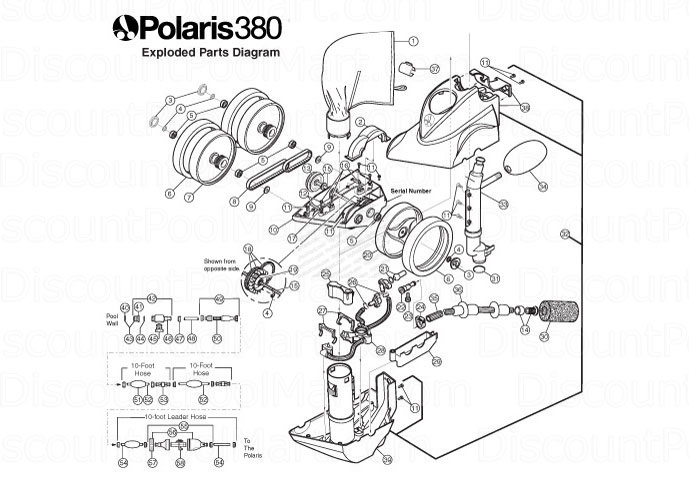
Credit: www.troublefreepool.com
Step-by-step Troubleshooting Guide
Now that you know the main causes, let’s go through a practical process to find and fix the problem.
Step 1: Check Water Pressure
- Turn on your pool pump and booster.
- With the cleaner disconnected, feel the water flow at the wall quick connect. It should feel strong.
- If weak, clean your pool filter, pump basket, and check for leaks in all hoses.
Example: Lisa noticed her cleaner stopped moving after a windy week. Cleaning her clogged filter fixed the problem.
Step 2: Inspect Hoses And Backup Valve
- Lay out the hoses on a flat surface.
- Look for kinks, cracks, or worn spots.
- Lift the backup valve out of the water while running. It should pulse water every 3-5 minutes, not constantly.
- Replace any damaged hose or malfunctioning valve.
Step 3: Examine The Cleaner’s Internal Parts
- Turn off the pumps and disconnect the cleaner.
- Remove the screws on the top cover (use a Phillips screwdriver).
- Inspect the drive belts for cracks or looseness.
- Check the gears for debris, damage, or wear.
- Spin the wheels by hand; they should move without resistance.
Real-World Tip: Take photos before removing any parts. This helps with reassembly if you’re new to pool equipment.
Step 4: Clean Or Replace Clogged Jets
- Locate the small jets inside the cleaner body.
- Use a thin wire to gently clear any blockages.
- Rinse the cleaner with a hose.
Step 5: Reassemble And Test
- Put all parts back together, making sure each screw is tight.
- Reconnect the cleaner and start the pumps.
- Watch the cleaner for a few minutes to make sure the wheels turn and it moves around the pool.
How To Prevent Future Problems
Once your Polaris 380 is working again, a little regular care can keep the wheels turning smoothly.
Regular Maintenance Tips
- Clean your pool filter and pump basket every 1-2 weeks.
- Check hoses for kinks or leaks monthly.
- Inspect drive belts and gears at the start and end of each pool season.
- Store the cleaner in a shaded spot when not in use.
Non-Obvious Insight: Pool chemical balance matters. High chlorine or low pH can speed up wear on plastic parts, including gears and belts.
When To Call A Professional
If you’ve tried all the above steps and the wheels still won’t turn, it may be time to call a pool professional. Some repairs, like replacing internal gears or the turbine assembly, need special tools or experience.
Real-world Examples And Case Studies
Case 1: The Mystery Leak
John’s Polaris 380 stopped moving after he replaced a hose section. He checked the belts and gears—all fine. But water pressure was low. After a careful look, he found a tiny leak at the wall fitting. A new O-ring fixed it, and the wheels spun like new.
Case 2: Hidden Debris
Maria’s cleaner worked, but slowly. The wheels turned, but the cleaner kept getting stuck. She opened the body and found a small pebble jammed in the gears. Removing the pebble solved the problem.
Case 3: Backup Valve Blues
Sam’s backup valve sprayed water constantly. The wheels barely moved. Replacing the backup valve restored full power, and his Polaris 380 started climbing the pool walls again.
Common Mistakes To Avoid
- Ignoring small leaks. Even a drip at the hose connection can drop pressure.
- Forcing stuck parts. Always use gentle pressure and the right tool.
- Forgetting to check the filter. A dirty filter is often the hidden cause of low pressure.
- Not replacing worn belts. Old belts may look fine but slip under pressure.
- Skipping regular inspections. Problems caught early are cheaper and easier to fix.

Credit: www.youtube.com
Where To Get Replacement Parts
You can find Polaris 380 parts at most pool supply stores or online retailers. Always buy genuine parts for the best fit and longest life. If you’re not sure what you need, bring the old part to the store or check your cleaner’s model number.
Helpful Resource: For official diagrams and part numbers, visit the [Zodiac Pool Systems website](https://www.zodiacpoolsystems.com/en/products/pool-cleaners/pressure/polaris-380).
Frequently Asked Questions
Q: My cleaner is new but the wheels aren’t turning. What should I do?
A: Double-check all hose connections and make sure the booster pump is running. Sometimes a new cleaner will have packaging or shipping foam stuck inside. Remove the cover and look for anything unusual.
Q: Can I use generic belts or gears?
A: Some generic parts work, but they may not last as long or fit as well as originals. For best results, use official Polaris or Zodiac parts.
Q: How long should the drive belts last?
A: With normal use, belts last about 2–3 years. If you use the cleaner year-round or have rough pool surfaces, check them every year.
Q: My wheels turn but the cleaner goes in circles. Why?
A: This often means one wheel is stuck or the drive mechanism is out of sync. Open the cleaner and check all gears and bearings.

Credit: www.youtube.com
Final Thoughts
The Polaris 380 is a reliable pool cleaner, but like any machine, it needs care. If your wheels aren’t turning, remember: most problems are simple to fix. Start with water pressure, check hoses, then move inside to belts and gears. With regular maintenance and a little patience, your cleaner can keep your pool sparkling all season long.
Don’t let a small problem stop you from enjoying your pool. The steps in this guide have helped many pool owners get their Polaris 380 moving again. If you’re ever unsure, a quick call to a pool pro or a visit to your local pool shop can save you time and trouble.