
Algae are everywhere—found in oceans, lakes, rivers, ponds, swimming pools, and even in water tanks. These tiny, plant-like organisms play a big role in the world’s ecosystems. They produce oxygen, form the base of many food chains, and sometimes cause problems like green water or harmful blooms. But what makes algae grow? One of the most important factors is temperature. Understanding the temperatures that help algae grow can help you control or encourage their presence, depending on your needs.
Many people think algae will grow just about anywhere there is water and sunlight. But the reality is more complex. Different types of algae have their own ideal temperature range. Some thrive in cold mountain lakes, while others bloom in warm, tropical seas.
And the wrong temperature can slow down or even stop growth altogether. Whether you’re an aquarium owner, a fish farmer, a pond manager, or just curious about nature, knowing about algae and temperature is very useful.
In this article, you will discover how temperature affects algae growth, the best temperatures for different types of algae, and why these ranges matter. We’ll look at real examples, scientific data, and common situations you might face. Along the way, you’ll also learn practical tips and answers to questions that beginners often miss.
Let’s dive in and explore the fascinating world of algae and temperature.
Why Temperature Matters For Algae Growth
Algae are living organisms, so their cells work best at certain temperatures. Like all life forms, their metabolism speeds up or slows down depending on how warm or cold the water is. If the water is too cold, algae grow slowly or might not grow at all.
If it’s too hot, their cells can be damaged or die.
Photosynthesis is the process that lets algae make their own food using light and carbon dioxide. Temperature affects how fast this process works. There’s a “sweet spot” for most algae where their enzymes—the cell’s tiny workers—are most active. When the water temperature is right, algae can grow fast and multiply.
But remember, temperature is not the only factor. Light, nutrients (like nitrogen and phosphorus), and water movement also play big roles. However, even with plenty of light and food, the wrong temperature can stop algae in their tracks.
Key Points To Remember
- Low temperatures slow down algae growth.
- High temperatures can speed growth, but only up to a point.
- Extreme temperatures (very hot or very cold) can kill algae or stop growth.
- Each type of algae has its own preferred temperature range.
General Temperature Ranges For Algae Growth
It’s hard to give one simple answer for “what temperature does algae grow? ” because there are thousands of types of algae. But we can look at general patterns.
Most common algae found in freshwater and marine environments grow best between 15°C and 35°C (59°F to 95°F). However, some can survive outside this range, especially if they are adapted to special environments.
Here’s a summary of common algae groups and their typical temperature ranges:
| Algae Group | Preferred Growth Temperature | Growth Possible (Min-Max) |
|---|---|---|
| Green algae (Chlorophyta) | 20–30°C (68–86°F) | 5–35°C (41–95°F) |
| Blue-green algae (Cyanobacteria) | 25–35°C (77–95°F) | 10–40°C (50–104°F) |
| Diatoms (Bacillariophyta) | 15–25°C (59–77°F) | 0–30°C (32–86°F) |
| Red algae (Rhodophyta) | 20–30°C (68–86°F) | 10–35°C (50–95°F) |
| Golden algae (Chrysophyta) | 15–25°C (59–77°F) | 5–30°C (41–86°F) |
As you can see, green algae and cyanobacteria (also called blue-green algae) prefer warmer waters, while diatoms and golden algae are more common in cooler conditions.
Algae Growth At Low Temperatures
Some people believe that algae only grow in warm water. In reality, many types can survive and even grow in cold conditions, though slowly.
Cold-resistant Algae
Diatoms are famous for growing in cold water, even under ice in lakes and seas. In places like the Arctic or Antarctic, diatoms are often the main algae. Some can start growing at just above freezing (0–2°C or 32–36°F). However, the growth rate is much slower compared to warmer water.
Green algae can also grow at low temperatures, but usually not as efficiently. Most slow down growth below 10°C (50°F).
Practical Example
In northern lakes, you might notice a brownish or greenish film on rocks in spring, even before the ice is fully gone. This is often due to diatoms or other cold-tolerant algae. In fish tanks or ponds kept outdoors in winter, you might still see some algae, but it grows much slower.
Key Insight
One non-obvious fact: Some harmful algae blooms happen in early spring, not just in hot summer, because light returns before water warms up. This gives cold-tolerant species a head start before other algae take over.
Algae Growth At High Temperatures
Warm water speeds up algae growth—up to a point. This is why swimming pools or ponds can suddenly turn green in summer.
Heat-loving Algae
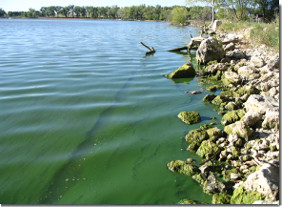
Cyanobacteria are especially good at growing in warm or even hot water. Some species thrive at temperatures above 30°C (86°F) and can survive up to 40°C (104°F). This is one reason why “blue-green algae blooms” often happen during heat waves.
Some green algae also like warm water, but many start to die or slow down above 35°C (95°F).
When Is It Too Hot?
Once water gets above 35–40°C (95–104°F), most algae slow down or die. Very hot water damages their proteins and cell structures.
Extreme example: Hot springs can host special algae that survive in water as hot as 70°C (158°F), but these are rare, special types—not the common algae found in lakes or aquariums.
Key Insight
A hidden danger: Warm water holds less oxygen. When algae die off after a hot spell, bacteria decompose them, using up even more oxygen. This can cause “fish kills” in ponds or lakes.
How Temperature Affects Algae In Different Settings
Let’s look at what happens in real-world situations: aquariums, ponds, lakes, swimming pools, and the ocean.
Aquariums
Most home aquariums are kept between 22–28°C (72–82°F). This is a comfortable range for tropical fish—and many common aquarium algae.
- Green algae grows well in this range, especially if there is too much light or nutrients.
- Blue-green algae (cyanobacteria) can bloom if the water gets warmer, over 28°C (82°F).
- Coldwater tanks (below 20°C/68°F) usually have less algae growth.
Tip: Lowering the water temperature slightly (but safely for your fish) can help reduce algae growth.
Ponds And Lakes
In outdoor ponds, water temperature changes with the season.
- Spring: Diatoms and some green algae start growing at 10–15°C (50–59°F).
- Summer: Fast algae growth when water is 20–30°C (68–86°F). Blue-green algae blooms can occur above 25°C (77°F).
- Autumn: Growth slows as temperature drops.
- Winter: Some cold-tolerant algae may survive under ice.
Practical tip: Deep ponds warm up slower and may have less algae in spring compared to shallow ponds, which heat up fast.
Swimming Pools
Most pools are kept at 24–30°C (75–86°F). This range is perfect for green algae if chlorine or other controls aren’t used.
Surprising fact: Even “heated” pools can get algae if not maintained. Algae spores are everywhere, just waiting for the right temperature and light.
Tip: Regular cleaning and proper chemical levels are more important than water temperature for stopping algae in pools.
Oceans And Seas
The ocean covers a wide range of temperatures, from icy polar waters to warm tropical seas.
- Diatoms dominate in cold and temperate oceans (5–20°C or 41–68°F).
- Dinoflagellates and some cyanobacteria bloom in warmer seas (20–30°C or 68–86°F).
- Coral reefs (in 23–29°C or 73–84°F water) are full of algae living inside corals.
Insight: Climate change is causing ocean temperatures to rise, shifting which algae species dominate. Warmer water can lead to more harmful algal blooms in some areas.
How Temperature Interacts With Other Growth Factors
Temperature is important, but it never acts alone. Let’s see how it interacts with other key factors:
Light
Algae need light to grow, but too much or too little can hurt them.
- Warm, sunny days often trigger algae growth, but only if water temperature is also good.
- In deep lakes, cold water plus low light means slow growth—even in summer.
Tip: Shading a pond or tank can lower both light and temperature, helping control algae.
Nutrients
Nitrogen and phosphorus are “fertilizers” for algae.
- High nutrients plus warm water = fast blooms.
- Low nutrients can limit algae growth, even if temperature is ideal.
Example: Farm ponds with fertilizer runoff often have more algae, especially in hot weather.
Water Movement
Still water warms up faster, giving algae a head start. Fast-moving water (like a river) stays cooler and may have less algae.
Tip: Aerating (adding bubbles or a fountain) can cool water and limit algae.
Putting It All Together
The best algae growth happens when temperature, light, and nutrients are all in the right range. If any one is missing, growth slows down.
Comparing Temperature Preferences Of Major Algae Types
Understanding which algae grow at different temperatures is helpful for managing ponds, tanks, or studying nature.
Here’s a quick comparison:
| Type | Best Temp (°C) | Common Settings | Notes |
|---|---|---|---|
| Green algae | 20–30 | Aquariums, ponds, pools | Very common, easy to control with shade/cleaning |
| Blue-green algae | 25–35 | Ponds, lakes (summer), pools | Can be toxic; likes warm, still water |
| Diatoms | 15–25 | Lakes (spring/fall), cold aquariums | Grow in low light and cold water |
| Red algae | 20–30 | Marine tanks, seas | Often found on reefs |
| Golden algae | 15–25 | Lakes (cool, clear), rivers | Can cause fish kills when blooming |
Temperature And Algae Control: Practical Tips
If you want to reduce unwanted algae, or maybe grow algae on purpose (for food, biofuel, or research), temperature management is key. Here’s how to use this knowledge in real life.
For Aquariums
- Keep water in the lower range for your fish. Slightly cooler tanks (within safe limits) often have less algae.
- Avoid direct sunlight on tanks, which can overheat water and speed up algae growth.
- Increase water movement with a filter or air stone—this cools water and discourages algae.
For Ponds
- Plant water lilies or shade plants to keep water cool and reduce algae.
- Add a fountain or waterfall to circulate water and lower temperature.
- Clean out organic debris (leaves, dead plants) that can warm water and add nutrients.
For Pools
- Monitor water temperature—if possible, keep it below 28°C (82°F).
- Check chlorine or sanitizer levels regularly, especially in hot weather.
- Brush and vacuum pool surfaces often during summer.
For Algae Farming
If you want to grow algae for food, feed, or fuel, control temperature carefully.
- Green algae: Best at 20–30°C (68–86°F).
- Spirulina (a cyanobacteria): Prefers 35–38°C (95–100°F).
- Use heaters or coolers to keep water stable.
- Monitor for sudden changes—a heatwave or cold snap can ruin a crop.
Two Insights Beginners Miss
- Nighttime cooling: Water often cools at night, which can slow algae even if days are hot. Covering tanks at night can help if you need steady growth.
- Surface vs. deep water: The top layer of water heats up fastest. In deep ponds, algae may grow near the surface but not below if temperature drops quickly with depth.
Real-world Examples And Research Data
Let’s look at some data from science and real life to show how temperature affects algae.
Lake Erie, North America
In Lake Erie, blue-green algae blooms happen when water temperature rises above 25°C (77°F), usually in July or August. Before this, green algae and diatoms are more common.
Research On Spirulina
A study found that Spirulina platensis grows fastest at 35°C (95°F). Growth slowed by 30% at 25°C (77°F) and nearly stopped below 20°C (68°F).
Coral Reefs
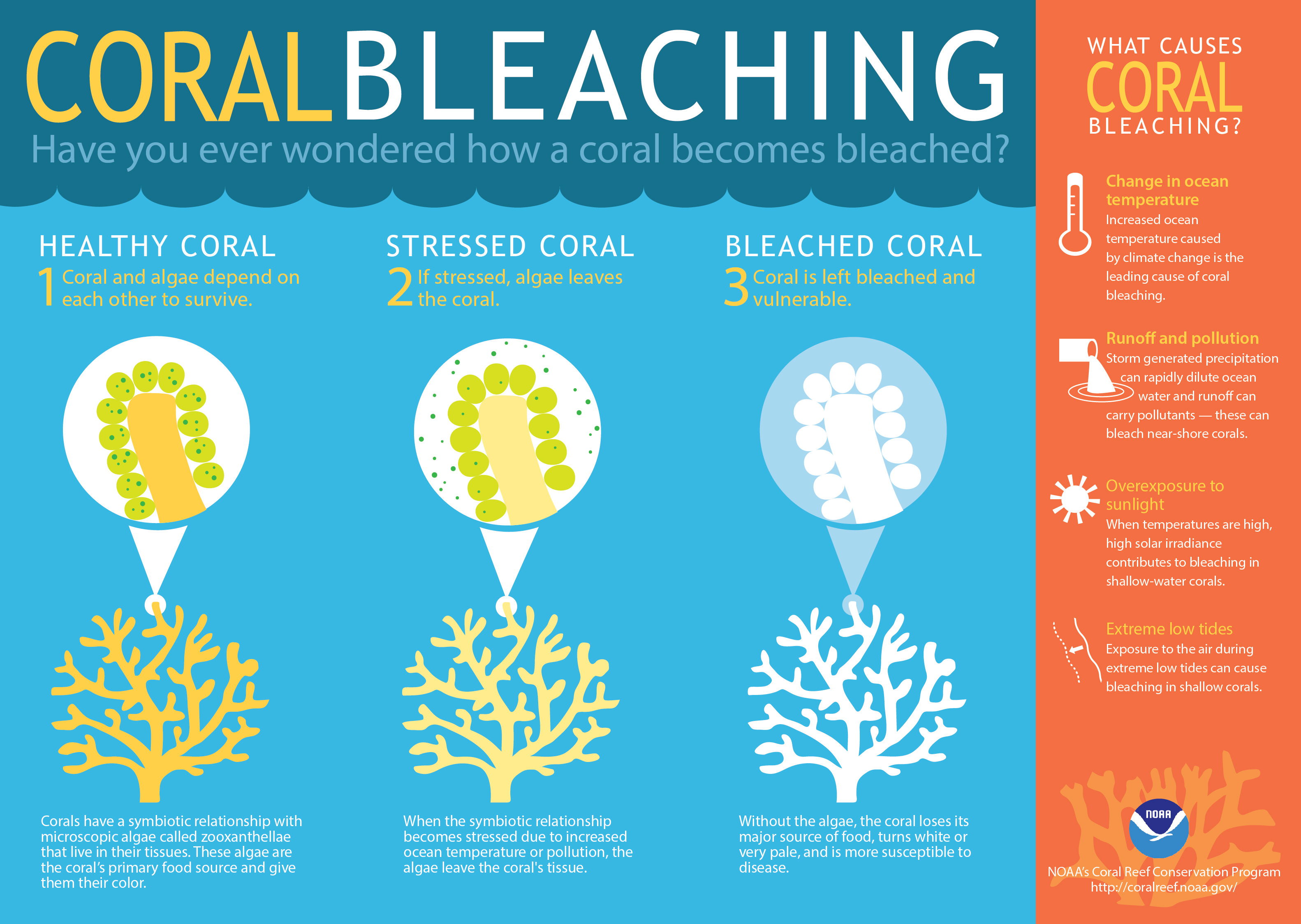
Coral reefs depend on algae called zooxanthellae. These algae do best between 23–29°C (73–84°F). If water gets too hot (over 30°C/86°F for several days), algae leave the coral, causing “bleaching.”
Swimming Pool Example
In a survey of public pools, pools kept above 30°C (86°F) had double the number of algae outbreaks compared to those kept below 28°C (82°F).
How Climate Change Is Changing Algae Growth
Rising global temperatures are already affecting algae in many places.
- Warmer lakes and seas: More blue-green algae blooms, some of which produce toxins.
- Longer growing seasons: In temperate areas, algae now start growing earlier in spring and keep going later in fall.
- Changing species: Some cold-loving algae are disappearing, while heat-tolerant species are spreading.
For more on how climate affects algae and water quality, see the Wikipedia page on harmful algal blooms.

Credit: www.researchgate.net
Measuring And Monitoring Water Temperature For Algae
If you manage a pond, pool, or tank, it’s important to check water temperature regularly.
- Digital thermometers are cheap and easy to use. Measure at the surface and, if possible, deeper down.
- Record temperature daily during warm months, as algae can bloom quickly if the water heats up.
- Look for sudden changes—a spell of hot weather can cause a bloom in days.
Tip: In natural waters, temperature can change a lot from day to night, or from sunny to shaded spots.
What To Do If You Have An Algae Problem
If you’re dealing with unwanted algae, temperature control is just one tool. Combine it with other methods for best results:
- Reduce nutrients—clean up leaves, use less fertilizer, control animal waste.
- Limit light—shade water, cover tanks, use floating plants.
- Add water movement—fountains, filters, or aerators.
- Use safe chemicals if needed—follow all directions, and avoid harming fish or plants.
- Clean regularly—brush surfaces, vacuum, and remove dead algae quickly.
Credit: oceanservice.noaa.gov
Special Case: Extreme Environments
Some algae can live in extreme conditions. For example:
- Hot springs algae: Some species survive above 60°C (140°F), but these are rare.
- Ice algae: Certain diatoms and green algae live in or under ice, growing at 0–4°C (32–39°F).
These are the exceptions, not the rule. Most common algae in home, farm, or wild waters prefer moderate temperatures.
Frequently Asked Questions
What Is The Ideal Temperature For Algae To Grow?
Most common algae grow best between 20–30°C (68–86°F). Some, like cyanobacteria, can grow well up to 35°C (95°F), while diatoms can grow at lower temperatures, down to around 5°C (41°F). However, growth is usually fastest in the 20–30°C range.
Can Algae Grow In Cold Water?
Yes, many algae can grow in cold water, though more slowly. Diatoms are especially good at growing in water just above freezing. Green algae can survive in cold, but usually don’t thrive until water warms above 10°C (50°F).
Why Do Swimming Pools Get Algae In Summer?
Algae grow faster in warm water, especially between 24–30°C (75–86°F), which is the temperature of most pools. If there is enough sunlight and nutrients, and if chemical levels (like chlorine) drop, algae can bloom very quickly in summer.
Does Boiling Water Kill Algae?
Yes, boiling water (100°C or 212°F) will kill all common algae. Even water above 40°C (104°F) is too hot for most. However, boiling is not practical for large ponds or pools, and some spores may survive unless boiled for several minutes.
How Can I Use Temperature To Control Algae?
You can reduce algae growth by keeping water slightly cooler (if possible and safe for fish or plants), adding shade, and increasing water movement. For algae farming, keep temperature steady in the range best for your chosen species.
Credit: www.epa.gov
Final Thoughts
Temperature is a powerful force in the world of algae. It sets the speed for how fast algae grow, which types take over, and whether you end up with a healthy ecosystem or an algae problem. By understanding the best temperatures for algae growth, you can make smarter choices for your aquarium, pond, pool, or research project. Remember, temperature interacts with light, nutrients, and water movement—so a balanced approach works best. Whether you want to encourage algae for good reasons or stop unwanted blooms, knowing how temperature works is a secret weapon. With careful monitoring and a little planning, you can keep your water clear, healthy, and just the way you want it.