
A Pentair Ultratemp heat pump is designed to keep your pool or spa water warm and comfortable, even when outside temperatures are less than ideal. But what happens when your trusted heater suddenly stops warming your pool? This can be frustrating, especially if you invested in a Pentair system expecting reliability and performance. Many pool owners face the issue of their Pentair Ultratemp heat pump not heating, and often, the root causes are not immediately obvious.
This article provides a complete, practical guide to diagnosing and fixing a Pentair Ultratemp heat pump that is not heating. You’ll learn how the heat pump works, why it might stop heating, and what steps you can take to solve the problem.
Whether you are a hands-on pool owner or want to communicate better with your pool technician, this guide will help you understand your options and avoid common mistakes that lead to wasted time and money.
How The Pentair Ultratemp Heat Pump Works
Understanding how your Pentair Ultratemp heat pump operates is the first step to troubleshooting. Unlike a gas heater, a heat pump does not generate heat directly. Instead, it uses electricity to move heat from the air into your pool water.
The unit pulls in outside air, uses a refrigerant to absorb the heat, and then transfers this heat to the pool water through a heat exchanger. This process is energy-efficient but depends on the outside temperature, the condition of the components, and proper installation.
Key components include:
- Compressor: Circulates refrigerant and increases its temperature.
- Evaporator coil: Absorbs heat from the outside air.
- Fan: Pulls air over the coil.
- Heat exchanger: Transfers heat from refrigerant to pool water.
- Thermostat and control board: Regulate and monitor temperature.
If any of these parts fail or operate incorrectly, your heat pump may not heat the pool as expected.
Common Reasons Your Pentair Ultratemp Heat Pump Is Not Heating
Several factors can prevent your Pentair Ultratemp from warming your pool water. Some are straightforward, while others may need technical knowledge or professional help.
1. Outside Air Temperature Is Too Low
Heat pumps work best when the air temperature is above 50°F (10°C). If the air is too cold, the pump cannot extract enough heat, and you may notice little or no heating. During cold spells, even a perfectly functioning heat pump will struggle.
2. Incorrect Thermostat Settings
Sometimes, the solution is as simple as checking your thermostat. If the temperature is set lower than your pool water, the pump will not heat. Double-check that the thermostat is set to your desired temperature and the mode is correct (Pool or Spa).
3. Dirty Or Clogged Air Filters
If the air filter or evaporator coil is dirty, airflow is reduced. This makes heat transfer less effective and can lead to the heat pump running without warming the water. Regular cleaning is essential to maintain efficiency.
4. Insufficient Water Flow
Your heat pump needs a steady flow of water to operate. Low water flow can be caused by:
- A clogged pool filter
- Closed or partially closed valves
- Pump problems
If the water flow is too low, the unit may not turn on, or it may shut down with an error code.
5. Electrical Problems
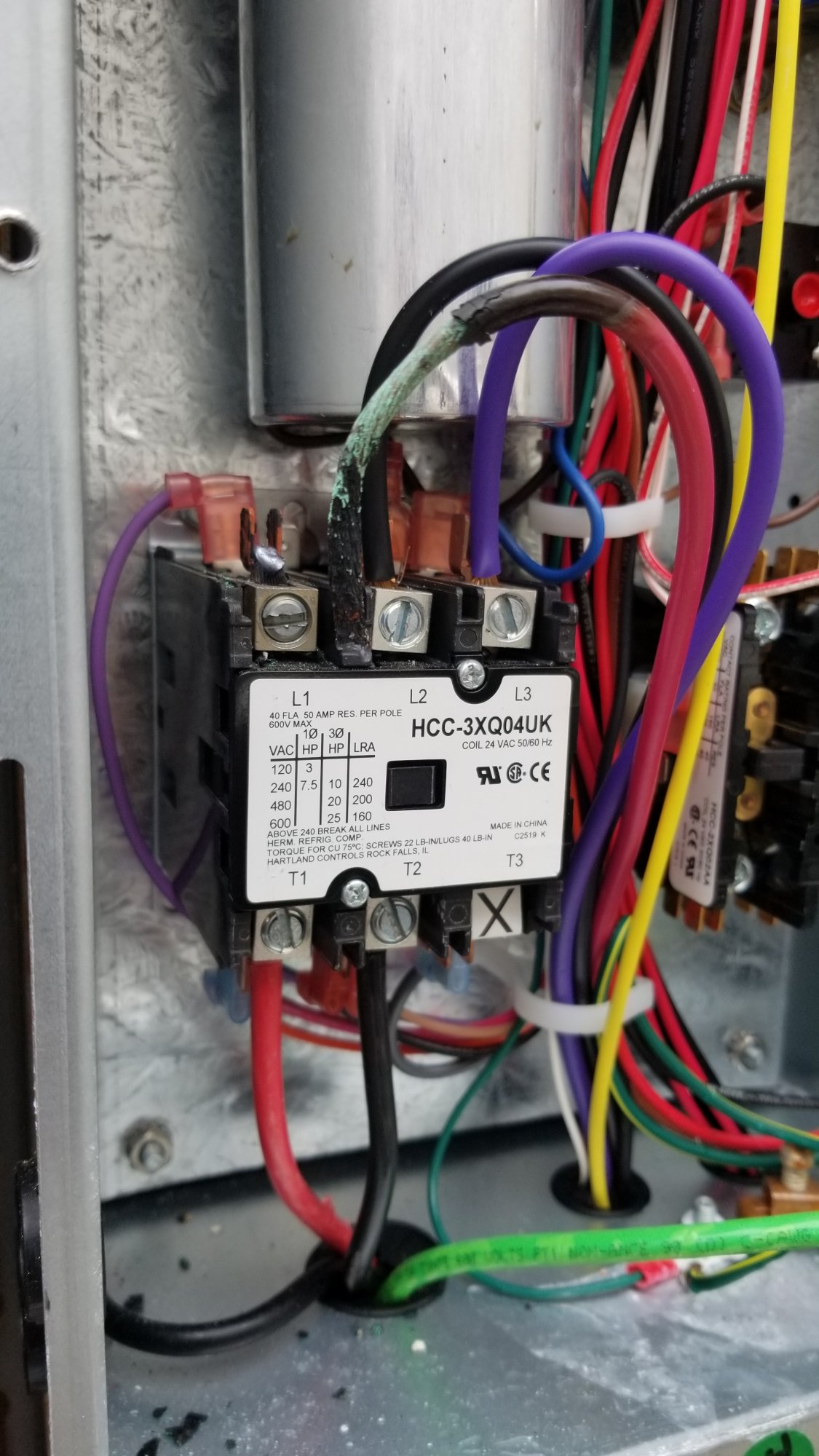
A tripped circuit breaker, blown fuse, or loose wiring can stop the unit from working. Sometimes, the heat pump will turn on but not heat because of electrical faults in the compressor or control board.
6. Faulty Temperature Sensors
The temperature sensor tells the control board the temperature of the water. If it fails, the system may think the pool is already warm or may not activate the heating cycle.
7. Refrigerant Leaks
If the heat pump has lost refrigerant due to a leak, it cannot move heat from the air into the water. This is a common but often overlooked issue. If you hear hissing or see oil stains near the unit, refrigerant loss may be the cause.
8. Incorrectly Sized Heat Pump
If your heat pump is too small for your pool size, it may run constantly without ever reaching the desired temperature. Sizing is critical, especially for larger pools or in cooler climates.
9. Control Board Issues
The control board acts as the “brain” of the unit. If it fails or malfunctions, the heat pump may not receive the correct signals to start heating.
10. Bypassed Or Faulty Flow Switch
Heat pumps have a flow switch to detect if water is moving. If this switch is bypassed or broken, the system may not heat as a safety precaution.
Non-obvious insight: Many owners overlook the effect of water features like waterfalls or spa jets. These features can cool the pool faster than the heat pump can warm it, especially if left running overnight.

Credit: marcelgranitos.com.br
Step-by-step Troubleshooting For Pentair Ultratemp Not Heating
When your heat pump isn’t working, it’s tempting to panic or call for service right away. However, many issues can be checked and fixed without professional help. Here’s how to troubleshoot effectively.
Step 1: Check The Basics
- Is the power supply on? Look for tripped breakers or blown fuses.
- Is the unit display on and showing any error codes?
- Are all pool valves open and is water circulating?
Step 2: Verify Thermostat And Settings
- Set the thermostat at least 2°F (1°C) above the current water temperature.
- Make sure the unit is set to “Pool” or “Spa” mode, as needed.
- Check the display panel for any warning or error messages.
Step 3: Inspect Water Flow
- Clean or backwash your pool filter.
- Make sure the pump basket and skimmer are free of debris.
- Ensure all valves are fully open to the heat pump.
- Look for flow errors on the control panel.
Step 4: Examine The Airflow
- Clear leaves, dirt, or debris from the air intake and fan area.
- Clean the evaporator coil with a hose (not high pressure) if it appears dirty.
- Check that the fan runs smoothly when the unit is on.
Step 5: Monitor Ambient Temperature
- Check the weather. If outside air is below 50°F (10°C), expect slow or no heating.
- Use a pool cover at night to keep heat in.
Step 6: Look For Error Codes
Pentair units display specific codes for common issues. Examples include:
- Lo: Low water temperature or flow
- HP: High pressure (often caused by water flow blockage)
- LP: Low pressure (could indicate refrigerant issue)
- FS: Flow switch problem
Refer to your owner’s manual for a full list. Addressing the error code usually solves the issue.
Step 7: Check For Refrigerant Leaks
Signs of a leak include:
- Ice buildup on coils
- Hissing sounds
- Oil spots under the unit
If you suspect a leak, call a licensed technician. Handling refrigerant is not a DIY job.
Step 8: Inspect The Control Board And Sensors
- Reset the unit by turning it off for 5 minutes, then back on.
- If errors persist or the unit is unresponsive, the control board or sensors may need professional inspection.
Step 9: Assess Sizing And Usage
If your heat pump is running all day with little temperature change, it may be too small for your pool, or the water loss (from evaporation or leaks) is too high. Consider using a solar cover and reviewing your heat pump sizing with a pool professional.
Practical tip: Always keep a maintenance log. Write down what you check, what you clean, and any error messages. This helps spot patterns and speeds up professional diagnosis if needed.
Comparing Performance: Heat Pump Vs. Gas Heater
Many owners wonder if a heat pump is right for their needs or if a gas heater would be more reliable. Here is a clear comparison to help you understand the differences:
| Feature | Pentair Ultratemp Heat Pump | Gas Pool Heater |
|---|---|---|
| Heating Speed | Slow to moderate | Fast |
| Energy Efficiency | High (3–5x more efficient) | Low to moderate |
| Best Use Case | Daily heating, mild climates | Quick heating, cold climates |
| Cost to Run | Low to medium | High |
| Maintenance Needs | Low | Medium |
| Environmental Impact | Lower | Higher |
How To Maintain Your Pentair Ultratemp Heat Pump
Preventive maintenance is the best way to avoid heating problems. Here are simple yet effective steps:
- Clean air coils every month during the swimming season.
- Keep the area around the unit clear (at least 2 feet) to ensure proper airflow.
- Check and clean pool filters weekly.
- Inspect water flow often, especially after storms or heavy use.
- Monitor refrigerant levels during annual professional service.
- Update firmware if your model has a digital control panel and updates are available.
Non-obvious insight: Many pool owners don’t realize that landscaping (like new bushes or fences) can reduce airflow to the heat pump. Always make sure nothing blocks the intake and exhaust.
What To Do If You Can’t Fix The Problem
If you have checked all the basics and your Pentair Ultratemp is still not heating, it may be time to call a professional. Here’s what you should do:
- Write down all steps you have taken.
- Note any error codes or unusual noises.
- Ask for a certified Pentair technician. Not all pool service companies have experience with heat pumps.
- Request a full inspection, including electrical, refrigerant, and control systems.
A skilled technician will have the tools and knowledge to diagnose issues that are not visible or easy to check.

Credit: www.youtube.com
Cost Of Repair Vs. Replacement
If your Pentair Ultratemp is old or has a major issue (like a failed compressor), you may wonder if it’s better to repair or replace it. Here’s a general comparison:
| Issue | Average Repair Cost | When to Replace |
|---|---|---|
| Thermostat/Control Board | $250–$600 | If the unit is over 10 years old |
| Refrigerant Leak Repair | $300–$800 | If multiple leaks or corrosion |
| Compressor Replacement | $1,000–$2,000 | If out of warranty, consider new unit |
| Sensor/Flow Switch | $150–$400 | Rarely needs full replacement |
Tip: Many older heat pumps become less efficient over time, even if they still work. You may save money in the long run with a new model if your unit is over 12–15 years old.
Common Mistakes When Troubleshooting A Pentair Ultratemp Heat Pump
Many pool owners make simple mistakes that can delay the fix or make the problem worse:
- Ignoring error codes and hoping the problem will go away.
- Running the pump with blocked airflow, which can damage the compressor.
- Using a high-pressure hose to clean coils, which can bend the fins.
- Forgetting to check if the thermostat is set correctly.
- Not using a pool cover, leading to fast heat loss at night.
- Trying to add refrigerant without proper tools or certification (this is illegal in many areas).
Avoiding these mistakes helps keep your system running smoothly and your pool warm.
How To Size Your Heat Pump Correctly
If your heat pump is too small, it will never keep your pool at the right temperature. Sizing depends on several factors:
- Pool surface area (not just volume)
- Average air temperature
- Desired water temperature
- Wind exposure (wind cools water faster)
- Use of pool covers
A good rule of thumb is to use a heat pump with at least 50,000 BTUs for small pools, 75,000–100,000 BTUs for medium pools, and 120,000 BTUs or more for large or exposed pools.
Example: If you have a 15 x 30 ft pool (450 sq ft), and you want to raise the temperature by 10°F, a 90,000–100,000 BTU unit is usually sufficient in mild climates.
When To Use A Pool Cover With A Heat Pump
A pool cover is one of the most effective tools to keep your pool warm and reduce the workload on your Pentair Ultratemp. Covers help in several ways:
- Prevent heat loss overnight (up to 50–70%)
- Reduce evaporation, which carries heat away
- Lower energy bills by reducing heating time
Even a simple solar blanket can make a big difference, especially in windy or cool environments.
Energy Efficiency Tips For Pentair Ultratemp Heat Pumps
To get the most from your heat pump and keep costs low:
- Run the heat pump during the warmest part of the day for best efficiency.
- Use a pool cover whenever the pool is not in use.
- Keep the thermostat at the lowest comfortable setting.
- Clean the air and water filters often.
- Schedule annual professional servicing to catch problems early.
Understanding Pentair Ultratemp Error Codes
Modern Pentair heat pumps display error codes to help you quickly find and fix issues. Here are some of the most common:
- Lo: Low water temperature or flow. Check filters and water level.
- HP: High pressure. Clean the water filter and check for blocked lines.
- LP: Low pressure. May indicate refrigerant leak or dirty air coil.
- FS: Flow switch error. Make sure water is circulating and the switch is working.
- F5, F6, etc. : Sensor errors. These usually require a technician.
Always consult your owner’s manual for a full code list and recommended actions.
Professional Service: What To Expect
When a technician visits, they should perform a full check, including:
- Electrical system test
- Refrigerant pressure check
- Sensor and thermostat test
- Flow rate measurement
- Inspection of all wiring and connections
A good technician will explain the issue, offer repair options, and give tips to avoid future problems.
Practical tip: Ask for a written report after any repair. This helps with warranties and gives you a record for future reference.
Warranty And Support For Pentair Ultratemp Heat Pumps
Pentair offers warranties on most Ultratemp models, typically ranging from 1 to 10 years depending on the part. Always register your unit after purchase and keep all paperwork. If you need warranty service:
- Have your model and serial number ready.
- Provide proof of purchase.
- Only let authorized service personnel perform repairs.
More details on warranty coverage can be found at the official Pentair Warranty Center.
Credit: www.troublefreepool.com
Frequently Asked Questions
Why Does My Pentair Ultratemp Heat Pump Blow Cold Air When Running?
This is normal. The unit removes heat from the air and sends it into the pool water, so the air coming out will feel cooler. If the pool is still not heating, check for issues like low air temperature or low refrigerant.
How Long Does It Take For A Heat Pump To Warm My Pool?
Heating time depends on pool size, starting temperature, and outside air temperature. For an average pool, expect the temperature to rise 1–3°F per hour. Using a cover will speed up the process.
Can I Run My Pentair Heat Pump At Night?
You can, but it’s less efficient if the air is colder. For best results, run the heat pump during the day when air temperatures are higher, and use a pool cover at night to retain heat.
What Should I Do If I See An Error Code I Don’t Understand?
Check your owner’s manual for the meaning of the code. Most manuals are available on the Pentair website. If the code is still unclear or won’t clear, call a qualified technician.
How Often Should I Service My Pentair Ultratemp Heat Pump?
You should clean the unit and check filters monthly during the swimming season. A professional service should be done yearly to check refrigerant, electrical connections, and overall condition.
—
A Pentair Ultratemp heat pump is a reliable and efficient way to heat your pool—when it works as intended. If yours isn’t heating, start with the basics: check power, settings, water flow, and air intake. Many problems are simple to fix and do not require a technician. However, if you run into error codes, refrigerant leaks, or electrical issues, call a certified professional to avoid making things worse.
Remember, regular maintenance and using a pool cover are your best allies against future heating problems. With the right approach, you can keep your pool comfortable and warm for years to come. If you need more technical guidance, visit the official Pentair site or a trusted source like the Wikipedia Heat Pump page for deeper explanations.