
Hummus is a classic Middle Eastern dip made from chickpeas, tahini, lemon juice, and garlic. Many people love its creamy texture and rich flavor. But after you make or buy hummus, you might wonder how to keep it fresh and tasty for as long as possible. Storing hummus the right way is not just about keeping it safe; it’s about keeping its flavor, texture, and health benefits.
If you have ever opened a container of hummus only to find it spoiled or dried out, you know the disappointment. The truth is, hummus is more delicate than it seems. With its high moisture content and natural ingredients, it can go bad quickly if not stored properly.
Whether you make hummus at home or buy it from the store, there are proven ways to store it for maximum freshness, taste, and safety.
In this guide, you will learn everything you need to know about how to store hummus. You’ll discover the best containers, the right temperatures, how long hummus lasts, and what to do if you want to freeze it. There are also answers to common questions that many people have about storing hummus. With these tips and facts, you can enjoy your hummus longer and with more confidence.
Why Proper Storage Matters
Hummus may look simple, but it contains oils, proteins, and water that can spoil if not handled with care. Improper storage can lead to:
- Loss of flavor and creamy texture
- Growth of bacteria or mold
- Wastage of food and money
Fresh hummus is not only tastier but also safer. Improper storage can even cause foodborne illness. Safe storage is especially important for people with weaker immune systems, like children, pregnant women, and the elderly.
How Long Does Hummus Last?
The shelf life of hummus depends on several factors:
- Type of hummus (homemade or store-bought)
- Storage method
- Temperature
Here’s a quick look at how long hummus lasts in different conditions:
| Type | Refrigerated (Unopened) | Refrigerated (Opened) | Room Temperature | Frozen |
|---|---|---|---|---|
| Homemade | – | 3–5 days | 2–4 hours max | 4–6 months |
| Store-bought (with preservatives) | 1–2 weeks (check date) | 5–7 days | 6–8 hours (not recommended) | 4–6 months |
| Store-bought (natural) | 5–7 days | 3–5 days | 2–4 hours max | 4–6 months |
Key insight: Many beginners think hummus is shelf-stable because it’s plant-based. In fact, once opened or made at home, it should be treated like dairy products—kept cold and eaten quickly.
Choosing The Right Container
The container you use for storing hummus makes a bigger difference than most people realize. The right container helps maintain freshness, flavor, and safety.
Best Container Types
- Airtight Plastic Containers
- Lightweight and inexpensive.
- Good for short-term storage (a week or less).
- Make sure the lid seals tightly.
- Glass Containers
- Do not absorb odors or stains.
- Great for both refrigerator and freezer.
- Easy to clean and reusable.
- Ceramic or Porcelain Bowls with Lids
- Good for table presentation and storage.
- Often heavier and less portable.
- Vacuum-Seal Containers
- Remove air, slowing spoilage.
- Best for maximizing fridge shelf life.
What to avoid: Never store hummus in metal containers. Metal can react with lemon juice or salt, changing the taste and possibly leaching metals into your food.
Container Size Tips
- Use a container that matches the amount of hummus.
- Smaller containers mean less air exposure.
- If you have a large batch, divide it into several small containers.
Non-obvious tip: If you store hummus in a container that’s too big, the air above the hummus can cause it to dry out or spoil faster.
Refrigerator Storage
Most hummus is kept in the fridge. But how you store it makes all the difference.
Steps To Store Hummus In The Fridge
- Transfer to an airtight container if not already in one.
- Level the surface with a spoon to reduce air pockets.
- Pour a thin layer of olive oil over the top (optional but recommended). This acts as a barrier to air and helps keep the hummus moist and fresh.
- Seal the lid tightly.
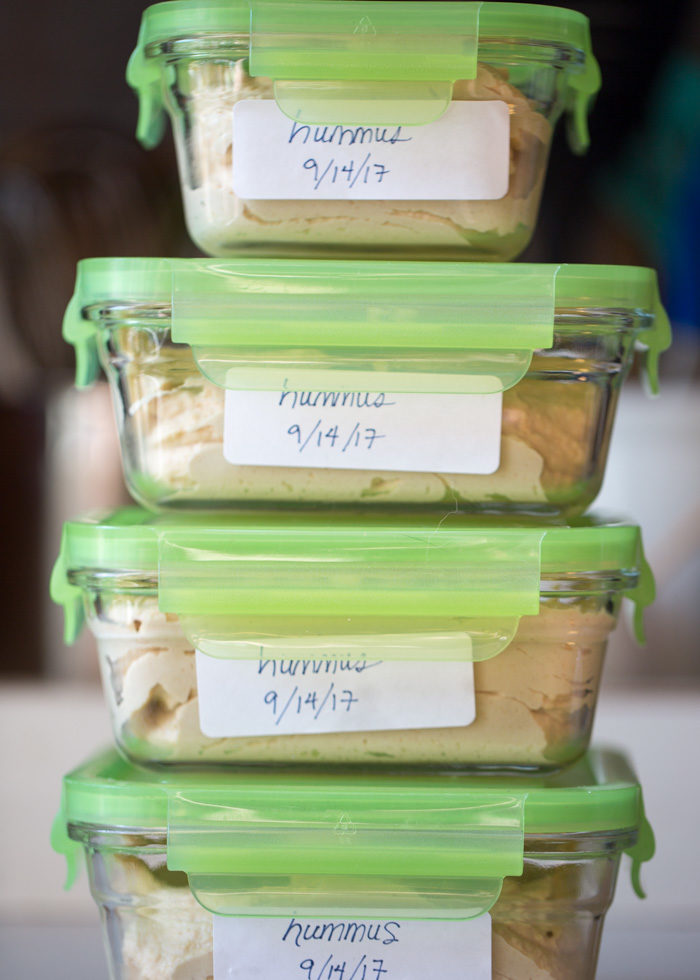
- Label the container with the date you made or opened it.
- Place at the back of the fridge, where the temperature is most consistent.
Temperature Matters
Keep your fridge at 4°C (40°F) or below. The back of the fridge is usually colder than the door or front.
Practical example: If you store hummus in the fridge door, warm air enters every time you open it. This can reduce shelf life by a day or two.
Signs Your Hummus Has Gone Bad
Even with good storage, hummus won’t last forever. Watch for:
- Sour or off smell
- Mold or dark spots
- Watery separation (a little is okay, but a lot means spoilage)
- Change in taste or color
If you see or smell any of these, throw the hummus away.
Can You Freeze Hummus?
Freezing hummus is a great way to make it last for months. But not everyone knows how to do it right.
How To Freeze Hummus
- Use a freezer-safe container. Glass or plastic both work.
- Leave space at the top. Hummus expands as it freezes.
- Add a thin layer of olive oil on top to prevent freezer burn.
- Seal tightly.
- Label with the date.
How Long Does Frozen Hummus Last?
Frozen hummus stays good for 4 to 6 months. After that, flavor and texture may decline.
Thawing Frozen Hummus
- Move the container to the fridge and let it thaw overnight.
- Never thaw hummus at room temperature.
- After thawing, stir well. The texture may change, but adding a bit of olive oil or water can help.
Non-obvious insight: For best results, freeze hummus in small portions. This way, you only thaw what you need and keep the rest frozen.
Freezing Effects On Taste And Texture
Some people notice hummus gets a little grainy after freezing. The oil and chickpeas can separate. Blending or stirring vigorously after thawing can restore creaminess.
Storing Store-bought Hummus
Store-bought hummus often contains preservatives, but it still needs careful storage.
Unopened
- Keep in the fridge until the “best by” date.
- Don’t freeze if you plan to eat within a week.
Opened
- Transfer to an airtight container if the original is not resealable.
- Eat within 5–7 days.
- Keep clean utensils. Double-dipping introduces bacteria.
Single-serve Packs
- Great for lunchboxes and picnics.
- Keep cold until eaten.
- Once opened, eat within a few hours.
Key tip: Don’t leave store-bought hummus out for long periods. Preservatives slow spoilage, but don’t stop it.
Storing Homemade Hummus
Homemade hummus has no preservatives, so it spoils faster.
- Store in airtight containers.
- Use within 3–5 days.
- If you make a large batch, freeze extra portions.
- Always use clean utensils to avoid contamination.
Practical tip: If you want to add toppings (like pine nuts or paprika), add them just before serving, not before storing. This keeps both the hummus and toppings fresh.
Storing Hummus At Room Temperature
Hummus should not be left at room temperature for long. Bacteria grow quickly in moist foods.
Safe Time Limit
- 2 hours is the maximum safe time at room temperature (20–22°C or 68–72°F).
- If it’s warmer (above 30°C/86°F), reduce to 1 hour.
After this, bacteria can multiply to unsafe levels, even if the hummus still looks and smells okay.
Common mistake: People often leave hummus out during parties. Always put hummus back in the fridge after serving.
Credit: www.plantpowercouple.com
How To Prevent Hummus From Drying Out
Hummus can dry out in the fridge. To keep it moist:
- Add a thin layer of olive oil before sealing.
- Press plastic wrap directly onto the surface before closing the lid.
- Store in a small, full container to minimize air exposure.
These steps create a barrier that keeps moisture in and air out.
Non-obvious tip: If your hummus dries out, stir in a spoonful of water or lemon juice to restore the texture.
Special Tips For Different Hummus Variations
Not all hummus is the same. Some have extra ingredients that affect shelf life and storage.
Flavored Hummus
- Flavors like red pepper, sun-dried tomato, or roasted garlic add moisture and sugar.
- These spoil faster than plain hummus.
- Store as you would plain hummus, but use within 3–4 days.
Hummus With Dairy
- Some recipes add yogurt or cream cheese.
- These increase spoilage risk.
- Store no more than 3 days in the fridge; do not freeze.
Beetroot Or Pumpkin Hummus
- High water content from vegetables can make hummus spoil faster.
- Use within 2–3 days and keep cold.
Key insight: Always check the shortest shelf life if you mix hummus with other perishable foods.
How To Store Hummus For Lunchboxes Or Picnics
Taking hummus on the go? Here’s how to keep it safe and tasty.
- Use small, airtight containers.
- Keep cold with ice packs or frozen gel packs.
- Pack just enough for one meal; don’t plan on leftovers.
- Eat within 2 hours if not refrigerated.
Practical example: For kids’ lunchboxes, use single-serve packs and freeze them overnight. They’ll thaw by lunchtime and stay cool.
Storing Hummus In Bulk
If you make or buy hummus in bulk, divide it into smaller containers.
- Reduces waste from spoilage.
- Easier to grab and go.
- Less air exposure each time you open a container.
Non-obvious insight: Never return unused hummus from a serving bowl back into the main storage container. This can introduce bacteria and spoil the rest.
:max_bytes(150000):strip_icc()/can-you-freeze-hummus-2356020_final-ce9badc6a7d54f808971eab69cbf98dc.png)
Credit: www.thespruceeats.com
How To Tell If Hummus Is Still Safe To Eat
Sometimes, it’s hard to know if hummus is still good. Use your senses and good judgment.
Check For:
- Smell: Should be fresh, nutty, or lemony. Sour or unpleasant odors mean spoilage.
- Look: Mold (white, green, or black spots), color changes, or separation. A little oil on top is normal; mold is not.
- Taste: If it tastes sour, bitter, or “off,” throw it away.
When in doubt, it’s safer to discard questionable hummus.
Hummus Storage Mistakes To Avoid
Many people make simple mistakes that ruin hummus faster. Here are the most common:
- Storing in the wrong container: Use airtight, non-metal containers.
- Leaving at room temperature too long: Always refrigerate quickly.
- Double-dipping: Use clean utensils each time.
- Not labeling with the date: Always know how old your hummus is.
- Mixing old and new hummus: Never top off old hummus with new.
- Not covering with oil or wrap: This dries out the surface.
Fixing these mistakes helps your hummus last longer, taste better, and stay safe.
Comparing Storage Methods
Here’s a side-by-side look at the most common ways to store hummus:
| Method | Best For | Max Storage Time | Texture/Flavor Impact | Effort |
|---|---|---|---|---|
| Fridge (airtight container) | Everyday use | 3–7 days | Excellent | Low |
| Freezer | Long-term storage | 4–6 months | Good (may need stirring) | Medium |
| Room Temperature | Serving only | 2 hours | Rapid spoilage risk | Low |
| Vacuum-Sealed | Maximizing fridge life | 1–2 weeks | Best | High (needs equipment) |
How Preservatives Affect Storage
Some store-bought hummus contains preservatives like potassium sorbate or citric acid. These slow down bacteria growth, giving hummus a longer shelf life.
- With preservatives: Lasts 5–7 days after opening, sometimes longer.
- Without preservatives: Spoils faster, usually in 3–4 days.
Insight: Preservatives don’t make hummus shelf-stable. Always refrigerate after opening.
Credit: www.kitchentreaty.com
Eco-friendly Hummus Storage
If you want to reduce waste, choose reusable glass or BPA-free plastic containers. Avoid single-use plastic wrap or bags.
- Reusable containers last for years.
- Glass doesn’t stain or hold odors.
- Mason jars make good, spill-proof storage.
Pro tip: If you freeze hummus in glass jars, leave space at the top so they don’t crack.
What To Do With Leftover Hummus
If your hummus is nearing the end of its shelf life, don’t let it go to waste. Try these ideas:
- Spread on sandwiches or wraps as a creamy base.
- Mix into salad dressings for extra flavor.
- Use as a pasta sauce with lemon and olive oil.
- Bake into savory muffins or bread.
- Add to soups or stews for creaminess.
Frequently Asked Questions
How Do I Know If Hummus Has Gone Bad?
Check for sour smell, mold, or strange taste. If it looks or smells off, or you see mold, throw it away. Even if it looks okay, don’t eat hummus older than the recommended storage time.
Can I Refreeze Hummus After Thawing?
It’s not safe to refreeze hummus after it has thawed. The texture will suffer, and bacteria may have grown during thawing. Only thaw what you plan to use.
Is It Safe To Eat Hummus Left Out Overnight?
No. Hummus left at room temperature for more than 2 hours (or 1 hour if hot) should be discarded. Bacteria can grow even if the hummus looks fine.
Why Does My Hummus Separate In The Fridge?
It’s normal for a little oil to rise to the top. Just stir before serving. If there’s a lot of water or a strange smell, it may be spoiled.
What’s The Best Way To Freeze Small Portions Of Hummus?
Spoon hummus into ice cube trays or small containers. Freeze, then transfer cubes to a freezer bag. Thaw only what you need.
For more food safety information, see FoodSafety.gov.
Storing hummus well means you get the best flavor, texture, and safety out of every batch. With these tips, you can enjoy hummus at its freshest—whether you make it yourself or buy it at the store. With a little care, your hummus will stay delicious from the first scoop to the last bite.