
Gas ovens are popular for their fast heating and even cooking. But they use natural gas or propane, which can be dangerous if there is a leak. Many people worry about how to tell if their gas oven is leaking.
This is a good question, because a gas leak can cause fires, explosions, and even poisoning. Knowing the signs and the steps to take can protect your home and your health.
Many homeowners trust their gas oven without thinking about leaks. But leaks can happen, even in new ovens. Sometimes they are small and hard to notice. Other times, they are very clear and dangerous. By learning what to look for and what to do, you can feel confident using your oven.
This guide will explain how to tell if your gas oven is leaking, what to do if you suspect a leak, and how to stay safe. You will learn about the smells, sounds, and other clues that show a problem.
You will also see tables comparing common signs, and get practical advice for checking your oven yourself. If you are worried about your safety, this article will help you understand and act quickly.
Why Gas Leaks Are Dangerous
A gas leak is not just a small problem. Natural gas and propane are flammable. This means they can catch fire easily. If gas builds up in your kitchen and a spark happens—maybe from a lighter, a match, or even a light switch—it can cause a big explosion.
Besides fire, gas leaks can hurt your health. Natural gas by itself is not poisonous, but it replaces oxygen in the air. This can make it hard to breathe. If you inhale too much, you can feel dizzy, tired, or even pass out. Sometimes, gas leaks also cause carbon monoxide to build up. This is a very dangerous gas that can kill people without warning.
Children, older adults, and pets are especially at risk. They can get sick from gas more quickly. That’s why it is important to check your oven and know the warning signs.
Common Signs Of A Gas Oven Leak
Recognizing a gas leak early can prevent disaster. Here are the most important signs to watch for:
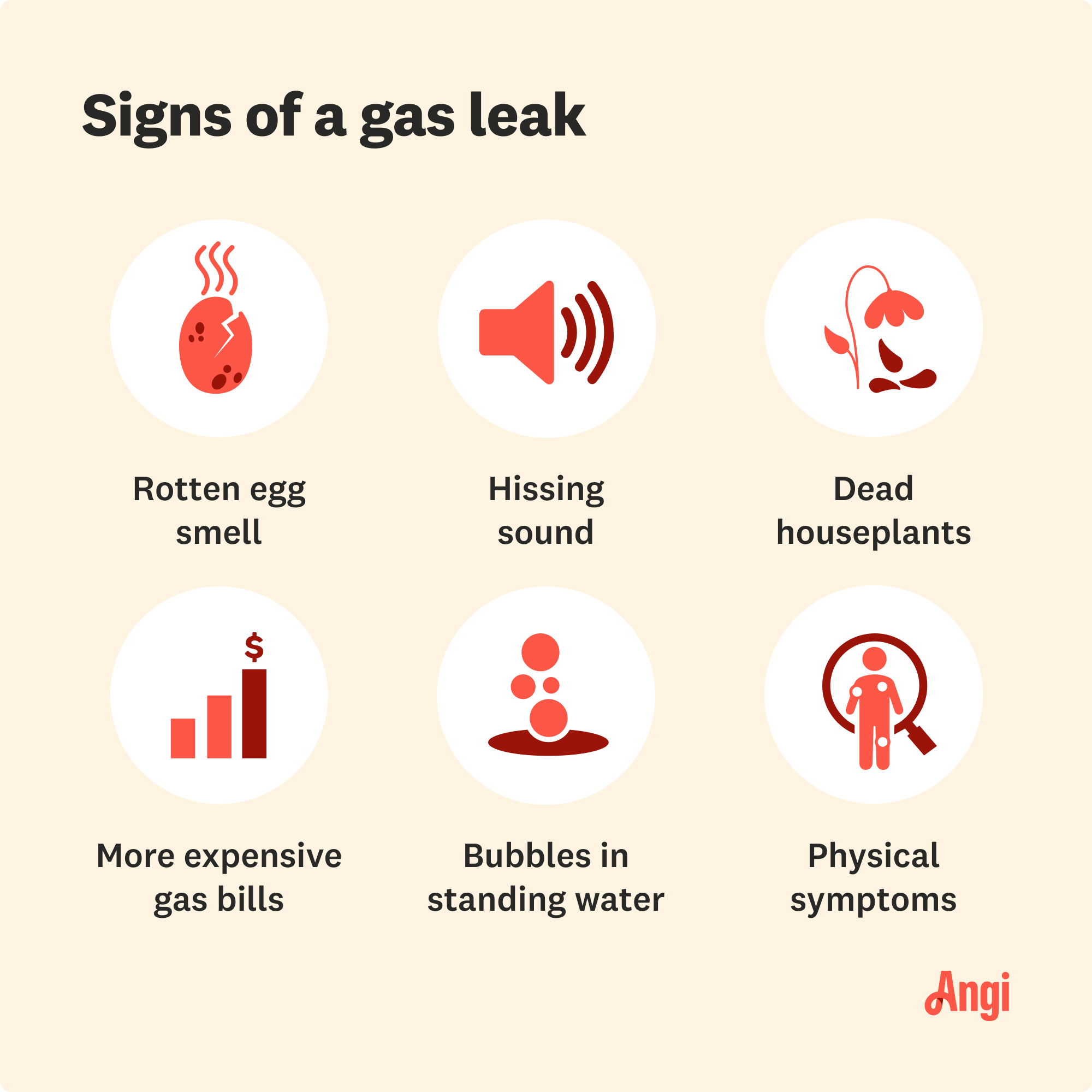
1. Strong Rotten Egg Smell
Natural gas and propane do not have a smell. Gas companies add a chemical called mercaptan to make leaks easy to notice. This chemical smells like rotten eggs or sulfur. If you smell this near your oven, it is a warning sign.
Some people become “nose blind” after a while, especially if the leak is slow. Always trust your first reaction to a strange smell. If others notice the odor too, take it seriously.
2. Hissing Or Whistling Sounds
Gas leaks sometimes make a soft hissing or whistling noise. This happens when gas escapes through a small hole or loose connection. The sound is often near the back of the oven, or where the gas line meets the wall.
It is easy to miss this sound if the kitchen is noisy. Try to listen carefully when the oven is off and the room is quiet.
3. Dead Or Dying Houseplants
Plants are sensitive to changes in the air. If you have houseplants near your oven, and they start to wilt, turn yellow, or die for no clear reason, it could be a sign of a gas leak. Gas takes away oxygen, which plants need.
Of course, plants can die for many reasons. But if several plants near the oven start dying at the same time, check for a gas leak.
4. Physical Symptoms In People Or Pets
Gas leaks can cause health problems. Common symptoms include:
- Headache
- Dizziness
- Nausea
- Fatigue
- Shortness of breath
- Confusion
Pets may seem tired or act strangely. If several people or animals feel sick only at home, especially in the kitchen, a gas leak could be the cause.
5. Pilot Light Keeps Going Out
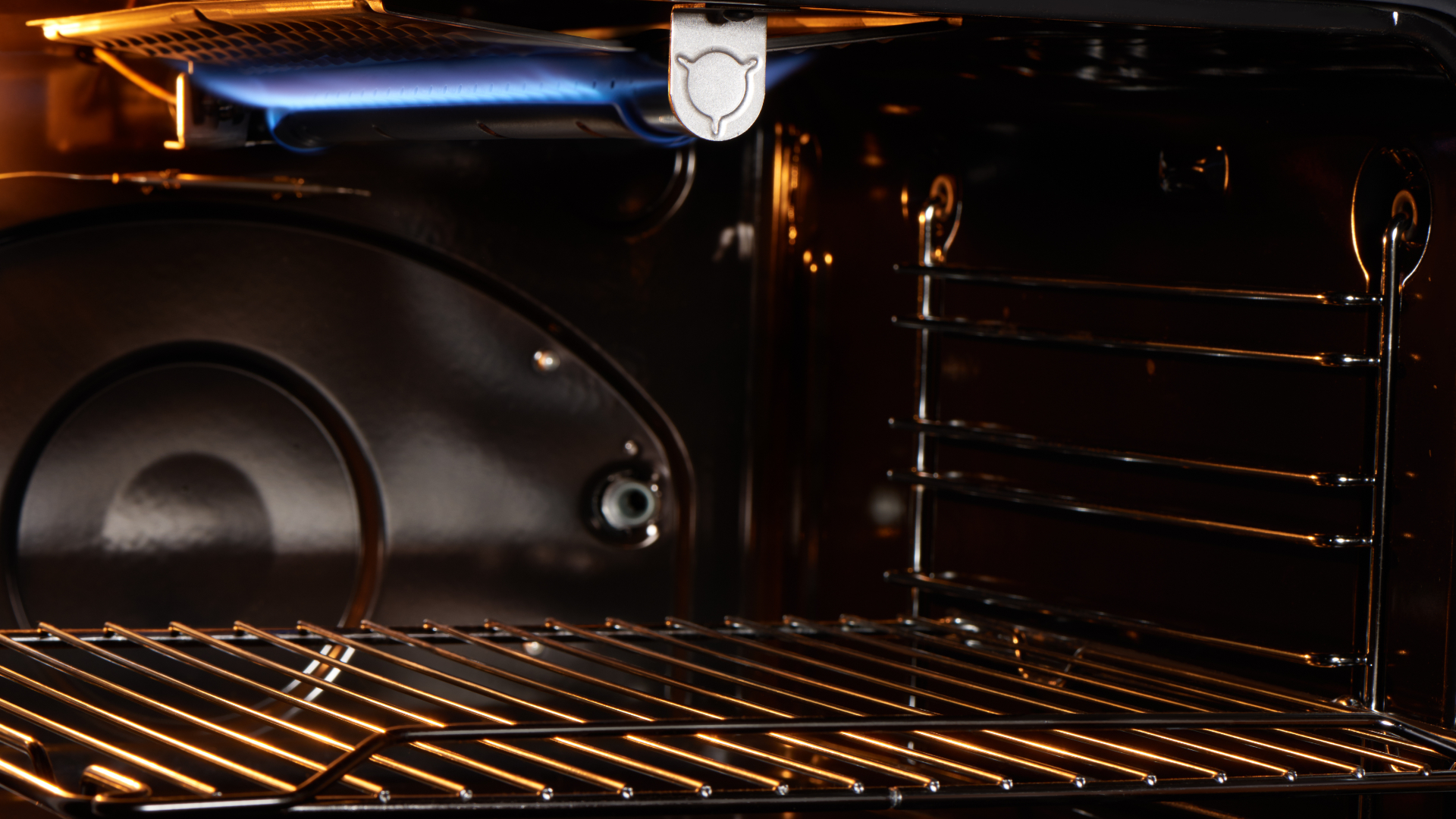
Many gas ovens have a pilot light—a small flame that stays lit. If the pilot light keeps going out, or is hard to relight, this can mean gas is escaping somewhere.
A normal pilot light is blue. If it turns yellow or orange, this means the gas is not burning correctly. This could be a sign of a leak or another problem.
6. Unusual Flames Or Soot
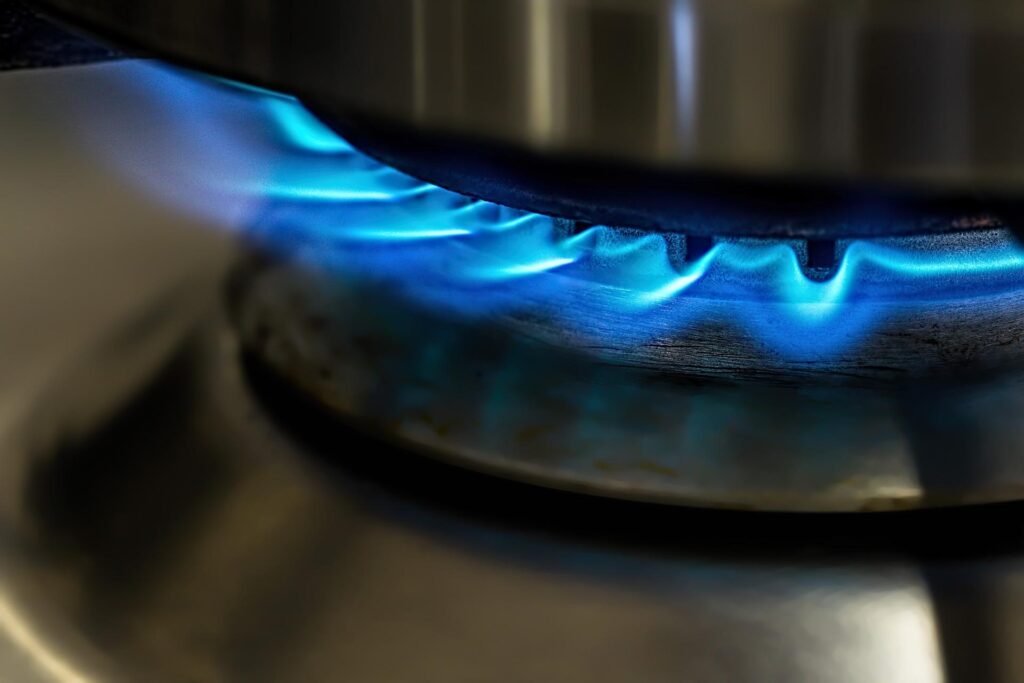
When you turn on your oven, the flame should be steady and blue. If it is yellow, orange, or very large, gas may not be burning completely. This can also make black soot on the oven walls.
A weak or “lazy” flame can mean poor gas flow or a leak nearby. Always check the flame color when you use your oven.
7. Bubbles In Soapy Water Test
This is a simple way to check for a leak. Mix a little dish soap with water. Use a sponge or spray bottle to put the soapy water on the gas connections and hose. If you see bubbles forming, this means gas is leaking.
This test is safe and does not damage your oven. But remember, do not use an open flame to check for leaks.
8. Higher Gas Bills
If your gas bill suddenly goes up and you have not used more gas, this could be a sign of a slow leak. Compare your bills month to month. Even a small leak can waste a lot of gas over time.
However, prices can rise for other reasons too. Combine this clue with other signs before you worry.
9. Dust Or Debris Blowing Near The Oven
When gas escapes quickly, it can push dust, lint, or loose debris around the oven area. If you notice dust moving for no reason, check for a leak.
This is easier to see if you have a dark floor or countertop near the oven.
10. Moisture On Windows Or Walls
When gas burns, it releases water vapor. If your oven leaks or burns gas poorly, you may notice more moisture on nearby windows or walls. This can look like fog, condensation, or small water drops.
Of course, cooking can also make steam. But unusual or constant moisture is a warning sign.
Credit: authorizedco.com
Step-by-step: How To Check For A Gas Leak
If you suspect a leak, act quickly but calmly. Here are the steps you should follow:
Step 1: Listen And Smell
Turn off all music, fans, or other noise makers. Stand near the oven and listen for hissing or whistling sounds. Smell the air for any rotten egg odor.
If you smell a strong gas odor, do not turn on or off any lights or appliances. Open windows, leave the house, and call emergency services immediately.
Step 2: Inspect The Oven And Gas Line
Look behind and around your oven. Check for:
- Loose or cracked gas hoses
- Damaged connectors
- Unusual stains or soot
- Dust moving or blowing
If you see damage, do not try to fix it yourself. Call a professional.
Step 3: Do The Soapy Water Test
Mix a few drops of dish soap with water. Apply the mixture to the joints and connections with a sponge or spray bottle. Watch for bubbles. If you see them, this means there is a leak.
Step 4: Check The Pilot Light And Flame
If your oven has a pilot light, look at it. It should be blue and steady. If it is yellow, orange, or keeps going out, this is a warning sign.
Turn on the oven and check the main flame. It should also be blue, not yellow or orange.
Step 5: Monitor Physical And Environmental Clues
Notice if people or pets feel sick only in the kitchen. Look for dying plants, moisture on windows, or high gas bills.
Step 6: Call A Professional
If you confirm a leak, or if you are not sure, call a licensed gas technician. Do not try to fix gas leaks yourself unless you are trained. Gas is dangerous, and mistakes can be deadly.
Comparing Gas Leak Signs: What’s Most Reliable?
Some signs are more obvious or serious than others. Here is a simple comparison:
| Sign | How Reliable? | Action Needed |
|---|---|---|
| Rotten egg smell | Very reliable | Evacuate, call for help |
| Hissing sound | Reliable, but not always present | Check, call technician |
| Soapy water bubbles | Highly reliable | Stop using oven, call professional |
| Dead plants | Possible clue, not proof | Look for more signs |
| Physical symptoms | Can be other causes | Check for leaks, see doctor if needed |
Credit: www.angi.com
When To Call Emergency Services
Some situations are too risky for you to handle alone. Call emergency services or your gas company right away if:
- You smell a strong rotten egg odor
- There is a loud hissing sound
- Someone is feeling dizzy, faint, or sick
- You see flames or smoke near the oven
Do not use your phone inside the house if you smell gas. Move outside first. Do not turn lights or electrical devices on or off, as a spark could trigger an explosion.
What Causes A Gas Oven To Leak?
Understanding the common causes can help you prevent leaks in the future:
1. Loose Or Damaged Connections
Gas ovens connect to the main gas line with a flexible hose or pipe. Over time, these can become loose, cracked, or worn out. Moving the oven for cleaning can also damage the hose.
2. Faulty Valves
Every oven has valves that control gas flow. If a valve breaks or does not close all the way, gas can escape even when the oven is off.
3. Poor Installation
If the oven was not installed by a professional, there may be leaks at the joints or connections. Always have a licensed technician install gas appliances.
4. Broken Igniter Or Pilot Light
If the igniter or pilot light fails, gas can fill the oven without burning. This is dangerous and can cause gas to leak into the kitchen.
5. Corroded Pipes
Old pipes can rust and develop holes. This is more common in older homes or where there is moisture under the floor or behind the oven.
How To Prevent Gas Oven Leaks
Prevention is easier and safer than dealing with a leak. Here’s how to keep your oven safe:
1. Regular Inspections
Have your oven and gas lines checked by a technician once a year. They can spot problems before they become dangerous.
2. Replace Old Hoses And Valves
Gas hoses and valves wear out over time. Replace them every 5-10 years, or if they show any sign of damage.
3. Use The Oven Correctly
Always follow the manufacturer’s instructions. Do not block air vents, and do not use the oven for heating your home.
4. Install Carbon Monoxide Detectors
Carbon monoxide is a deadly gas that has no smell. Install detectors near your kitchen and sleeping areas. Test them every month.
5. Keep The Area Clean
Dust and grease can hide leaks or make fires worse. Clean behind and under the oven often.
6. Avoid Diy Repairs
Never try to fix gas lines yourself unless you are trained. Always call a licensed professional.
How Professionals Find Gas Leaks
Technicians use special tools to find leaks safely:
1. Electronic Gas Detectors
These handheld devices “sniff” the air for gas. They are very sensitive and can find even small leaks quickly.
2. Pressure Testing
A technician may use a manometer to check the gas pressure in the oven and pipes. If the pressure drops, there is probably a leak.
3. Soapy Water Test
Professionals also use the soapy water test, but they check every joint and connector carefully.
4. Infrared Cameras
Some gas leaks can be seen with special cameras that detect heat or gas. This is used in large buildings or when the leak is hard to find.
Natural Gas Vs. Propane: Does It Matter?
Both natural gas and propane are used in ovens, but they act a little differently. Here is a comparison:
| Feature | Natural Gas | Propane |
|---|---|---|
| Smell added? | Yes (mercaptan) | Yes (mercaptan) |
| Danger to health | Displaces oxygen, risk of CO | Displaces oxygen, risk of CO |
| Explosion risk | High | High (even in small amounts) |
| Storage | Piped to home | Usually in tank |
| Common in | Cities, suburbs | Rural areas |
No matter which gas your oven uses, the signs of a leak and the steps to take are the same.
What To Do If You Find A Leak
If you confirm a leak, follow these steps:
- Turn off the gas at the main shutoff valve if you can do so safely.
- Open all windows and doors to let gas escape.
- Leave the house right away.
- Call emergency services from outside, not inside.
- Do not use electrical devices, phones, or light switches until you are outside.
- Wait for a professional to check and repair the leak before using your oven again.
Common Mistakes People Make
Even careful people can make mistakes when dealing with gas ovens. Here are some to avoid:
- Ignoring a faint gas smell, thinking it will go away
- Using a match or lighter to “find” the leak (this can cause an explosion)
- Covering warning lights or ignoring a yellow pilot flame
- Trying to move or repair the oven without training
- Waiting too long to call for help
If you are ever in doubt, it is better to be safe and call a professional.
Real-life Examples And Data
According to the U.S. National Fire Protection Association, gas leaks caused about 4,200 home fires each year between 2012 and 2016. Of these, cooking equipment was a leading source. Most injuries happened because people tried to fix the problem themselves or did not act quickly.
Another study found that over 40% of U.S. homes use natural gas for cooking. While most people never have a leak, those who do often miss the early signs.
In one real case, a family noticed a faint rotten egg smell for days. They ignored it, thinking it was from outside. Later, they felt dizzy and tired. When they finally called the gas company, technicians found a leaking hose behind the oven.
The family was lucky—if they had waited longer, the results could have been deadly.
How To Stay Safe In The Future
Here are some expert tips for ongoing safety:
- Schedule a professional inspection every year, even if you do not suspect a leak.
- Teach everyone in your home what a gas leak smells like and what to do.
- Keep emergency numbers (gas company, fire department) in a place everyone can find.
- If you rent your home, tell your landlord right away if you suspect a problem.
- Install both smoke detectors and carbon monoxide alarms near the kitchen.
Quick Reference: What To Do At Each Sign
If you notice one of the main warning signs, here’s what you should do:
| Sign | Immediate Action |
|---|---|
| Strong rotten egg smell | Evacuate, call for help |
| Hissing sound | Turn off gas if safe, call technician |
| Bubbles in soapy water test | Stop using oven, call for repair |
| Headache, dizziness | Get fresh air, see a doctor, check for leak |
| Pilot light goes out | Check for gas smell, call technician if repeated |
Where To Get More Information
You can find more details about gas safety and oven maintenance at the U.S. Consumer Product Safety Commission website.
Frequently Asked Questions
What Should I Do If I Smell Gas Near My Oven?
If you smell a strong rotten egg odor, open windows, leave your home right away, and call your gas company or emergency services from outside. Do not turn on or off any electrical devices or light switches.
How Often Should I Have My Gas Oven Checked For Leaks?
Have your oven and gas lines inspected by a licensed technician at least once a year. Regular checks can prevent leaks and keep your oven safe.
Can I Use A Lighter Or Match To Check For A Gas Leak?
Never use a lighter or match to test for gas leaks. This is extremely dangerous and can cause an explosion. Always use the soapy water test or call a professional.
Are Gas Oven Leaks Common?
Gas oven leaks are not common if the oven is installed and maintained properly. However, leaks can happen over time due to wear, damage, or poor installation.
Is A Faint Gas Smell Always A Sign Of A Leak?
A faint gas smell can come from normal oven use, but it should not last. If the smell stays, gets stronger, or returns often, check for a leak and call a professional if you are unsure.
Gas oven leaks are serious but preventable. By knowing the signs, acting quickly, and keeping your oven in good repair, you can cook safely and protect your home. If you are ever unsure, always choose safety over risk.
Credit: generaltools.com