
A pool is a place for relaxation, fun, and escape from heat. But what if, instead of smooth comfort, your pool liner suddenly feels rough—almost like sandpaper under your feet or hands? This unexpected texture can turn swimming into an unpleasant experience and might even signal bigger issues with your pool. Many pool owners face this problem and wonder what causes it, how to fix it, and how to keep their pool liner smooth and safe. If you’ve ever asked, “Why does my pool liner feel like sandpaper?” you’re in the right place.
In this article, you’ll discover the main reasons a pool liner becomes rough, how to identify the root cause, and steps you can take to restore and protect your pool’s surface. You’ll also get practical advice, real-world examples, and insights that many beginners miss.
If you want to enjoy a comfortable swim and avoid costly repairs, read on.
Understanding Pool Liners And Their Importance
A pool liner is more than just a decorative layer. It serves as a barrier between the pool structure and the water. Most liners are made from vinyl or other synthetic materials, chosen for their smoothness, flexibility, and durability. A well-maintained liner protects the pool from leaks, chemical damage, and algae growth. When the liner is smooth, swimmers enjoy comfort and safety. But when it feels rough, it can scrape skin, trap dirt, and create an unsightly look.
Pool liners are usually designed to last 7–15 years, depending on quality, care, and water chemistry. But even new liners can become rough if certain problems develop.
A smooth liner also helps with efficient pool cleaning. When the surface is even and slick, debris slides off easily during brushing or vacuuming. Roughness, on the other hand, gives dirt and algae a place to hide, making cleaning more difficult and less effective. This can set off a chain reaction: as cleaning gets harder, more debris builds up, which further damages the liner.
Another point to remember is safety. Smooth vinyl reduces the risk of cuts or “pool toe”—a common condition where rough liners abrade the skin, especially for children who love to play and run in the pool.
Common Causes: Why Pool Liner Feels Like Sandpaper
When your pool liner feels rough, it almost always means something is changing in your pool’s environment. Understanding the main causes is the first step toward a solution.
1. Calcium Scaling
The most common reason for a sandpaper-like texture is calcium scaling. This happens when calcium from your pool water forms hard deposits on the liner. These deposits feel gritty and rough to the touch.
Why Does It Happen?
- High calcium hardness levels in pool water
- Poor water balance (especially high pH and alkalinity)
- Use of hard water for refilling the pool
Calcium can start as a white film and build up over time. In severe cases, it forms large, hard patches that are difficult to remove.
How To Check For Scaling
Rub your hand over the liner. If you feel roughness mostly on the bottom or waterline, and see white or grayish deposits, it’s likely calcium scale.
Scaling can also be uneven. Sometimes you’ll feel it only in certain spots—usually where water circulation is weak, like corners or stairs. In advanced cases, you may even hear a scraping sound when you walk or brush your hand across the liner.
2. Chemical Imbalance
Water chemistry is crucial for liner health. When pH, alkalinity, or sanitizer levels are off, they can cause liner degradation or promote scaling.
- High pH (above 7.8) allows minerals to come out of solution and stick to surfaces.
- High alkalinity makes it harder to control pH, increasing the risk of scaling.
- Low cyanuric acid can make chlorine less stable, leading to increased sanitizer use and liner wear.
Even short-term chemical imbalance can have long-lasting effects. For instance, a week of high pH during hot weather can set the stage for scale that takes months to fully remove.
3. Poor Maintenance Habits
Even with good water chemistry, poor cleaning can create problems:
- Allowing dirt, leaves, or organic matter to stay in the pool can cause buildup and roughness.
- Not brushing the liner regularly lets scale and algae take hold.
Seasonal changes can make this worse. In the fall, leaves and pollen can settle on the liner, and if not removed quickly, they start to break down and stick to the surface, forming a gritty layer.
4. Age And Liner Deterioration
Vinyl liners naturally become less flexible and rougher as they age. UV rays, chemicals, and physical wear all play a role. Older liners may lose their smooth coating, exposing the rougher base material.
Tiny cracks and faded areas are warning signs of this process. As the liner gets older, the plasticizers (compounds that keep vinyl soft) slowly evaporate, making the liner feel harder and more abrasive.
5. Algae And Biofilm
Some types of algae and biofilm can create a slimy or bumpy texture, especially on neglected liners. Dead algae can mix with calcium to form even rougher patches.
Not all algae are green—black algae and pink slime can feel particularly gritty and are much harder to remove once they take hold.
6. Incorrect Use Of Pool Chemicals
Adding pool chemicals incorrectly—like dumping shock directly on the liner—can cause bleaching, roughness, or even small holes in vinyl.
Granular chlorine and calcium-based shocks are especially risky. They should always be dissolved in a bucket of water before being added to the pool, and poured around the perimeter, not dumped in one spot.
7. Erosion And Abrasion
Heavy pool use, dragging toys or cleaning tools across the liner, or letting pets with claws swim can physically scratch the liner, making it feel like sandpaper.
Even pool cleaning robots with hard wheels or brushes can leave marks if not designed for vinyl pools.
Non-obvious Insight:
Some pool owners assume only old liners become rough, but even new liners can scale rapidly if calcium levels are high or maintenance is poor.
Also, some roughness is seasonal. For example, after a heavy rainstorm, minerals and debris can settle on the liner, causing a short-term gritty feel.

Credit: www.americandreampool.com
How To Diagnose The Real Problem
To fix a rough liner, you need to know the exact cause. Here’s a practical approach:
- Check Water Chemistry: Test for pH, alkalinity, calcium hardness, and chlorine. You can use a pool test kit or take a water sample to a pool store.
- Inspect Visually and by Touch: Look for white, chalky deposits (scaling) or green/black spots (algae). Run your hand over the liner to locate the roughest areas.
- Check Pool Age and History: If your liner is over 8–10 years old, age might be a factor. Note any recent chemical treatments or major water changes.
- Review Maintenance Records: Have you skipped brushing or vacuuming? Did you add chemicals directly to the pool?
If you’re still unsure, use a magnifying glass to look at the texture. Calcium scale often looks crystalline or powdery, while algae looks more organic and comes off when rubbed.
Example:
If you find high calcium hardness (over 400 ppm) and white patches, scaling is the likely problem. If pH is normal but the liner is old and faded, deterioration is probably the cause.
The Dangers Of A Rough Pool Liner
A sandpaper-like liner is not just uncomfortable—it can lead to more serious issues:
- Skin scrapes: Children and adults can get small cuts or rashes.
- Increased dirt buildup: Rough surfaces trap dirt and algae, making cleaning harder.
- Liner damage: Hard scale can crack or tear the liner, causing leaks.
- Shorter liner lifespan: The liner may need replacement years earlier than expected.
Another risk is water clarity. As dirt and algae stick to the rough surface, your pool can turn cloudy faster, no matter how well you run the filter. This also means you’ll need to use more chemicals to keep the water clear, which can worsen liner wear.
Taking action early can save you from bigger problems and expensive repairs.
Solutions: How To Restore A Smooth Pool Liner
Once you know why your pool liner feels rough, you can choose the best method to fix it. Solutions depend on the cause.
For Calcium Scaling
- Lower Water Hardness: If your calcium hardness is high, partially drain and refill the pool with softer water.
- Balance Pool Chemistry: Aim for pH between 7.2 and 7.6, alkalinity 80–120 ppm, and calcium hardness 200–400 ppm.
- Remove Scale: Use a soft brush or a vinyl-safe scale remover. Avoid metal brushes, which can damage the liner.
Example Process:
- Test water and adjust chemistry.
- Brush affected areas gently.
- Add a scale remover following the manufacturer’s instructions.
- Circulate water for 24–48 hours, then vacuum and backwash your filter.
Be patient—removing scale can take several treatments. For stubborn spots, you may need to gently rub the area with a clean cloth soaked in a diluted scale remover.
For Chemical Imbalance
Restore balance by adjusting pH, alkalinity, and sanitizer levels. Use a pool calculator to avoid over-correction.
If you have trouble keeping levels steady, check your source water and make sure you’re testing at the same time each day, as sunlight and temperature can affect readings.
For Liner Deterioration
If the liner is very old and rough everywhere, replacement may be the only solution. Sometimes, applying a vinyl conditioner can temporarily improve texture.
Conditioners work by adding a thin, slippery layer to the surface, but they won’t fix deep cracks or holes. Use them as a short-term comfort fix while you plan for replacement.
For Algae/biofilm
Superchlorinate (shock) the pool, brush thoroughly, and maintain proper sanitizer levels to prevent recurrence.
If algae comes back quickly, check for hidden areas where water doesn’t circulate well—like behind ladders or in corners. You may need to increase circulation or clean those spots by hand.
For Abrasion
Check for sharp edges, repair or patch damaged spots, and avoid dragging objects on the liner.
You can also use liner-friendly pool mats in high-traffic areas to reduce wear, especially if you have kids who play rough or pets who swim often.
Non-obvious Insight:
Many pool owners try to scrub scale with hard brushes, but this can tear vinyl. Always use a vinyl-specific brush and test cleaning products on a small area first.
If you’re unsure about a product, call the manufacturer or ask a pool professional before using it.
Preventing Roughness: Long-term Strategies
Prevention is the best approach. Here’s how to keep your pool liner smooth and comfortable year-round.
1. Test And Adjust Water Weekly
Regular testing helps you catch problems early. Focus on:
- PH: 7.2–7.6
- Total alkalinity: 80–120 ppm
- Calcium hardness: 200–400 ppm
- Free chlorine: 1–3 ppm
Investing in a reliable digital test kit can make the process easier and more accurate than using only test strips.
2. Brush And Vacuum Regularly
Brush the liner at least once a week, especially at the waterline and steps where buildup starts.
Don’t forget to vacuum the pool floor, since debris settles there and can cause rough patches if left too long.
3. Use Quality Chemicals
Choose chemicals made for vinyl pools and always pre-dilute them. Never pour directly onto the liner.
Store chemicals in a cool, dry place away from the pool to prevent accidental spills or contamination.
4. Maintain Filter And Circulation
A clean filter and good water flow help remove minerals before they settle.
Backwash sand or DE filters as recommended, and clean cartridge filters regularly. Dirty filters reduce water movement, making it easier for scale and algae to form.
5. Manage Calcium Input
If your fill water is very hard, consider using a pre-filter or water softener for top-ups. This can dramatically reduce scale risk.
Ask your local water company for a hardness report. It will help you plan how often to test and adjust your pool water.
6. Cover The Pool
A pool cover keeps debris out and reduces evaporation, which helps maintain chemical balance.
Covers also block sunlight, which slows algae growth and reduces the breakdown of chemicals.
7. Inspect Liner Annually
Look for early signs of wear, especially at seams and corners.
Early repairs are much cheaper than a full liner replacement. Use a patch kit for small holes or tears before they get worse.
Key Fact:
Most pool liner roughness is preventable with regular, simple maintenance—but only if you’re consistent.
Missing just a few weeks of cleaning during hot or rainy weather can undo months of good care.
Credit: www.homedepot.com
Comparing Pool Liner Materials: Which Is Most Likely To Feel Rough?
Some liner types are more prone to roughness than others. Here’s a practical comparison:
| Liner Material | Smoothness (New) | Roughness Risk (Aged) | Typical Lifespan |
|---|---|---|---|
| Standard Vinyl | Very Smooth | Moderate | 7–12 years |
| Thick Gauge Vinyl | Very Smooth | Low | 10–15 years |
| Pebble/Tile (Non-Vinyl) | Varies | High (if not maintained) | 15–30 years |
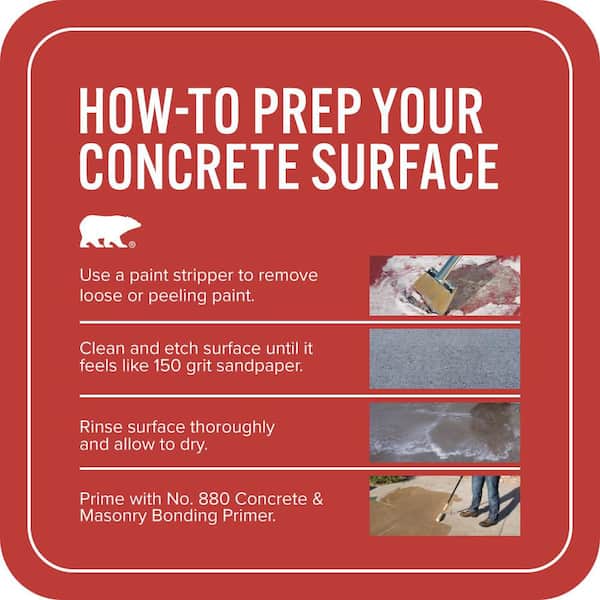
| Painted Concrete | Slightly Rough | Very High | 5–10 years |
Vinyl is chosen for its comfort, but all liners can become rough if neglected.
With pebble or tile finishes, roughness comes from both scaling and grout erosion. Painted concrete pools are rougher by nature, so even small amounts of scale or algae are more noticeable.
When Should You Replace A Rough Pool Liner?
Sometimes, repair isn’t enough. Here’s how to know if it’s time to replace your liner:
- Severe or widespread roughness
- Visible tears, cracks, or leaks
- Faded or brittle spots that don’t improve after cleaning
- Liner age over 10–12 years with multiple problems
A liner that feels rough everywhere and also looks faded or stretched is likely at the end of its life, even if it’s not leaking yet.
Example:
If your liner feels rough everywhere, is faded and cracked, and cleaning doesn’t help, replacement is likely the best option.
In some cases, you may notice the liner pulling away from the pool wall at the waterline or corners. This is a sign the material has lost its strength and flexibility.

Credit: www.youtube.com
Cost Comparison: Cleaning Vs. Replacing Your Liner
Homeowners often wonder whether to repair or replace a rough liner. Here’s a quick comparison:
| Solution | Average Cost | When to Choose |
|---|---|---|
| Professional Cleaning | $150–$400 | Minor–moderate scaling, liner under 8 years old |
| DIY Cleaning Products | $30–$100 | Small areas, early-stage scale |
| Liner Replacement | $1,200–$5,000 | Widespread roughness, old or damaged liner |
Cleaning is much cheaper, but sometimes replacement is the only way to restore comfort and safety.
Remember, hidden costs like water refilling, chemical rebalancing, or professional installation can add up during replacement. Always get a full quote before starting work.
Real-world Example: Fixing A Rough Liner
Let’s look at a common scenario:
A family notices their 6-year-old vinyl pool liner feels like sandpaper, especially on the deep end floor. Testing shows calcium hardness at 460 ppm and pH at 8. 0. There are white patches at the waterline.
Solution steps:
- Lower water level by 1/3 and refill with softer water.
- Add pH reducer to bring pH to 7.4.
- Use a vinyl-safe scale remover and brush gently.
- Maintain chemical balance for two weeks, monitoring scale.
Within a month, the liner feels much smoother. No replacement needed.
This example also shows the value of patience and multiple treatments. Quick fixes rarely work with pool scale, but steady, gentle cleaning protects your liner and wallet.
Myths And Mistakes About Rough Pool Liners
Many pool owners fall for common myths that can make the problem worse.
- Myth: Only old pools get rough liners.
- Fact: Even new liners can become rough with poor chemistry.
- Myth: Scrubbing harder will solve the problem.
- Fact: Hard scrubbing damages vinyl and makes roughness worse.
- Myth: Adding more chemicals will “burn off” roughness.
- Fact: Overdosing chemicals can harm the liner further.
Some owners try home remedies like vinegar or baking soda for scale. While these may help on kitchen tiles, they’re not strong enough for pool scale and can unbalance your water.
Always use gentle, liner-safe cleaning methods and fix water balance first.
Professional Help: When To Call An Expert
Some problems are best left to professionals. Call a pool expert if:
- You see large, stubborn white patches that don’t respond to cleaning.
- Your liner has visible tears or leaks.
- You’re unsure how to safely balance pool chemicals.
- The liner is old and brittle.
A professional can test for hidden problems and recommend repair or replacement.
Pool experts may also have access to stronger, commercial-grade scale removers that aren’t sold in stores. This can save you time and prevent accidental liner damage.
Frequently Asked Questions
Why Does My Pool Liner Feel Like Sandpaper After Winter?
When a pool sits unused over winter, water chemistry can change. Calcium levels often rise, and scale forms on the liner, making it feel rough. Always test and balance your water before reopening your pool.
Also, debris or algae that settled during the off-season can harden if not cleaned right away. Brushing and shocking as soon as you open the pool helps prevent problems.
Can I Use Household Cleaners To Remove Roughness From My Pool Liner?
No, most household cleaners are too harsh for vinyl and can cause discoloration or damage. Always use products designed for vinyl pool liners.
If you’re unsure, check the label or consult a pool supply store.
Is It Safe To Swim If My Liner Feels Rough?
It’s usually safe, but rough liners can cause scrapes or rashes, especially for children. Long-term, it’s better to fix the problem to avoid further liner damage.
If you notice cuts or irritation after swimming, stop using the pool until the issue is resolved.
How Often Should I Check My Pool’s Calcium Hardness?
Check calcium hardness at least once a month, or more often if you notice scaling or roughness. Regular testing helps prevent scale buildup.
Hard water areas may need more frequent testing, especially after rain or heavy use.
Where Can I Learn More About Pool Water Chemistry?
For in-depth information, visit the Swimming Pool Sanitation page on Wikipedia, which covers water balance and maintenance in detail.
A smooth pool liner makes swimming safe and enjoyable. With consistent care and quick action, you can prevent roughness and keep your pool in top condition for years to come. If you notice your pool liner feels like sandpaper, don’t wait—identify the cause, take action, and enjoy your pool the way it was meant to be.