
When you start filling your swimming pool and see the walls bending inward, it can feel like a disaster. Many pool owners, especially those with above-ground pools, face this scary problem: pool walls caving in while filling. This issue is not only alarming but can also lead to expensive repairs, wasted water, and even injuries. Understanding why pool walls cave in, how to prevent it, and what to do if it happens is key to keeping your pool safe and enjoyable for years.
Let’s explore everything you need to know about pool walls caving in during the filling process. This guide covers the causes, signs, prevention tips, repair options, and expert advice you won’t find in most basic tutorials. Whether you’re setting up your first pool or have years of experience, you’ll find clear, practical information to protect your investment.
Why Do Pool Walls Cave In While Filling?
Most pool walls are designed to handle the pressure from thousands of gallons of water. However, sometimes things go wrong, especially during the filling process. Here are the main reasons why pool walls cave in:
1. Uneven Backfill Or No Backfill
Above-ground pool walls need support from the earth around them. Without proper backfill (the soil placed against the outer wall), the pool wall has little to hold it in place when water is added. If backfill is missing, uneven, or too loose, the walls can buckle inward as the pressure changes.
2. Water Filling Too Quickly
Filling the pool too fast can put uneven pressure on the walls before the water can push outward and balance things. For example, if you blast water in at full speed, one side of the pool may fill faster, creating weak spots that fold or collapse.
3. Poor Ground Preparation
If the pool is installed on soft, unstable soil or an uneven base, the walls don’t have a solid foundation. As water weight increases, the ground may shift or settle, causing the walls to move and possibly cave in.
4. Incorrect Liner Installation
A pool liner that is too tight, wrinkled, or not fitted properly can pull on the walls. When water fills the pool, the liner may tug unevenly, stressing certain sections of the wall until they bend or collapse.
5. Old Or Rusted Walls
Metal pool walls can rust over time, especially if exposed to moisture without proper treatment. Weak, corroded sections are much more likely to fail during filling.
6. Water Or Soil Erosion
If water is leaking into the backfill area (for example, from rain or poor drainage), the soil supporting the wall can wash away. This leaves the wall unsupported, and it can cave in suddenly as the pool fills.
7. Manufacturer Or Installation Errors
Sometimes, even brand new pools have issues due to manufacturer defects or mistakes during assembly. Missing bolts, loose panels, or out-of-spec materials can make walls weaker than expected.
Non-obvious Insight 1
Many pool owners don’t realize that the biggest risk for caving in is during the initial filling—when the liner is stretching, and the walls are not yet fully supported by the water’s outward force. Once the pool is full, the water helps hold the walls up, but during filling, the balance is delicate.
Non-obvious Insight 2
The type of soil around your pool makes a big difference. Sandy or loose soil provides less support than clay or compacted earth. If you have sandy soil, you need to be extra careful with backfill and drainage.
Signs Your Pool Walls Are About To Cave In
Catching problems early can save your pool. Here’s what to watch for as you fill:
- Walls bending inward: Even small bends or flexing could mean trouble.
- Wrinkling or pulling of the liner: This shows uneven pressure.
- Cracking sounds: Metal or plastic making noise often means stress.
- Sudden loss of water: This could mean a liner tear or wall breach.
- Visible gaps between the wall and the earth outside.
If you see any of these, stop filling immediately and check for the cause.
How Water Pressure Affects Pool Walls
To understand why pool walls collapse, it helps to know how water pressure works. When you fill a pool, water pushes outward against the liner and walls. This outward force is what keeps the walls stable.
If the wall is not supported—either by backfill, a solid base, or the water inside—then outside air pressure and soil can push the wall inward. During filling, the balance between outward and inward pressure changes quickly. Any weak spot may give way.
Water Depth Vs. Wall Pressure
Here’s a simple comparison to show how water depth increases pressure on pool walls:
| Water Depth | Pressure on Wall (per sq ft) | Risk of Caving In |
|---|---|---|
| 12 inches (1 ft) | 62.4 lbs | Low |
| 24 inches (2 ft) | 124.8 lbs | Medium |
| 48 inches (4 ft) | 249.6 lbs | High |
You can see that as water gets deeper, the pressure increases rapidly. Weak or unsupported walls can’t handle the force.
Preventing Pool Walls From Caving In
Prevention is always better than repair. Here’s how you can avoid this problem from the start.
1. Proper Ground Preparation
- Clear all rocks, roots, and debris from the site.
- Level the ground with a compactor; don’t just use loose sand.
- If your soil is very soft, consider a concrete or gravel base.
2. Quality Backfill
- Use compacted soil or gravel around the outside of the pool wall.
- Backfill in small layers, compacting each one as you go.
- Never leave large gaps or air pockets.
3. Controlled Water Filling
- Fill the pool slowly and evenly.
- Watch the liner and walls as you go.
- Never leave the pool unattended while filling.
4. Correct Liner Installation
- Make sure the liner fits with a little slack—it should not be stretched tight.
- Remove any wrinkles as you fill.
- Use a vacuum if needed to “set” the liner evenly.
5. Wall Inspection And Maintenance
- Check for rust, dents, or soft spots before each season.
- Paint or seal metal walls to prevent corrosion.
- Replace weak or damaged sections right away.
6. Drainage And Erosion Control
- Direct downspouts and sprinklers away from the pool.
- Make sure the backfill area stays dry.
- Add landscaping to hold soil in place.
7. Follow Manufacturer’s Instructions
- Always follow the pool brand’s guidelines for setup.
- Use all recommended hardware and supports.
Non-obvious Insight 3
Backfilling is not just about supporting the wall—it also helps keep the liner in place and prevents rodents or insects from getting between the liner and the wall, which can create weak spots over time.
What To Do If Your Pool Walls Start To Cave In
Reacting quickly can sometimes save the pool, but safety is the priority. Here’s what to do:
- Stop filling immediately. Any additional water adds more pressure.
- Drain some water out if the wall is already bending. Use a pump—never try to bail by hand.
- Check for leaks. If the liner has torn, patch it if possible.
- Reinforce the outside. Add temporary bracing or backfill to push the wall outward.
- Call a pool professional if the wall is badly damaged or if you’re unsure what to do.
Sometimes, it’s possible to gently push a wall back into place if caught early and the water is low. But never force a wall—this can cause the liner to tear or the wall to snap.
Repairing Caved-in Pool Walls
If your pool wall has caved in, the repair depends on the damage. Here are the most common repair strategies:
Minor Dents Or Bends
- Drain the pool below the damaged area.
- Use wood blocks and gentle pressure to push the wall back out.
- Check for liner tears and patch as needed.
- Refill slowly, watching for movement.
Major Collapse
- Completely drain the pool.
- Remove the liner and inspect the wall.
- Replace any broken or rusted panels.
- Re-level and compact the base before reinstalling.
- Install a new liner if the old one was damaged.
Professional Repair
For large above-ground pools or severe collapses, it’s often safer and more cost-effective to hire a pro. They can spot structural issues you might miss and ensure everything is put back correctly.
Cost Comparison
Here’s a quick look at average costs for different repair types:
| Repair Type | Estimated Cost (USD) | DIY or Pro? |
|---|---|---|
| Minor Dent/Bend | $100–$300 | Usually DIY |
| Panel Replacement | $500–$1,500 | Pro Recommended |
| Full Wall Replacement | $2,000–$5,000 | Professional Only |
Above-ground Vs. In-ground Pools: Which Is More At Risk?
Most cases of walls caving in happen with above-ground pools. The walls are usually thin steel or resin and depend on the earth around them for support. In-ground pools have thick concrete or fiberglass shells, which are less likely to cave in but can still suffer if the ground shifts or if they’re drained improperly.
Key Differences
| Pool Type | Wall Material | Caving Risk | Main Causes |
|---|---|---|---|
| Above-Ground | Steel/Resin | High | Backfill, Fast Filling, Liner Issues |
| In-Ground | Concrete/Fiberglass | Low | Soil Erosion, Poor Drainage |
Real-world Example: What Happens When Walls Collapse
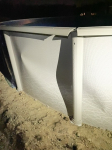
Consider this true story from a pool owner: They filled their new above-ground pool without adding backfill. Halfway through, one side started to bend. Within minutes, the wall caved in, water rushed out, and the liner tore. The repair cost almost as much as a new pool.
This example shows the importance of following every step in pool setup, especially with above-ground models.
Credit: www.troublefreepool.com
Common Mistakes That Lead To Pool Wall Collapse
Even experienced pool owners sometimes make errors. Here are the most common mistakes:
- Skipping the compaction step: Loose soil or sand under the pool can shift.
- Not watching the fill process: Leaving the hose running while you’re away is risky.
- Ignoring small wall bends: Small problems get worse quickly under pressure.
- Using old or reused liners: Worn liners don’t stretch evenly and can cause stress points.
- Poor drainage planning: Waterlogged soil undermines the wall’s support.
How To Choose The Right Pool Wall Material
If you’re buying a new pool or replacing walls, material matters. Here’s what to look for:
Steel Walls
- Pros: Strong, widely available, affordable.
- Cons: Can rust if not coated properly.
- Tip: Look for galvanized or resin-coated steel for longest life.
Resin Walls
- Pros: Won’t rust, lightweight, easy to handle.
- Cons: Can be less strong than steel, may crack in extreme cold.
Aluminum Walls
- Pros: Lightweight, rustproof.
- Cons: More expensive, can dent easily.
Concrete (in-ground Only)
- Pros: Extremely strong, lasts decades.
- Cons: Expensive, needs professional installation.
Non-obvious Insight 4
It’s not just the wall material, but also the support structure (top rails, uprights, base plates) that keeps an above-ground pool stable. Weak or missing parts here can lead to wall collapse even if the wall itself is strong.

Credit: www.youtube.com
When Should You Replace Pool Walls?
If you notice any of the following, it’s time to consider new walls:
- Large areas of rust (especially near the base)
- Cracks or holes in metal or resin
- Severe dents that can’t be pushed out
- Missing hardware that can’t be replaced
Trying to patch over major structural problems is risky and can lead to a repeat collapse.
Expert Tips For A Safe, Long-lasting Pool
- Inspect before each season: Don’t wait for a problem to show itself.
- Keep the area around the pool dry: Good landscaping helps.
- Use a pool cover in the off-season to prevent water getting behind the wall.
- Follow fill instructions exactly: Every manufacturer is slightly different.
- Don’t overload the pool: Adding rocks, fountains, or heavy decorations can stress the walls.

Credit: www.reddit.com
Pool Wall Caving And Insurance: Are You Covered?
Not all pool accidents are covered by homeowner’s insurance. Most policies exclude damage from poor installation or lack of maintenance. However, some plans may help with sudden accidents or storm damage. Always check your policy and talk to your agent before making a claim.
The Importance Of Professional Pool Installation
While DIY pool kits are popular, hiring a professional installer can save money in the long run. Pros know how to:
- Assess the soil and drainage
- Compact and level the base properly
- Install liners without wrinkles or stress points
- Backfill correctly and safely
Many manufacturers even require professional installation for warranty coverage.
For more details on pool construction and safety, check out this Wikipedia article on swimming pools.
Frequently Asked Questions
What Is The Main Cause Of Pool Walls Caving In While Filling?
The most common cause is improper or missing backfill around the pool wall. Other major causes include filling too quickly, poor ground preparation, and using an incorrectly installed liner. Weak or rusted walls and waterlogged soil are also risks.
Can I Fix A Caved-in Pool Wall Myself?
For minor bends, you can sometimes drain the pool, push the wall back, and reinforce with compacted soil. However, major collapses usually require new panels or professional repair. Always check for liner damage before refilling.
How Can I Prevent My Pool Wall From Caving In During The Next Fill?
Prepare the ground properly, use quality backfill, fill slowly while watching for movement, and install the liner with a little slack. Regularly inspect the wall for rust or weak spots and keep the surrounding area dry and stable.
Is This Problem More Common With Above-ground Or In-ground Pools?
Above-ground pools are much more likely to have walls cave in because their thin steel or resin walls rely on backfill and proper setup. In-ground pools are usually reinforced concrete or fiberglass, which are less likely to collapse.
Should I Call My Insurance If My Pool Wall Collapses?
Check your policy first. Many homeowner’s insurance plans exclude pool damage from poor installation or maintenance. If the damage is sudden or due to a covered event (like a storm), you may have coverage. Always talk to your agent before making repairs.
—
Understanding why pool walls cave in while filling helps you avoid costly mistakes and keep your swimming pool safe. With the right preparation, careful filling, and regular maintenance, your pool can last many enjoyable seasons. Don’t overlook the details—small steps like proper backfill, slow filling, and inspection make all the difference. Remember, if you’re ever unsure, it’s always best to consult a pool professional before things go wrong.