
If you are planning a new shower or renovating your bathroom, one question often comes up: Do I need a shower pan on a concrete floor? Many homeowners believe that a concrete slab is already waterproof and strong enough to support a shower. But the answer is more complex. The choice you make will affect not only the function of your shower but also the long-term health of your home. Let’s look closely at what a shower pan does, why it matters—even on concrete—and how to make the best decision for your space.
What Is A Shower Pan?
A shower pan is the waterproof base of a shower. It sits below the tile or finished surface, collecting water and directing it to the drain. Think of it as a hidden layer that keeps water from seeping into the floor structure. Shower pans are made from different materials: fiberglass, acrylic, PVC liners, or even custom-poured mortar beds.
On a concrete floor, you might assume water will not cause damage. However, water can still penetrate concrete, especially over time or through cracks. That’s why the shower pan plays a critical role, even if your shower is built on a solid slab.
Why Waterproofing Matters On Concrete Floors
Concrete may seem indestructible, but it is not completely waterproof. When exposed to water day after day, moisture can travel through tiny pores or cracks in the concrete. This moisture can cause several problems:
- Mold and mildew growth below tiles
- Damage to finishes, like tile or grout
- Expansion and contraction of the concrete, leading to cracks
- Unpleasant odors from trapped moisture
A proper shower pan acts as a barrier to stop water before it can reach your concrete floor. This is especially important in humid climates or homes where the bathroom is above another living space.
The Difference Between A Shower Pan And A Concrete Slab
It’s easy to confuse the shower pan with the concrete floor itself. Here’s a quick comparison:
| Feature | Shower Pan | Concrete Floor |
|---|---|---|
| Waterproofing | Designed to prevent leaks | Not fully waterproof |
| Drainage Slope | Built-in slope to drain | May be flat or uneven |
| Maintenance | Easy to clean or replace | Can crack or stain |
| Protection | Shields subfloor | Vulnerable to water |
Concrete provides strength but not a guarantee against water damage. The shower pan is the true waterproof layer.
Do Building Codes Require A Shower Pan On Concrete?
Most local building codes in North America and Europe require a waterproof shower pan for any shower installation—even over concrete. Codes are strict because water leaks can cause major structural problems and even health issues from mold. Inspectors often check for a shower pan before approving new construction or remodeling work.
Some codes allow for a “site-built” pan, where you use a waterproof liner and mortar bed on top of the concrete. Others require a pre-formed pan made of acrylic or fiberglass. Either way, skipping the shower pan can mean failing inspection and costly repairs later.
How Water Moves Through Concrete Floors
Many people are surprised to learn that concrete is a porous material. Water can move through it in two ways:
- Capillary Action: Water moves through small pores in the concrete. Over time, this can soak the slab, especially if there’s standing water.
- Cracks: Small cracks in concrete let water pass quickly. This is common in older homes or where the floor settles.
Once water gets below the tile, it can travel far. It may not be visible, but problems grow over weeks or months.
Types Of Shower Pans For Concrete Floors
There are several ways to install a shower pan over concrete. Here are the main types:
1. Pre-formed (prefabricated) Shower Pans
These are made from acrylic, fiberglass, or composite materials. They are popular because they are easy to install and already have the correct slope. Pre-formed pans come in standard sizes and shapes.
Pros:
- Quick to install
- Reliable waterproofing
- Less chance for mistakes
Cons:
- Limited shapes and sizes
- Must fit your exact floor plan
2. Mortar Bed With Waterproof Membrane
This method is sometimes called a “mud bed” or “site-built” shower pan. It involves pouring a sloped mortar base over the concrete, then adding a waterproof liner (usually PVC or CPE membrane). Tile is installed on top.
Pros:
- Flexible for any size or shape
- Strong, durable base
Cons:
- More labor and skill required
- Mistakes in slope or membrane can cause leaks
3. Liquid Waterproofing Membrane
Some builders use a liquid-applied membrane. This is a paint-on product that dries to form a seamless, waterproof barrier. It is applied over the sloped mortar bed.
Pros:
- Good for complex shapes
- No seams or folds
Cons:
- Needs careful, even application
- Not as common for DIY
4. Sheet Membranes
These are roll-out plastic or rubber sheets. They are installed below the tile and above the sloped mortar. Brands like Schluter-KERDI are popular in modern showers.
Pros:
- Reliable waterproofing
- Used in high-end showers
Cons:
- Can be expensive
- Takes practice to install correctly
Steps To Install A Shower Pan Over Concrete
If you decide to use a shower pan (and you should), here’s a general outline of the steps:
- Inspect the Concrete: Check for cracks, moisture, or uneven surfaces. Repair as needed.
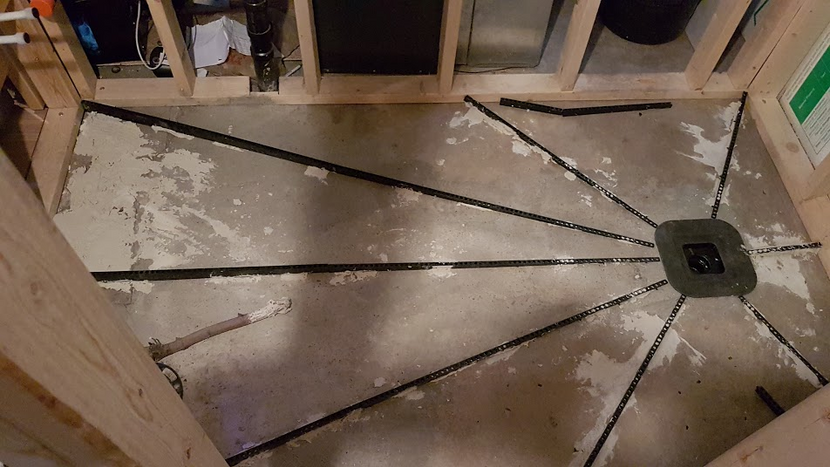
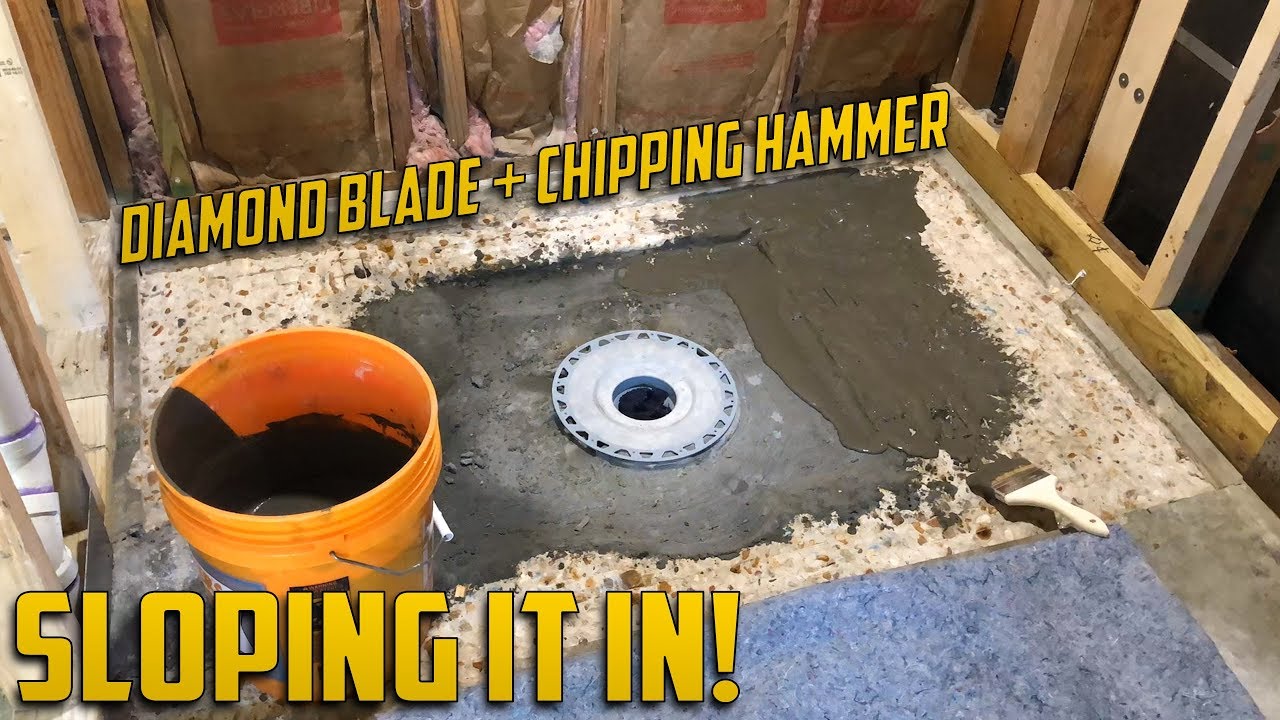
- Create a Slope: The shower floor should slope 1/4 inch per foot toward the drain.
- Install the Drain: Place the shower drain assembly in the concrete.
- Lay Waterproofing: For site-built pans, install a membrane or liner over the sloped mortar bed.
- Set the Pan or Mortar Bed: Place the pre-formed pan or pour the mortar bed.
- Seal Edges and Corners: Use waterproof tape or sealant at all edges.
- Install Tile (Optional): For tiled showers, set tile on top of the waterproofed surface.
- Test for Leaks: Fill the base with water and check for any leaks before finishing walls.
Each step must be done carefully. Missing a step or rushing can lead to leaks that are hard to fix later.
Common Mistakes When Skipping A Shower Pan
Some people try to save money or time by tiling directly onto the concrete slab. Here are some common problems that happen:
- Water leaks into other rooms or lower floors
- Mold and mildew grow behind walls or under tiles
- Tiles loosen or crack as the concrete expands and contracts
- Insurance claims denied because the shower was not built to code
Shortcuts now can mean big bills and health risks later. Even if your concrete seems dry, moisture can appear years later.
Credit: dixsystems.com
Cost Comparison: With Vs. Without A Shower Pan
Many people worry about the cost of adding a shower pan. Let’s break down the costs for a typical shower (36” x 36”):
| Option | Materials | Labor | Total Cost |
|---|---|---|---|
| With Pre-Formed Pan | $250 – $500 | $300 – $600 | $550 – $1,100 |
| With Mortar Bed + Liner | $150 – $400 | $500 – $1,200 | $650 – $1,600 |
| Tile Directly on Concrete (Not Code) | $50 – $150 | $200 – $400 | $250 – $550 |
Skipping the shower pan may save a few hundred dollars now, but the risk of water damage can lead to thousands in repairs later. Most experts agree: the pan is worth the cost.
Expert Opinions And Industry Standards
Plumbers, contractors, and home inspectors agree on one thing: never skip the shower pan. The National Kitchen & Bath Association, International Residential Code, and the Tile Council of North America all require a waterproof pan under tiled showers—even on concrete.
A 2022 survey by the National Association of Home Builders found that water damage from showers is one of the top five causes of bathroom repairs. In nearly all cases, the root problem was poor or missing waterproofing.
Some high-end hotels and apartment buildings have tried skipping pans in the past, only to face lawsuits and expensive reconstruction. The lesson: industry standards exist for a reason.
Moisture And Mold: Hidden Dangers
One problem with concrete floors is that damage happens slowly and out of sight. Water can collect under tiles, feeding mold and mildew. These can cause:
- Allergies and asthma
- Damage to wood or drywall nearby
- Unpleasant smells
- Expensive mold remediation
Modern building science shows that even small leaks can lead to big mold problems. A good shower pan stops these problems before they start.
Special Cases: When You Might Not Need A Pan
Are there any situations where a shower pan is not needed? Rarely, but a few exist:
- Outdoor Showers: If the shower is fully outside and drains onto the ground, a pan may not be needed.
- Industrial Spaces: In some factories or gyms with open drains, concrete may be allowed.
- Temporary Installations: Some portable showers don’t use a pan.
Even in these rare cases, it’s better to check local codes. For any home, rental, or finished space, a shower pan is a must.
How To Choose The Right Shower Pan For Your Project
Choosing the right pan depends on your bathroom, budget, and skill level. Here are some tips:
- Measure Carefully: Know the size and shape of your shower before buying.
- Check Drain Location: Make sure the drain lines up with your plumbing.
- Choose a Material: Acrylic and fiberglass are easy; tile pans need more work.
- Decide DIY or Pro: Pre-formed pans are easier for beginners. Mortar beds need skill.
- Check Code Compliance: Use products that meet building codes in your area.
If you’re unsure, talk to a plumber or contractor. They can help avoid expensive mistakes.
Shower Pan Installation: Diy Or Professional?
Many homeowners want to save money by doing the work themselves. Here’s a quick look at DIY vs. pro installation:
| Factor | DIY | Professional |
|---|---|---|
| Cost | Lower, if done right | Higher upfront |
| Skill Needed | Medium to High | Expert |
| Time | Can take several days | Usually 1-2 days |
| Warranty | None, unless product includes | Usually includes warranty |
| Risk of Mistakes | High, especially for beginners | Low |
If you’re experienced with tiling and waterproofing, DIY is possible. But for most, hiring a pro gives peace of mind and better long-term results.
Practical Tips For A Leak-free Shower Pan
To avoid headaches, here are some tips most beginners overlook:
- Test for leaks before installing tile. Fill the pan with water and watch for drips.
- Seal every seam and corner with waterproof tape or sealant, not just the main surface.
- Slope is critical. Without the right slope, water will pool and cause damage.
- Check for hairline cracks in the concrete before starting. Even tiny cracks can lead to leaks.
Many DIYers skip the leak test or think “good enough” is safe. Small mistakes now become big problems later.
Real-world Examples
Here are two examples showing why a shower pan is important, even on concrete:
- Homeowner A: Built a shower on concrete without a pan in a basement. After two years, tiles began to loosen. Mold was found under the floor, and repairs cost over $3,000.
- Homeowner B: Used a pre-formed pan over concrete. No leaks after five years, and the floor stayed clean and solid. Resale value was higher because the bathroom met code.
These real experiences show the value of a small investment in a shower pan.
The Role Of Slope In Shower Pans
A shower pan must have a proper slope—usually 1/4 inch per foot—toward the drain. Without this, water pools and finds its way into cracks. Concrete floors are often flat, so you can’t rely on the floor alone.
Building the correct slope is tricky, especially for beginners. Pre-formed pans have the right slope built in. If you’re making a custom pan, use a level and double-check your work.
What About Curbless Showers?
Curbless or walk-in showers are popular for their clean look and accessibility. But they require very careful waterproofing. Water can flow out of the shower area easily.
For curbless showers on concrete:
- The floor must be sloped even outside the shower area.
- Waterproofing must extend beyond the shower to protect all flooring.
- Special drain systems are often used.
Skipping the pan in a curbless shower is a recipe for disaster. Use high-quality waterproofing and check all codes.

Credit: www.jacksonville.com
Insurance And Resale Value
Many homeowners don’t realize that insurance companies may deny claims if your shower was not built to code. If you have a water leak and there’s no shower pan, you could pay for repairs yourself.
Also, home inspectors look for a shower pan during sale. Missing or faulty waterproofing can lower your resale value or kill a sale.
Environmental And Health Impact
Leaking showers waste water and often lead to mold growth. Mold spores can spread through the house, causing allergies and breathing problems. Water leaks can also damage nearby wood, carpet, or drywall—leading to more waste and higher repair costs.
A good shower pan is a small step that saves water, protects your health, and keeps your home strong.
Alternative Solutions: Are There Any?
Some new products claim to replace traditional shower pans. For example, “liquid waterproofing membranes” or “roll-on sealers” are sold for DIY showers. While these can help, they must be applied perfectly and often require a sloped base underneath.
No product today fully replaces the need for a sloped, waterproof shower pan on concrete. Always follow manufacturer instructions and check local building codes.
For more details on waterproofing and shower construction, visit the Wikipedia Shower Page.
Frequently Asked Questions
Do I Need A Shower Pan If My Bathroom Is On A Concrete Slab?
Yes, a shower pan is still needed. Concrete is strong but not waterproof. A pan stops leaks, mold, and damage, and meets building codes.
Can I Tile Directly Onto The Concrete Floor In My Shower?
This is not recommended. Tile and grout are not waterproof, and water can seep into the concrete. Always use a waterproof pan or membrane below the tile.
What Happens If I Skip The Shower Pan?
Skipping the pan can cause leaks, mold, tile damage, and expensive repairs. You may also fail inspection or lose insurance coverage.
Is It Possible To Install A Pre-formed Shower Pan On An Uneven Concrete Floor?
Yes, but the floor must be leveled first. Uneven surfaces can cause the pan to crack or leak. Use self-leveling compound or patching before installation.
How Long Does A Shower Pan Last On A Concrete Floor?
A well-installed pan can last 20 years or more. The key is proper installation, good materials, and regular maintenance.
Building a shower on a concrete floor may seem simple, but waterproofing is never optional. A shower pan is a small investment that prevents big problems—leaks, mold, and costly repairs. Whether you use a pre-formed pan, a mortar bed with membrane, or another approved method, always make waterproofing your top priority.
The peace of mind and long-term value are worth every penny. If you’re unsure, talk to a local pro or check your building codes. Your home—and your health—will thank you.
Credit: www.youtube.com