
When your pool’s sand filter starts leaking at the drain plug, it can feel like a small problem. But over time, that trickle can turn into bigger issues—water loss, wasted chemicals, and even damage to your pool equipment. If you’ve ever found a puddle under your filter or seen wet sand around the base, you know how frustrating it is. Understanding why your sand filter drain plug leaks, and how to fix it, will save you time, money, and stress. Let’s explore the causes, solutions, and practical advice to keep your pool running smoothly.
What Is A Sand Filter Drain Plug?
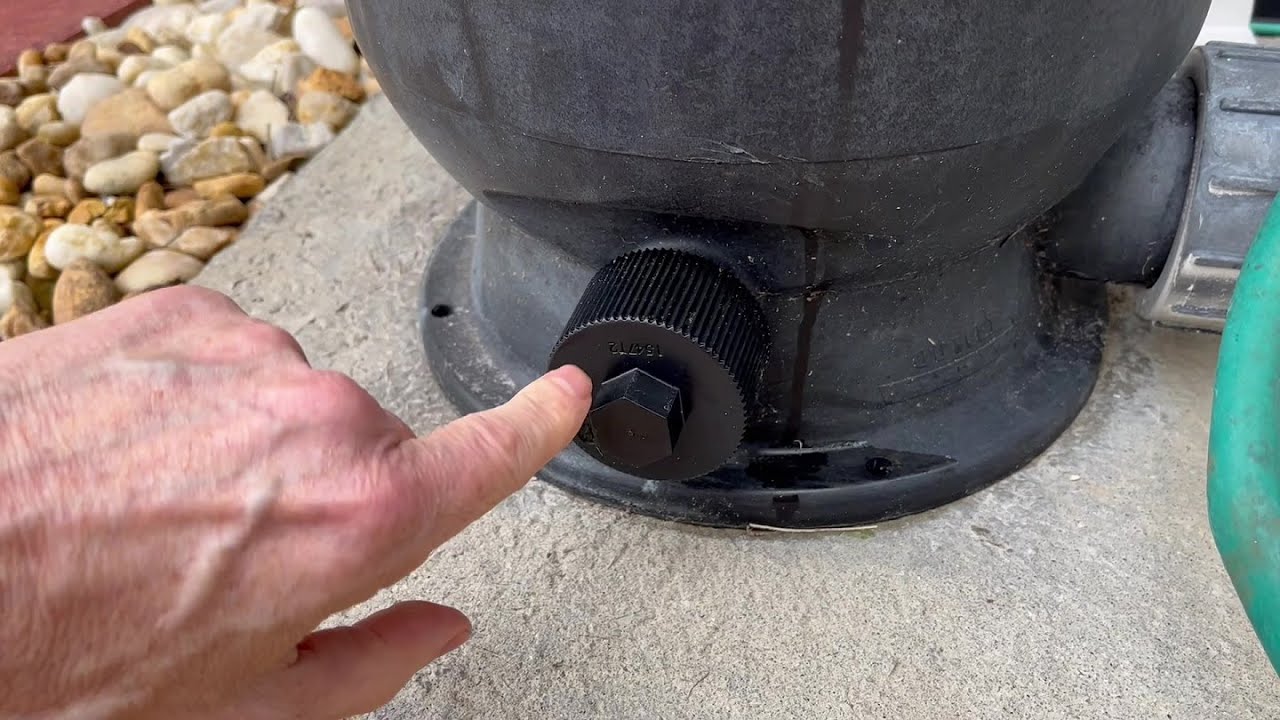
A sand filter drain plug is a small but essential part of your pool’s filtration system. It’s usually located at the bottom of the filter tank and is used to drain water and debris when you clean or winterize the filter. Most plugs are made from plastic or rubber, designed to form a tight seal so water only exits when you want it to.
If this plug leaks, water escapes every time the system runs. Not only do you lose water, but your pool chemicals also become unbalanced, and the filter’s performance drops. Over time, a simple leak can cause rust, corrosion, or even crack the filter tank.
That’s why it’s important to fix the leak quickly and correctly.
Main Causes Of Sand Filter Drain Plug Leaks
Solving a leak starts with knowing what’s causing it. There are several common reasons, but some are not obvious to beginners.
1. Worn Or Damaged O-ring
The O-ring is a rubber gasket that sits between the plug and the tank. If it’s cracked, flattened, or missing, the seal fails. This is one of the most frequent reasons for leaks.
2. Cross-threaded Or Stripped Plug
If the plug is not screwed in straight or the threads are damaged, it won’t tighten properly. Even a small misalignment can leave gaps for water to escape.
3. Dirt Or Debris On Threads Or Seal
Sometimes, sand, dirt, or small debris gets stuck on the threads or the O-ring. This prevents the plug from sealing fully, leading to slow leaks.
4. Over-tightening Or Under-tightening
Both can be a problem. If you tighten the plug too much, the plastic can crack or the O-ring might get pinched. If it’s not tight enough, water slips past the seal.
5. Chemical Damage
Pool chemicals like chlorine can make rubber parts brittle and cause plastic to weaken. Over time, this leads to cracks, hardening, or shrinking of the O-ring and plug.
6. Cracked Filter Tank Or Plug Port
Sometimes, the leak isn’t from the plug or seal at all. A crack in the tank or around the plug port can let water escape, especially under pressure.
7. Wrong Plug Size Or Type
If you’ve replaced the original plug with a different one, the size or thread pattern might not be correct. Even small differences mean the plug cannot make a perfect seal.
8. Temperature Changes
Constant heating and cooling (from sun or water temperature) can make plastic expand and contract. Over years, this can create tiny gaps or weaken the seal.
9. Old Age And Uv Damage
Plastic and rubber parts degrade over time, especially if exposed to sunlight. Even high-quality parts won’t last forever.
Non-obvious insight: Many leaks blamed on the plug are actually from a cracked filter base or a faulty tank seam nearby. Always check the surrounding area for hairline cracks.
Signs Of A Leaking Drain Plug
How do you know if your sand filter’s drain plug is the problem? Look for these signs:
- A wet area or puddle under the filter tank
- Water dripping from the bottom of the filter
- Wet sand around the base (if the leak is strong enough to wash sand out)
- Pool water level drops faster than normal
- Pool chemicals seem to disappear quickly
- Algae growth due to poor filtration
Sometimes, leaks are slow and only visible when the pump is on. Other times, water escapes even when the system is off.
How To Fix A Leaking Sand Filter Drain Plug
Repairing a leaking drain plug doesn’t have to be difficult. Here’s how to approach the problem step by step.
Step 1: Turn Off The Pump And Relieve Pressure
Always start by shutting off the pool pump. Open the air relief valve on top of the filter or remove the pump lid to let out pressure. This prevents water from spraying when you remove the plug.
Step 2: Inspect The Plug And O-ring
Unscrew the plug by hand. Look for visible cracks, chips, or worn rubber. If the O-ring is missing, hard, or flat, it needs replacement.
Step 3: Clean The Threads And Seat
Wipe the threads on both the plug and the filter port. Remove any sand, dirt, or algae. Even a small grain of sand can prevent a tight seal.
Step 4: Replace Damaged Parts
If the plug or O-ring is damaged, buy a replacement from your pool supply store. Always match the brand and model for the best fit. Universal plugs rarely seal as well as original parts.
Step 5: Use Teflon Tape (if Recommended)
For metal threads, a few wraps of Teflon tape can help seal the connection. For plastic plugs, only use tape if the manufacturer recommends it. Too much tape can actually make leaks worse.
Step 6: Reinstall And Tighten Carefully
Screw the plug back in by hand until it’s snug. Do not use tools to over-tighten. Hand-tight is usually enough for plastic parts.
Step 7: Test For Leaks
Turn the pump on and check for drips. If you see water, turn the pump off and repeat the steps. Sometimes, it takes two or three tries to get a perfect seal.
Step 8: Check For Tank Or Port Cracks
If the plug and O-ring are perfect, but water still leaks, inspect the filter tank and the area around the plug. Look for hairline cracks or splits. If you find a crack, you may need a professional repair or to replace the tank.
Practical tip: Always keep a spare O-ring and plug in your pool kit. These small parts can save you from big headaches during pool season.
Credit: www.youtube.com
Preventing Future Drain Plug Leaks
Prevention is cheaper and easier than repair. These habits will help you avoid leaks in the future.
- Check the plug and O-ring every time you clean the filter.
- Keep the threads clean—rinse off any sand or debris before reinstalling.
- Use a silicone lubricant on the O-ring to keep it flexible and prevent cracking.
- Never over-tighten. Hand-tight is usually enough.
- Replace the plug and O-ring every 2-3 years, or sooner if you notice wear.
- Protect the filter from UV rays by using a cover or placing it in the shade.
- Balance your pool chemicals so they don’t damage rubber or plastic parts.
- Check for leaks at the start and end of each pool season.
Non-obvious insight: The O-ring can sometimes pop out of its groove when you screw the plug in. Always double-check that it sits flat and centered before tightening.
Choosing The Right Replacement Plug And O-ring
Not all drain plugs are the same. Choosing the correct replacement is key to stopping leaks.
Material
- Plastic: Most common, but sensitive to over-tightening and UV.
- Brass: Rare, but more durable. Needs Teflon tape to seal.
- Rubber expansion plugs: Used as a temporary fix, but not a long-term solution.
Size And Thread Type
Each filter brand has its own size and thread pitch. Measure the old plug or check the manual. A plug that almost fits will never seal correctly.
Quality
Look for plugs and O-rings made for pool use. Cheap hardware-store parts often don’t last in chlorinated water.
Where To Buy
- Pool supply stores usually have the best selection.
- Online stores list parts by brand and model.
- Bring your old plug to compare if you shop in person.
Avoid common mistake: Do not use plumber’s putty, silicone caulk, or household glues to “patch” a leaking plug. These materials often fail under water pressure and can damage the filter.
How A Leaking Drain Plug Impacts Your Pool
Ignoring a leaking sand filter drain plug has bigger consequences than most pool owners expect.
Water Loss
A tiny leak can waste dozens of gallons per day. Over a month, that’s hundreds or even thousands of gallons—raising your water bill and harming the environment.
Chemical Imbalance
Leaked water means lost chemicals. You’ll spend more on chlorine, pH adjusters, and other treatments just to keep the water safe.
Filter And Pump Stress
If the filter loses water, the pump may suck in air, leading to poor filtration, noisy operation, or even pump damage. Air pockets can also cause the filter to lose prime.
Pool Surface Damage
Leaking water may erode the ground under the filter. If your filter sits on dirt or soft ground, this can cause the tank to tilt or crack.
Algae And Cloudy Water
With less water flowing through the filter, debris and algae can build up. You might see cloudy water or green patches, even if you add chemicals.
Safety Risks
Wet ground around the filter increases the risk of slipping or even electrical problems if water reaches the pump’s wiring.
Data insight: According to industry experts, a 1/8-inch stream from a leak can lose up to 250 gallons of water per day.
Comparing Fixes: Quick Patches Vs. Proper Repairs
Sometimes, pool owners try to stop leaks with quick tricks. Here’s how they compare to proper repairs:
| Method | How Long It Lasts | Risk Level | Cost |
|---|---|---|---|
| Replace O-ring & plug | 2-3 years | Low | Low |
| Teflon tape only | Few months | Medium | Very low |
| Silicone sealant | Weeks to months | High (can damage threads) | Low |
| Universal rubber plug | Temporary | Medium | Low |
Proper repairs last longer, protect your equipment, and are safer for your pool.
When To Call A Professional
Most drain plug leaks are simple to fix. But call a pool professional if:
- You see cracks in the filter tank or base
- The leak continues after replacing the plug and O-ring
- The threads in the filter port are stripped or damaged
- The filter is old and you’re unsure about repairs
A pro can pressure test the filter, spot hidden cracks, and recommend safe repairs. Sometimes, replacing the whole filter is cheaper and safer than constant patching.
Real-life Example: Fixing A Persistent Drain Plug Leak
Let’s look at a real-world case. A homeowner noticed their pool lost water every week, but couldn’t find a leak. After checking hoses, valves, and even the liner, they found a slow drip from the sand filter’s drain plug.
They replaced the O-ring, but the leak returned. On closer inspection, they discovered a hairline crack in the plastic threads of the filter port—likely caused by over-tightening years before. The fix? The tank base was patched with a pool-safe epoxy, and a new plug was installed.
Water loss stopped immediately.
Lesson: Always check both the plug and the filter tank itself. Fixing only the plug won’t help if the port is cracked.
Comparing Sand Filter Drain Plug Designs
Not all sand filters use the same drain plug. Here’s how common designs compare:
| Design Type | Seal Method | Typical Lifespan | Ease of Replacement |
|---|---|---|---|
| Threaded plug with O-ring | Rubber gasket/O-ring | 2-3 years | Easy |
| Twist-lock plug | Rubber gasket | 2 years | Medium |
| Rubber expansion plug | Compression | 1 year (temporary) | Very easy |
| Brass drain cock | Teflon tape/washer | 5+ years | Medium |
Most home pools use the threaded plug with an O-ring. Always know your filter’s design for easier repairs.
Key Maintenance For Sand Filters
Keeping your sand filter in top shape prevents drain plug issues and other leaks.
- Backwash regularly (as the manufacturer recommends) to keep sand clean.
- Open and inspect the drain plug every time you winterize or clean the filter.
- Replace sand every 3-5 years, or as needed.
- Keep the filter area clean and dry to spot leaks early.
- Store spare parts (O-rings, plugs) in a cool, dry place.

Credit: www.reddit.com
How To Tell If The Leak Is Really From The Plug
Sometimes, water appears near the base, but the plug isn’t the real problem. Here’s how to check:
- Dry the area fully, then wrap a paper towel around the plug. Run the pump and watch for wetness.
- Dust the area with baby powder. Leaks will create a wet path.
- If the plug stays dry, check the tank seam, multiport valve, or hose connections above.
Experience tip: Leaks at the plug often drip straight down. If water spreads or runs along the side, suspect a crack or leaking fitting higher up.
Environmental And Cost Impact Of Not Fixing Leaks
Ignoring a small leak costs more than many people think. Here’s how it adds up:
| Leak Size | Water Lost per Month | Extra Chemical Cost | Potential Damage |
|---|---|---|---|
| Slow drip | 100-300 gallons | $5-10 | None to minor |
| Constant trickle | 500-1,000 gallons | $15-30 | Filter base erosion |
| Steady stream | 2,000+ gallons | $50+ | Pump/filter damage |
Fixing the leak early saves money, water, and hassle.

Credit: www.reddit.com
Avoiding Common Mistakes When Repairing Drain Plug Leaks
Many pool owners make the same errors. Avoid these:
- Using too much Teflon tape (can prevent the plug from threading fully)
- Over-tightening plastic plugs (leads to cracks)
- Using non-pool O-rings (they break down quickly)
- Ignoring leaks because “it’s just a drip”
- Replacing the plug without checking for cracks in the tank
Confident guidance: Take time to clean parts and match replacements exactly. Rushing often leads to more leaks.
How To Winterize Your Sand Filter Without Causing Leaks
When closing your pool for winter:
- Drain all water from the filter using the drain plug.
- Clean and store the plug and O-ring separately. Do not leave the plug tightened all winter.
- Check the plug for cracks and replace if needed before next season.
- Cover the filter to protect from UV and freezing rain.
Pro tip: Label your spare parts bag with the filter brand/model so you can buy replacements easily.
When To Replace Your Sand Filter
Sometimes, fixing a leak is not enough. Replace your sand filter if:
- The filter tank has large cracks or deep gouges
- The drain port threads are stripped and cannot hold a plug
- The filter is over 10-12 years old and repairs are frequent
- You see repeated leaks even after new parts
Modern filters are more efficient and safer. Replacing an old, leaky filter can save money on water, chemicals, and repairs.
Additional Resources
For more details on pool maintenance and equipment repair, visit the Wikipedia Swimming Pool Sanitation page. It covers filtration basics, safety tips, and chemical management.
Frequently Asked Questions
Why Does My Sand Filter Drain Plug Keep Leaking Even After I Replace The O-ring?
This usually means the threads on the plug or filter tank are damaged, or there is debris preventing a seal. Check for cracks or cross-threading, and clean all surfaces before installing the new O-ring.
Can I Use Plumber’s Tape On A Plastic Drain Plug?
Only use Teflon tape if the manufacturer recommends it. Too much tape can prevent the plug from seating correctly, causing more leaks. For plastic plugs, a clean O-ring is usually enough.
How Often Should I Replace My Sand Filter’s Drain Plug And O-ring?
Check both parts every season, and replace them every 2-3 years, or sooner if you see cracks, flattening, or leaks.
Is A Leaking Drain Plug Dangerous For My Pool Equipment?
Yes. Even small leaks can cause water loss, chemical imbalance, and damage to the filter base or pump. It’s best to fix leaks as soon as you notice them.
What Should I Do If I Can’t Stop The Leak After Several Repairs?
If you’ve replaced the plug and O-ring, cleaned everything, and still have a leak, the filter tank may have a crack or the threads could be stripped. Call a pool professional to inspect and recommend safe repairs.
Taking care of a sand filter drain plug leak protects your pool, your equipment, and your wallet. Small, regular checks are your best defense against big, expensive problems. With a little attention, your pool will stay clean, clear, and ready for swimming all season long.