
A shower that won’t turn all the way can quickly turn a relaxing experience into a frustrating puzzle. Maybe you’re trying to get the perfect water temperature, but the handle stops short, or perhaps it won’t shut off completely. This kind of problem can waste water, raise your bills, and even damage your bathroom over time.
Many people think they need a plumber right away, but most shower handle issues are easier to understand and fix than you might expect.
This guide will help you figure out why your shower handle doesn’t turn all the way, what you can do yourself, and when you should call for help. You’ll learn about the common causes, step-by-step troubleshooting, and real solutions that work. Whether you’re a homeowner, renter, or just curious, you’ll find clear explanations, practical advice, and tips that save you time and money. Let’s dig into the real reasons behind this annoying shower problem and how you can solve it for good.
Understanding Shower Handle Mechanisms
To fix a shower handle that doesn’t turn fully, it helps to know how these handles work. There are several types, but most homes use one of three main mechanisms:
Single-handle Showers
A single-handle shower mixes hot and cold water with one lever. Turning left or right controls temperature, and up or down might control flow. If the handle won’t move all the way, the problem is often inside the mixing valve.
Double-handle Showers
A double-handle shower has one knob for hot and one for cold. If one handle sticks or won’t turn fully, the problem is usually with the cartridge or stem inside that side.
Thermostatic And Pressure-balanced Valves
Some modern showers use thermostatic valves (to keep temperature steady) or pressure-balanced valves (to prevent sudden temperature changes). These are more complex, and a stuck handle may signal a special problem inside the control cartridge.
Why This Matters
Knowing your shower’s type helps you choose the right tools and replacement parts. For example, a stuck handle on a pressure-balanced valve needs different steps than a single-handle faucet.
Common Reasons The Shower Handle Doesn’t Turn All The Way
Several things can stop your shower handle from moving smoothly. Here are the most common causes:
- Mineral Buildup: Over time, hard water leaves minerals inside the valve, making movement stiff or blocked.
- Worn Cartridges or Stems: These parts wear out and can jam or break, stopping the handle’s full range.
- Loose or Stripped Handle: If the screw inside is loose or the handle is stripped, it won’t engage the valve fully.
- Broken Stops or Limiters: Some valves have internal stops to prevent scalding. These can shift or break, blocking movement.
- Obstructions or Debris: Small bits of metal, dirt, or rubber can get stuck inside, blocking the handle.
- Corrosion: Rust or corrosion inside the valve can freeze parts in place.
- Incorrect Installation: If someone installed the valve or handle wrong, it may never have worked right.
- Temperature Limit Safety Feature: Some showers have a built-in limiter for safety. If set too low, the handle won’t turn to the hottest setting.
- Damaged Valve Body: In rare cases, the body inside the wall cracks or gets damaged, limiting movement.
Let’s look at how to spot and fix each of these issues.
How To Diagnose The Problem
Before you fix anything, it’s smart to diagnose the cause. Here’s how you can check what’s wrong:
Check If The Handle Is Loose
Gently wiggle the handle. If it feels loose or wobbly, the screw might just need tightening. Sometimes, the inside of the handle is stripped, which means it won’t grip the valve stem.
Test The Range Of Motion
Try turning the handle slowly from side to side. Does it stop suddenly or gradually? Does it move partway and then get stuck? This can hint at mineral buildup or an internal limiter.
Listen And Feel
As you turn the handle, listen for grinding noises or feel for resistance. A smooth but short movement often means a safety limiter, while a rough, tight movement suggests buildup or debris.
Inspect For Leaks
Look for water dripping around the handle or from the shower head when it’s off. Leaks often mean worn cartridges or internal damage.
Remove The Handle Cover
Carefully pry off the decorative cap and use a screwdriver to check the main screw. Sometimes, simply tightening this screw fixes the problem.
Compare With Other Faucets
If you have other showers or sinks with the same type of handle, try them. If only one is stuck, the problem is likely with that specific valve.
Step-by-step Solutions For A Shower Handle That Won’t Turn All The Way
Depending on your diagnosis, here’s how to fix the most common problems. Always turn off your water supply before taking a shower handle apart!
1. Tighten Or Replace The Handle
If the handle is loose or stripped:
- Remove the decorative cap with a flat screwdriver.
- Use a Phillips screwdriver to tighten the screw underneath.
- If tightening doesn’t help, pull the handle off and check for cracks or wear. Replace if needed.
2. Clean Out Mineral Buildup
Mineral deposits can make the handle stiff or block movement.
- Remove the handle and use a vinegar-soaked cloth to clean the valve stem.
- For tough buildup, use a toothbrush or gentle scrubber.
- Soak the handle in vinegar if it has buildup inside.
3. Replace The Cartridge Or Stem
Worn or broken cartridges are a top reason handles won’t turn.
- Use pliers to pull out the old cartridge or stem (follow your shower model’s guide).
- Take the old part to a hardware store to find an exact match.
- Lubricate the new part lightly with plumber’s grease before installing.
- Reassemble and test the handle.
4. Adjust Or Remove The Temperature Limiter
Many single-handle showers have a limiter to prevent scalding.
- Remove the handle and look for a plastic limiter ring or dial.
- Adjust according to the instructions—usually, rotating allows more handle movement.
- Reattach the handle and test for a full range.
5. Clear Debris Or Obstructions
Sometimes small bits get lodged inside.
- Remove the cartridge or stem, then flush the valve with water (cover the opening to avoid splashing).
- Check for broken O-rings or rubber washers.
- Clean out any debris before reassembling.
6. Deal With Corrosion
If you see rust or green corrosion:
- Gently clean with a wire brush and vinegar.
- If corrosion is severe, consider replacing the valve or calling a plumber.
7. Reinstall The Handle Correctly
Improper installation can cause the handle to jam.
- Ensure the handle is aligned with the stem or cartridge.
- Don’t overtighten, as this can crack the handle or strip the screw.
8. Replace The Valve Body (advanced)
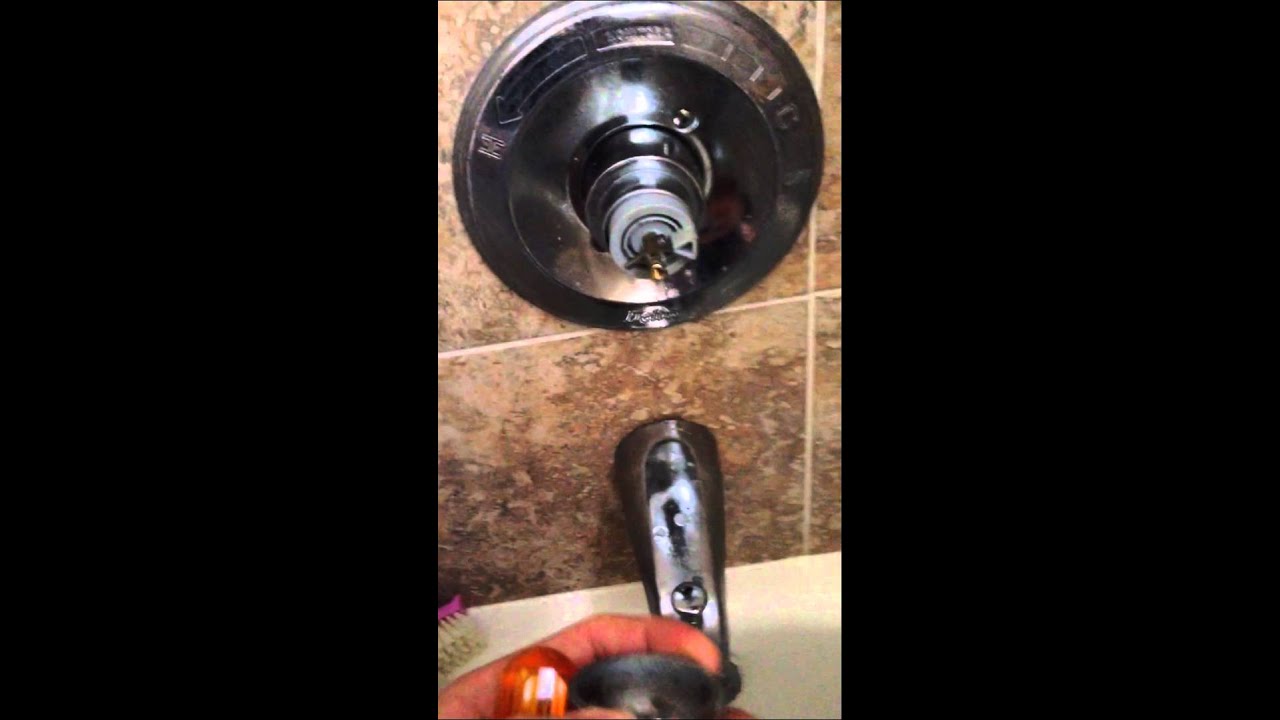
If nothing works and the valve body is damaged, you may need to cut into the wall. This is a major job and usually best left to professionals.
Credit: www.youtube.com
Table: Quick Comparison Of Causes And Fixes
Below is a quick guide to common causes and the best solutions.
| Problem | Common Sign | DIY Fix | When to Call a Pro |
|---|---|---|---|
| Mineral Buildup | Stiff movement | Clean with vinegar | If corrosion is severe |
| Worn Cartridge | Stuck or leaks | Replace cartridge | Valve won’t budge |
| Loose Handle | Wobbly, won’t turn valve | Tighten screw/replace handle | Handle cracked off |
| Limiter Set Too Low | Won’t turn to hot | Adjust limiter | Handle design unclear |
| Obstruction | Sudden stop, won’t move | Clean or flush valve | Debris deep inside |
| Damaged Valve Body | Nothing works | — | Always call a pro |
Common Mistakes People Make
When fixing a shower handle, people often make these mistakes:
- Forgetting to turn off the water: Always shut off water before opening the valve.
- Forcing the handle: Pushing too hard can snap the handle or damage the valve.
- Using the wrong replacement part: Cartridges look similar, but even a small difference can prevent proper function.
- Skipping lubricant: A dry install can make parts stiff or wear out faster.
- Not testing before full reassembly: Always test the handle’s range before putting covers back on.

Credit: www.reddit.com
Tools And Materials You’ll Need
Basic repairs usually require:
- Screwdrivers (Phillips and flathead)
- Adjustable wrench or pliers
- Vinegar and a small brush
- Plumber’s grease
- Replacement handle or cartridge (if needed)
- Towel and bucket (for drips)
For advanced repairs:
- Valve puller (for stuck cartridges)
- Utility knife (to cut caulk)
- Safety glasses
Table: Cost Comparison – Diy Vs Professional Repair
Wondering if you should fix it yourself or call a plumber? Here’s what you can expect.
| Repair Type | DIY Cost (USD) | Pro Cost (USD) | Difficulty |
|---|---|---|---|
| Tighten/Replace Handle | $5–$20 | $75–$150 | Easy |
| Clean Buildup | $0–$10 | $80–$160 | Easy |
| Replace Cartridge | $15–$60 | $120–$250 | Medium |
| Valve Body Replacement | N/A | $350–$800+ | Hard |
Tip: Doing it yourself usually saves money, but if you’re not comfortable, hiring a professional avoids damage and bigger costs later.
Special Cases: What If My Shower Is Old Or Unusual?
Older showers (20+ years) may use parts that are no longer made. In these cases:
- Bring the old cartridge or stem to a specialty plumbing store for a match.
- Some older showers use compression valves, which are easier to repair than replace.
- If your shower uses a rare brand, look for adapters or universal handles.
For very old or custom showers, sometimes the best option is upgrading to a modern valve.
Preventing Future Problems
Once you fix your shower handle, you can help prevent the same thing from happening again.
- Regular Cleaning: Every few months, clean the handle and valve area to prevent mineral buildup.
- Use Water Softeners: If you have hard water, a softener reduces deposits.
- Lubricate Parts: A little plumber’s grease during maintenance keeps movement smooth.
- Fix Leaks Early: Don’t ignore small drips—leaks speed up wear and cause mineral problems.
- Gentle Handling: Don’t force the handle or hang heavy things on it.
When To Call A Professional
While many shower handle problems are easy to fix, sometimes it’s best to call a plumber:
- If you can’t remove the handle or cartridge
- If water leaks inside the wall
- If you see signs of mold, rot, or major corrosion
- If your shower valve is a sealed unit or you’re unsure about the type
A licensed plumber can diagnose rare or complex problems and has special tools for stubborn valves.
Real-world Examples
Consider these scenarios:
- Case 1: Maria noticed her shower handle wouldn’t reach the hot setting. She removed the handle and found a limiter set for safety. After adjusting it, her shower worked perfectly.
- Case 2: John’s handle was stiff and hard to turn. He soaked the parts in vinegar and replaced a worn O-ring, restoring smooth movement.
- Case 3: In an older home, the handle wouldn’t move at all. The cartridge was corroded solid and needed a special puller. A plumber replaced it, and the shower worked like new.
These cases show that most problems have a clear cause, and the right fix can save time and money.
Table: Signs Your Shower Handle Problem Is Serious
Some symptoms mean your shower handle issue is more urgent.
| Sign | What It Means | Action Needed |
|---|---|---|
| Water leaks inside the wall | Possible hidden pipe or valve damage | Call a plumber now |
| Mold or mildew smell | Hidden water leak | Investigate and repair quickly |
| Handle won’t move at all | Severe corrosion or broken valve | Try DIY, but call a pro if stuck |
| Shower never gets hot/cold enough | Limiter or mixed-up supply lines | Check limiter or call for help |
| Strange grinding noises | Debris or failing parts inside | Clean or replace parts |
Non-obvious Insights And Tips
Many people don’t realize:
- Replacement cartridges and handles must match your shower brand and model. Generic parts often fit poorly.
- Some mineral buildup is invisible. Even if you don’t see white crust, hard water can block movement inside the cartridge.
- Plastic limiters often shift over time. Even if you never adjusted it, the limiter can move and block the handle.
- A handle that only moves halfway can increase your water bill. If the shower never shuts off fully, you’ll waste water every day.
- Ignoring a stiff handle can damage pipes. Forcing a stuck handle can crack the valve body, which is expensive to fix.
How Long Does It Take To Fix?
Most DIY repairs take 30–60 minutes. Replacing a cartridge can take a bit longer if it’s stuck or hard to remove. If you need to cut into the wall, set aside a few hours and plan for possible wall repairs.
Where To Find Parts
Most hardware stores carry common shower handles and cartridges. For rare brands or older showers, check specialty plumbing shops or online stores. Always bring your old part to compare.
For more details on valve types and repair guides, you can check resources like Wikipedia’s Shower article.

Credit: www.reddit.com
Frequently Asked Questions
Why Does My Shower Handle Only Turn Partway?
Usually, this means there’s a limiter set for safety, mineral buildup inside the valve, or a worn cartridge. Remove the handle to check for an adjustable limiter or clean out deposits.
Can I Fix A Shower Handle That’s Stuck Without Special Tools?
For most basic problems, yes. You only need common tools like screwdrivers, pliers, and vinegar. For stuck cartridges or severe corrosion, a valve puller or plumber’s help is best.
Will Using Force Damage My Shower Handle?
Yes, forcing a stuck handle can break the handle or damage the valve inside the wall. It’s better to remove, clean, and lubricate parts than to push harder.
How Do I Know If I Need A New Cartridge?
If cleaning and adjusting don’t help, and the handle remains stuck or leaks, the cartridge is likely worn out. Replace it with the same model for best results.
What If Water Leaks Behind The Wall?
This is serious. Turn off your water supply and call a plumber right away. Water behind the wall can cause mold, rot, and expensive damage.
A shower handle that doesn’t turn all the way is a common problem, but one you can often fix yourself with the right knowledge and tools. By understanding your shower’s design, diagnosing the cause, and following safe, step-by-step repairs, you can restore smooth movement and avoid bigger issues.
Don’t ignore a stiff or stuck handle—fixing it early saves water, money, and stress. And when in doubt, don’t hesitate to call a professional for help.