
When you spot air bubbles coming out of one pool jet, it’s easy to worry. Maybe you’ve just finished cleaning your pool, or perhaps you’re enjoying a swim when you notice streams of tiny bubbles from a single return jet. While bubbles can look harmless, they often point to deeper issues in your pool system. Understanding what causes this, how to fix it, and how to prevent it will save you time, money, and stress. Let’s explore everything you need to know about air bubbles from one pool jet, why it happens, and what you can do about it.
Why Air Bubbles Come Out Of Pool Jets
The main reason for air bubbles from a pool jet is air entering the plumbing system. Normally, pool jets should release only water. When air mixes in, it signals that something is wrong somewhere along the line. Knowing where and why this happens is the first step to solving the issue.
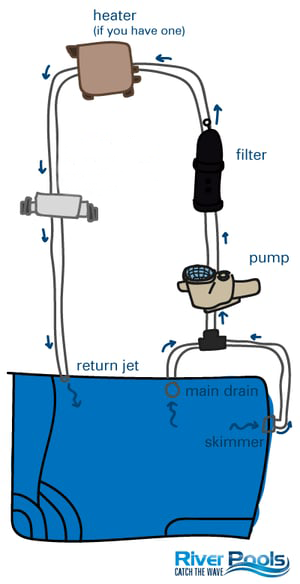
How Pool Circulation Works
A pool system moves water in a loop:
- Water is pulled from the pool through the skimmer and main drain.
- The pump draws in the water and pushes it through the filter and heater (if you have one).
- Water returns to the pool through the return jets.
If there’s a leak or problem before the pump (on the suction side), the pump can suck in air. This air then travels through the system and exits through the jets. If only one jet is affected, the problem may be in the plumbing near that jet or further upstream.
Common Reasons For Air Bubbles
- Loose fittings at the pump or filter
- Low pool water level
- Cracked or worn pump lid O-ring
- Suction-side plumbing leaks
- Faulty valves
- Air trapped in the filter
- Clogged skimmer or pump basket
- Jet-specific plumbing issues
Understanding these causes helps you focus your troubleshooting.
How To Diagnose The Source Of Air Bubbles
Finding the cause of pool jet air bubbles is like detective work. Start with a process of elimination.
1. Check The Water Level
If your pool’s water level falls below the skimmer, the pump may suck in air along with water. It’s a common and easily missed cause, especially after a heavy swim session or a hot day.
2. Inspect The Pump And Lid
A cracked pump lid or a failing O-ring can let air into the system. Turn off the pump, remove the lid, and check the gasket. Replace it if it’s stretched, dried, or cracked.
3. Examine All Fittings
Loose or cracked fittings, especially on the suction side (before the pump), allow air in. Look for water drips or rust stains, which may signal leaks.
4. Test For Suction Leaks
With the pump running, spray soapy water on joints and fittings. If you see bubbles being sucked in, you’ve found a leak.
5. Look At The Skimmer
Sometimes, a clogged skimmer basket or a floating weir stuck upright draws in air. Make sure the basket is clean and the weir moves freely.
6. Bleed The Filter
Air can collect in your filter, especially after backwashing. Use the air relief valve to release trapped air until water sprays out.
7. Isolate The Affected Jet
If only one jet blows bubbles, the leak might be in the plumbing just before that jet. Inspect underground lines if possible, or call a professional for a pressure test.
Fixes For Air Bubbles Coming From One Pool Jet
Once you’ve found the likely cause, you can target your fix. Here are the most effective solutions, organized by source.
Raise The Water Level
If your pool’s water is too low, refill it so it sits halfway up the skimmer opening. This keeps the skimmer from pulling in air.
Replace Pump Lid O-ring
If the O-ring is damaged, buy the correct replacement. Lubricate it with pool-safe silicone grease to ensure a tight seal, then reinstall.
Tighten Or Replace Fittings
Use a wrench to snug up loose union fittings. If you find a cracked fitting, replace it. Make sure all connections are airtight.
Patch Suction-side Leaks
For leaks before the pump, use pool-safe epoxy or PVC glue, depending on the material. For underground leaks, you may need a professional.
Clean Baskets And Skimmers
Remove all debris from the skimmer and pump baskets. Check that the floating weir moves freely.
Bleed Filter Air
Open the filter’s air relief valve with the pump running. Let air out until water flows steadily, then close the valve.
Repair Jet Plumbing
If only one jet is affected and the problem is in the plumbing, you may need to dig up and repair the line. This is often a job for a pool technician.
Replace Faulty Valves
If valves are stuck or leaking, replace them with new ones. Always match the type and size to your system.
How To Prevent Air Bubbles In Pool Jets
Prevention is better than repair. With regular checks, you can avoid most air bubble problems.
Maintain Correct Water Level
Check water levels weekly, especially in hot weather.
Inspect And Lubricate O-rings
Every few months, inspect pump lid and filter O-rings. Replace and lubricate as needed.
Tighten Fittings Regularly
During routine maintenance, check all visible fittings for tightness.
Clean Baskets Weekly
A clogged basket can restrict water and pull in air. Clean both skimmer and pump baskets at least once a week.
Backwash And Bleed Filter
After backwashing, always open the air relief valve to bleed out trapped air.
Professional Inspection
Once a year, have a pool technician do a full inspection, especially if you notice recurring air bubbles.
Comparing Common Causes And Fixes
Here’s a comparison to help you quickly spot symptoms, causes, and solutions.
| Symptom | Possible Cause | Quick Fix | DIY or Pro? |
|---|---|---|---|
| Air from all jets | Low water, suction leak | Refill water, check pump lid | DIY |
| Air from one jet | Pinhole leak, jet line | Pressure test, repair line | Pro |
| Pump loses prime | Major suction leak | Replace fitting, check valves | DIY/Pro |
| Bubbles after cleaning | Air in filter | Bleed filter | DIY |
Why Does Only One Jet Blow Bubbles?
If just one jet is blowing bubbles, it usually means the problem is in the plumbing or fitting that serves that jet. Most pools have a manifold (a main pipe that splits water to different jets). A leak near one branch of the manifold could let air into just that line.
Possible Scenarios
- Jet fitting is loose: Check the threaded fitting inside the pool.
- Underground line crack: Tree roots or shifting soil can crack pipes.
- Internal blockage: Debris may cause suction that draws in air.
- Jet-specific valve issue: If your pool has individual valves for each jet, one may be leaking.
Advanced Troubleshooting Tips
Sometimes, the usual fixes won’t work. Here are advanced steps if you still see bubbles.
Use A Stethoscope Or Listening Device
A mechanic’s stethoscope can help you “hear” air leaks in pump fittings or valves. Move slowly and listen for hissing.
Dye Testing For Air Leaks
While dye tests usually find water leaks, you can sometimes use food coloring at fittings with the pump running. If the dye is sucked in, you’ve found a leak.
Pressure Testing
A pool technician can plug the lines and pressurize them with air or water to pinpoint leaks. This is the most accurate way to find underground problems.
Camera Inspection
For complicated cases, pros use small cameras to check inside pipes. This is expensive but can save you from digging up the entire yard.
When To Call A Professional
Some fixes are simple, but others require special tools and skills.
You Should Call A Pro If:
- Air bubbles remain after basic troubleshooting
- You suspect an underground leak
- Water is pooling around pipes or fittings
- You don’t feel comfortable working with pool plumbing
A professional will have the equipment and knowledge to quickly find and fix the problem, often saving you money in the long run.
What Happens If You Ignore Air Bubbles In Pool Jets?
Ignoring air bubbles can lead to bigger issues:
- Pump damage: Air in the system makes the pump run “dry,” causing overheating and failure.
- Reduced circulation: Less water flow means poor filtration and possible algae.
- Water loss: Leaks usually get worse over time, costing more in repairs.
- Increased chemical use: Poor circulation leads to higher chlorine demand.
Real-world Example: Suburban Pool Leak
Consider a family in Florida who noticed air bubbles from one jet after a storm. At first, they thought it was harmless. Weeks later, the pump began losing prime, and water bills soared. A pro inspection found a tree root had cracked a return line.
The total repair cost was $1,200—much more than a simple fix if caught early.
How Pool Jet Design Can Affect Air Bubbles
Not all pools are built the same. Some older pools have flexible pipes that are prone to leaks. Modern pools use rigid PVC, which is more durable. The number and placement of jets also play a role. Jets farthest from the pump may be more likely to show bubbles if there’s even a small leak.
Pool Jet Construction Comparison
| Material | Durability | Common Problems | Repair Difficulty |
|---|---|---|---|
| Flexible pipe | Low | Cracks, pinholes | Hard |
| Rigid PVC | High | Joint leaks | Medium |
| Older copper | Medium | Corrosion | High |
Pool Maintenance Tips To Avoid Air Bubbles
To keep your pool healthy and bubble-free, follow these best practices:
- Weekly checks: Inspect water level, baskets, and visible fittings.
- Monthly O-ring lubrication: Use silicone grease to prevent drying.
- Annual pressure test: Especially for older pools or those with recurring issues.
- Monitor for changes: If you see new bubbles, act quickly.
- Trim trees and shrubs: Roots can crack underground pipes.
- Backwash filter as needed: Don’t overdo it, as too much backwashing can introduce air.
- Check for high chlorine: Excess chemicals can damage O-rings and fittings.
Myths About Pool Jet Air Bubbles
Many pool owners believe that a few bubbles from jets are “normal.” In reality, a healthy pool should not show visible bubbles from jets. Here are other common myths:
- “It’s just air, not a big deal.” Even small leaks can grow quickly.
- “It’s only in one jet, so it’s not important.” Localized leaks can lead to expensive repairs.
- “It will go away on its own.” Air in the system almost never fixes itself.
Costs Of Repairing Air Bubbles From Pool Jets
How much will you pay to fix air bubbles? Here’s a rough breakdown.
| Repair Type | DIY Cost | Professional Cost | Time Required |
|---|---|---|---|
| Replace O-ring | $5 – $15 | $75 – $150 | 15 mins – 1 hour |
| Tighten fittings | $0 | $75 – $100 | 10 mins – 30 mins |
| Repair underground pipe | Not recommended | $400 – $1,500 | 1 – 2 days |
| Professional leak detection | – | $200 – $500 | 1 – 3 hours |
Credit: www.reddit.com
Key Mistakes To Avoid
Many pool owners unintentionally make things worse when trying to fix air bubbles.
- Over-tightening fittings: This can crack plastic parts.
- Using wrong lubricants: Petroleum jelly damages O-rings. Use only pool-safe silicone.
- Ignoring small leaks: Small problems become big quickly.
- DIY underground repairs: Unless you have experience, these are best left to professionals.
Additional Insights You Might Miss
- Jet orientation matters: Sometimes, the jet fitting inside the pool wall can become loose or cracked, letting in air right at the return. Check the jet nozzle and housing carefully, not just the plumbing behind it.
- Pump location affects air: If your pump is above pool water level, it’s more likely to suck in air than a pump set below water. Even a small leak can introduce a lot of air in these setups.
When Air Bubbles Are Not A Problem
There are rare cases when bubbles are normal:
- After backwashing or cleaning: The system may release air for a few minutes after maintenance, but this should stop quickly.
- Spa jets: Some jets are designed to mix air for a massage effect. Regular pool return jets are not.
If bubbles continue for more than a few minutes, it’s time to investigate.
The Role Of Pool Equipment Upgrades
If you keep having air bubble issues, consider upgrading older equipment. Modern pumps and filters have better seals and air relief systems. Variable-speed pumps are especially good at maintaining proper pressure and preventing air leaks.
Credit: poolmarvel.com
External Resources For Further Reading
For an in-depth technical guide to pool systems, see this Wikipedia overview of swimming pool sanitation.
Frequently Asked Questions
Why Do Only Some Pool Jets Have Bubbles While Others Do Not?
If only one or a few jets have bubbles, it usually means there’s a leak or air entry point in the plumbing specific to those jets. This could be a small crack, a loose fitting, or an issue with the jet’s internal parts.
Isolating the affected line and checking all connections can help pinpoint the problem.
Can Air Bubbles Damage My Pool Pump?
Yes, air in the system makes your pump work harder, which can cause overheating and premature failure. Running a pump with air in the line over time can lead to costly repairs or replacements.
Is It Safe To Swim When There Are Air Bubbles In The Pool?
Generally, it’s safe to swim if the only issue is air bubbles from one jet. However, you should address the problem soon, as it may signal leaks that could worsen and affect water quality or equipment.
How Do I Know If A Leak Is Underground?
If you see air bubbles from one jet, but all above-ground fittings are tight and there’s no visible water loss, the leak may be underground. Professional pressure testing or leak detection is the best way to confirm.
What’s The Quickest Fix For Pool Jet Bubbles?
The fastest solution is to check the water level and ensure all pump lid and skimmer baskets are clean and properly sealed. These are the most common and easy-to-fix causes. If bubbles persist, move on to inspecting valves and fittings.
Keeping your pool free of air bubbles is not just about looks. It’s about protecting your investment, enjoying clear water, and avoiding expensive repairs. By following the advice above, you’ll know exactly what to do if you spot air bubbles coming out of one pool jet—and how to stop them for good.
Credit: www.riverpoolsandspas.com