
When you hear a toilet running for hours, it can be more than just an annoyance. For many homeowners, this problem often points to a leaking double flapper—a common part found in American Standard toilets. While it might seem like a simple rubber seal, a faulty flapper can waste hundreds of gallons of water every day and increase your water bill. Many people try to fix the issue but end up frustrated because the leak doesn’t stop. If you’ve struggled with a leaking American Standard double flapper, you’re not alone.
Understanding the root causes, how to identify them, and what to do next can save you time, money, and stress. In this article, you’ll learn everything you need to know about American Standard double flapper leaks, from the basics of how the flapper works to advanced troubleshooting tips.
Whether you’re a new homeowner or just trying to fix a stubborn leak, you’ll find practical advice, clear explanations, and solutions that actually work.
How The American Standard Double Flapper Works
The double flapper in an American Standard toilet is a crucial part of the flush system. Its main job is to control the flow of water from the tank to the bowl when you flush. It creates a seal at the bottom of the tank, keeping water in until you need it. When you press the handle, the flapper lifts up, allowing water to rush into the bowl. After the flush, it drops back down to seal the tank so it can refill.
Unlike single flappers, a double flapper design uses two layers or a double-seal system. This design aims to give a tighter seal and prevent leaks. However, it also means there are more parts that can wear out or get damaged. While double flappers are meant to be more reliable, they sometimes fail if not installed correctly or if the rubber becomes hard or misshapen over time.
Signs Your Double Flapper Is Leaking
A leaking double flapper doesn’t always make a loud noise. Sometimes, the signs are subtle. Here are the most common indicators:
- Constant water running: You hear water running long after a flush.
- Phantom flushes: The toilet refills by itself without anyone touching it.
- High water bill: Your water usage spikes, but your habits haven’t changed.
- Water trickling into the bowl: You see ripples in the bowl even when the toilet isn’t in use.
- Tank never fills: The tank seems to fill slowly or never completely.
A quick test is to put a few drops of food coloring in the tank. Wait 15-30 minutes without flushing. If the color appears in the bowl, your flapper is leaking.

Credit: www.ebay.com
Why Double Flappers Leak
Understanding the causes is key to fixing the problem for good. These are the most common reasons:
1. Worn-out Flapper Material
Over time, the rubber in a flapper can become brittle, warped, or cracked. Hard water, cleaning chemicals, and age all speed up this process. When the flapper can’t flex or fit tightly, water seeps through.
2. Mineral Buildup And Debris
Hard water can leave mineral deposits on the flapper or the seat where it rests. Even a tiny bump or piece of debris can break the seal, allowing water to leak.
3. Misalignment
If the flapper chain is too tight or too loose, the flapper may not sit flat after flushing. This small gap lets water flow from the tank into the bowl.
4. Incorrect Flapper Type
Some American Standard toilets require a specific flapper. Using a universal or wrong model might not give a perfect seal. Double flappers are not always interchangeable with single flappers.
5. Problems With The Flush Valve Seat
The flush valve seat is the part the flapper presses against to make a seal. If this surface is pitted, rough, or worn, even a brand-new flapper may leak.
6. Water Level Too High
If the tank water level is set too high, it can constantly spill over into the overflow tube. This looks like a flapper leak but is actually a fill valve issue.
7. Installation Mistakes
If you recently replaced the flapper and still have a leak, the installation may not have been done correctly. The chain could be tangled, or the flapper arms might not be secured evenly.
Step-by-step Guide To Diagnosing The Leak
Before you start buying parts, it’s smart to figure out where the leak is coming from. Here’s how to do it:
- Turn off the water supply to the toilet. This is usually a valve on the wall behind the tank.
- Mark the water level in the tank with a pencil or tape.
- Wait 30-60 minutes without flushing.
- Check the water level. If it drops, the leak is at the flapper or flush valve.
- Add food coloring to the tank as described earlier. If the color shows up in the bowl, your flapper is leaking.
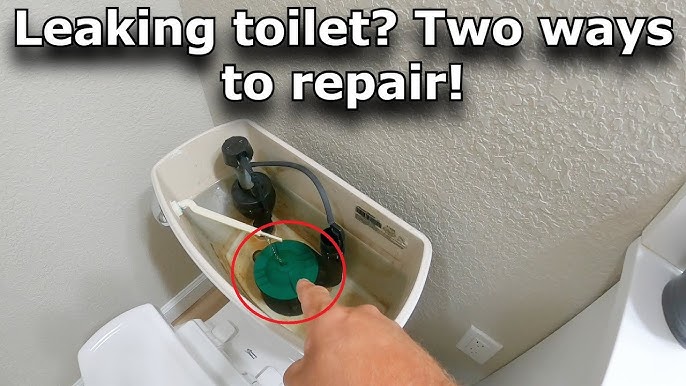
- Inspect the flapper. Remove the tank lid and look at the flapper. Is it warped, cracked, or covered with buildup?
- Check the chain. Make sure it has a little slack when the flapper is down. Too tight or too loose causes trouble.
If these steps confirm the flapper is the problem, you’re ready to repair or replace it.
How To Fix A Leaking American Standard Double Flapper
Fixing a leaking double flapper is usually straightforward. Here’s how you can do it yourself:
1. Gather The Right Tools And Parts
- Replacement American Standard double flapper (match the model to your toilet)
- Adjustable wrench or pliers
- Sponge or towel
- Rubber gloves
- Small brush or old toothbrush
2. Remove The Old Flapper
- Turn off the water supply.
- Flush the toilet to empty the tank.
- Unhook the flapper chain from the flush lever arm.
- Slide or unclip the flapper arms from the pegs on the overflow tube.
- Remove the flapper.
3. Clean The Flush Valve Seat
Use the brush to scrub away any mineral buildup, debris, or slimy residue from the flush valve seat. Even a tiny piece of debris can cause a leak.
4. Install The New Flapper
- Attach the new flapper to the pegs on the overflow tube.
- Connect the chain to the flush lever arm, leaving a little slack.
- Turn the water supply back on.
- Let the tank fill and test flush.
5. Adjust As Needed
- Make sure the flapper drops back into place smoothly after a flush.
- Adjust the chain if necessary—about 1/2 inch of slack is ideal.
- Watch for leaks. Repeat the food coloring test to confirm the fix.
6. Test Multiple Flushes
It’s important to test several flushes. Sometimes a new flapper may need a few cycles to seat properly. If you still see a leak, double-check the chain and seat alignment.
Common Mistakes When Replacing A Double Flapper
Many people make avoidable errors when replacing their flapper:
- Choosing the wrong flapper model: Not all flappers fit every American Standard toilet. Always check your toilet’s model number before buying.
- Forgetting to clean the valve seat: Skipping this step means old debris can keep causing leaks.
- Chain too tight or too loose: Both can prevent a proper seal.
- Misplacing the flapper arms: Some flappers have clips, others just slide on. Make sure they’re attached firmly.
Non-obvious tip: If your toilet uses a double flapper, single flapper models will not seal correctly, even if they appear similar in size.
Preventing Double Flapper Leaks In The Future
Prevention saves money and frustration. Here’s how you can keep your double flapper working longer:
- Regularly check the flapper every 6 months for signs of wear or hardening.
- Avoid harsh chemicals in the tank. Many in-tank cleaners break down rubber over time.
- Install a water softener if you have hard water. This reduces mineral buildup.
- Flush debris: Occasionally flush the tank with clean water to remove particles.
- Replace the flapper every 3-5 years, even if it looks okay.
How Double Flapper Problems Compare To Other Toilet Leaks
To help you see why double flapper leaks are unique, here’s a comparison with other common toilet leak sources:
| Leak Source | Common Signs | Difficulty to Fix | Parts Needed |
|---|---|---|---|
| Double Flapper | Constant running, phantom flushes | Easy | Matching flapper, brush |
| Fill Valve | Water overflows into tube, noisy refill | Medium | Fill valve assembly |
| Flush Valve Seat | Leak continues after flapper replacement | Medium-Hard | Valve seat repair kit |
| Tank Bolts/Gasket | Water under the tank | Medium | Rubber washers, bolts |
Notice that while a double flapper leak is usually easy to fix, it’s easy to mistake the cause if you skip proper diagnosis.

Credit: www.amazon.com
How Much Water Can A Leaking Double Flapper Waste?
A leaking double flapper can be very costly. According to the U.S. Environmental Protection Agency (EPA), a running toilet can waste up to 200 gallons of water per day. Over a month, that’s 6,000 gallons—enough to fill a small swimming pool! If your water bill suddenly rises, this is one of the first things to check.
Here’s a quick look at potential water loss:
| Leak Type | Gallons Wasted/Day | Gallons Wasted/Month | Possible Cost/Month (USD) |
|---|---|---|---|
| Small flapper leak | 30–50 | 900–1,500 | $5–$15 |
| Severe flapper leak | 200 | 6,000 | $40–$60 |
| Overflow tube issue | 100 | 3,000 | $20–$30 |
| Dripping fill valve | 10–20 | 300–600 | $2–$6 |
These numbers can vary depending on local water rates, but the impact is always significant.
When To Call A Professional Plumber
Most double flapper leaks are simple to fix, but sometimes you need expert help. Here are situations where you should call a plumber:
- The flush valve seat is damaged: If you see cracks, roughness, or pitting, the whole flush valve may need replacement.
- Leak continues after replacing the flapper: This suggests a bigger problem.
- You’re uncomfortable with DIY repairs: There’s no shame in calling an expert if you feel unsure.
- Multiple leaks or persistent high water bills: Sometimes, several issues occur at once.
Pro tip: If your toilet is over 20 years old and you’re having repeated leaks, a full replacement may be more cost-effective than ongoing repairs.
Choosing The Right American Standard Double Flapper
Picking the right replacement is crucial. American Standard makes several double flapper models, and not all are interchangeable. Here’s what to look for:
- Model number: Find this stamped inside the tank or on the manufacturer’s label.
- Flapper type: Some are universal, but most American Standard double flappers are specific to a flush valve type.
- Material: Silicone flappers last longer than standard rubber, especially in areas with hard water.
- Arm style: Make sure the attachment style matches your overflow tube (some slide on, others snap or clip).
If in doubt, bring the old flapper to a hardware store for a direct comparison.
Example: Fixing A Leaking Double Flapper On An American Standard Champion 4
The American Standard Champion 4 is a common model with a double flapper design. Here’s a practical example of how to fix a leak:
- Turn off water and flush to empty the tank.
- Remove the old flapper. The Champion 4 uses a snap-on double flapper. Squeeze the sides to release.
- Clean the seat thoroughly. Use a non-abrasive brush.
- Install the new Champion 4 double flapper. Snap it into place, making sure it’s secure.
- Reconnect the chain with a small amount of slack.
- Turn water back on and let the tank fill.
- Test for leaks using the food coloring method.
This process can be done in about 20 minutes, and you’ll see results immediately.
The Hidden Risks Of Ignoring A Leaking Flapper
Many people ignore a small leak, thinking it’s not a big deal. Here’s why that’s a mistake:
- Higher water bills: Even a tiny leak can double your bill.
- Potential for mold and mildew: Constant moisture can lead to unhealthy growth in your bathroom.
- Damage to toilet parts: Continuous leaking can wear out other parts faster, costing more to repair.
- Wasted resources: Water is a precious resource, and leaks waste thousands of gallons each year.
Non-obvious insight: If you’re on a septic system, extra water can overload your tank, leading to expensive repairs.
Troubleshooting: What If The Leak Persists?
If you’ve replaced the flapper and still see a leak, try these steps:
- Check the overflow tube height. If the water level is above the tube, adjust the fill valve.
- Inspect the flush valve seat. Look for cracks, chips, or hard buildup.
- Replace the flush valve seal. Some double flappers come with a separate seal that may need changing.
- Check for hidden cracks in the tank. Rare, but possible.
- Consult American Standard’s support. Their official guides can help you identify model-specific issues.
For more technical details, you can refer to the official American Standard repair guide.
Credit: www.youtube.com
Advanced Tips For Long-term Reliability
If you want to go beyond a basic fix, these advanced steps can help:
- Upgrade to a silicone flapper. These are more resistant to chemicals and last longer.
- Install a water-saving fill valve. Modern fill valves can reduce water waste and prevent overflows.
- Check water pressure. High pressure can wear out toilet parts faster.
- Keep a spare flapper. Having one on hand can turn a big leak into a quick fix.
Expert insight: If you have several toilets, replacing all old flappers at once saves time and ensures consistent performance throughout your home.
Frequently Asked Questions
Why Does My American Standard Double Flapper Keep Leaking After Replacement?
If leaks continue after replacing the flapper, check for mineral buildup, misalignment, or a damaged flush valve seat. Sometimes, the fill valve may be set too high, causing water to spill into the overflow tube.
How Do I Know Which Double Flapper Fits My American Standard Toilet?
Look for the model number stamped inside the tank or on the manufacturer’s label. Bring the old flapper to the store or check the American Standard website for compatibility.
Can I Use A Universal Flapper For My American Standard Double Flapper Toilet?
Most American Standard double flapper toilets require a specific flapper model. Universal flappers may not seal properly, leading to continued leaks.
How Often Should I Replace My Toilet Flapper?
Replace your flapper every 3–5 years, or sooner if you notice leaks, warping, or hardening. Regular checks can prevent major leaks.
Is A Leaking Double Flapper Dangerous?
While not dangerous in the short term, a leaking flapper can cause mold growth, higher water bills, and in rare cases, toilet overflow or septic issues if ignored for a long time.
A leaking American Standard double flapper is a common, but easily solved, home problem. With the right diagnosis and a careful approach, you can fix leaks quickly and avoid high water bills or bigger repairs. Stay proactive, check your toilet regularly, and don’t hesitate to seek expert help if you need it.
By following these steps, you’ll keep your bathroom efficient and worry-free for years.