
Bad Smells in One Room of House: Causes, Solutions, and Prevention
Have you ever walked into a room in your house and noticed a strange, unpleasant odor, but the rest of your home smells fine? This is a common problem that frustrates many people. Even if you clean regularly and keep things tidy, one room can sometimes develop bad smells that seem impossible to remove. This article explains why this happens, how to find the source, and the best ways to fix and prevent these odors. By the end, you will understand both obvious and hidden causes of smells, practical steps to get rid of them, and expert advice to keep your rooms fresh for good.
Understanding Bad Smells In One Room
Smells are part of daily life, but when only one room has a bad odor, it usually means there is a specific issue in that area. The odor could come from mold, plumbing, pets, old furniture, food, or even hidden problems like a dead rodent. Sometimes, the smell is mild and fades quickly. Other times, it is strong and lasts for weeks. Knowing the difference between a normal room smell and an unusual bad odor is important.
Why Only One Room?
A smell in just one room can have several causes. It is often a sign that something is wrong in that space, not the whole house. Common reasons include:
- Poor ventilation
- Spills or stains hidden under furniture
- Plumbing leaks
- Forgotten food or trash
- Dampness or mold growth
- Pet accidents
- Dirty carpets or upholstery
- Problems with air conditioning or heating ducts
Each room has its own conditions. For example, bathrooms and kitchens deal with water and food, while bedrooms may have dirty laundry or old carpet. Living rooms often have soft furniture that can absorb smells.
Common Causes Of Bad Smells
To fix the problem, you need to know the most frequent sources of bad smells in a room. Here are the main ones:
1. Mold And Mildew
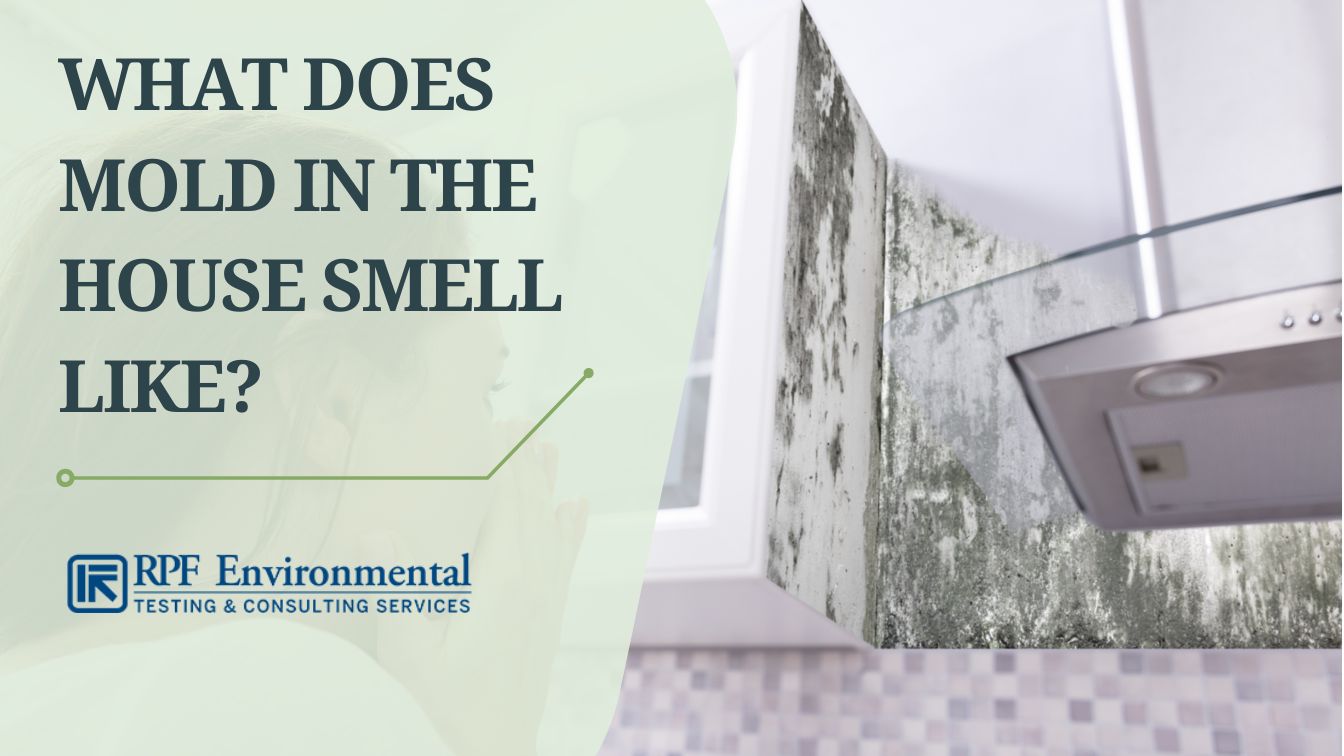
Mold and mildew are fungi that grow in damp places. They produce a musty, earthy smell. Bathrooms, basements, and rooms with water leaks are most at risk. Mold can hide behind walls, under floors, or inside closets. Besides the smell, mold is unhealthy and can cause allergies.
2. Plumbing Issues
A leaking pipe, blocked drain, or broken toilet seal can cause odors. Sometimes, you smell sewage or rotten eggs. This is dangerous, as sewer gas can be harmful. If your bathroom or kitchen smells bad, check the plumbing first.
3. Food Spills And Forgotten Trash
Leftover food, spilled drinks, or hidden trash can create strong smells. In bedrooms, living rooms, or even closets, a forgotten snack or spilled juice can rot and smell terrible. Trash bins that are not emptied regularly also create odors.
4. Pet Accidents
Pets can have accidents on carpets, furniture, or hidden corners. Urine and feces produce strong, lingering odors. Even if you clean, urine can soak into the floor or walls. If you have pets, check for hidden messes.
5. Dirty Carpet And Upholstery
Carpets and sofas absorb odors from shoes, spills, and pets. Old carpets can hold smells for years. If you notice a bad odor, try sniffing the carpet or furniture. Sometimes, deep cleaning or replacing is needed.
6. Dampness And Water Leaks
Water leaks from roofs, windows, or pipes create dampness. This leads to mold, mildew, and musty smells. Even a small leak can cause big problems over time. Check for wet spots or stains.
7. Dead Rodents Or Insects
Sometimes, a dead mouse or insect gets trapped in walls or under floors. This causes a strong, unpleasant smell. The odor is usually sharp and does not fade until the animal is removed.
8. Cigarette Smoke
If someone smokes in one room, the smell can stick to walls, curtains, and furniture. Cigarette smoke is hard to remove and can linger for months.
9. Old Furniture And Mattresses
Old sofas, chairs, or mattresses can smell musty or sour. This is usually from years of use and absorbed sweat or spills. Sometimes, furniture needs to be cleaned or replaced.
10. Dirty Laundry
Laundry baskets or piles of clothes can smell bad, especially if they are damp or sweaty. Bedrooms and closets are common places for this problem.
11. Hvac And Air Ducts
Air conditioning and heating systems can spread odors if ducts are dirty or blocked. Sometimes, mold grows inside the ducts. If you notice a smell when the system is on, check the vents.
12. Poor Ventilation
Rooms with closed windows or blocked vents do not get fresh air. This allows smells to build up. Bathrooms and basements often have this problem.
13. New Construction Or Renovation
Fresh paint, new carpet, or construction materials can produce strong chemical smells. These usually fade over time but can be unpleasant at first.
14. Cooking Odors
Cooking strong-smelling foods in one room (like fish or spices) can leave lingering odors. Kitchens or dining areas are most affected.
15. Personal Hygiene Products
Perfumes, lotions, or cleaning products sometimes create odd smells. If used too much or spilled, they can make a room smell strange.
Credit: www.airpf.com
How To Identify The Source Of Bad Smell
Finding the source is the most important step. Sometimes, the smell is obvious. Other times, it takes careful searching.
Step-by-step Detection
- Walk into the room and sniff carefully. Try to locate the area where the smell is strongest.
- Check under furniture, inside closets, and behind appliances.
- Look for signs of dampness, stains, or spills.
- Examine carpets and upholstery for hidden messes.
- Inspect trash bins, laundry baskets, and pet beds.
- Check walls, ceilings, and floors for water damage or mold.
- If the smell is sharp or rotten, consider the possibility of a dead animal.
- Ask others if they notice the smell. Sometimes, you get used to it and cannot smell it yourself.
Common Mistakes
Many people make these mistakes:
- Masking the smell with air fresheners instead of finding the cause
- Ignoring hidden places (under beds, behind furniture)
- Not checking plumbing or air ducts
- Leaving windows closed, which traps odors
Advanced Techniques
If you still cannot find the source, consider these:
- Use a UV light to detect pet urine stains
- Hire a professional for mold inspection
- Use moisture meters to find hidden dampness
- Remove baseboards or panels to check for dead rodents
Solutions For Removing Bad Smells
Once you find the cause, you need to remove the smell. Each source requires a different approach.
Cleaning And Disinfecting
- Clean affected areas with soap and water.
- Use disinfectants or enzymatic cleaners for pet stains.
- Deep clean carpets and upholstery with steam or professional machines.
- Wash curtains, bedding, and cushions.
- Remove and replace items that cannot be cleaned (old mattresses, rotten food).
- For mold, use bleach or mold-specific cleaners, but wear gloves and masks.
Fixing Plumbing And Leaks
- Repair leaking pipes or faucets.
- Clean drains with baking soda and vinegar.
- Replace broken toilet seals.
- Dry wet areas with fans or dehumidifiers.
Removing Dead Rodents Or Insects
- Locate and remove the carcass.
- Clean the area with disinfectant.
- Seal holes or entry points to prevent future problems.
Improving Ventilation
- Open windows and doors to allow fresh air.
- Use fans or air purifiers.
- Install ventilation systems in bathrooms or basements.
- Clean air ducts regularly.
Handling Cigarette Smoke
- Clean walls and ceilings with soap.
- Wash or replace curtains and cushions.
- Use air purifiers with carbon filters.
- Repaint walls if needed.
Dealing With Cooking Odors
- Clean kitchen surfaces after cooking.
- Use exhaust fans or open windows.
- Place bowls of vinegar or baking soda to absorb odors.
Eliminating Laundry And Trash Odors
- Wash dirty clothes promptly.
- Empty trash bins regularly.
- Use odor-resistant bins or liners.
Prevention: Keeping Rooms Smell-free
After fixing the problem, prevention is key. Here are proven ways to keep rooms fresh:
Regular Cleaning
Clean floors, carpets, and furniture often. Wipe surfaces and vacuum weekly. Wash bedding and curtains.
Good Ventilation
Keep windows open when possible. Use fans or air purifiers. Clean vents and ducts.
Moisture Control
Fix leaks quickly. Use dehumidifiers in damp rooms. Dry wet clothes and towels before storing.
Pet Management
Train pets and clean up accidents immediately. Use pet-safe cleaners. Regularly wash pet beds and toys.
Smart Storage
Store food, trash, and laundry in closed containers. Keep rooms organized.
Quick Response
If you notice a spill, leak, or accident, clean it up fast. The longer it sits, the worse the smell becomes.
Professional Help
If you cannot find or fix the smell, call a professional. Mold, plumbing, or pest issues may need expert help.
Data And Statistics On Household Odors
Bad smells in homes are more common than most people think. According to the Environmental Protection Agency (EPA), about 50% of homes have at least one room with poor air quality, often caused by odors. Studies show that indoor air can be up to 5 times more polluted than outdoor air. Mold and mildew are present in 20-30% of homes, mainly in bathrooms and basements.
Pet owners are more likely to have odor issues. Surveys reveal that 75% of pet owners struggle with carpet or furniture smells. Food-related smells are also frequent, especially in kitchens with poor ventilation.
Comparison: Common Odor Sources By Room Type
Here is a comparison showing which rooms are most affected by certain smells:
| Room Type | Most Common Odor Source | Frequency (%) |
|---|---|---|
| Bathroom | Mold/Plumbing | 60% |
| Kitchen | Food/Trash | 55% |
| Bedroom | Dirty Laundry | 40% |
| Living Room | Pet Accidents | 35% |
| Basement | Mold/Dampness | 70% |
Comparison: Cleaning Methods Effectiveness
Different cleaning methods work better for certain odors. Here is a comparison:
| Cleaning Method | Odor Type | Success Rate (%) |
|---|---|---|
| Enzymatic Cleaner | Pet Stains | 85% |
| Steam Cleaning | Carpet Odors | 75% |
| Bleach Solution | Mold/Mildew | 90% |
| Air Purifier | Smoke/Chemical | 60% |
| Baking Soda | General Odors | 50% |
Air Quality Measurements
Many people do not realize that bad smells often mean poor air quality. Devices like air quality monitors show that rooms with strong smells usually have high levels of volatile organic compounds (VOCs), mold spores, or dust. Keeping air clean reduces both smells and health risks.

Credit: www.amazon.com
Non-obvious Insights And Expert Tips
Some odor sources are easy to see, but others are hidden. Here are insights that many beginners miss:
- HVAC systems can spread smells from one room to another. If you clean only one room, but the ducts are dirty, the smell may return.
- Furniture with hidden compartments (drawers, storage beds) can trap spills, food, or pet messes. Always check inside.
- Paint and wallpaper can absorb odors over time. If smells persist after cleaning, repainting or removing old wallpaper may help.
- Humidity is a silent cause. Even if you do not see water, high humidity allows mold and bacteria to grow. Use a humidity meter to check your rooms.
- Old electrical outlets can sometimes trap dust and insects, leading to weird smells. If you smell burning or chemical odors, check the outlets.
Practical Actions: Step-by-step Guide
Here is a simple guide to solve bad smells in one room:
- Identify the room and area where the smell is strongest.
- Remove items (furniture, rugs, bins) to inspect underneath.
- Clean with soap and water. For tough stains, use the right cleaner (enzyme for pets, bleach for mold).
- Check walls, floors, and ceilings for stains or dampness.
- Fix leaks or plumbing issues quickly.
- Improve ventilation: Open windows, use fans, clean vents.
- Wash all fabrics (curtains, bedding, cushions).
- Use odor absorbers: Baking soda, vinegar, charcoal.
- If smell persists, consider professional help for mold or pests.
- Prevent future odors by regular cleaning, quick response to spills, and good air flow.
When To Call A Professional
Sometimes, a smell is too strong or dangerous to handle yourself. If you notice any of these, call an expert:
- Persistent mold smell, even after cleaning
- Sewage or rotten egg smell from plumbing
- Dead animal smell you cannot locate
- Electrical burning or chemical odors
- Smells spreading through the HVAC system
Professionals use special tools to find and fix hidden problems. They can check for mold behind walls, leaks under floors, or pests in hidden spaces.
Preventing Smells: Long-term Habits
Keeping your home fresh is not just about cleaning once. Build these habits:
- Clean regularly, including under and behind furniture
- Check for leaks and dampness every month
- Wash fabrics and cushions often
- Train pets and clean up accidents fast
- Use air purifiers and keep windows open when possible
- Store food and trash in closed containers
- Inspect HVAC filters and ducts twice a year

Credit: www.reddit.com
Frequently Asked Questions
What Is The Most Common Cause Of Bad Smells In One Room?
The most common cause is mold or mildew, especially in bathrooms, basements, and rooms with water leaks. Poor ventilation and hidden spills are also frequent reasons for odors.
How Can I Quickly Remove A Bad Smell From A Room?
Open windows for fresh air, clean the area with soap and water, and use baking soda or vinegar to absorb the odor. For tough smells, use an air purifier and deep-clean carpets or upholstery.
Is A Bad Smell Always A Sign Of A Health Problem?
Not always, but some smells (like mold, sewage, or chemicals) can indicate health risks. Mold can cause allergies, and sewage gas is harmful. If in doubt, call a professional.
Can Air Fresheners Solve The Problem?
Air fresheners only mask the smell. They do not fix the cause. Find and remove the source, then clean and ventilate the room for lasting results.
How Do I Prevent Smells From Coming Back?
Clean regularly, fix leaks, wash fabrics, and keep the room ventilated. Store trash and food properly. If you have pets, clean up accidents quickly and wash pet items often.
Bad smells in one room of your house are annoying, but they are not impossible to fix. By understanding the causes, using the right cleaning methods, and practicing good habits, you can make your home fresh and comfortable. If you face persistent or dangerous odors, do not hesitate to call experts. For more detailed information on indoor air quality and odor control, visit EPA Indoor Air Quality. Remember, a fresh-smelling room means a healthier and happier home.