
Bath And Body Works Wallflower Plug Alternative
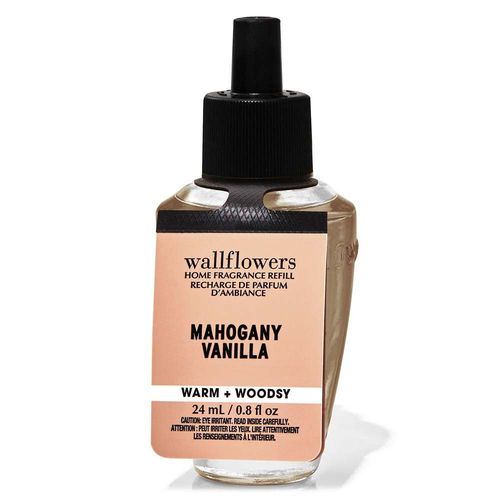
Many people love the gentle, welcoming scent that a Bath and Body Works Wallflower plug brings into a home. The familiar fragrances can brighten your mood, mask unwanted odors, and make any space feel cozier. However, some users are now looking for alternatives.
Maybe you want to save money, use natural ingredients, avoid certain chemicals, or just try something new. Luckily, there is a growing world of options that can help keep your home smelling fresh without needing a Wallflower plug.
Finding the right alternative is not always simple. Each method has its own advantages, safety tips, and unique scents. Some are better for large rooms, others for small corners. Some last for weeks, others need a quick refill. This guide will show you the top alternatives to Bath and Body Works Wallflower plugs, comparing how they work, their cost, safety, scent range, and more.
If you want a safer, greener, or simply more personalized home fragrance, you will find clear answers and practical tips here.
Why Look For Alternatives To Wallflower Plugs?
Before diving into the options, it’s good to understand why many people search for a Wallflower plug alternative in the first place. Here are the most common reasons:
- Allergies and Sensitivities: Wallflower refills often contain synthetic fragrances and chemicals that can cause headaches or allergic reactions for sensitive people.
- Safety Concerns: Wallflower plugs use electricity and can be a fire risk if left unattended or used incorrectly. Pets and small children may also be at risk if they touch or ingest the liquid.
- Cost: Regular refills add up. Over a year, the cost can easily exceed $60–$100, depending on how often you change scents.
- Environmental Impact: Many refill bottles are single-use plastic. Some people want a more sustainable option.
- Personalization: Wallflowers have a fixed scent range. If you want to create your own blends or use pure essential oils, you need something else.
Understanding your own priorities will help you choose the best alternative. Now, let’s explore the top options.
1. Reed Diffusers
Reed diffusers are one of the most popular alternatives. They are simple, stylish, and do not use electricity or heat.
How Reed Diffusers Work
A small bottle holds scented oil. Thin reeds (usually made of rattan) are placed in the oil. The reeds soak up the liquid and slowly release scent into the air. There’s no need to plug anything in.
Benefits
- No electricity: Safe for all rooms.
- Long-lasting: Usually 1–3 months before oil needs replacing.
- Customizable: You can use essential oils or fragrance oils.
- Decorative: Many bottles look elegant as home decor.
Downsides
- Less powerful: Not as strong as electric diffusers.
- Needs occasional flipping: To keep scent fresh, you need to turn the reeds every week.
Example
A 100ml reed diffuser can scent a small room for 8–12 weeks. You can easily refill the oil or swap out scents without much waste.
2. Ultrasonic Essential Oil Diffusers
If you want to use essential oils and enjoy a mist effect, ultrasonic diffusers are a modern choice.
How They Work
Ultrasonic diffusers use water and ultrasonic waves. You add water and a few drops of essential oil. The device turns the water and oil into a cool mist, spreading scent throughout the room.
Benefits
- Custom scents: Mix any oils you like.
- Adds moisture: Good for dry climates.
- Many designs: From basic to high-end models.
Downsides
- Needs regular cleaning: To prevent mold or oil buildup.
- Requires water: Must be refilled every few hours.
- More expensive: Initial cost is higher than reed diffusers.
Example
A 200ml ultrasonic diffuser can run for 4–8 hours and is perfect for bedrooms or offices. Some models have lights or timers.
3. Plug-in Oil Warmers (non-wallflower)
There are other plug-in fragrance warmers that do not use Bath and Body Works Wallflower refills. Brands like Air Wick, Glade, and ScentPlug offer their own devices and refill oils.
How They Work
These plug into an outlet and use gentle heat to evaporate scented oil from a refill bottle. Unlike Wallflowers, many allow you to adjust the scent strength.
Benefits
- Easy to use: Just plug and go.
- Adjustable: Some have dials for scent intensity.
- Widely available: Found in most supermarkets and online.
Downsides
- Still synthetic: Most use fragrance oils, not pure essential oils.
- Refills needed: Ongoing cost and plastic waste.
Example
An Air Wick plug-in can last up to 45 days on the lowest setting, covering an average living room.
Credit: www.i-alr.com
4. Scented Gel Beads And Crystals
Scented gel beads are small, colorful beads that slowly evaporate fragrance into the air.
How They Work
You open a jar and place it in your chosen spot. The gel beads shrink as the scent is released. No heat, no electricity.
Benefits
- Safe for kids and pets: No risk of burns or spills.
- Disposable: Just toss when dry.
- Portable: Move anywhere as needed.
Downsides
- Shorter lifespan: Usually last 2–4 weeks.
- Limited scent throw: Best for bathrooms or closets.
Example
A 12oz jar of gel beads can keep a bathroom fresh for about a month.
5. Diy Mason Jar Air Fresheners
For a creative, natural, and low-cost solution, try a DIY mason jar air freshener.
How They Work
Fill a small jar with baking soda, then add a few drops of essential oil. Cover the jar with a breathable lid (like fabric or paper with holes). Place it anywhere you want a fresh scent.
Benefits
- Customizable: Choose any oil blend.
- Non-toxic: Safe for most homes.
- Cheap: Uses kitchen ingredients.
Downsides
- Needs refreshing: Add new oil every week or so.
- Not very strong: Best for small spaces.
Example
A 4oz jar with 10 drops of essential oil will keep a closet or drawer smelling fresh for several weeks.
6. Wax Warmers And Melts
Wax warmers offer a strong, long-lasting scent, similar to candles but without an open flame.
How They Work
A small dish holds scented wax melts. A warming plate or bulb heats the wax, releasing fragrance.
Benefits
- Strong scent: Good for large rooms.
- Reusable: Replace melts as needed.
- No open flame: Safer than candles.
Downsides
- Requires electricity: Not good for all locations.
- Messy: Spilled wax can be hard to clean.
Example
A single wax melt can last 8–12 hours. Many brands offer soy-based or natural wax options.
7. Scented Sachets
Scented sachets are small fabric pouches filled with fragrant herbs, flowers, or scented beads.
How They Work
Place the sachet in drawers, shoes, gym bags, or closets. The scent is released slowly over weeks or months.
Benefits
- No electricity: Use anywhere.
- Natural options: Fill with lavender, cedar, or other botanicals.
- Affordable: Easy to replace or make yourself.
Downsides
- Limited range: Not strong enough for big rooms.
- Needs replacing: Over time, the scent fades.
Example
A lavender sachet can keep a drawer fresh for up to 3 months.
8. Room Sprays
Room sprays are a fast way to freshen a space with a burst of fragrance.
How They Work
Spray into the air as needed. Some are made with essential oils, while others use synthetic fragrances.
Benefits
- Instant effect: Covers odors quickly.
- Portable: Keep in your bag, car, or office.
- Customizable: Make your own blends at home.
Downsides
- Short-lived: Scent fades in minutes to hours.
- Overuse risk: Too much spray can be overwhelming.
Example
A single 8oz bottle can provide hundreds of sprays. Make a DIY version with water, alcohol, and oils.
9. Simmer Pots
For a cozy, natural home scent, try a simmer pot.
How They Work
Fill a saucepan with water, add citrus peels, herbs, or spices, and simmer gently on the stove. The steam carries fragrance through your home.
Benefits
- Natural ingredients: No chemicals.
- Custom blends: Use what you have.
- Adds humidity: Good for winter.
Downsides
- Needs supervision: Never leave stove unattended.
- Short-term: Works only while simmering.
Example
Simmer orange peels, cinnamon sticks, and cloves for a festive winter scent.
10. Passive Ceramic Diffusers
Passive ceramic diffusers are decorative objects made of unglazed clay or ceramic. They absorb oil and slowly release fragrance.
How They Work
Pour a few drops of essential oil onto the ceramic. Place it in a small room, car, or office.
Benefits
- No electricity: Simple and safe.
- Reusable: Just add more oil.
- Attractive designs: Many shapes and styles.
Downsides
- Limited reach: Good for small areas.
- Needs re-oiling: Scent fades after a few days.
Example
A ceramic flower diffuser in a bathroom can last 2–4 days per oil application.
11. Car Vent Clip Diffusers
If you want a fresh car scent, car vent clip diffusers are a great alternative.
How They Work
Clip the diffuser to your air vent. Airflow spreads the scent each time you drive. Some use essential oils, others use fragrance pads.
Benefits
- Easy to use: Just clip and go.
- Adjustable: Some let you control scent strength.
- Refillable: Use your favorite oils.
Downsides
- Small size: Only works in cars.
- Limited scent life: Needs refilling every 2–4 weeks.
Example
A refillable vent clip can provide fragrance for up to 30 days.
12. Electric Fan Diffusers
Electric fan diffusers use a small fan to blow air through a pad soaked in essential oil.
How They Work
Add oil to a pad or cartridge, then switch on the fan. The moving air spreads scent quickly.
Benefits
- Fast diffusion: Scent fills the room quickly.
- Customizable: Use any oil you like.
- No heat: Safe for most settings.
Downsides
- Noise: Some fans can be loud.
- Requires power: Needs batteries or a plug.
Example
A desktop fan diffuser can freshen an office in minutes.
13. Candle Warmers
Candle warmers let you enjoy the scent of candles without lighting a flame.
How They Work
Place a jar candle on a warming plate. The heat melts the wax, releasing fragrance.
Benefits
- No flame: Safer than burning candles.
- Even burn: Candles last longer.
- Strong scent: Fills large rooms.
Downsides
- Needs electricity: Not portable.
- Limited to jar candles: Not for all candle types.
Example
A candle warmer can keep a 12oz jar candle fragrant for weeks.
14. Hvac Scent Diffusers
HVAC scent diffusers connect to your home’s air system to spread fragrance through every room.
How They Work
A device attaches to your ductwork and adds scent to the air as it moves through your home.
Benefits
- Whole-home coverage: One device covers all rooms.
- Adjustable: Set scent strength and schedule.
- Professional quality: Used in hotels and stores.
Downsides
- Expensive: Can cost hundreds of dollars.
- Installation needed: May require a professional.
Example
A commercial HVAC diffuser can scent 1,000–3,000 square feet.
15. Potpourri Bowls
Potpourri bowls are a classic, low-tech way to keep rooms smelling sweet.
How They Work
Mix dried flowers, herbs, and spices in a bowl. Add a few drops of essential oil for extra scent.
Benefits
- Decorative: Looks nice on tables or shelves.
- Natural: No chemicals needed.
- Reusable: Refresh with more oil.
Downsides
- Short scent life: Needs frequent refreshing.
- Dusty: Can collect dust over time.
Example
A bowl of rose petals, lavender, and orange peel can scent a living room for a week.

Credit: www.i-alr.com
Comparing Wallflower Alternatives
To help you quickly see the differences, here’s a comparison of the most popular alternatives for home use:
| Alternative | Longevity | Scent Strength | Customizable? | Initial Cost |
|---|---|---|---|---|
| Reed Diffuser | 1–3 months | Moderate | Yes | Low–Medium |
| Ultrasonic Diffuser | 4–12 hours/run | Adjustable | Yes | Medium |
| Plug-In Oil Warmer | 30–45 days | Strong | No | Low |
| Wax Warmer | 8–12 hours/melt | Strong | Yes | Medium |
| DIY Mason Jar | 1–2 weeks | Light | Yes | Low |
How To Choose The Best Wallflower Plug Alternative
Finding the right replacement depends on your needs and preferences. Here’s a simple guide:
- For Safety: Reed diffusers, sachets, and passive ceramic diffusers are best. No heat, no electricity, and few chemicals.
- For Strength: Plug-in warmers, wax warmers, and HVAC diffusers fill large spaces well.
- For Custom Scents: Ultrasonic diffusers, DIY jars, and fan diffusers let you use any oil blend.
- For Low Cost: DIY options and gel beads are budget-friendly.
- For Natural Living: Simmer pots, potpourri, and natural sachets avoid synthetic chemicals.
Don’t be afraid to try different options in different rooms. For example, use a reed diffuser in the living room, a sachet in your closet, and an ultrasonic diffuser in the bedroom.

Credit: www.amazon.com
Key Safety Tips For Home Fragrance Alternatives
No matter which method you choose, safety comes first. Here are a few important tips:
- Keep out of reach: Children and pets can be curious. Place diffusers and fragrance products where they can’t be knocked over or ingested.
- Check ingredients: If you have allergies, read labels carefully. Choose unscented or hypoallergenic options if needed.
- Ventilate: Don’t use strong scents in a closed room for long periods.
- Avoid overuse: Too much fragrance can cause headaches or breathing problems.
- Fire safety: Don’t leave electrical devices or simmer pots unattended.
Scent Longevity And Cost Comparison
How long will your chosen method last, and how much will it cost over time? Here’s a quick side-by-side:
| Alternative | Average Cost/Month | Typical Longevity |
|---|---|---|
| Wallflower Plug | $7–$10 | 3–4 weeks/refill |
| Reed Diffuser | $4–$8 | 2 months |
| Ultrasonic Diffuser | $2–$5 | Buy oil as needed |
| Wax Melts | $3–$6 | 1–2 weeks |
| DIY Mason Jar | $1–$2 | 1–2 weeks |
| Room Spray | $2–$5 | 1–2 months |
Two Insights Most Beginners Miss
Many people new to home fragrance alternatives overlook two key facts:
- Oil Quality Matters: Not all essential oils are equal. Cheap oils can smell weak or strange, and some may even contain hidden chemicals. Always choose pure, high-quality oils for the best scent and safety.
- Room Size Changes Everything: A small diffuser or sachet may not work in a large space. Consider the size of your room when picking an alternative—what works well in a bathroom may be useless in a living room.
Tips For Making Your Own Natural Air Fresheners
If you’re interested in DIY air fresheners, here are a few tips to get the best results:
- Use glass or ceramic containers for essential oils, as plastic can react with some oils.
- Mix baking soda with your favorite oils for a simple, odor-absorbing jar freshener.
- Try dried citrus peels, spices, and herbs for potpourri. Add a few drops of oil for extra scent.
- To make a room spray, mix water, a little rubbing alcohol or witch hazel, and essential oils in a spray bottle. Shake before each use.
Are Wallflower Plugs Safe To Refill With Other Oils?
Some people try to refill Bath and Body Works Wallflower plugs with their own oils. This is not recommended for a few reasons:
- Fire risk: Using oils that are not designed for the plug can overheat or damage the unit.
- Warranty void: Refilling may void any warranty or return policy.
- Clogging: Thick or pure essential oils may clog the wick and stop the device from working.
If you want to use your own oils, it’s safer to choose a device made for essential oils, like an ultrasonic or fan diffuser.
The Environmental Impact Of Home Fragrance
Home fragrance is enjoyable, but it can add to plastic waste and indoor air pollution. Here are a few ways to be more eco-friendly:
- Choose reusable devices (ultrasonic diffusers, wax warmers) over single-use refills.
- Buy oils or wax melts in bulk to reduce packaging.
- Recycle packaging when possible.
- Use natural, plant-based scents instead of synthetic fragrances.
Where To Buy Alternatives
You can find most alternatives online or in local stores. Large retailers, specialty shops, and even some grocery stores carry a wide range of diffusers, wax warmers, and oils. For reviews and the latest product safety info, check sites like the Consumer Reports.
Frequently Asked Questions
What Is The Safest Alternative To Wallflower Plugs?
The safest options are reed diffusers and scented sachets. They use no electricity or heat and have little risk for kids or pets.
Can I Use Essential Oils In A Bath And Body Works Wallflower Plug?
It is not recommended. Wallflower plugs are made for specific refills. Using pure essential oils can damage the plug or cause a fire.
Which Alternative Lasts The Longest?
Reed diffusers and plug-in oil warmers usually last the longest—up to 3 months per refill, depending on the size and room conditions.
Are There Eco-friendly Alternatives To Wallflowers?
Yes. DIY mason jar fresheners, potpourri, and ultrasonic diffusers with natural oils are all eco-friendly options with less plastic waste.
How Can I Make My Own Home Fragrance?
Mix baking soda and essential oils in a jar for a simple air freshener. Or simmer water with herbs and citrus peels on the stove for a natural scent.
Bath and Body Works Wallflower plug alternatives can fit every lifestyle, budget, and room size. Whether you want natural scents, strong fragrance, or just something new, you have many choices. Remember to think about safety, scent strength, and how often you want to refill.
With a little experimentation, your home can smell just the way you like—no Wallflower plug required.