
Black Algae in Pebble Tec Pool: Complete Guide to Identification, Removal, and Prevention
A sparkling Pebble Tec pool is a symbol of luxury and relaxation. But nothing ruins the beauty of your pool faster than black algae. These stubborn, dark spots do not just make your pool look dirty—they are tough to remove and often return if not handled properly.
If you own a Pebble Tec pool, you may find black algae more persistent than in traditional plaster pools. Understanding what black algae are, why they are so difficult to manage, and how to get rid of them for good can save you countless hours and money.
This guide dives deep into everything you need to know about black algae in Pebble Tec pools. You will learn how to identify it, what causes it, how to remove it, and what steps you can take to keep it from coming back. Many pool owners struggle with black algae because traditional cleaning methods often fail. The truth is, black algae are not just dirt or ordinary algae. They have a tough outer layer that resists chlorine and other sanitizers. But with the right approach, you can win the battle and restore your pool’s beauty and safety.
What Is Black Algae?
Black algae are not technically “algae” in the way most people think. They are a type of cyanobacteria—a bacteria that uses photosynthesis like plants. In swimming pools, black algae appear as small, dark blue-green or black spots, often with a raised or rough surface. They are most common in pools with porous surfaces, like Pebble Tec, because their roots can penetrate deep into the tiny crevices.
Unlike green or yellow algae, black algae create a waxy, protective outer layer. This layer makes them resistant to standard pool chemicals. Even when the surface spots are brushed away, the roots can remain and regrow. This is why black algae are so frustrating for pool owners.
How Black Algae Differs From Other Pool Algae
Most pool algae are green or yellow, and they float freely in the water or stick lightly to the walls. Black algae, by contrast, grow in small clusters that attach tightly to the surface. They prefer shady areas, rough pool finishes, and places where water circulation is weak.
The main differences:
- Color: Black or very dark blue-green.
- Texture: Rough, raised spots that feel like sandpaper.
- Location: Often in cracks, seams, or on rough finishes like Pebble Tec.
- Resistance: Much harder to kill with standard chlorine or shock.
Understanding these differences helps you recognize and treat black algae more effectively.
Why Pebble Tec Pools Are Prone To Black Algae
Pebble Tec pools are popular for their durability, natural look, and slip-resistant surface. However, the same features that make Pebble Tec attractive also make it a prime target for black algae.
Porous Surface
Pebble Tec’s finish is made from small pebbles and cement. This creates a textured surface with tiny pores. Black algae roots can lodge deep into these pores, making them hard to reach with brushes or chemicals.
Shade And Water Circulation
Black algae thrive in areas with less sunlight and poor water movement. In a Pebble Tec pool, the uneven surface can create small, shaded spots where water does not circulate well. These are perfect hiding places for black algae.
Chemical Imbalance
Maintaining the right chemical balance is critical in Pebble Tec pools. Small changes in pH, chlorine, or alkalinity can create conditions that favor black algae growth. Owners often underestimate how quickly black algae can take hold if the water chemistry is not perfect.
Table: Factors That Increase Black Algae Risk In Pebble Tec Pools
| Factor | Effect on Black Algae Growth |
|---|---|
| Porous surface | Provides deep spaces for roots to anchor |
| Poor water circulation | Allows algae to settle and multiply in hidden areas |
| Low sunlight | Shaded areas support black algae colonization |
| Imbalanced chemicals | Reduces chlorine’s effectiveness |
How To Identify Black Algae In Your Pebble Tec Pool
Correct identification is the first step to solving the problem. Mistaking black algae for other issues can waste time and money.
Common Signs
- Small black or dark blue-green spots appear on the pool walls or floor.
- Spots may have a slightly raised, rough texture—like tiny sandpaper bumps.
- Algae are usually found in shaded areas, cracks, or seams.
- Scrubbing with a brush may lighten the surface, but the spots quickly return.
- The spots do not wipe away easily like dirt or stains.
Testing For Black Algae
A simple test: Try scraping a spot with a coin or stiff brush. If the surface comes off but a dark “root” remains, it is likely black algae. Another sign is that even after shocking the pool, the spots do not disappear.
Distinguishing From Stains
Sometimes, copper or metal stains can look similar. Metal stains usually have a greenish or brown color and do not feel rough. If you are unsure, bring a water sample and photos to a pool store for confirmation.
Causes And Sources Of Black Algae
Black algae can enter your Pebble Tec pool from several sources. Understanding how they get in helps prevent future outbreaks.
Common Causes
- Contaminated swimsuits or pool toys: People may bring black algae spores from lakes, rivers, or other pools.
- Wind and rain: Spores can be blown into the pool during storms.
- Animals: Birds and small animals can transport spores into the water.
- Improper pool maintenance: Infrequent brushing, low sanitizer levels, or poor filtration create an ideal environment.
Table: How Black Algae Enters A Pebble Tec Pool
| Source | Example | Prevention Tip |
|---|---|---|
| Swimsuits and equipment | Used in lakes or public pools | Rinse before use |
| Weather | Wind-blown spores | Use a pool cover |
| Animals | Birds perching on pool edge | Install deterrents |
| Poor maintenance | Low chlorine, dirty filters | Test water weekly |

Credit: www.reddit.com
Health Risks Of Black Algae
While black algae themselves are not usually dangerous, they create conditions that can make your pool unsafe.
Possible Risks
- Bacteria shelter: Black algae’s tough layers can shelter harmful bacteria. These may cause skin rashes, ear infections, or stomach illness if swimmers swallow contaminated water.
- Slippery surface: The algae can make the pool floor or walls slippery, increasing the risk of falls.
- Chemical imbalance: Trying to fight algae with excessive chemicals can lead to unsafe water conditions.
It is important to deal with black algae not just for appearance, but for swimmer safety.
Step-by-step Guide: How To Remove Black Algae From Pebble Tec Pool
Black algae are known for their stubbornness. Removing them requires a strong, multi-step approach. Here is a practical, experience-based guide.
1. Prepare The Pool
- Remove all pool toys, floats, and accessories. Rinse these items with a bleach solution before using them again.
- Brush the pool thoroughly. Use a stiff-bristle algae brush made for Pebble Tec surfaces. Focus on all visible spots, but also brush the entire pool to remove any hidden algae.
2. Test And Adjust Water Chemistry
- Check the pH (ideal: 7.2–7.6), alkalinity (80–120 ppm), and chlorine (1–3 ppm).
- Lower the pH to around 7.2 before shocking—this helps the chlorine work better.
3. Superchlorinate (shock) The Pool
- Use a high-quality pool shock—calcium hypochlorite is effective.
- Add enough shock to reach at least 30 ppm free chlorine. Follow the shock product’s label for the right dose.
- Run the pool pump and filter for 24–48 hours to circulate the chemicals.
4. Brush Again—aggressively
- After shocking, brush the black algae spots again. The goal is to break the protective layer so chlorine can kill the roots.
- Use a stainless steel brush for tough spots (but only if your Pebble Tec installer says it is safe).
5. Spot Treat With Algaecide Or Chlorine Tablets
- For stubborn patches, rub a chlorine tablet directly on the spots (wear gloves).
- You can also use a black algae-specific algaecide. Follow product instructions—too much can stain Pebble Tec.
6. Clean The Filter
- Black algae spores can hide in the filter. Backwash or clean your filter thoroughly after shocking and brushing.
7. Repeat As Needed
- Check for remaining spots after a few days. It can take multiple treatments to fully remove black algae, especially in porous Pebble Tec pools.
- Keep brushing daily until all spots are gone.
8. Vacuum To Waste
- After treatment, vacuum the dead algae to waste, not through the filter. This helps remove spores from the pool system.
Pro Tips For Success
- Consistency is key. Skipping brushing or using too little shock lets the algae survive.
- Don’t rely on automatic pool cleaners. They miss hidden spots.
- Use a pool cover to keep out new spores while you treat the pool.
Preventing Black Algae In Pebble Tec Pools
Prevention is much easier than removal. Once your pool is clean, focus on these steps to keep black algae from returning.
1. Maintain Perfect Water Chemistry
Test your pool water at least once a week. Adjust chlorine, pH, alkalinity, and cyanuric acid as needed. Stable water chemistry is your best defense.
2. Brush Regularly
Brush the pool walls and floor—especially shaded or low-circulation spots—at least once a week. Pay extra attention to corners, steps, and seams where black algae like to start.
3. Clean Filters And Equipment
Dirty filters can spread black algae spores. Clean or backwash filters every 2–4 weeks, or as your manufacturer recommends.
4. Limit Contamination
- Rinse swimsuits and toys before entering the pool.
- Keep pets and wild animals out of the water.
- Use a pool cover when the pool is not in use.
5. Monitor For Early Signs
Check for small black spots during weekly maintenance. Early treatment is much easier than dealing with a full outbreak.
Table: Black Algae Prevention Schedule
| Task | Frequency | Why It Matters |
|---|---|---|
| Test water chemistry | Weekly | Prevents chemical imbalances |
| Brush pool surfaces | Weekly | Disrupts algae before they root |
| Clean/backwash filter | 2–4 weeks | Removes spores and debris |
| Inspect for spots | Weekly | Allows for early treatment |
Common Mistakes When Dealing With Black Algae
Many pool owners repeat the same errors, which gives black algae a chance to come back. Avoid these pitfalls for better results.
Using The Wrong Brush
Soft brushes or automatic cleaners do not reach into Pebble Tec’s pores. Use a stiff-bristle brush or a stainless steel brush (if allowed).
Under-shocking The Pool
Black algae need a strong shock—regular doses are not enough. Always calculate the amount needed for your pool size.
Ignoring The Filter
Cleaning the pool but leaving the filter dirty means spores can quickly return.
Stopping Too Soon
It’s tempting to stop treatment once the spots fade. But if the roots are not destroyed, the algae will return in days or weeks.
Overusing Chemicals
More is not always better. Using too much algaecide or chlorine can damage the Pebble Tec finish and create other problems, like cloudy water or high cyanuric acid.
When To Call A Professional
Some black algae infestations are too severe for DIY methods. If you have tried all the steps above and the spots keep returning, it may be time to call a professional pool service.
Signs You Need Expert Help
- The algae cover large areas or keep coming back despite repeated treatments.
- The Pebble Tec surface is damaged or stained.
- You are unsure about the right chemicals or tools for your pool.
A pool expert can use specialized tools, stronger chemicals, and sometimes even drain and acid-wash the pool if needed. This is rare but sometimes necessary for deep, stubborn infestations.
Non-obvious Insights For Pebble Tec Owners
Most guides miss these important points:
- Algae can hide in pool lights and drains. Remove light fixtures (with power off) and clean behind them. Algae can survive here and spread back into the pool.
- Sunlight helps prevent black algae. Black algae thrive in shade. Trim back trees or bushes that cast shadows on the pool.
- Pebble Tec warranty may not cover algae problems. Always check your pool warranty before using harsh chemicals or brushes.
- High cyanuric acid reduces chlorine’s power. Too much stabilizer makes it harder to kill black algae. Test and adjust this level if you have recurring problems.
Data: How Common Is Black Algae In Pebble Tec Pools?
It’s estimated that over 20% of Pebble Tec pool owners will deal with black algae at some point. In warm, humid climates like Florida or Texas, rates can be even higher. In pool service surveys, black algae are one of the top three reasons for emergency pool cleaning calls.
Recommended Products For Black Algae Removal
While there are many pool chemicals, not all are effective for black algae in Pebble Tec pools. Here are some that work best:
- Calcium hypochlorite shock: Delivers a strong chlorine boost.
- Black algae-specific algaecides: Look for copper-based or polyquat products.
- Stiff-bristle algae brush: Designed for pebble finishes.
- Chlorine tablets: For spot treatment.
Always read labels and follow safety instructions. Never mix different types of pool chemicals.
Cost And Time Estimates For Black Algae Removal
Removing black algae is not quick or free. Here’s what to expect:
- Chemical costs: $30–$80 per treatment cycle, depending on pool size.
- Brushes and equipment: $20–$50 for a good brush.
- Time: Plan for at least 2–4 hours of work over several days for a typical backyard pool.
- Professional service: $200–$500+ per visit, depending on severity.
If you catch black algae early, costs and time are much lower. Waiting allows the infestation to spread, making removal more difficult and expensive.
Long-term Maintenance Tips For Pebble Tec Pools
Once you have removed black algae, stay vigilant with these extra steps:
- Keep water balanced year-round. Temperature and rain can change your pool’s chemistry quickly.
- Check and replace pool seals and caulking. Cracks are entry points for algae.
- Upgrade filtration if needed. A larger or more efficient filter system can make a big difference in prevention.
- Schedule annual professional inspections. A pool expert can spot early warning signs.

Credit: www.youtube.com
Environmental Impact: Are Black Algae Treatments Safe?
Many pool owners worry about the effect of pool chemicals on the environment. Used properly, modern pool shocks and algaecides break down quickly and do not harm wildlife or plants. However, always avoid draining large amounts of chemically treated water into storm drains or natural waterways.
Consider enzyme-based cleaners and regular manual brushing for minor outbreaks. These are gentler on the environment and your Pebble Tec finish.
For more information on pool water safety and environmental guidelines, check the resources at the CDC’s Healthy Swimming page.
Frequently Asked Questions
What Makes Black Algae So Hard To Remove From Pebble Tec Pools?
Black algae have a tough, waxy outer layer and deep roots that anchor into the Pebble Tec’s porous surface. Standard pool chemicals and light brushing only remove surface spots; the roots remain and regrow, making the algae very persistent.
Can I Use A Stainless Steel Brush On Pebble Tec?
A stainless steel brush is effective but should be used with caution. Some Pebble Tec finishes can be scratched or damaged by hard bristles. Check with your pool installer or manufacturer before using one, or use a stiff nylon brush designed for pebble finishes.
How Often Should I Brush My Pebble Tec Pool To Prevent Black Algae?
Brush at least once a week, focusing on shaded areas, seams, and spots with weak circulation. Regular brushing prevents algae from anchoring and makes it easier for chlorine to keep the pool clean.
Are Black Algae Dangerous To Swimmers?
Black algae themselves are not usually toxic, but they can shelter harmful bacteria and make surfaces slippery. This can lead to skin rashes, ear infections, or accidents. Keeping the pool clean and chemically balanced is the best way to protect swimmers.
What Should I Do If Black Algae Keep Coming Back Despite Treatment?
If repeated treatments do not solve the problem, check your water chemistry (especially cyanuric acid and chlorine levels), filter cleanliness, and brushing technique. Persistent issues may require a pool professional for advanced cleaning or even an acid wash.
A beautiful Pebble Tec pool is worth the effort to keep clean and algae-free. With the right approach, you can enjoy clear water and peace of mind all season long.
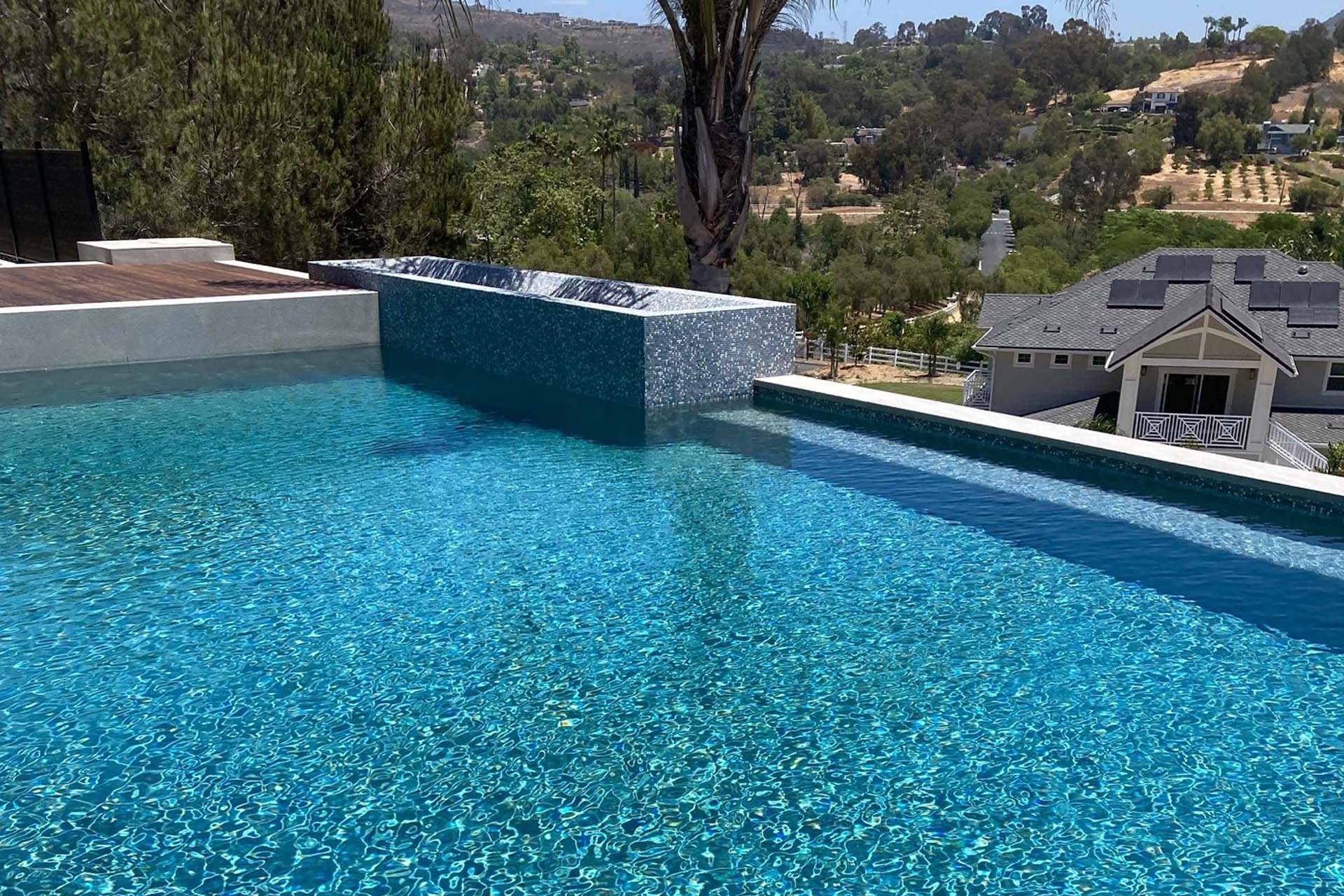
Credit: pebbletec.com