
Building projects often bring up complex questions, especially when it comes to what lies beneath the ground. One of the most common concerns is: Can you build over a gas main? This question is not only about construction rules but also about safety, legal risks, and long-term property value. Many people underestimate the importance of gas mains, but overlooking them can lead to dangerous situations, costly mistakes, and even legal trouble. This guide will give you a clear, complete view of everything you must know if you are thinking about building over, near, or around a gas main.
Understanding Gas Mains: What Are They?
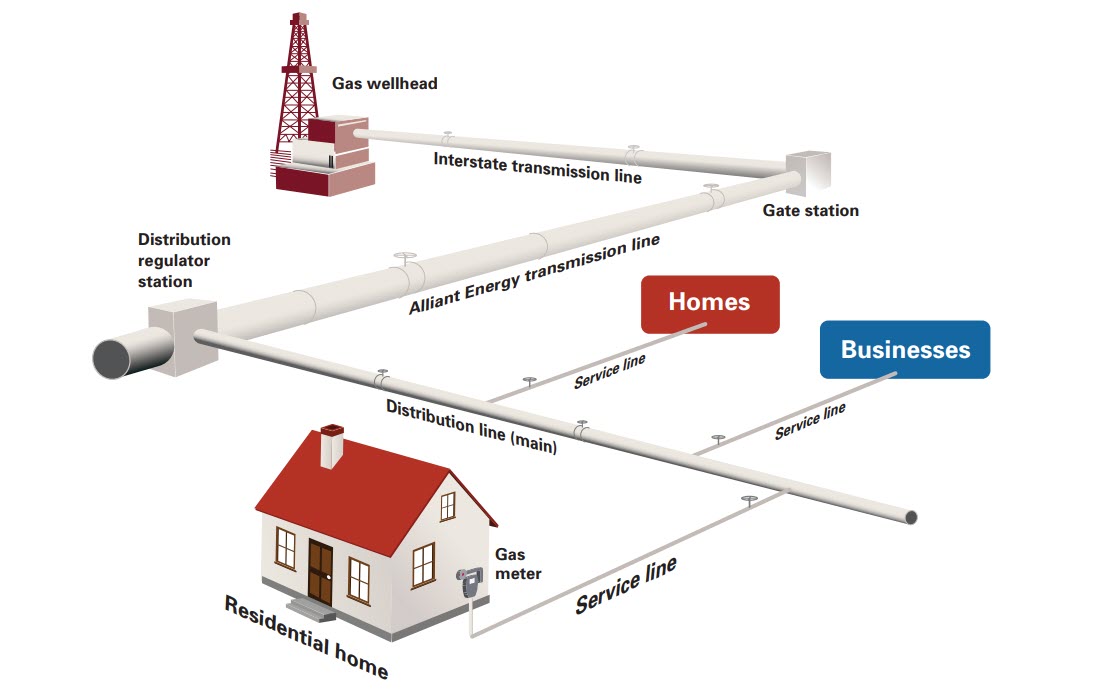
Before making any decisions, it’s important to know exactly what a gas main is. A gas main is a large pipeline that carries natural gas from distribution centers to homes and businesses. These pipes often run under streets, sidewalks, and sometimes private properties. They are usually made from materials like steel or high-density polyethylene and come in various sizes, sometimes more than a meter in diameter.
The pressure inside gas mains can be quite high, depending on their location and purpose. High-pressure mains are usually found in industrial zones or under main roads, while lower-pressure ones serve residential areas. Because of their importance and the risks involved, gas mains are heavily regulated.
Why Building Over A Gas Main Is A Major Concern
Building over a gas main is not just a matter of convenience. There are several reasons why it is a sensitive issue:
- Safety risks: Gas leaks can cause explosions, fires, and health hazards.
- Access for repairs: Gas companies need to inspect and repair mains quickly in emergencies.
- Legal restrictions: Many laws and regulations make it illegal or extremely difficult to build over these utilities.
- Property value: Structures built over gas mains may lose value or be harder to sell.
Ignoring these factors can lead to accidents, heavy fines, and even the forced removal of your building.
Legal Rules And Building Codes
National And Local Regulations
Every country has its own rules about building near gas infrastructure. In the United States, for example, the Pipeline and Hazardous Materials Safety Administration (PHMSA) sets strict standards. In the UK, the Health and Safety Executive (HSE) and local councils issue clear guidelines. These rules are not suggestions—they are legal requirements.
Easements And Rights-of-way
A key legal concept is the easement. This is a legal right that allows the gas company to access and use a strip of land for their pipes, even if you own the property. Easements are recorded in land documents and usually come with restrictions:
- No permanent structures (buildings, garages, pools) over the easement
- No deep-rooted trees or large landscaping
- No heavy machinery or storage of large objects
If you violate these rules, the utility company can demand you remove the structure at your own cost.
Building Permit Process
Before you build, you must get a building permit from your local authority. The application process includes a check for any utilities under your planned site. If a gas main runs through your property, your permit will likely be denied unless you adjust your plans.
Technical Reasons: Why Gas Mains Need Space
Some people wonder why it is such a big deal to build over a pipe buried underground. The answer is that gas mains are not like water or sewer lines.
Risk Of Damage
Heavy construction can crack or crush gas pipes, especially during foundation work. Even small leaks can fill a basement or crawlspace with gas, creating a deadly hazard.
Emergency Access
Gas companies need to inspect, maintain, and sometimes replace sections of pipe. If there is a leak or break, they must dig up the area fast. A building over the main makes this impossible, delaying repairs and increasing danger.
Settlement And Movement
Buildings settle over time. This can put extra pressure on the gas main, causing it to bend, crack, or break. Soil movement from construction can also disturb the pipe.
Statistics On Gas Incidents
- The U.S. Department of Transportation reports that over 300 significant gas pipeline incidents occur each year.
- In 2021, there were 32 fatalities and more than $227 million in property damage from gas pipeline accidents in the U.S. alone.
These numbers highlight why strict rules exist.
Common Types Of Structures And Gas Main Restrictions
Not every structure is treated the same way. Here’s a look at how different types of construction are affected:
| Structure Type | Typically Allowed Over Gas Main? | Notes/Restrictions |
|---|---|---|
| Residential Houses | No | Almost always prohibited by law and easement |
| Garages/Sheds | No | Permanent buildings not allowed |
| Driveways/Parking Lots | Sometimes | Allowed with conditions (weight limits, removable surface) |
| Decks/Patios | Rarely | May be possible if easily removable and approved |
| Fences | Yes, with limits | Posts must avoid direct contact; utility approval needed |
| Landscaping | Yes | No deep roots; no large rocks or heavy features |
As seen above, only certain lightweight or removable features may be allowed. Permanent, heavy, or deep structures are almost always forbidden.
Steps To Take Before Building Near A Gas Main
If your project is close to a known or suspected gas main, follow these steps to avoid problems:
1. Check Property Documents
Review your deed, survey, and any title documents for easements or utility notations.
2. Call Before You Dig
In the U.S., dial 811 to have utility lines marked for free. In other countries, contact your local utility location service.
3. Contact The Gas Company
Speak directly to the gas provider. They can give you maps, tell you about restrictions, and explain what is possible.
4. Get Professional Surveys
Hire a surveyor if you’re unsure about the main’s exact location. Modern tools like ground-penetrating radar can help.
5. Obtain Written Permissions
Never rely on verbal agreements. Get all permissions and restrictions in writing.
6. Adjust Your Plans
If a main is in the way, redesign your project to avoid it.
7. Apply For Permits
Submit detailed plans to your local building office, showing all utilities.
8. Follow All Rules
Even if it means more cost or a smaller building, follow the restrictions strictly.
Case Studies: Real-world Problems From Building Over Gas Mains
The Apartment Complex Fiasco
A developer in Texas built part of an apartment complex over a gas main, believing the main was deeper underground. Years later, the gas company needed repairs. The only solution was to dig up part of the building, which cost more than $2 million and forced 30 families to move out.
The Homeowner’s Garage Mistake
In the UK, a homeowner built a garage extension unknowingly over a gas easement. When the gas company discovered this during routine checks, they ordered the garage removed. The homeowner lost their investment and had to pay legal fees.
Lessons Learned
- Always check and double-check utility locations
- Never assume a main is “deep enough” to be safe
- Gas companies have strong legal powers to enforce rules
What If You Already Have A Building Over A Gas Main?
Sometimes people inherit or buy properties that already have buildings over a gas main. Here’s what you should do:
- Contact the gas company immediately. Let them know about the situation. Sometimes “grandfathered” structures can stay, but often they cannot.
- Arrange for a professional inspection. Make sure the main and your building are safe.
- Prepare for possible removal. You may be required to remove the building at your own cost.
- Check your insurance policy. Many insurers will not cover damage or liability if you have an illegal structure over a utility main.
Possible Alternatives When A Gas Main Blocks Your Plans
If your dream project is blocked by a gas main, there are still options:
1. Redesign The Project
Move your building or structure to another part of the property. This is the safest and easiest solution.
2. Build Removable Structures
If you must use the area, consider lightweight, removable features like a pergola, raised garden bed, or temporary shelter. Always get approval first.
3. Use The Space For Landscaping
Turn the easement into a garden, lawn, or open space. Avoid deep digging and heavy installations.
4. Apply For A Gas Main Relocation
In rare cases, you can ask the gas company to move the main. This is extremely expensive and only possible if it does not affect the wider network. Costs can range from $10,000 to over $100,000.
5. Sell Or Swap Land
If the gas main makes your project impossible, consider selling the affected part of your land or trading it for another parcel.
Comparing Building Restrictions: Gas Main Vs. Other Utilities
It’s helpful to know how gas main restrictions compare to other buried utilities.
| Utility Type | Building Restrictions | Typical Depth | Risk Level |
|---|---|---|---|
| Gas Main | Very strict; almost no permanent structures allowed | 3-6 feet | High (explosion, fire) |
| Water Main | Moderate; some structures allowed | 3-6 feet | Medium (flooding) |
| Sewer Line | Moderate; access needed for repairs | 3-10 feet | Medium (sanitation issues) |
| Electric Line (underground) | Strict; limited structures allowed | 2-4 feet | High (electrocution, fire) |
| Telecom/Fiber | Least strict; shallow installations | 1-3 feet | Low (service outage) |
Gas mains have the most severe restrictions due to the risk of explosion and the need for emergency access.

Credit: www.reddit.com
Long-term Risks Of Ignoring Gas Main Guidelines
Even if you could “get away” with building over a gas main, doing so brings many dangers:
- Personal safety: Gas leaks can be deadly.
- Legal penalties: Fines, lawsuits, or court orders to remove the structure.
- Insurance problems: Claims may be denied if you ignore utility rules.
- Resale value: Selling a property with illegal structures is difficult and risky.
- Community danger: A mistake doesn’t just affect you; it can harm neighbors and the public.
One non-obvious risk is that insurance companies may drop your policy altogether if they learn about illegal construction over a gas main, leaving you with no protection.
How To Safely Design Around A Gas Main
If you want to make the most of your land while staying safe and legal, try these design tips:
- Create open green spaces above easements.
- Use shallow-rooted plants or decorative gravel.
- Design paths or walkways instead of heavy structures.
- Install fences with posts set far from the main (ask the utility for advice).
- Add benches, lights, or art that can be moved easily.
These features allow you to use the space without risking damage or blocking access.
Credit: www.labc.co.uk
Expert Insights: What Professionals Say
Many property owners assume that if a builder or contractor says “it’s fine,” they can go ahead. However, only the gas company and local authorities have the power to approve or deny building plans near a gas main.
Engineers and inspectors often warn that even small mistakes can lead to major disasters. For example, driving a fence post too close to a gas main has caused leaks and fires in several cases.
Surveyors note that property boundaries and utility easements are often misunderstood. Double-check all documents, and never trust outdated maps.
Municipal officials stress that violations can delay or stop your entire project, not just the part over the gas main.
Common Myths About Building Over Gas Mains
Many people believe things that simply aren’t true. Here are a few myths—and the real facts:
- “If it’s buried deep, it’s safe.”
*In reality, soil movement and heavy buildings can damage even deep pipes. *
- “I can get a permit later.”
*Building first and asking for forgiveness later almost never works. You may be forced to tear down the structure. *
- “It’s just a small shed.”
*Even small permanent buildings are usually not allowed. *
- “The utility will pay to move the main.”
*Most of the time, you must pay for any changes, and it is very expensive. *
Credit: www.alliantenergy.com
The Role Of Professional Help
Trying to handle gas main issues on your own is risky. Here’s how professionals can help:
- Surveyors can locate all utilities and mark boundaries accurately.
- Engineers can design safe alternatives.
- Lawyers can review deeds and easements, protecting you from legal trouble.
- Contractors with experience in utility work can avoid accidental damage.
Hiring the right experts can save you from costly mistakes and ensure your project follows all laws.
Key Takeaways: What You Must Remember
- Never build permanent structures over a gas main.
- Always check property documents and get a utility survey before building.
- Get written permission from the gas company and local authorities.
- Use the area for open space, not buildings.
- If you discover an existing building over a gas main, act fast to address the issue.
- Do not rely on myths or informal advice. Follow official guidelines strictly.
For more detailed regulations and safety tips, check your country’s official guidelines or visit PHMSA.
Frequently Asked Questions
What Happens If I Accidentally Build Over A Gas Main?
If you build over a gas main by mistake, the gas company may require you to remove the structure. You might also face fines or legal action. In emergencies, they can dig up the area without your permission to fix the pipe.
Are There Any Types Of Buildings Allowed Over A Gas Main?
Permanent buildings, like houses and garages, are almost never allowed over a gas main. In rare cases, lightweight or removable features may be permitted, but only with written approval from the gas company and local authorities.
How Deep Are Gas Mains Usually Buried?
Gas mains are usually buried 3 to 6 feet underground, depending on the location and regulations. However, depth alone does not make it safe to build over them.
Who Is Responsible If A Gas Main Is Damaged During Construction?
The property owner or contractor is usually responsible for any damage caused to a gas main during construction. This includes repair costs, fines, and liability for any injuries or property damage.
Can A Gas Main Be Moved If It Blocks My Building Project?
It is sometimes possible to move a gas main, but this is very expensive and complicated. The gas company must approve the relocation, and the cost is usually paid by the property owner.
Building over a gas main is a serious issue with long-lasting consequences. Always put safety, legality, and expert advice first. Taking the right steps now will protect you, your property, and your community for years to come.