
Many people have stood in a hotel bathroom, hands cold and towel ready, staring at a shower that just won’t turn on. If you’ve thought, “I can’t figure out how to turn on the shower,” you’re not alone. Modern bathrooms can be confusing, especially if you’re traveling, moving into a new place, or using a friend’s house.
Showers come in many shapes and with many mechanisms. A simple mistake can leave you feeling awkward or embarrassed—or even with cold water pouring down your back.
This article will help you understand all the common (and not-so-common) shower types, with step-by-step guidance, practical troubleshooting tips, and advice for handling tricky or unfamiliar showers. You’ll also learn what to do if the shower won’t turn on, how to avoid damaging anything, and how to get help if you’re stuck.
Whether you’re a student abroad, a renter in a new city, or just someone who wants to avoid morning surprises, this in-depth guide has you covered.
Why Showers Can Be So Confusing
Bathrooms should be simple, but they often aren’t. There are a few main reasons why people have trouble with showers:
- Different Designs: Every country, hotel, or apartment might use a different shower control.
- Old vs. New: Older showers use knobs or levers. Newer ones have digital panels or touch controls.
- Hidden Mechanisms: Some showers have diverters, pull tabs, or push-pull systems that aren’t obvious.
- Water-Saving Technology: Some designs use buttons or sensors to save water, confusing first-timers.
- Poor Signage: Often, there are no labels, and you might not know what to turn or pull.
A study in the UK found that over 30% of hotel guests struggle to operate the shower on their first try. This leads to wasted water, time, and sometimes embarrassment.
The Main Types Of Shower Controls
Showers usually use one of several control types. Knowing what you’re looking at makes the process much easier. Here’s a breakdown of the most common types, with tips on how to operate each.
Single Lever Mixer
This is one of the most popular designs in modern homes and hotels.
- How it works: A single lever controls both water flow and temperature.
- How to use: Usually, lifting the lever increases water flow. Moving it left or right adjusts the temperature.
- Common mistakes: People sometimes pull instead of lifting or don’t realize the lever moves sideways for temperature.
Dual Knob System
Older homes and many budget hotels have two separate knobs.
- How it works: One knob for hot, one for cold. You have to mix them yourself.
- How to use: Turn both knobs and adjust until you reach the desired temperature.
- Non-obvious detail: Sometimes, knobs are reversed (left = cold, right = hot) in some countries.
Push-pull Diverter
This system mixes the bath and shower controls.
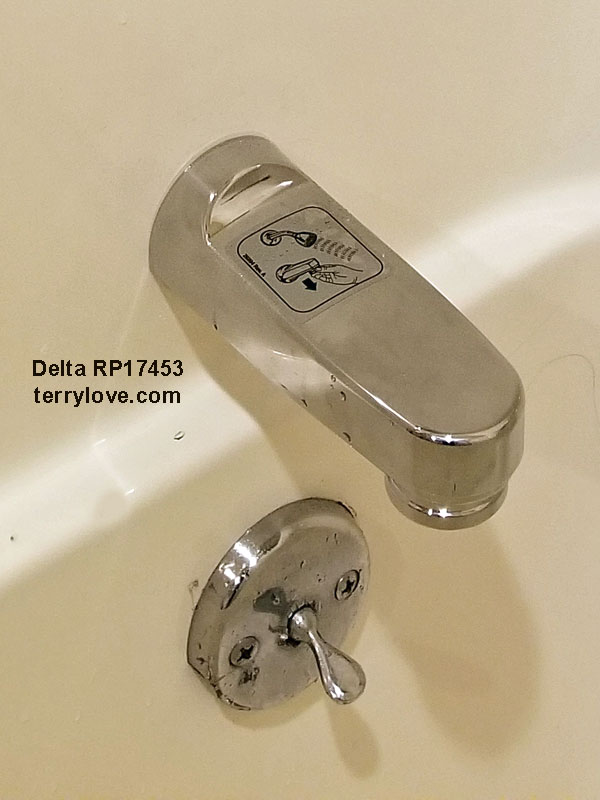
- How it works: You turn on the water at the tub faucet. Then, pull or push a small lever or button to divert water up to the showerhead.
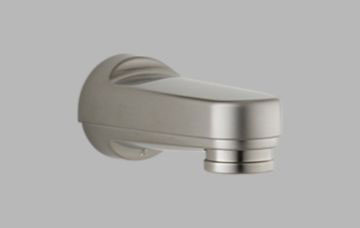
- How to use: Look for a knob on top of the tub spout, or a small lever just below the faucet.
- Common mistake: Forgetting to pull the diverter means water just keeps coming from the faucet.
Thermostatic Controls
Modern hotels and luxury homes often use these.
- How it works: One dial sets the exact temperature. A separate control turns the water on and off.
- How to use: Set your desired temperature, then turn on the water with the flow control.
- Non-obvious insight: Some require you to press a button to go above a certain temperature for safety.
Digital And Touch-panel Showers
Smart showers are common in new apartments.
- How it works: Panel with buttons or a touchscreen. You might see icons for temperature, flow, and spray pattern.
- How to use: Look for the power symbol to start. Use up/down arrows for temperature. Sometimes you need to wait a few seconds for water to start.
- Tip: If nothing works, check if there’s a main power button outside the bathroom.
Pull Cord (mainly In The Uk And Europe)
Some older or energy-saving systems use a ceiling pull cord.
- How it works: A cord or chain near the shower or ceiling must be pulled to activate the power to the shower.
- How to use: Pull the cord until you hear a click. Then use the shower controls as normal.
- Common error: Not noticing the cord, leading to no water or power.
Button Or Sensor Activated Showers
Public showers or gym showers often use these.
- How it works: Push a button or wave your hand to start water.
- How to use: Press the button firmly. Water usually runs for a set time.
- Non-obvious detail: You may need to press or wave again if water stops before you finish.
Step-by-step: Turning On Different Showers
Now, let’s walk through the process for each type. Use these steps if you’re staring at an unfamiliar setup:
1. Single Lever Mixer
- Stand in front of the shower.
- Locate the single lever, usually under or beside the showerhead.
- Gently lift the lever up (or out, depending on design).
- Move it left for hot, right for cold. Adjust until comfortable.
- If water doesn’t come, check for a child-safety lock or a separate power switch.
2. Dual Knob System
- Identify both knobs—one marked hot, one cold.
- Turn both knobs slowly to start water flow.
- Adjust each until you reach your desired temperature.
- If nothing happens, check for a diverter (if combined with a tub).
3. Push-pull Diverter
- Turn on the main water (usually a single or dual knob).
- Watch for water coming from the tub faucet.
- Locate the diverter—this could be a lever on top of the faucet, a button, or a knob.
- Pull up or push the diverter. Water should move from the faucet to the showerhead.
- Adjust temperature as needed.
4. Thermostatic Showers
- Find the temperature dial. Set it to your preferred temperature.
- Use the flow control (separate lever or button) to start the water.
- Some designs require pressing a safety button for high temperatures.
- Adjust pressure and spray pattern as desired.
5. Digital Or Touch-panel Showers
- Look for a power button or icon—press it to activate the system.
- Use the display or buttons to adjust temperature and flow.
- Wait a moment; some take a few seconds to start.
- If you see an error message, check for a power switch outside the bathroom.
6. Pull Cord Showers
- Find the pull cord, usually near the ceiling.
- Pull until you hear a click.
- Use the standard shower controls to set temperature and flow.
- If no water, check if you need to wait for heating.
7. Button Or Sensor Showers
- Find the button or sensor (may be on the wall or below the showerhead).
- Press or wave to start water.
- Water may stop after 30–60 seconds. Press again as needed.
- Adjust temperature if there is a separate knob.
What To Do If The Shower Won’t Turn On
Sometimes, even after trying everything, the shower stays off. Here’s what to check:
- Is the water supply off? In some places, water is turned off during repairs. Check the sink or toilet.
- Is there a main power switch? Especially in hotels or the UK, there may be a power switch outside the bathroom.
- Is the diverter stuck? If you can’t move the lever, try gently wiggling it.
- Is there an error or safety lock? Some digital showers lock if there’s a problem.
- Is the hot water heater off? In many homes, hot water is powered separately.
If nothing works, it’s best to ask someone for help rather than force anything.
Credit: terrylove.com
Understanding Unusual Or Foreign Showers
Traveling abroad or staying in older homes can mean facing unique shower setups.
Japanese Showers
Many Japanese bathrooms have a control panel outside the shower, controlling temperature and water heating. If you see a panel with kanji (Japanese characters), look for the main power and temperature settings. Sometimes, you must fill a tub first and use a hand shower.
European Showers
Older European hotels often have tiny stalls with wall-mounted controls. The hot and cold may be reversed, and pressure can be low. Always test the water with your hand before stepping in.
American Showers
Most U. S. homes use the single lever or tub diverter system. Remember, in many American homes, the hot is left and the cold is right.
Showers In Hostels Or Shared Spaces
You may find coin-operated or timer showers. Read instructions carefully—sometimes you need to insert a token for hot water.
Common Mistakes And How To Avoid Them
- Turning the wrong way: Some knobs turn left, others right. If nothing happens, try the opposite direction.
- Missing the diverter: Many people stand waiting for the shower, not realizing water is coming from the tub faucet. Always look for a switch or lever.
- Forcing knobs: If it feels stuck, don’t force it. You might break the control.
- Ignoring safety stops: Thermostatic showers sometimes require pressing a button for extra hot water. Don’t assume it’s broken.
- Not checking for power: In some countries, power to the shower must be switched on separately.
Comparing Different Shower Control Types
Here’s a quick comparison of main shower systems and how easy they are for newcomers to operate:
| Shower Type | Ease of Use (1-5) | Common Challenges |
|---|---|---|
| Single Lever Mixer | 4 | Confusion over direction/temperature |
| Dual Knob System | 3 | Balancing hot/cold, reversed labels |
| Push-Pull Diverter | 2 | Forgetting diverter, stuck controls |
| Thermostatic | 4 | Safety lock confusion |
| Digital/Touch Panel | 2 | Power switch, error messages |
| Pull Cord | 3 | Missing cord, waiting for hot water |
| Button/Sensor | 4 | Short water cycle, unclear temperature control |
Signs Of A Broken Shower
Sometimes, the problem is not you—it’s the shower. Here’s how to tell if something is actually broken:
- No water at all: Even after trying all controls, nothing comes out.
- Leaking from base: Water comes out below the handle or from the wall.
- Handle spins freely: If a knob or lever turns with no resistance.
- Odd noises: Grinding or clanking sounds can mean a mechanical problem.
- Electric shock: If you feel a tingle, STOP immediately and exit.
If any of these happen, don’t keep trying. Report it to the building manager, landlord, or hotel staff.
Credit: terrylove.com
What To Do If You’re Still Stuck
Sometimes, you just can’t figure it out. Here’s what you can do:
- Ask for help: Staff in hotels or friends will understand—it’s a common issue.
- Search for a manual: Many hotels or rentals provide instructions—look in the bathroom or online.
- Check YouTube: A quick search for the shower brand and model often helps.
- Contact reception or maintenance: Especially if you’re paying for the room, don’t risk breaking anything.
Safety Tips When Dealing With Showers
Bathrooms can be dangerous if you’re not careful. Follow these safety tips:
- Test water with your hand before stepping in. Water can turn very hot suddenly.
- Don’t force controls. If something won’t move, it may be stuck or broken.
- Watch for slippery floors. If you’re fiddling with the shower, the floor may get wet.
- Check for electrical switches. Especially in the UK, never touch switches with wet hands.
- Turn off shower fully after use. Some showers keep dripping if not turned off completely.
How Hotels And Landlords Can Help
If you own or manage a property, consider these to help guests:
- Add simple diagrams or instructions near the shower.
- Use labels for hot/cold and power switches.
- Choose user-friendly, easy-to-understand controls for new installations.
- Offer a quick walkthrough for new tenants or guests.
Table: Shower Types And Regions
Here’s where you’re likely to find each shower type:
| Shower Type | Common Regions | First-Time User Issues |
|---|---|---|
| Single Lever Mixer | North America, Europe | Direction confusion |
| Dual Knob | Asia, older homes worldwide | Mixing hot and cold |
| Push-Pull Diverter | US, UK, Australia | Forgetting diverter |
| Thermostatic | Hotels, modern homes | Safety button, advanced settings |
| Digital | High-end apartments, Japan | Power button, complex controls |
| Pull Cord | UK, Europe | Missing cord, waiting for heat |
Two Key Insights Beginners Miss
Most beginners don’t realize two important things:
- Diverters are not always obvious: Many showers combine the tub and shower control in one. If you don’t see water from the showerhead, always check for a diverter.
- Power supply can be separate: In the UK and many hotels, showers need an external power switch turned on before use. This is often outside the bathroom or above the door.
Recognizing these details can save you time, embarrassment, and cold showers.
Real-world Example: A Traveler’s Story
Sarah, a student from Brazil, arrived in London for her studies. Her first week, she couldn’t get the shower to work in her rented flat. She turned both knobs, but no water came from the showerhead. She almost called a plumber—until a friend showed her the small lever on top of the tub faucet.
One quick pull, and the shower started!
This is a common situation. Most people are only missing a small step or a hidden switch.

Credit: www.reddit.com
Troubleshooting Table: If The Shower Still Won’t Work
Here’s a quick guide for what to check if you’re stuck:
| Problem | Possible Cause | Solution |
|---|---|---|
| No water at all | Main supply off, power off | Check main taps, power switch outside |
| Water only from faucet, not showerhead | Diverter not used | Find and pull/push diverter |
| Only cold water | Heater off, hot water supply closed | Check boiler, heater switch |
| Shower handle won’t turn | Stuck or broken part | Don’t force; ask for help |
| Error message on digital panel | Power problem, safety lock | Restart or check manual |
When To Call A Professional
If you’ve tried everything and the shower still won’t turn on, it may be time to call for help. You should contact:
- Building maintenance if you’re in a hotel or apartment.
- Landlord if you rent.
- Plumber if you own the property.
For more on plumbing basics and troubleshooting, you can check resources like the Wikipedia page on plumbing for detailed explanations.
Frequently Asked Questions
Why Do Some Showers Have A Power Switch Outside The Bathroom?
This is a safety feature, especially in the UK and parts of Europe. The power switch keeps electricity away from wet areas to prevent shock. Always look for a pull cord or wall switch before using electric showers.
What Should I Do If The Shower Is Stuck On Boiling Hot Water?
Turn off the shower immediately. Wait for it to cool down. If you have a thermostatic system, check if the safety button was pressed. If not, ask for help, as this can be dangerous.
How Can I Make Sure I Don’t Damage A Hotel Shower?
Never force controls or try to unscrew anything. If you’re unsure, ask hotel staff or look for instructions. Most hotels are used to these questions.
Is It Normal For Showers To Take A Few Seconds To Start?
Yes. Many digital or energy-saving showers need a few seconds to activate after pressing the power or start button. Wait before trying other controls.
Why Do Some Showers Only Give Cold Water?
This usually means the hot water heater is off or the supply is empty. Check for a separate heater switch or ask if hot water is scheduled for certain times.
—
A shower should be a refreshing start or end to your day—not a confusing puzzle. Now, with a better understanding of shower types, controls, and common mistakes, you’ll be ready to handle almost any situation. If you’re ever unsure, remember: look for diverters and power switches, test with your hand, and don’t be afraid to ask for help. Your next shower will be much less stressful, and you’ll save time, water, and possibly a little embarrassment.