
There’s a lot to think about when building or renovating an inground pool. One question that often comes up is whether you need a bottom drain. Pool builders sometimes recommend it, while other experts say it’s optional. If you’re planning a pool or just want to understand how pool plumbing works, this topic can be confusing. In this article, we’ll look at the facts, pros and cons, real-world examples, and help you decide what’s best for your situation.
What Is A Bottom Drain In An Inground Pool?
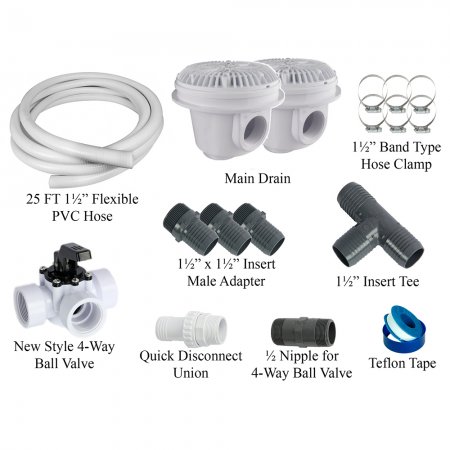
A bottom drain (sometimes called a main drain) is a plumbing fixture installed at the deepest point of an inground pool. It pulls water from the bottom, helping with circulation and cleaning. Most bottom drains connect to the pool’s pump system and filter. The drain has a cover for safety and to prevent debris from clogging the pipe.
Some pools have just one bottom drain. Others have two, spaced apart for safety (to prevent strong suction). Older pools often had only one drain, but modern standards recommend two for anti-entrapment.
How Does A Bottom Drain Work?
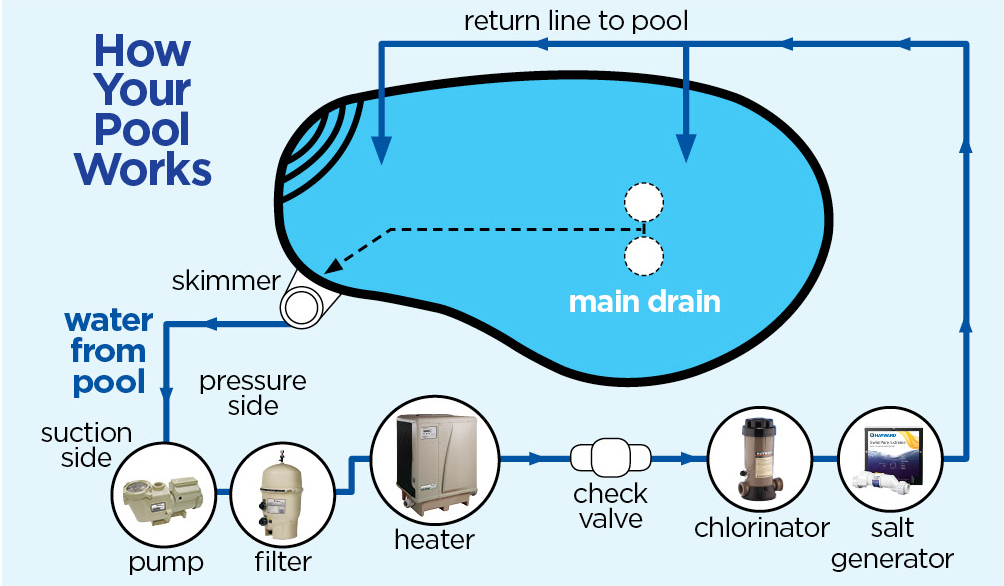
Bottom drains are part of the pool’s circulation system. They work with the skimmers (the openings near the water surface) to pull water through the pump and filter. Here’s a simple breakdown:
- Water enters the drain at the pool’s bottom.
- Water travels through pipes to the pump.
- The pump pulls water from both the bottom drain and skimmers.
- Filtered water returns through the pool’s jets.
A bottom drain helps draw water from the deepest area, pulling heavier debris and keeping water moving. If you have a pool vacuum, it often connects to the bottom drain line.
Are Bottom Drains Required By Law?
There is no universal law that says every inground pool must have a bottom drain. Requirements depend on local building codes, safety standards, and type of pool.
- In the United States, the main safety rule is the Virginia Graeme Baker Pool and Spa Safety Act (VGB). This law focuses on preventing entrapment and requires anti-entrapment drain covers.
- Some areas require dual bottom drains for new pools.
- Other regions allow pools without a bottom drain if they use alternative cleaning systems.
Always check your local codes before building or renovating your pool.
Why Do Some Pools Not Have A Bottom Drain?
Not all pools need a bottom drain. Here are a few reasons:
- Design choice: Some modern pools rely on skimmers and cleaning systems instead.
- Safety concerns: Drains can pose risks if not properly installed.
- Cost: Installing a drain means extra plumbing and labor.
- Maintenance: Drains can clog or leak, requiring repairs.
Many experts agree that while bottom drains help with certain tasks, they are not essential for every pool.
Credit: pinchapenny.com
Pros Of Having A Bottom Drain
There are several advantages to installing a bottom drain in your inground pool:
1. Improved Circulation
A bottom drain helps pull water from the deepest area, improving overall water movement. This prevents stagnant areas and helps distribute chemicals evenly.
2. Easier Cleaning
Debris, leaves, and dirt often settle at the bottom. A drain helps remove these particles, making cleaning easier, especially if you have a pool vacuum connected.
3. Faster Draining
If you need to empty your pool for repairs or cleaning, a bottom drain speeds up the process. Without one, draining takes longer and requires extra equipment.
4. Better Chemical Distribution
Since water moves from the bottom and top, chemicals mix more evenly. This prevents algae and bacteria from growing in still areas.
5. Support For Pool Vacuums
Most automatic pool vacuums use the bottom drain line. This helps keep the pool floor clean without manual effort.
Cons Of Having A Bottom Drain
While there are benefits, there are also drawbacks to consider:
1. Safety Risks
Suction from a bottom drain can be dangerous, especially for children. If not installed correctly, it can cause entrapment (where a person is stuck by suction).
2. Extra Cost
Installing a drain means more plumbing, labor, and materials. It can add hundreds or thousands of dollars to your pool project.
3. Potential For Leaks
Bottom drains are installed under concrete or vinyl. If the seal fails, it can cause leaks. Repairing a leak often means breaking the pool floor.
4. Maintenance Challenges
Drains can clog with debris or become blocked. Cleaning or repairing them is not easy.
5. Not Always Necessary
Many pools work fine with just skimmers and good cleaning tools. A bottom drain is not required for most home pools.
Alternatives To Bottom Drains
If you decide not to install a bottom drain, there are other ways to keep your pool clean and safe.
Surface Skimmers
Skimmers pull water from the surface, removing leaves and floating debris. Most pools have one or more skimmers.
Return Jets
Return jets push filtered water back into the pool. Good placement of jets helps stir water and keep it moving.
Automatic Pool Cleaners
Robotic and suction vacuums move around the pool floor, picking up debris. Many connect to skimmers instead of the bottom drain.
Floor Cleaning Systems
Some high-end pools have built-in floor cleaning jets. These pop up and spray water, pushing debris toward the main drain or a collection area.
Manual Cleaning
Using a pool brush and vacuum, you can clean the pool floor without a bottom drain.
Comparing Pools With And Without Bottom Drains
Let’s look at how two pool setups perform side by side.
| Feature | Pool With Bottom Drain | Pool Without Bottom Drain |
|---|---|---|
| Water Circulation | Strong (top & bottom) | Mostly surface, less bottom movement |
| Cleaning Ease | Automatic vacuums work better | Manual cleaning or robots needed |
| Draining Speed | Fast, direct floor drain | Slow, requires pump or siphon |
| Safety | Risk of entrapment, needs dual drains | Lower risk, mostly at skimmers |
| Cost | Higher, more plumbing | Lower, simpler install |
| Maintenance | Possible leaks/clogs | Fewer issues, easier access |
.png?width=600&name=main%20drain%20(2).png)
Credit: blog.royalswimmingpools.com
Pool Owners’ Experiences
Many pool owners share their thoughts on forums and in reviews. Here are some insights:
- Some report that their pool without a bottom drain stays clean with a good robotic vacuum and regular brushing.
- Owners of pools with bottom drains say draining is much easier when needed.
- A few owners had problems with leaking drains and expensive repairs.
- Most agree that dual drains (two spaced apart) are safer and more reliable than a single drain.
What Pool Builders Recommend
Pool professionals often give different advice depending on the pool’s size, shape, and use:
- For large pools or commercial settings, bottom drains are usually recommended.
- For small backyard pools, many builders say skimmers are enough.
- Builders always stress the importance of anti-entrapment covers if you use bottom drains.
- Some builders suggest floor cleaning systems for luxury pools, but these are more costly.
How To Decide: Does Your Pool Need A Bottom Drain?
Here are key questions to help you choose:
- Pool size and depth: Larger and deeper pools benefit more from bottom drains.
- Cleaning habits: If you prefer automatic cleaning, a drain helps.
- Local codes: Check your city or country’s rules.
- Budget: Can you afford the extra cost?
- Safety concerns: Do you have children or frequent swimmers?
If you want maximum convenience and fast draining, a bottom drain is helpful. If you prefer simple maintenance and lower risk, you can skip it.
How Dual Bottom Drains Improve Safety
Safety is a major concern with bottom drains. Dual drains, placed a few feet apart, reduce suction at each drain and prevent entrapment. Modern pools use anti-entrapment covers and dual drains as standard.
Here’s a look at safety improvements:
| Drain Setup | Entrapment Risk | Safety Features |
|---|---|---|
| Single bottom drain | High | Needs special cover |
| Dual bottom drains | Low | Anti-entrapment covers, spread suction |
| No bottom drain | Very low | Skimmer only |
Real-world Examples: Pools Without Bottom Drains
Many modern pools are built without bottom drains. For example:
- Fiberglass pools often skip bottom drains and rely on skimmers and robotic cleaners.
- Vinyl liner pools sometimes avoid bottom drains to reduce risk of leaks.
- Luxury pools use floor cleaning jets instead of drains.
In these setups, owners report good water clarity and easy maintenance. Robotic cleaners have become more effective, making bottom drains less necessary.
Common Mistakes When Deciding About Bottom Drains
Choosing whether to add a bottom drain can lead to mistakes. Here are some to avoid:
- Ignoring local codes: Not checking rules can lead to fines or forced renovations.
- Overestimating cleaning needs: Many pools stay clean with skimmers and robots.
- Choosing a single drain: Dual drains are much safer.
- Skipping safety covers: Always use anti-entrapment covers if you have drains.
- Not planning for repairs: A leaking drain is hard to fix; consider future maintenance.
Data: How Many Pools Have Bottom Drains?
According to industry surveys:
- About 60-70% of new inground pools have bottom drains (often dual drains).
- Older pools (built before 2008) often have a single drain or none.
- Fiberglass and vinyl pools are less likely to have drains than concrete pools.
Cost Comparison: Installing Vs. Skipping A Bottom Drain
The cost of installing a bottom drain can vary. Here’s a simple comparison:
| Feature | With Bottom Drain | Without Bottom Drain |
|---|---|---|
| Installation cost | $500–$2,000 extra | $0 (basic plumbing) |
| Maintenance cost | $100–$300/year | $50–$150/year |
| Repair cost | $1,000–$5,000 (floor leak) | Lower, easier access |
Should You Retrofit A Bottom Drain?
If you already have a pool without a bottom drain, retrofitting is possible but expensive. It usually requires breaking up the pool floor, installing new plumbing, and patching concrete or liner. Most owners only retrofit if they have major circulation or draining problems.
Best Practices For Safe Bottom Drains
If you decide to install a drain, follow these tips:
- Use dual drains: Always install two, spaced at least 3 feet apart.
- Install anti-entrapment covers: These are required by law in many places.
- Check for leaks: Test before finishing pool construction.
- Clean regularly: Prevent clogs and keep water moving.
- Teach swimmers about safety: Children should avoid sitting on drains.
Expert Tips: Improving Pool Circulation Without A Bottom Drain
If you skip the drain, you can still get good circulation:
- Place return jets at different heights and angles.
- Use a robotic pool cleaner weekly.
- Brush the pool floor and walls often.
- Run the pump for at least 8 hours a day.
- Shock the pool (extra chlorine) monthly.
Non-obvious Insights Most Beginners Miss
- Robotic pool cleaners have improved a lot. Many owners find they do a better job than bottom drains for cleaning debris.
- Water chemistry can be harder to manage without good circulation. If your pool is deep, skipping the drain may mean more chemical use.
- Dual drains are not just about safety; they also help prevent clogs and improve cleaning.
- Many leaks come from poor installation. Always hire experienced pool contractors for plumbing.
When Are Bottom Drains Essential?
Some situations require a bottom drain:
- Large commercial pools: Need strong circulation and fast draining.
- Pools with floor cleaning jets: Often need drains for debris removal.
- Pools in areas with strict codes: Must follow legal requirements.
For most home pools, especially if you use a robotic cleaner, a bottom drain is optional.
Environmental Impact
Pools with bottom drains can waste water during draining and backwashing. Skimmer-only pools use less water, which is better for the environment. However, proper maintenance matters more than drain setup.
Credit: www.poolsupplies.com
Final Thoughts: Making The Right Choice
Deciding whether your inground pool needs a bottom drain depends on your needs, budget, and safety concerns. For most backyard pools, especially those with modern cleaning tools, a bottom drain is not required. If you want faster draining, improved circulation, and easier vacuuming, it’s a useful feature—but not essential.
Always check local codes, use anti-entrapment covers, and consider dual drains for safety. Modern robotic cleaners and well-placed jets can keep your pool clean without a floor drain. For expert advice, speak to a certified pool builder or plumber.
If you want to learn more about pool safety standards, visit the CDC Swimming Pool Regulations.
Frequently Asked Questions
Does Every Inground Pool Need A Bottom Drain?
No, not all inground pools require a bottom drain. Many pools use skimmers and cleaning systems instead. Local codes may require dual drains or anti-entrapment covers if you install a drain.
Is A Bottom Drain Dangerous?
If not installed correctly, a bottom drain can cause entrapment (strong suction that traps swimmers). Modern pools use dual drains and anti-entrapment covers to reduce this risk.
Can I Clean My Pool Without A Bottom Drain?
Yes, you can keep your pool clean with skimmers, robotic vacuums, and manual brushing. Many owners find these methods work well, especially in smaller pools.
How Much Does It Cost To Install A Bottom Drain?
Adding a bottom drain usually costs $500 to $2,000 extra during pool construction. Repairs or retrofitting are much more expensive, sometimes costing thousands.
What Is The Main Benefit Of A Bottom Drain?
The biggest advantage is better water circulation and easier draining. It also helps with debris removal and supports some automatic vacuums. However, many pools work fine without it.
Choosing the right setup for your pool means thinking about safety, cleaning habits, and local codes. With the right information, you can build a pool that fits your needs and stays clean for years.