
When you build a swimming pool, there are many materials to consider for the base and the area around it. One material often used under pools is extruded polystyrene foam (XPS). This foam is not only strong, but also lightweight and helps keep your pool structure safe for years. But what makes XPS foam so special for pool construction, and how does it actually work? If you have ever wondered why some pools last longer and are less prone to cracks or leaks, understanding the role of XPS under the pool is key.
This article will guide you through everything you need to know about extruded polystyrene foam under pools—from its benefits, installation steps, and technical features, to common mistakes and real-world examples. Whether you’re a homeowner, a contractor, or just someone planning a backyard pool, you’ll find practical advice and insights you won’t get elsewhere.
What Is Extruded Polystyrene Foam (xps)?
Extruded polystyrene foam is a type of rigid insulation board made from polystyrene resin. It’s produced by melting the resin, adding a blowing agent, and forcing it through a shaped die. The result is a closed-cell foam board with a consistent structure and smooth surface. XPS is different from expanded polystyrene (EPS), which is made by expanding beads of polystyrene.
XPS is known for its:
- High compressive strength (it can handle heavy loads)
- Low water absorption (it does not soak up moisture easily)
- Excellent insulation value (it slows down heat loss)
- Long lifespan (it does not rot or break down easily)
These features make XPS a favorite under pools, especially where the ground is uneven or at risk of getting wet.
Why Use Xps Foam Under Pools?
Choosing the right material under your pool affects its safety, comfort, and durability. Here are the main reasons why XPS foam is often the best choice:
1. Protects Pool Liner And Structure
Pool liners are sensitive to sharp objects and uneven ground. XPS boards create a smooth, stable base that stops rocks and roots from poking through.
2. Distributes Weight Evenly
Pools are heavy when filled with water. XPS spreads the weight across the ground, reducing the risk of sinking or shifting.
3. Prevents Heat Loss
XPS foam has a high R-value (a measure of insulation). This means it helps keep the water warm, saving you money on heating.
4. Stops Water Damage
Because XPS is closed-cell, it does not absorb water. This prevents swelling, mold, and frost damage under your pool.
5. Lasts A Long Time
XPS is not affected by soil, insects, or chemicals. It can last as long as your pool, sometimes 20–50 years.
6. Easy To Handle And Install
The boards are light and easy to cut. This makes installation much faster than using poured concrete.
Many professional pool builders recommend XPS under both above-ground and in-ground pools, especially in areas with clay, sandy, or rocky soil.
How Xps Foam Compares To Other Base Materials
People sometimes use sand, gravel, concrete, or expanded polystyrene (EPS) instead of XPS foam under pools. But each material has its own pros and cons.
Here is a comparison to help you understand the differences:
| Material | Compressive Strength | Water Resistance | Insulation Value | Longevity | Ease of Installation |
|---|---|---|---|---|---|
| XPS Foam | High | Excellent | High | Very Long | Easy |
| Sand | Low | Poor | Low | Short/Medium | Easy |
| Gravel | Medium | Good | Low | Long | Medium |
| Concrete Slab | Very High | Good | Medium | Very Long | Difficult |
| EPS Foam | Low/Medium | Fair | High | Medium | Easy |
Key insight:
While sand is cheap and easy to use, it can wash away or shift. Concrete is strong, but expensive and hard to install. XPS foam offers a balance—strong, light, water-resistant, and simple to work with.
Types And Grades Of Xps Foam For Pools
Not all XPS foam is the same. It comes in different thicknesses, grades, and sizes. Here’s what you need to know:
- Thickness: Most pool projects use boards from 1 inch (25 mm) to 2 inches (50 mm) thick. Thicker boards give better insulation and strength.
- Compressive Strength: Standard XPS for pools is usually 20–40 psi (pounds per square inch). For very heavy pools (like some in-ground concrete pools), you may need higher strength, up to 60 psi.
- Board Size: Common sizes are 2 x 8 feet (60 x 240 cm), 4 x 8 feet (120 x 240 cm), but sizes can vary by brand.
Pro tip:
Don’t use XPS made for roofing or interior walls under a pool. Always pick a type rated for ground contact and outdoor use.

Credit: www.youtube.com
How To Install Xps Foam Under A Pool
Correct installation is critical to get the most from XPS foam. Here’s a step-by-step guide you can follow:
1. Prepare The Ground
Clear the area of grass, roots, stones, and debris. The ground must be level. Use a long board and a spirit level to check for bumps or dips. If the ground is not flat, fill low spots with clean sand or crushed stone and compact firmly.
2. Add A Vapor Barrier (if Needed)
In very wet areas, place a heavy-duty plastic sheet (at least 6 mil thick) on the ground before laying the foam. This stops moisture from rising up into the boards.
3. Lay The Xps Boards
Start at one end and lay the boards tightly together. Stagger the joints, like bricks, to avoid weak spots. For round pools, cut boards with a sharp knife to fit the curve. Make sure the whole pool area is covered—no gaps.
4. Tape The Joints
Use waterproof tape to seal the seams between boards. This stops sand or water from getting between the boards.
5. Check For Flatness
Walk gently on the boards to test for soft spots. Add more foam or sand if needed. The surface must be perfectly flat before moving on.
6. Add A Protective Layer (optional)
Some people add a thin layer of foam underlayment or pool pad on top of the XPS for extra liner protection. This is not always required, but it can help if the XPS surface is rough.
7. Install The Pool
Now you can build your pool on top of the foam base. Follow the pool manufacturer’s instructions carefully.
Common mistake:
Some installers skip the step of taping the seams. This lets water and insects in, which can reduce the life of the foam.
Advantages Of Xps Foam Under Pools
XPS foam brings several benefits that other base materials can’t match:
Superior Load-bearing
Because of its high compressive strength, XPS can support the heavy weight of a pool plus water (1 cubic meter of water weighs 1,000 kg). This helps prevent the pool from sinking, even on soft or uneven soil.
Water And Moisture Resistance
XPS does not rot, swell, or grow mold, even if it gets wet. This is important for in-ground pools or areas with a high water table.
Thermal Insulation
A pool loses a lot of heat to the ground, especially at night or in cool weather. XPS foam slows this loss, making your pool warmer and reducing heating costs. According to some studies, adding 2 inches of XPS can cut heat loss through the bottom by up to 80%.
Smooth And Comfortable Surface
The foam base feels softer underfoot, making the pool more comfortable. This is especially nice for above-ground pools with vinyl liners.
Long-term Durability
Unlike sand, which can wash away, or concrete, which can crack, XPS foam keeps its shape and properties for decades. This means fewer repairs and less maintenance.
Fast And Clean Installation
XPS boards are easy to handle. There’s no need to mix concrete or haul heavy gravel. Most installations can be done in a few hours.
Disadvantages And Limitations
While XPS is excellent in many ways, it’s not perfect. Here are some things to consider:
- Cost: XPS foam is more expensive than sand or EPS.
- UV Sensitivity: If left exposed to sunlight, XPS can break down. It must be covered by the pool or another layer.
- Insect Damage: In rare cases, ants or termites may burrow into XPS. Using treated boards or insect barriers helps.
- Not for All Soils: In very soft or swampy soils, extra stabilization (like compacted gravel) may be needed under the foam.
Expert tip:
Never use XPS as the only support for very large, in-ground concrete pools. Always follow the advice of a structural engineer.
Real-world Examples
Example 1: Above-ground Pool In A Cold Climate
A family in Canada wanted a 24-foot round above-ground pool. They used 2-inch thick XPS foam over a sand base. The result: no heat loss through the floor, and the liner lasted longer without tears. Even after 5 years, the foam showed no signs of damage.
Example 2: In-ground Pool With High Groundwater
A hotel in Florida built an in-ground pool where the water table was high. They used 2 layers of 1. 5-inch XPS foam over a thick vapor barrier. This stopped groundwater from damaging the pool structure and improved insulation.
Example 3: Pool On Rocky Soil
A homeowner in Colorado had rocky soil that could have torn the pool liner. After removing the largest rocks and leveling the ground, they installed 2-inch XPS foam. The pool base stayed smooth and the liner never ripped.
Credit: universalconstructionfoam.com
Cost Analysis: Is Xps Worth It?
Let’s compare the cost of using XPS foam vs. other common pool base materials for a 24-foot round pool (about 450 square feet).
| Material | Material Cost | Labor Cost | Total Cost | Expected Lifespan |
|---|---|---|---|---|
| XPS Foam (2″) | $600–$900 | $100–$200 | $700–$1,100 | 30–50 years |
| Sand (2″) | $80–$120 | $100–$150 | $180–$270 | 5–10 years |
| Concrete Slab (4″) | $1,000–$1,500 | $1,000–$1,500 | $2,000–$3,000 | 30–50 years |
XPS foam has a higher upfront cost than sand but lasts much longer and protects your investment. Concrete is strong but much more expensive and labor-intensive.
Non-obvious insight:
Some insurance policies for pools may offer lower rates if you use XPS foam as part of a professional installation, due to the reduced risk of structural damage.
Xps Foam And Pool Types: What Works Best?
Above-ground Pools
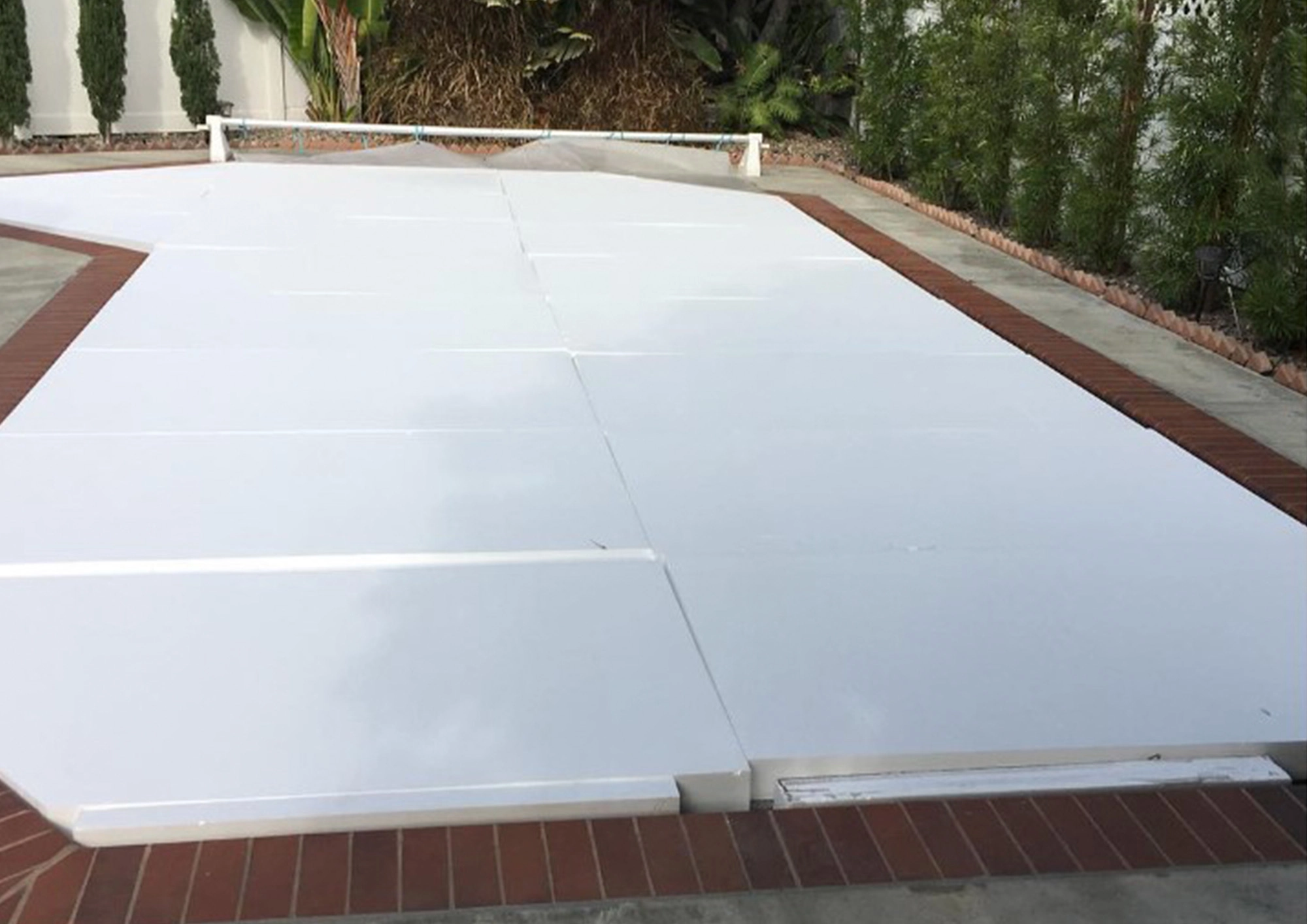
XPS foam is ideal for above-ground pools, especially those with vinyl liners. It makes the floor soft and smooth, reduces heat loss, and prevents liner punctures. The foam can be used under steel, resin, or inflatable pool frames.
In-ground Pools
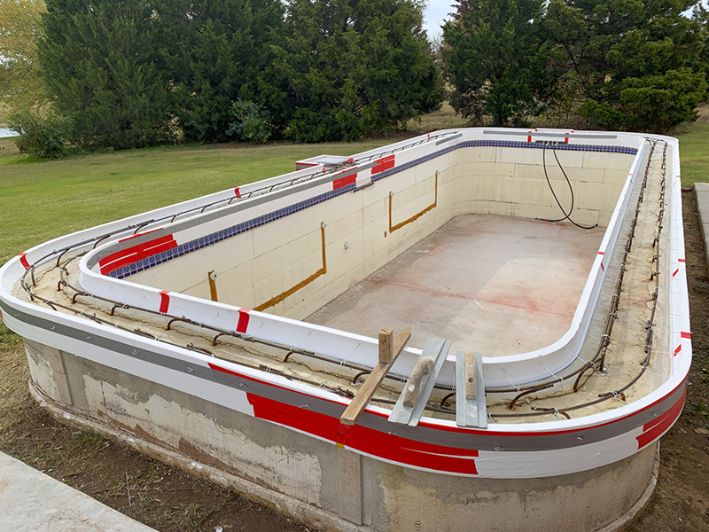
For in-ground pools, XPS foam is placed under the concrete shell or liner. It’s best for pools in cold climates or with high groundwater. In some cases, engineers may add XPS foam to the sides for extra insulation.
Inflatable And Portable Pools
Even small inflatable pools benefit from a layer of XPS foam, especially on rough or hard ground. This prevents wear and increases comfort.
Important:
Always check the pool manufacturer’s guidelines. Some brands may require a specific type or thickness of foam to keep the warranty valid.
Credit: wemakefoam.com
Environmental Impact Of Xps Foam
Some people worry about the environmental effects of foam products. Here are the facts:
- Recyclability: XPS foam can be recycled, but facilities are limited in some areas.
- Ozone Impact: Modern XPS uses blowing agents with zero ozone depletion potential.
- Carbon Footprint: XPS production uses energy, but its insulation saves much more energy over the pool’s life by reducing heating and water loss.
- End-of-Life: XPS does not break down easily. If removed, it should be recycled or disposed of properly.
Sustainability tip:
Some brands now make XPS foam with recycled content or natural blowing agents. Ask your supplier for “green” options if this is important to you.
Maintenance And Care
Once your pool is built over XPS foam, maintenance is simple:
- Check for Erosion: Every season, check that the ground around the pool has not washed away.
- Watch for Insects: Look for ant or termite activity and treat if needed.
- Keep Covered: Do not leave foam exposed to sunlight when assembling or repairing the pool.
- Avoid Heavy Loads: Don’t park vehicles or place very heavy objects near the pool edge, as this can compress the foam.
With these simple steps, your XPS base can last as long as your pool.
Common Mistakes To Avoid
When using XPS foam under a pool, avoid these errors:
- Skipping Ground Preparation: Uneven ground leads to weak spots and pool damage.
- Using the Wrong Foam Type: Only use XPS rated for ground contact and outdoor use.
- Not Taping Joints: Water and insects can enter through untaped seams.
- Leaving Foam Exposed: Sunlight will break down unprotected foam.
- Ignoring Soil Conditions: Very soft or wet soils need extra support under the foam.
- Not Checking Local Codes: Some cities have rules about pool bases—always check before you start.
Unexpected insight:
In some cold regions, building codes require a certain minimum R-value for pool bases. Using XPS foam helps meet these regulations with less thickness than other materials.
How To Choose The Right Xps Foam For Your Pool
Choosing the right foam depends on several factors:
- Pool Size and Type: Larger and heavier pools need thicker, stronger foam.
- Soil Conditions: Soft or wet soils may need thicker foam or added gravel.
- Climate: In cold climates, more insulation is better.
- Budget: Thicker, higher-grade foam costs more but lasts longer.
Buying tip:
Always buy a little extra foam (about 10%) to allow for cutting and fitting. It’s better to have too much than to run out during installation.
For more technical details on XPS foam, you can visit the Wikipedia page on extruded polystyrene foam.
Frequently Asked Questions
What Thickness Of Xps Foam Is Best For A Pool?
Most above-ground pools do well with 1–2 inches (25–50 mm) of XPS foam. For larger or in-ground pools, 2 inches or more is often used for better insulation and strength. Always check your pool manufacturer’s guidelines.
Can I Put Xps Foam Directly On Dirt?
It’s best to level and compact the soil first, then add a vapor barrier if the ground is wet. XPS can go directly on firm, dry soil, but adding a thin layer of sand or gravel helps with drainage and stability.
Does Xps Foam Work For Saltwater Pools?
Yes, XPS foam is safe under saltwater pools. It is resistant to salt, moisture, and pool chemicals. Just make sure to use a type rated for ground contact.
How Long Does Xps Foam Last Under A Pool?
With proper installation, XPS foam can last 30–50 years under a pool. It does not rot or decay, so it usually lasts as long as the pool itself.
Is Xps Foam Safe For The Environment?
Modern XPS foam uses safe blowing agents and can be recycled in some areas. While not biodegradable, its long life and energy-saving insulation make it a responsible choice when used properly.
Building a pool is a big investment. Using extruded polystyrene foam under your pool protects that investment, makes your pool more comfortable, and helps it last for decades. By understanding the benefits, installation steps, and best practices, you can create a safe and enjoyable pool for your family and friends.