
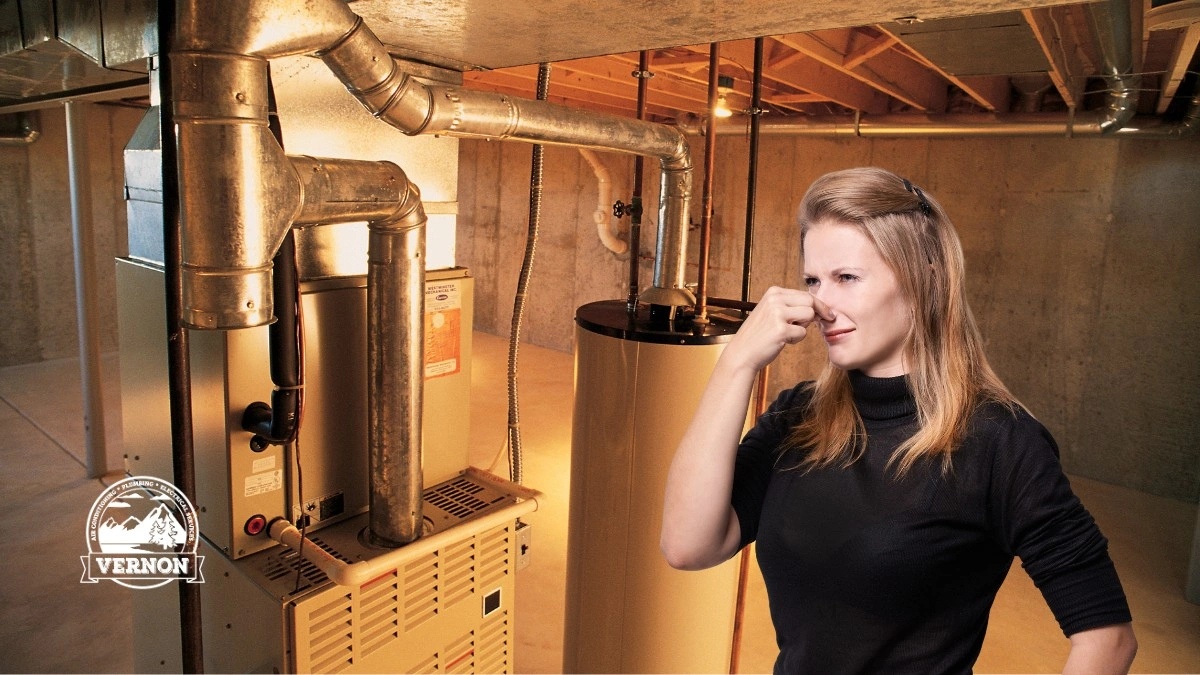
If you walk into your home and notice a strange, sharp smell—like car exhaust—coming from your furnace, it’s both confusing and worrying. Furnaces should heat your home without releasing bad odors. When you pick up on this type of smell, it’s a red flag that something isn’t right. Ignoring it can risk your comfort, your health, and even the safety of your house.
This guide helps you understand why a furnace smells like car exhaust, what causes it, and what steps you should take. Whether you’re a homeowner, a renter, or just curious, you’ll find clear explanations and practical advice here. You’ll also learn how to prevent these problems in the future, spot early warning signs, and know when to call a professional. Many people miss important details or try risky DIY fixes—this article will point out what not to do, too.
Why Does Your Furnace Smell Like Car Exhaust?
A healthy furnace should not smell like anything except maybe faint dust for a few minutes when first turned on after summer. If you smell something similar to car exhaust, it means the system is releasing fumes that should be vented outdoors. Understanding the science behind this smell helps you take the right action.
What Is Car Exhaust?
Car exhaust is made up of gases like carbon monoxide (CO), nitrogen oxides, hydrocarbons, and particulates. These gases result from burning fuel in your car’s engine. In a home, furnaces also burn fuel (natural gas, propane, oil) and can produce similar gases. Normally, these gases are safely vented outside.
Why Is This Smell Dangerous?
The key problem is carbon monoxide, an odorless, colorless, and deadly gas. If you’re smelling car exhaust, there’s a chance carbon monoxide is leaking, too. Even if you can’t smell CO directly, the exhaust-like odor means something is wrong with how your furnace is venting gases.
Pro tip: If anyone in your home feels dizzy, nauseous, or gets a headache when the furnace runs, leave immediately and call emergency services. These are signs of carbon monoxide poisoning.
Other Possible Gases
Besides CO, other gases like nitrogen dioxide and sulfur dioxide can escape from the furnace and smell bad or irritate your nose and throat. Long-term exposure can harm your health, especially for children, elderly people, and those with breathing problems.
Common Causes Of Exhaust-like Furnace Smells
Several issues can make your furnace smell like car exhaust. Some are simple fixes, others are more serious. Here are the most common causes:
1. Cracked Heat Exchanger
The heat exchanger is a metal part inside your furnace. It separates the burning gases from the air that heats your home. If it cracks, exhaust fumes mix with your indoor air.
- Why it happens: Metal expands and contracts with heat. Over time, this stress can cause cracks.
- Warning sign: If the smell gets stronger when the furnace runs, or if you see soot around the furnace, suspect a cracked heat exchanger.
- Risk: Very high. A crack can leak carbon monoxide.
2. Blocked Or Broken Exhaust Vent
Furnaces use pipes or chimneys to send exhaust gases outside. If these are blocked (by leaves, nests, ice, or debris) or damaged, fumes can back up into your home.
- Check: Look outside where your furnace vent exits. Make sure nothing is blocking it.
- Tip: Birds and small animals sometimes build nests in vents during spring and summer.
3. Poor Combustion Or Dirty Burners
If your furnace isn’t burning fuel completely, it can create more exhaust gases and strange smells.
- Cause: Burners can get dirty or clogged. This leads to a yellow, flickering flame instead of a steady blue one.
- Result: More soot, more exhaust smell.
4. Malfunctioning Furnace Blower
The blower pushes heated air through your home. If it’s not working right, exhaust gases can build up and seep into your living space instead of being pushed out.
5. Leaky Furnace Ducts
If your home has old or damaged ducts, exhaust fumes can leak before they reach the outside.
- Sign: The smell is strongest near vents or in certain rooms.
6. Overheating Furnace
An overheating furnace can burn off dust, wiring insulation, or other materials, creating a smell similar to exhaust. This is less common, but still possible.
7. Fuel Leaks
A natural gas or oil leak near the furnace can smell like exhaust or rotten eggs. This is dangerous and must be fixed immediately.
Quick advice: If you ever smell rotten eggs, leave the house and call your gas company from outside.
8. Improper Furnace Installation Or Repairs
If the furnace was installed or repaired incorrectly, vent pipes might not fit tightly or may slope the wrong way. This allows gases to leak.
Expert tip: Always use licensed, experienced HVAC professionals for installation and repairs.
What To Do If Your Furnace Smells Like Car Exhaust
When you notice this smell, don’t ignore it. Here’s what to do, step by step:
- Turn off the furnace.
- Use the thermostat or the main furnace switch.
- Open windows and doors.
- Let fresh air in to dilute any dangerous gases.
- Evacuate if you feel unwell.
- Headaches, nausea, dizziness, or confusion mean you need to leave immediately.
- Check your carbon monoxide detector.
- If it sounds, leave the house and call 911.
- Inspect visible areas.
- Quickly check the furnace area for signs of soot, debris, or blocked vents (but don’t open the furnace panels).
- Call a licensed HVAC technician.
- Do not try to fix the problem yourself if you suspect a heat exchanger crack or blocked vent.
Important: Do not use the furnace again until a professional checks and repairs it.
Signs Your Furnace Is Leaking Exhaust Gases
Sometimes, the smell is subtle, or you may not notice it right away. Here are signs your furnace is leaking dangerous fumes:
- Visible soot or black stains near the furnace or vents
- Condensation on windows near the furnace area
- Pilot light changes color (should be blue; yellow or orange is bad)
- Unusual sounds from the furnace (popping, banging)
- Family members or pets feel sick when the heat is on
Don’t ignore these clues—even a small problem can become serious quickly.

Credit: www.reddit.com
How To Diagnose The Source Of The Smell
A professional will use tools and experience, but you can do some safe checks:
Visual Inspection
- Look at the vent outside. Is it blocked by leaves, snow, or nests?
- Check for black stains or soot around the furnace.
- Note if the smell is stronger in certain rooms or when the furnace cycles on.
Listen And Observe
- Do you hear rattling, banging, or whistling? This can mean a broken part or loose vent.
- Is the smell constant or only when the furnace runs?
Use Your Carbon Monoxide Detector
- Every home with a furnace should have at least one carbon monoxide detector.
- Test it regularly and replace batteries as needed.
When To Stop And Call For Help
If you see soot, smell exhaust, or your CO detector alarms, do not investigate further. Leave it to the experts.
Can You Fix Furnace Exhaust Smells Yourself?
Some minor issues are safe for homeowners, others are not.
Safe Diy Actions
- Clear outside vent pipes of leaves, snow, or visible debris.
- Replace furnace filters if dirty.
- Check for simple obstructions near the furnace.
What Not To Do
- Do not open the furnace cabinet or attempt to repair burners or heat exchangers.
- Never use tape to seal a crack or hole in a vent pipe.
- Don’t ignore any strong, persistent smell.
Non-obvious insight: Many people forget that even a small blockage (like a bird’s nest) can create deadly gas leaks. Vents should be checked at least twice a year.
What A Professional Hvac Technician Will Do
A good technician will follow a process to find and fix the problem:
- Check for carbon monoxide with special meters.
- Inspect the heat exchanger for cracks using mirrors or cameras.
- Examine vent pipes for blockages, leaks, or poor connections.
- Test combustion to see if the furnace burns fuel cleanly.
- Review furnace installation for correct venting and airflow.
If repairs are needed, they’ll recommend what to fix or replace.
Bonus tip: Ask your technician to show you the problem. Many homeowners don’t realize cracks or blockages can be almost invisible without special tools.
How Much Does It Cost To Fix Furnace Exhaust Smells?
Costs can vary depending on what’s wrong. Here’s a comparison of common repairs:
| Problem | Typical Cost (USD) | Repair or Replace? |
|---|---|---|
| Blocked vent (cleaning) | $100 – $300 | Repair |
| Cracked heat exchanger | $1,000 – $2,500 | Replace (often whole furnace) |
| Dirty burners | $100 – $200 | Repair/Clean |
| Blower repair | $150 – $450 | Repair |
| Duct leaks (repair) | $200 – $600 | Repair |
Note: Replacing a heat exchanger is expensive. Often, it’s better to replace the entire furnace, especially if the system is older than 10-15 years.
Preventing Furnace Exhaust Smells
Prevention is always better than repair. Here are smart steps you can take:
1. Schedule Annual Furnace Maintenance
A yearly checkup by a licensed technician keeps your furnace running safely. This includes:
- Checking the heat exchanger for cracks
- Cleaning burners
- Inspecting vent pipes
- Testing combustion
2. Replace Furnace Filters Regularly
Dirty filters make your furnace work harder and can cause overheating or poor airflow.
- Replace every 1–3 months, depending on use and filter type.
3. Keep Vents And Chimneys Clear
Clear away leaves, snow, nests, or other blockages from all furnace vents.
- Check twice a year: In fall before heating season, and in spring.
4. Install And Maintain Carbon Monoxide Detectors
CO detectors are your early warning system. Install them:
- Near bedrooms
- In the furnace room
- On every floor of the house
Test monthly and replace every 5–7 years.
5. Watch For Warning Signs
Don’t ignore changes in smell, pilot light color, or strange sounds.
- Early action prevents bigger problems.
Non-obvious insight: Many people think new furnaces can’t leak, but even new systems can have installation mistakes or vent blockages.
How Exhaust-like Smells Affect Health And Safety
The real danger of a furnace that smells like car exhaust is health risk, especially carbon monoxide poisoning.
How Carbon Monoxide Harms You
CO binds to your blood, stopping it from carrying oxygen. Early symptoms:
- Headache
- Dizziness
- Nausea
- Weakness
High levels can cause confusion, unconsciousness, and death. Pets, children, and elderly people are more at risk.
Long-term Effects
Even small leaks can cause memory problems, sleep issues, and trouble focusing over time.
Fact: According to the Centers for Disease Control (CDC), over 400 Americans die and 50,000 are hospitalized each year due to carbon monoxide poisoning.
Other Health Issues
Other furnace gases can irritate your eyes, nose, and throat, and worsen asthma or allergies.
Differences Between Furnace Odors
Not all furnace smells mean the same problem. Here’s a quick comparison:
| Odor Type | Possible Cause | Action Needed |
|---|---|---|
| Car exhaust | Heat exchanger crack, vent block, incomplete combustion | Shut off furnace, call professional |
| Rotten eggs | Gas leak (mercaptan added to natural gas) | Evacuate and call gas company |
| Burning dust | Dust on heater elements after summer | Normal if brief, call if it continues |
| Burnt plastic | Wiring or component overheating | Turn off, call technician |
Pro tip: If you’re ever unsure about a smell, treat it as dangerous until proven safe.
How Furnace Type Affects Exhaust Smells
Different furnaces have different risks for exhaust smells.
High-efficiency Vs. Standard Furnaces
- High-efficiency furnaces (condensing) use sealed combustion and plastic vent pipes. They’re less likely to leak exhaust, but vents can clog with ice or debris.
- Standard furnaces use metal chimneys. Cracks or loose joints can let gases escape more easily.
Age Of Furnace
Older systems are more likely to have cracks, leaks, or worn-out parts.
- If your furnace is over 15 years old, yearly inspections are especially important.

Credit: leith-hvac.com
What If You Rent Your Home?
If you rent, you’re still responsible for safety. Here’s what you should do:
- Report smells to your landlord immediately.
- Ask when the furnace was last serviced.
- Request a copy of any inspection report.
- Install your own carbon monoxide detector if there isn’t one.
Landlord tip: In many places, landlords must provide safe heat and working CO detectors by law.
When Should You Replace Your Furnace?
Sometimes, repair isn’t enough. Consider replacing your furnace if:
- The heat exchanger is cracked (repair is costly and risky)
- Your furnace is more than 15–20 years old
- You have repeated exhaust or CO problems
- Energy bills are rising for no reason
- The system needs frequent repairs
Non-obvious insight: Modern furnaces are not just safer—they can cut heating bills by 20–30% compared to old models.
Credit: vernonairconditioning.com
What To Ask Your Hvac Technician
To get the best service, ask questions:
- What caused the smell? Can you show me?
- Is my heat exchanger cracked or just dirty?
- Is my venting system up to code?
- How old is my furnace? Should I consider replacement?
- How can I prevent this in the future?
A good technician will answer clearly and help you understand what’s needed.
Real-world Example
In 2019, a family in the Midwest noticed a faint car exhaust smell near their vents. They ignored it for a week, thinking it was from outside. When their carbon monoxide alarm sounded, they evacuated. A technician found a cracked heat exchanger.
The family was safe, but only because of their CO detector.
Lesson: Never ignore exhaust smells or warning alarms.
Useful Resources
For more on furnace safety and carbon monoxide, see the official CDC Carbon Monoxide Information.
Frequently Asked Questions
What Does It Mean If My Furnace Smells Like Car Exhaust?
This usually means your furnace is leaking exhaust gases into your home. The most common reasons are a cracked heat exchanger or a blocked vent. It’s a serious safety risk, so you should turn off the furnace and call a professional right away.
Is It Safe To Use My Furnace If I Smell Exhaust?
No, it’s not safe. Using the furnace can expose you to dangerous gases like carbon monoxide. Always shut off the system, ventilate your home, and contact a licensed technician before using the furnace again.
Can A Furnace Leak Carbon Monoxide Without A Smell?
Yes. Carbon monoxide is odorless and colorless. Sometimes, other exhaust gases carry a smell, but you can have a CO leak without any odor. This is why having a working carbon monoxide detector is critical.
How Can I Prevent Furnace Exhaust Smells In The Future?
Schedule annual professional maintenance, replace filters regularly, keep outside vents clear, and install carbon monoxide detectors. Acting quickly on warning signs also helps prevent serious problems.
Should I Replace My Furnace If The Heat Exchanger Is Cracked?
Usually, yes. Replacing a cracked heat exchanger is expensive and sometimes not worth it, especially if your furnace is old. Most experts recommend replacing the entire furnace for safety and efficiency.
—
A furnace that smells like car exhaust is never normal. Take it seriously—your health and safety depend on it. With regular maintenance, good habits, and quick action when you notice problems, you can keep your home comfortable and safe all winter long.