
Many people panic when they notice a gasoline smell in the house but no gas leak is obvious. The sharp, chemical odor can be alarming and make you worry about health or fire risks. But before you call for help or start tearing up the floor, it’s important to understand that this smell doesn’t always mean there’s a fuel leak. There are many reasons why your home might smell like gasoline, and some have nothing to do with your gas lines at all.
Knowing what causes this, how to investigate, and what to do next can keep your family safe and help you fix the problem quickly. This article will guide you through every possible cause, how to find the real source, what dangers you should look out for, and the steps you should take.
You’ll also learn how to prevent this problem in the future, and when it’s time to call for professional help.
Why Does My House Smell Like Gasoline?
The smell of gasoline is strong and easy to recognize. It is made up of chemicals called volatile organic compounds (VOCs), which quickly spread through the air. Humans can smell even small amounts—sometimes as low as 1 part per million. This is useful because it warns us of possible danger, but it can also be confusing when there is no clear source.
How People Describe The Smell
Most describe gasoline as:
- Sharp
- Chemical-like
- Sweet or sickly
- “Like a fuel station”
It’s important to know that natural gas (used for heating and cooking) actually has no smell by itself. A chemical called mercaptan is added to natural gas to make leaks easy to notice. Gasoline, on the other hand, has its own strong odor.
Common Causes Of Gasoline Smell In A House
There are many possible reasons, and some are not obvious at first. Let’s look at the most common causes.
1. Stored Gasoline Or Fuel Containers
Many people keep gas cans in their garage or basement. Even if the container is closed, gasoline can evaporate and leak out as vapor. A tiny crack in the lid or a loose cap is enough for the smell to spread.
Common mistakes:
- Using old, cracked containers
- Not sealing the lid tightly
- Storing gas near a doorway or vent
2. Lawn Equipment Or Small Engines
Tools like lawn mowers, chainsaws, and generators often sit in storage with a bit of fuel inside. Over time, fuel lines dry out, and seals can fail, letting vapors escape.
Non-obvious insight: After running, small engines can release fuel vapors for hours. If you bring them inside right after use, the smell can fill your home.
3. Leaking Fuel In Your Car (in An Attached Garage)
A car with a fuel leak or even a loose gas cap can let gasoline fumes escape. If your garage is connected to your house, these vapors can enter your living space through gaps, vents, or doors.
Fact: Gasoline vapors are heavier than air. They can sink and pass through cracks, especially if your garage is lower than your house floor.
4. Spilled Gasoline That Was Not Cleaned Properly
Even a small spill—like when fueling a mower—can leave a lasting odor. Porous surfaces such as concrete or wood absorb gasoline, and it can take weeks for the smell to fade if not cleaned right away.
Practical tip: Old spills can re-release smells on hot or humid days, even months after the spill.
5. Malfunctioning Heating Systems (oil Furnace)
If you use an oil-fired furnace or heater, you might mistake the smell of fuel oil for gasoline. Leaks in these systems can cause strong fuel odors.
Insight: Heating oil and gasoline have similar VOCs. A leak in the fuel line or a crack in the tank can mimic a gasoline smell.
6. Nearby Construction Or Roadwork
Sometimes the smell comes from outside. Fresh asphalt, roofing tar, or even a neighbor’s project can let off fumes that drift into your house, especially if windows are open or your HVAC system brings in outside air.
7. Sewer Gas Or Plumbing Issues
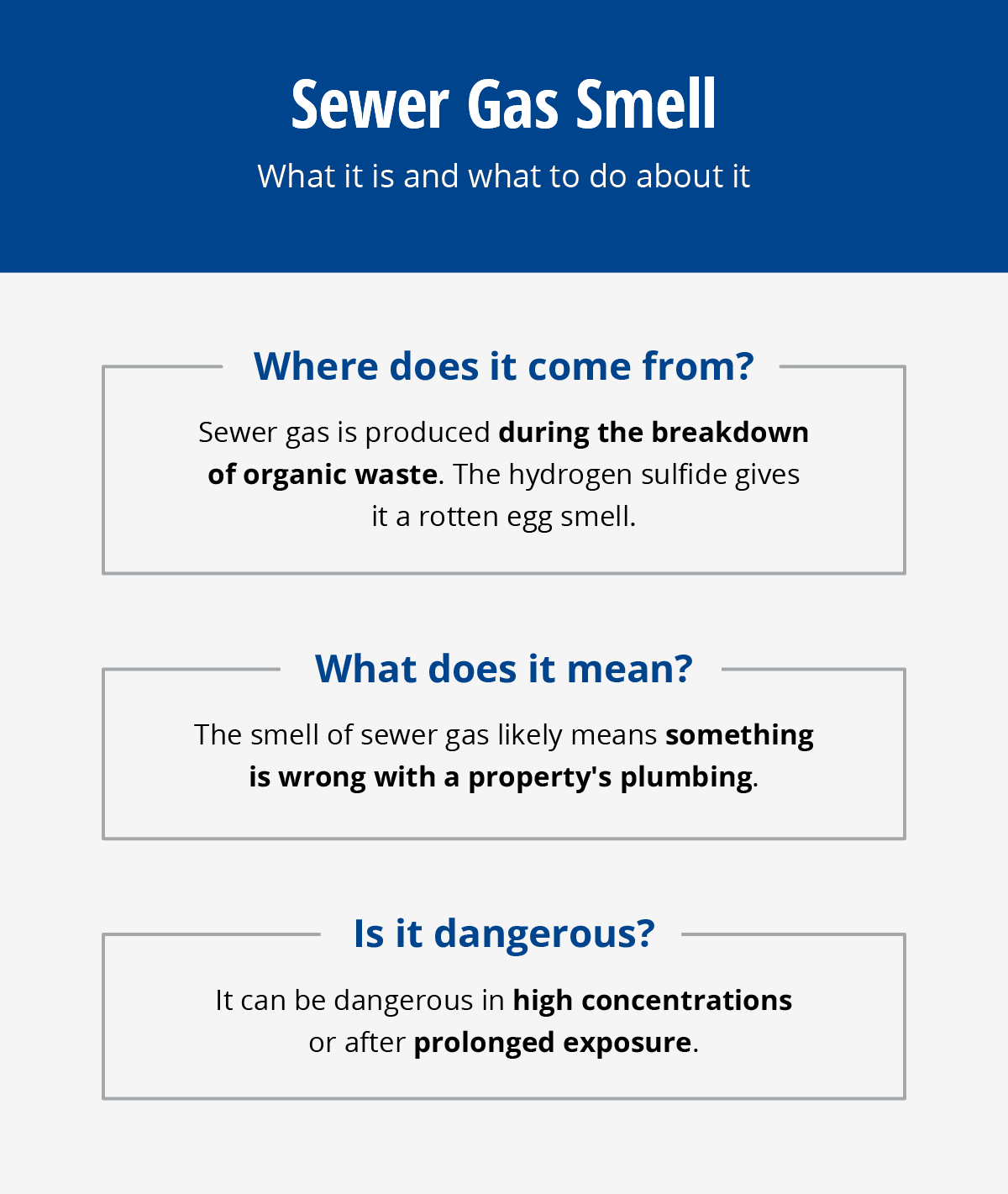
Believe it or not, some sewer gases can smell like chemicals or gasoline. When a plumbing trap dries out or cracks, these odors can escape.
Non-obvious insight: Certain bacteria in your drains can produce a smell very similar to gasoline or solvents.
8. Paints, Solvents, Or Cleaning Chemicals
Many household chemicals—like paint thinners, mineral spirits, or strong cleaners—release VOCs that mimic the smell of gasoline. Sometimes a recently used product, or one that spilled and dried, can make your home smell like fuel.
Fact: Even old rags soaked in paint thinner can continue to release fumes for weeks if left in a closet or basement.
9. Hvac System Issues
If your furnace or air handler is located near your garage, a leak in the ductwork can suck in outside vapors and spread them through your house. Sometimes, a failing blower motor or a burnt-out electrical part can also mimic a fuel-like smell.
10. Faulty Or Old Appliances
Some older or malfunctioning appliances, like refrigerators or water heaters, use chemicals for cooling or ignition. When these parts fail, they can sometimes produce a smell that resembles gasoline.
How To Find The Source Of The Gasoline Smell
Locating the real source is key to fixing the problem. Here’s a proven approach that works in most homes.
Step 1: Identify The “hot Spot”
Walk through your house and try to find where the smell is strongest. Don’t just trust the first room you notice it in—air movement can carry fumes far from the source.
- Start near attached garages, basements, and utility rooms.
- Check closets, under sinks, and storage areas.
- Don’t forget crawl spaces or attics.
Step 2: Check Obvious Sources
- Look for gas cans or fuel-powered tools.
- Smell around your car and garage floor.
- Check for spilled or leaking paint thinners or solvents.
Step 3: Investigate Less Obvious Places
- Look under sinks and behind appliances for old rags or bottles.
- Check drains for dried-out traps (especially if the smell is near a bathroom or laundry room).
- Inspect furnace rooms and oil tanks.
Step 4: Rule Out Outdoor Sources
Open a window and check if the smell gets stronger or weaker. If it gets stronger, the source may be outside (like roadwork or fresh asphalt nearby).
Step 5: Use A Fan Or Air Purifier
If you can’t find the source, run a fan or air purifier in the affected area and see if the smell fades. If it does, the source is likely not active or is outside the house.
Pro tip: Sometimes, the smell lingers even after the source is gone. Porous materials like carpets and drywall can hold vapors.
Dangers And Risks Of A Gasoline Smell In The Home
Many people worry about explosions or health problems when they smell gasoline. These fears are not unfounded, but the real risk depends on the situation.
Health Risks
Breathing gasoline vapors can cause:
- Headaches
- Dizziness
- Nausea
- Eye, nose, or throat irritation
In high concentrations or with long exposure, it can lead to more serious problems, such as nerve damage or irregular heartbeat.
Children and pets are at higher risk because they breathe closer to the floor, where heavy vapors collect.
Fire And Explosion Risk
Gasoline vapors are highly flammable. It only takes a small spark to ignite them if the concentration is high enough.
Data: The lower explosive limit (LEL) for gasoline vapor is about 1.4% in air. That means even a small spill can create a dangerous situation if ventilation is poor.
When To Leave The House Immediately
- The smell is very strong and sudden
- You feel dizzy, lightheaded, or sick
- You see fuel pooling on the ground
- There is a risk of fire (sparks, pilot lights, etc.)
In these cases, get everyone out and call emergency services.

Credit: www.applewoodfixit.com
What To Do If You Smell Gasoline In Your House
If you notice a gasoline smell but no gas leak, take action right away:
- Ventilate the area: Open windows and doors to let fresh air in.
- Avoid sparks: Do not use electrical switches or light matches.
- Find the source: Use the steps above to locate where the smell is coming from.
- Remove the source: If you find a fuel can, leaking tool, or chemical, move it outside (if safe).
- Clean up spills: Use absorbent materials like cat litter or baking soda for fresh spills. Dispose of used materials safely.
- Contact professionals: If you can’t find the source, or the smell remains strong, call a licensed HVAC technician, plumber, or your local fire department.
How To Remove Gasoline Smell From Your House
Once the source is gone, you may still notice the odor. Here’s how to get rid of it:
Cleaning Hard Surfaces
- Scrub floors and walls with a mix of baking soda, vinegar, and water.
- For tough smells, use a commercial degreaser.
Cleaning Carpets And Upholstery
- Sprinkle baking soda generously, let it sit for several hours, then vacuum.
- Use a carpet shampooer if available.
- For deep smells, consider steam cleaning.
Airing Out The House
- Run exhaust fans in the kitchen and bathroom.
- Use portable fans to push air outside.
- Place bowls of activated charcoal or coffee grounds to absorb lingering odors.
Professional Odor Removal
If the smell won’t go away, call a professional cleaning company that specializes in odor removal. They can use ozone machines or thermal fogging to break down vapors trapped in walls and floors.
Credit: rainbowrestores.com
How To Prevent Gasoline Smells In The Future
A few simple habits can help you avoid this problem:
- Store gasoline and chemicals outside the living space, in a shed or detached garage.
- Keep containers tightly sealed and replace old or cracked ones.
- Check and maintain small engines before storage; empty fuel if not used for months.
- Clean up spills immediately and dispose of rags properly.
- Ventilate your garage and utility rooms, especially after using fuel-powered equipment.
- Inspect plumbing and drains for leaks or dried-out traps.
- Service oil furnaces or boilers once a year to catch leaks early.
When To Call A Professional
Sometimes, the source of the gasoline smell is hidden, or it points to a bigger problem. Call for help if:
- You can’t locate the source after thorough searching.
- The smell is getting stronger.
- You find a fuel or oil leak in your heating system.
- You notice symptoms like headaches, dizziness, or nausea.
- There are unexplained stains or puddles.
- You suspect a leak in your car’s fuel system.
Expert tip: If in doubt, trust your instincts. It’s better to be safe and get a professional opinion.
Examples And Real Cases
To show how varied the causes can be, here are a few real-life examples:
Case 1: The Forgotten Gas Can
A family noticed a gasoline smell every time the temperature rose. After weeks of searching, they found an old gas can behind boxes in the basement. The cap was cracked, letting fumes escape. Once removed, the smell faded within two days.
Case 2: The Leaky Lawnmower
A homeowner stored his mower in the garage after use. The carburetor seal was failing, and fuel dripped onto the floor. The smell traveled through a shared duct into the house. Replacing the seal and cleaning the garage solved the problem.
Case 3: The Sewer Trap Mystery
A strong fuel smell in a bathroom turned out to be a dry P-trap under the sink. Sewer gas, rich in VOCs, was entering the house. Running water for a few minutes fixed the issue.
Comparing Gasoline Smells To Other Household Odors
Sometimes, the gasoline odor is confused with other dangerous smells. Here’s how they compare:
| Odor | Possible Source | Risks |
|---|---|---|
| Gasoline | Fuel, tools, car, chemicals | Fire, health effects |
| Natural Gas (mercaptan) | Stove, furnace, gas line | Explosion risk |
| Sewer Gas | Plumbing, drain traps | Health risks, not flammable |
| Paint/solvent | Cleaners, thinners | Headaches, breathing issues |
Gasoline Vapor Data: How Much Is Dangerous?
Understanding the limits can help you judge risk.
| Concentration | Effect |
|---|---|
| 1 ppm (part per million) | Humans can smell; not dangerous |
| 300 ppm | Eye/respiratory irritation |
| 1.4% (14,000 ppm) | Lower explosive limit; serious fire risk |
Comparing Solutions: Diy Vs. Professional Help
What should you try yourself, and when do you need an expert?
| Situation | DIY Solution | Call a Pro |
|---|---|---|
| Minor spill, source known | Ventilate, clean, remove item | No |
| Persistent odor, source unknown | Basic search, air out home | Yes |
| Suspected heating/oil leak | No | Yes |
| Health symptoms present | No | Yes |

Credit: www.elanfuels.com
Frequently Asked Questions
What Should I Do First If I Smell Gasoline In My House?
Start by opening windows and doors to air out your home. Next, try to find the source—check garages, basements, and areas where fuel or chemicals are stored. If you can’t find the source or the smell is strong, leave the house and call for help.
Is The Smell Of Gasoline Always Dangerous?
Small amounts are usually not dangerous, but long exposure or high concentrations can cause health problems. If the smell is strong, or you feel sick, get fresh air and seek help.
Can Gasoline Smell Come From Drains Or Plumbing?
Yes, sometimes sewer gases or bacteria in drains can produce odors that smell like gasoline. Check for dried-out traps or leaks in your plumbing.
How Long Does It Take For Gasoline Smell To Go Away?
If the source is removed and the area is ventilated, the smell usually fades within a few hours to a few days. For spills on porous surfaces, it can take longer—sometimes weeks—especially if not cleaned properly.
Who Should I Call If I Can’t Find The Source?
Contact your local fire department or a licensed plumber or HVAC technician. They have tools to detect fuel vapors and can help you find and fix the problem.
If you want to learn more about how gasoline vapors affect indoor air quality, you can find detailed information on the EPA’s official site.
Noticing a gasoline smell in the house but no gas can be stressful, but understanding the possible causes and taking smart steps can keep your home safe and healthy. Don’t ignore the smell—take action, and you’ll breathe easier.