
A leaking Hayward pool filter lid can quickly turn a relaxing pool day into a frustrating problem. You may notice water dripping or even spraying from the top of the filter, causing both annoyance and potential damage to your pool equipment.
Many pool owners face this issue, but not everyone knows why it happens, how to fix it, or how to prevent it from coming back. Understanding the real causes behind a leaky filter lid will save you time, money, and stress.
In this guide, you’ll get clear, step-by-step advice, practical repair tips, and expert insights into keeping your Hayward filter running smoothly.
Why Is Your Hayward Pool Filter Lid Leaking?
A leak from the lid is often more than just a loose part. It can signal a problem with how your pool system is sealed or maintained. Common reasons include a worn or damaged O-ring, a cracked lid, improper installation, or even high pressure inside the filter.
Sometimes, leaks can also be a sign of deeper issues, like filter tank problems or poor water chemistry affecting rubber seals.
Common Mistakes When Checking For Leaks
Many people think that tightening the lid will stop the leak. In reality, over-tightening can make the problem worse by damaging the lid or O-ring. Another mistake is using petroleum jelly on rubber seals, which can break down the material and cause more leaks over time.
Always use silicone-based lubricants for O-rings.
Understanding Hayward Pool Filters
Hayward is a trusted name in pool equipment. Their filters are known for durability, but they need proper care. Hayward pool filters come in three main types: sand filters, cartridge filters, and DE (diatomaceous earth) filters. While the basic design is similar—water flows in, gets filtered, and comes out clean—the lid and sealing system work a bit differently in each model.
Main Parts Involved In Lid Leaks
- Filter Lid: The top cover that seals the filter tank.
- O-Ring or Gasket: A rubber ring that sits between the lid and tank, creating a watertight seal.
- Locking Clamp or Bolts: Secures the lid in place.
- Pressure Gauge Port: Sometimes leaks develop around this fitting on the lid.
Understanding how these parts work together helps you diagnose leaks faster.

Credit: www.gemefindustries.com
How To Diagnose A Leaking Hayward Filter Lid
Before you start fixing, you need to find the exact source of the leak.
- Turn Off the Pool Pump: Never open or check a pressurized filter.
- Dry the Lid Area: Use a towel to remove water so you can see new leaks easily.
- Look for Visible Cracks: Inspect the lid and tank closely.
- Check the O-Ring: Remove the lid and inspect the O-ring for cracks, flat spots, or dryness.
- Use Soapy Water: Mix soap and water, brush it around the lid, and turn the pump on briefly. Bubbles will show where air or water leaks out.
- Check the Clamp or Bolts: Make sure they aren’t cross-threaded or rusted.
Table: Common Leak Sources And Fixes
| Leak Source | How to Identify | Likely Fix |
|---|---|---|
| Lid O-Ring | Water leaking evenly around entire lid | Replace or lubricate O-ring |
| Cracked Lid | Visible crack or split in plastic | Replace lid |
| Clamp/Lock Ring | Water leaks at clamp or uneven seal | Re-seat or replace clamp |
| Pressure Gauge Port | Leak near gauge fitting | Tighten or re-seal gauge |
Main Causes Of Hayward Pool Filter Lid Leaks
Knowing why your filter lid leaks helps you prevent future issues. Here are the most common causes and how to handle each:
1. Worn Or Damaged O-ring
The O-ring is a flexible rubber part that creates the seal. Over time, O-rings can dry out, crack, or flatten, especially if exposed to pool chemicals or sunlight. A bad O-ring is the most common cause of lid leaks.
- What to do: Replace with a new O-ring of the correct size. Lubricate with silicone-based grease before installation.
2. Cracked Or Warped Lid
A crack may be hard to see but will always leak under pressure. Warping from sun or heat also prevents a good seal.
- What to do: Replace the lid. Never try to glue or tape a cracked lid—this is not safe.
3. Improper Lid Installation
If the lid isn’t seated evenly, even a perfect O-ring won’t seal. Cross-threading or misalignment is common if you rush or over-tighten.
- What to do: Remove the lid, inspect for damage, and re-install slowly, making sure it sits flat and the clamp or bolts are tight but not over-tightened.
4. Broken Or Worn Clamp/lock Ring
The clamp holds the lid down against the O-ring. If it’s bent, rusted, or the locking mechanism fails, the lid can’t seal properly.
- What to do: Replace damaged clamps or lock rings. Clean and inspect regularly.
5. Pressure Gauge Or Air Relief Valve Issues
Some Hayward lids have fittings for a pressure gauge or air relief valve. If these are loose or their seals fail, water leaks out.
- What to do: Unscrew the fitting, check the washer or O-ring, replace if needed, and reinstall securely.
6. High Filter Pressure
If your filter is running at a much higher pressure than normal, it can force water past the O-ring, especially if it’s old or dry.
- What to do: Backwash your filter (if sand or DE), clean cartridges, and check for blockages in the return lines.
7. Wrong Or Cheap Replacement Parts
Using an O-ring or lid that doesn’t match your Hayward model will almost always lead to leaks.
- What to do: Always buy genuine Hayward parts. Check your model number before purchasing.
Table: Symptoms Vs. Solutions
| Symptom | Possible Cause | Solution |
|---|---|---|
| Dripping water from lid edge | Flat or cracked O-ring | Replace O-ring |
| Spraying water near clamp | Misaligned or warped lid | Re-seat/replace lid |
| Leak near gauge | Loose fitting | Tighten/reseal gauge |
| Leak appears after cleaning filter | Lid not seated properly | Reinstall lid |
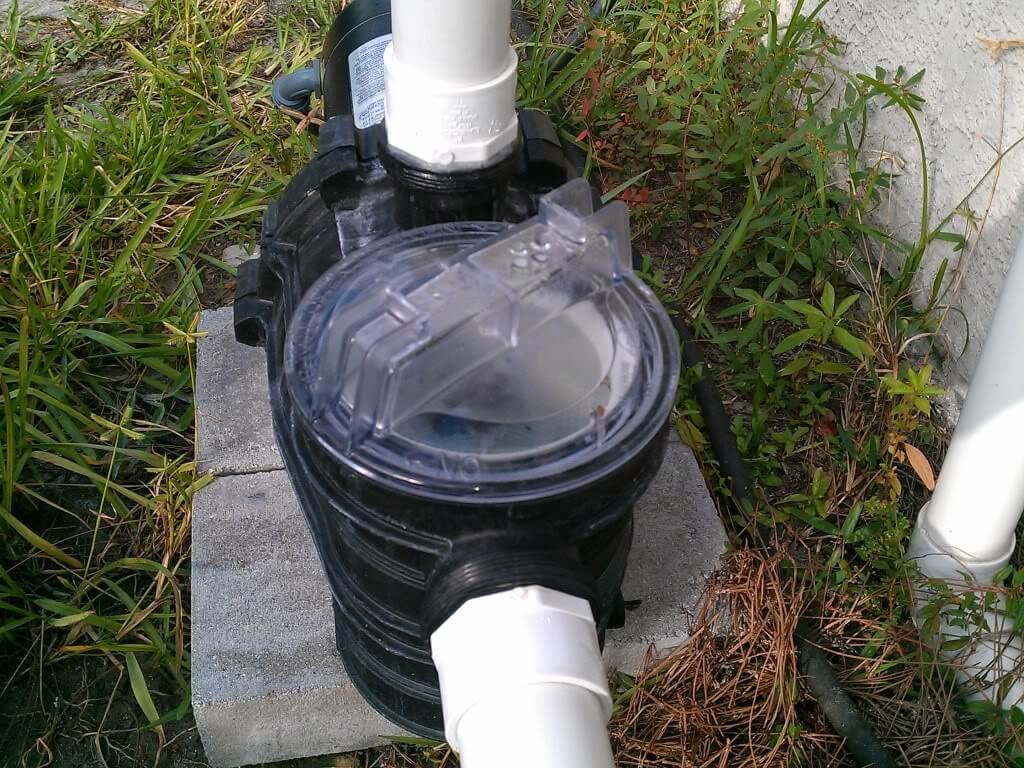
Credit: www.asppoolco.com
Step-by-step Guide: Fixing A Leaking Hayward Pool Filter Lid
Solving a lid leak isn’t complicated if you follow the right steps. Here’s how to do it safely and effectively.
1. Gather Your Tools And Parts
You’ll need:
- New O-ring (get the exact Hayward model)
- Silicone-based lubricant
- Clean rags
- Flat screwdriver
- Replacement lid or clamp (if needed)
- Small brush (for cleaning)
2. Turn Off The Pool Pump And Relieve Pressure
Always switch off power to the pump. Open the air relief valve on top of the filter to let out all pressure. This step is critical for safety.
3. Remove The Filter Lid
Open the clamp or bolts holding the lid. Gently lift off the lid. If it’s stuck, tap lightly with your hand—never use metal tools that could crack it.
4. Inspect And Clean
Look for cracks or warping on the lid. Check the O-ring groove for dirt or debris. Clean the groove and O-ring with a damp cloth.
5. Replace Or Lubricate The O-ring
If the O-ring looks dry, cracked, or flat, replace it. Always use a silicone-based lubricant (never petroleum jelly) to coat the O-ring lightly. This helps it seal and prevents drying.
6. Reinstall The Lid
Set the O-ring in place (not twisted). Seat the lid evenly, making sure it’s level all the way around. Attach the clamp or bolts, tightening evenly. Don’t over-tighten.
7. Check Other Fittings
Inspect the pressure gauge and air relief valve for leaks or worn seals. Tighten or replace as needed.
8. Restart And Test
Turn on the pump. Watch the lid area for leaks. If you see water, shut off the pump and re-check the installation.
Pro Tip: Replacing Both O-ring And Lid
If your filter is older or the lid is warped, it’s wise to replace the O-ring and lid together. This saves time and avoids repeat leaks.
When Should You Call A Pool Professional?
Some leaks are simple, but others can signal bigger issues. Call a pool service technician if:
- The lid or tank is cracked and you can’t replace it yourself.
- The filter pressure is always high, even after cleaning.
- Leaks return quickly after repair.
- You’re unsure about handling pressurized pool equipment.
A pro can spot problems with the filter tank or plumbing that might not be obvious.
How To Prevent Future Leaks
Prevention is easier than repair, and it keeps your pool running smoothly.
1. Regularly Inspect And Lubricate The O-ring
Check the O-ring at least once every pool season. Clean and re-lubricate with silicone grease to keep it supple.
2. Use Only Genuine Parts
Always match the O-ring, lid, and clamp to your Hayward model. Generic parts often don’t fit perfectly.
3. Monitor Filter Pressure
Know your filter’s normal pressure range (usually 10–20 psi). If it rises, clean the filter immediately.
4. Avoid Over-tightening
Tighten clamps or bolts snugly, but not as hard as possible. Too much force can warp the lid or flatten the O-ring.
5. Protect From Sun And Chemicals
If your filter is in direct sun, use a cover. Sunlight and harsh pool chemicals can age plastic and rubber quickly.
Table: O-ring Maintenance Schedule
| Task | Frequency | Why It Matters |
|---|---|---|
| Inspect O-ring | Every 3 months | Catch wear before leaks start |
| Lubricate O-ring | Every 3–6 months | Prevents drying and cracking |
| Replace O-ring | Every 1–2 years | Ensures reliable sealing |
Real-world Example: Resolving A Persistent Hayward Filter Lid Leak
Consider a pool owner who replaced their O-ring but still had a leak. After three attempts, they discovered the problem was a slightly warped lid—barely visible, but enough to prevent a full seal. Replacing the lid solved the leak instantly.
This shows why it’s important to look beyond the obvious. If you fix the O-ring and the leak returns, check the lid and clamp for subtle warping or misalignment.
The Impact Of A Leaking Filter Lid
Ignoring a small leak can lead to bigger issues. Water loss means higher bills and more chemical use. A constant leak can corrode metal parts, damage the filter housing, or even cause electric hazards if water gets near the pump motor.
It’s also a sign that your pool water isn’t being filtered efficiently, which can lead to cloudy water or algae growth.
Advanced Troubleshooting Tips
Sometimes, leaks persist even after standard fixes. Here are two advanced tips:
1. Check For Tank Deformation
Older filter tanks can deform slightly under pressure, making the lid hard to seal. If the tank opening is out of round, it may need professional repair or replacement.
2. Use A Dollar Bill Test
Place a dollar bill between the lid and tank, then clamp down. If you can pull the bill out easily, the seal isn’t tight enough—look for warping or incorrect parts.
Choosing The Right Replacement Parts
With so many Hayward models, picking the right parts matters.
- Find your model number: Usually on the tank label.
- Buy from a trusted pool supply: Avoid off-brand O-rings and lids that may not fit correctly.
- Check part numbers: Even a small difference in size can cause leaks.
If in doubt, visit Hayward’s official site to match your filter with the correct parts.
Safety Precautions
Working on pool filters is safe if you follow rules:
- Never open the filter while pressurized.
- Wear gloves if handling chemicals or cleaning the tank.
- Don’t use sharp tools near rubber seals or plastic parts.
- Always prime the pump correctly after reassembly to avoid air locks.
Environmental Factors That Affect Filter Lid Seals
Pool equipment lives outdoors, so weather and environment matter. UV rays from the sun can make plastic and rubber brittle. Cold weather can shrink parts, leading to leaks as things warm up. If you live in a hot or sunny climate, inspect seals more often.
Cost Considerations: Repair Vs. Replace
Most lid leaks are cheap to fix—an O-ring costs $10–$20, and lubricant under $10. A new lid or clamp runs $40–$80. If your filter tank is cracked, a full replacement can cost $300–$700.
Table: Typical Costs For Hayward Filter Lid Repairs
| Repair Item | Estimated Cost (USD) | DIY or Pro? |
|---|---|---|
| O-ring | $10–$20 | DIY |
| Silicone lubricant | $5–$10 | DIY |
| Replacement lid | $40–$80 | DIY |
| Clamp/lock ring | $20–$40 | DIY |
| Filter tank | $300–$700 | Pro recommended |
The Importance Of Proper Water Chemistry
Pool water that is too acidic or basic can damage rubber and plastic parts. Keeping pH and chlorine in the right range (pH 7. 2–7. 6; chlorine 1–3 ppm) helps your O-ring and lid last longer. Test water weekly, and adjust as needed.
Non-obvious Insights Most Pool Owners Miss
- Temperature swings matter—a cold night followed by a hot day can shrink and expand your lid seal, causing leaks that come and go.
- Filter cleaning chemicals can dry out O-rings if not rinsed well. Always rinse the tank and O-ring area after using strong cleaners.

Credit: www.amazon.com
Frequently Asked Questions
Why Does My Filter Lid Leak Only When The Pump Is Off?
When the pump stops, pressure changes inside the tank. If the O-ring isn’t sealing perfectly, water can drip as the pressure drops. Check the O-ring and lid fit—replace or lubricate if needed.
Can I Use Vaseline On My Filter O-ring?
No, petroleum jelly breaks down rubber and can cause leaks. Use only silicone-based lubricant made for pool equipment.
How Often Should I Replace My Hayward Filter Lid O-ring?
Most O-rings last 1–2 years with good care. Inspect every few months and replace at the first sign of cracking, flat spots, or leaks.
Is A Small Drip From The Lid Really A Big Problem?
Even a small leak can waste water, raise your bills, and damage the filter or pump over time. Fix lid leaks early to prevent bigger problems.
How Do I Know If My Lid Is Warped Or Cracked?
Remove the lid and look for uneven surfaces, bends, or hairline cracks. Hold the lid at eye level to spot subtle warping. If you’re unsure, compare with a new lid at your pool store.
—
A leaking Hayward pool filter lid can be frustrating, but it’s almost always fixable with the right approach. By understanding the causes, following careful repair steps, and maintaining your equipment regularly, you’ll keep your pool water clean and your system running smoothly.
Remember, regular inspections and using the correct parts are your best defense against future leaks. If you ever feel unsure, don’t hesitate to call a pool professional. Pool ownership is much more enjoyable when your filter system is trouble-free and your water stays crystal clear.