
A Hayward pool pump is the heart of a healthy swimming pool. It keeps water moving, filters out dirt, and makes sure everything stays clean and safe. But sometimes, you may see a warning: cavitation detected. If you’re new to pool maintenance, this can be confusing and even scary. Cavitation is a serious issue that can damage your pump, reduce efficiency, and even lead to expensive repairs if ignored. Understanding what causes this problem, how to detect it, and what you can do is essential for anyone with a pool.
This article will guide you through everything you need to know about Hayward pool pump cavitation. You’ll learn what cavitation is, why it happens, how to recognize the warning signs, and what steps to take if it appears in your system. We’ll also cover how to prevent it, share expert advice, and answer the most common questions pool owners have. Whether you’re a new pool owner or have years of experience, this in-depth guide will help you keep your Hayward pump running smoothly and your pool in top condition.
What Is Cavitation In A Hayward Pool Pump?
Cavitation is a technical term, but its effects are very real. In simple words, cavitation happens when the pressure inside the pump drops so low that water turns into vapor bubbles. These bubbles are not harmless. When they move into areas of higher pressure, they suddenly collapse, causing tiny but powerful shockwaves. These shockwaves can eat away at the metal parts of your pump, making holes and damaging surfaces.
Think of it like this: imagine boiling water, but instead of heat causing the bubbles, it’s low pressure inside the pump. When these bubbles collapse, they make a crackling or popping noise, and over time, this can destroy important parts like the impeller and the pump housing. Cavitation can also cause vibration, reduce the efficiency of your pump, and shorten its life.
Why Is Cavitation So Bad For Your Pump?
The damage from cavitation is not always visible right away. Here’s what can happen if you ignore it:
- Metal Erosion: The impeller and other metal parts get small holes or pits.
- Reduced Water Flow: The pump loses power as parts wear down.
- Loud Noises and Vibrations: The pump becomes noisy and shakes more than usual.
- Early Failure: The pump might break down much sooner than expected.
Some new Hayward pool pumps have sensors that detect cavitation and display a warning, but not all models do. For older pumps, learning to spot the signs yourself is important.
How Does Cavitation Happen In Hayward Pool Pumps?
Understanding why cavitation happens will help you stop it before it starts. Cavitation is all about pressure. When the pressure at the pump’s inlet drops too low, the water can’t stay in liquid form and vapor bubbles form.
Here are the most common reasons for low pressure in Hayward pool pumps:
- Blocked or Clogged Suction Lines: Dirt, leaves, or other debris block the flow of water to the pump.
- Closed or Partially Closed Valves: If a valve on the suction side is not fully open, water can’t get in fast enough.
- Pump Is Too High Above Water Level: If the pump sits far above the pool, it has to “pull” water up, which lowers pressure at the inlet.
- Air Leaks on the Suction Side: Loose fittings, cracked pipes, or a damaged pump lid seal can let air in. This reduces pressure and increases the chance of cavitation.
- Pump Too Powerful for the System: A pump that moves water faster than the pipes can supply will drop the pressure at the inlet.
- Very Hot Water: Unusually warm water boils at a lower pressure, making vapor bubbles form more easily.
The Science (simplified)
Every pump has what’s called a Net Positive Suction Head (NPSH). This is a fancy way to say “the pressure the pump needs so water doesn’t turn into vapor.” If the pressure in your system drops below this level, cavitation starts. Manufacturers like Hayward design their pumps with this in mind, but real-world issues (like blockages or leaks) can lower your pressure without warning.

Credit: www.doheny.com
Signs Your Hayward Pool Pump Has Cavitation
Cavitation isn’t always obvious. Some symptoms are easy to miss if you don’t know what to listen and look for. Here are the main signs:
Strange Noises
The most common sign is a loud, crackling, or rattling noise from the pump. People sometimes say it sounds like rocks or gravel are inside the pump. This noise is the sound of vapor bubbles forming and collapsing.
Reduced Water Flow
If the water in your pool is not circulating well, or the jets are weaker than normal, this could be a sign of cavitation.
Increased Vibration
A pump with cavitation often shakes or vibrates more than it should. This can sometimes cause pipes to move or fittings to loosen over time.
Visible Damage
If you open the pump and see pitting or small holes on the impeller or inside the pump, this is a strong sign cavitation has been happening for a while.
Air Bubbles In Return Jets
If you see lots of bubbles coming out of the pool return jets, it could mean air is getting into the system, which can lead to cavitation.
Error Codes On Smart Pumps
Some newer Hayward pumps will display an error or warning, such as “Cavitation Detected. ” If you see this on your control panel or app, you should act quickly.
What To Do When Cavitation Is Detected
Cavitation is not a problem you can ignore. The longer it goes on, the more damage it does. Here’s what you should do if you think your Hayward pool pump is experiencing cavitation:
1. Turn Off The Pump
Switch off the pump immediately to prevent further damage.
2. Check And Clean The Suction Line
Look for blockages between the pool and the pump. Remove the pump basket and clear out any debris. Check the skimmer and main drain for blockages.
3. Inspect All Valves
Make sure all valves on the suction side (before the pump) are fully open. Sometimes a half-closed valve can reduce pressure enough to cause cavitation.
4. Check For Air Leaks
Inspect all pipe connections, the pump lid, and the O-ring for cracks or gaps. Tighten or replace as needed. Even a small air leak can cause big problems.
5. Check Pump Height
If your pump sits well above the pool water line, consider lowering it. The higher the pump, the harder it has to work to pull water, which increases the risk of cavitation.
6. Review Pump Sizing
If the pump is new or recently upgraded, make sure it matches your pool’s plumbing size. A pump that is too powerful for the pipe size will create low pressure at the inlet.
7. Restart And Test
Once you’ve checked everything, restart the pump and listen carefully. If the noise is gone and water flow is normal, the issue may be solved. If not, repeat your checks or call a professional.
Common Mistakes When Dealing With Cavitation
Many pool owners make the same errors when trying to fix cavitation. Avoid these common mistakes:
- Ignoring Noises: Hoping they will go away can lead to major pump damage.
- Replacing the Pump Without Fixing the Cause: The problem will return if the real cause (like a blockage or air leak) is not fixed.
- Overtightening Fittings: Trying to stop leaks by overtightening can crack plastic parts, making leaks worse.
- Using the Wrong Pump Size: Bigger is not always better. The pump and pipes must be balanced.
- Not Checking Water Level: If the pool water is too low, the pump can suck in air, causing cavitation.
- Skipping Regular Maintenance: Dirty baskets, clogged lines, or worn seals make cavitation more likely.
How To Prevent Cavitation In Hayward Pool Pumps
Prevention is always better (and cheaper) than repair. Here’s how to keep your pool pump healthy and avoid cavitation:
Keep Suction Lines Clean
Regularly remove leaves and debris from the skimmer basket and pump basket. Check for any build-up in pipes, especially after storms or heavy pool use.
Check And Maintain Water Level
Always keep the pool water above the skimmer opening. A low water level can let air into the system.
Inspect And Replace Seals
The O-ring on the pump lid is a common place for air leaks. Check it often for cracks or dryness, and replace it if needed.
Use The Right Pump Size
When upgrading or replacing your pump, match it to your pool’s plumbing. If you’re not sure, ask a pool professional or use Hayward’s sizing guides.
Open All Valves
Keep all valves on the suction side fully open during normal operation. Only close them for maintenance or winterizing.
Install A Vacuum Gauge
A vacuum gauge on the suction side can help you spot low-pressure problems early, before they cause cavitation.
Schedule Regular Inspections
Check your pump, pipes, and fittings for leaks, noises, or vibration every month. Early action can prevent major repairs.
Comparing Cavitation To Other Pool Pump Problems
Cavitation is just one problem your Hayward pump can face. Here’s how it compares to other common issues:
| Problem | Symptoms | Causes | Risk Level |
|---|---|---|---|
| Cavitation | Loud crackling noise, vibration, reduced flow, pitted impeller | Low inlet pressure, air leaks, blockages | High (can destroy pump) |
| Air Lock | No water flow, pump runs dry, possible whistling sound | Air trapped in pipes, improper priming | Medium |
| Clogged Impeller | Weak water flow, humming noise | Debris in pump | Medium |
| Worn Bearings | Loud grinding noise, pump overheats | Old age, lack of lubrication | Medium |
How Cavitation Damages Your Hayward Pump
Cavitation damage starts small but gets worse over time. The tiny shockwaves from collapsing bubbles hit the metal surfaces again and again. At first, you might just see a dull finish or small pits on the impeller. But as time goes on:
- The impeller gets rough, which reduces water flow.
- The housing can develop holes, leading to leaks.
- Vibrations can loosen fittings and damage seals.
- In severe cases, the entire pump can break, needing expensive replacement.
Some pool owners are surprised to learn that this damage is not covered by most warranties. Manufacturers like Hayward consider cavitation a maintenance issue, not a defect.
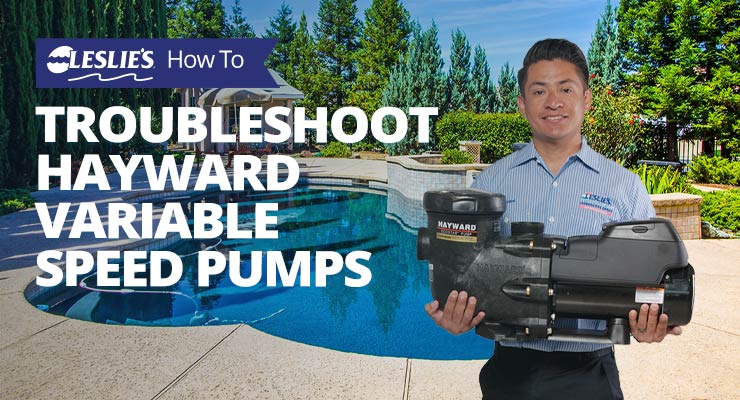
Credit: lesliespool.com
The Role Of Water Temperature In Cavitation
Water temperature can make cavitation more likely. As water gets warmer, it turns into vapor at higher pressures. Most pools run between 78°F and 86°F (25°C-30°C), but if you use a heater or live in a hot climate, temperatures can rise above this.
When water gets much warmer:
- The risk of cavitation increases, especially if the pump is already under stress.
- You might need to lower your pump speed or run times during very hot weather.
- Regularly check water temperature if you use a solar cover or heater.
How To Choose The Right Hayward Pump To Avoid Cavitation
Choosing the best pump for your pool size and plumbing is the first step to preventing cavitation. Here’s what to consider:
Pool Size And Volume
Calculate the number of gallons or liters in your pool. The pump should be able to circulate all the water in 8 hours or less.
Pipe Size
Check the diameter of your pool pipes. Most residential pools have 1. 5” or 2” pipes. Larger pumps need larger pipes.
Pump Flow Rate
Pick a pump with a flow rate that matches your pool’s needs and your pipe size. Too much flow for a small pipe increases cavitation risk.
Pump Location
If the pump is above the water level, choose a self-priming pump and keep the suction lift as low as possible.
Variable-speed Vs. Single-speed Pumps
Variable-speed pumps like the Hayward TriStar VS can run at lower speeds, which reduces the risk of cavitation. Single-speed pumps run at full power all the time.
Here’s a comparison of popular Hayward pumps:
| Pump Model | Type | Best For | Cavitation Risk |
|---|---|---|---|
| Hayward Super Pump | Single-Speed | Small to medium pools | Medium |
| Hayward TriStar VS | Variable-Speed | Medium to large pools | Low |
| Hayward MaxFlo XL | Single-Speed | Smaller pools, spas | Medium |
| Hayward PowerFlo | Above-Ground | Above-ground pools | Medium |
Real-world Example: Fixing Cavitation In A Hayward Pump
Let’s look at a true story from a pool technician:
A homeowner noticed a loud rattling noise from their Hayward Super Pump. The water jets were weak, and there were bubbles in the pool. They called a professional. On inspection, the technician found:
- The skimmer basket was full of leaves.
- The pump lid O-ring was dry and cracked, letting in air.
- The pump was installed 3 feet above the water line.
The technician cleaned the basket, replaced the O-ring, and recommended lowering the pump closer to the water level. After these steps, the noise stopped and the water flow improved. The impeller had some minor pitting, but it was still usable.
Key insight: Fixing the root cause early saved the homeowner from replacing the entire pump.
Expert Tips For Pool Owners
Here are some tips from professionals who work with Hayward pumps every day:
- Always prime the pump before use. Running dry can cause cavitation instantly.
- Use clear PVC pipe for part of the suction line. This makes it easy to spot air bubbles or blockages.
- Listen to your pump regularly. You’ll notice new noises faster if you know how it sounds when healthy.
- Install a check valve if your pump is above water level. This helps keep water in the pump and reduces air entry.
- Don’t ignore small leaks. Even a drip can pull in air and cause cavitation.
How To Check For Cavitation Without A Sensor
Not all Hayward pumps have a “cavitation detected” sensor. If you have an older or basic model, use these steps:
- Listen for unusual noises: Rattling, crackling, or popping are warning signs.
- Feel the pump: If it vibrates more than usual, cavitation may be happening.
- Check water flow: Weak jets or slow circulation are clues.
- Inspect the impeller: If you can, look for pits or rough spots on the impeller.
- Look for bubbles: Air bubbles in the pump strainer or return jets suggest an air leak.
If you notice two or more of these signs, stop the pump and check for blockages or leaks.
When To Call A Professional
Some cavitation problems are easy to fix, but others need expert help. Call a professional if:
- You can’t find any blockages or leaks, but the noise continues.
- The impeller or pump housing is badly pitted or damaged.
- The pump loses prime quickly after starting.
- Water flow does not improve after cleaning and tightening connections.
A professional can pressure-test your lines, check for hidden air leaks, and recommend the right pump for your system.
The Cost Of Ignoring Cavitation
Many pool owners put off fixing pump noises, thinking it’s not urgent. But cavitation damage gets worse with time and can be expensive:
- Replacing a Hayward impeller: $50–$150
- Replacing a pump housing: $150–$400
- New pool pump: $600–$1,500 (plus installation)
- Water lost from leaks: Adds to utility bills
Prevention and early action are always cheaper than waiting for a breakdown.
Maintenance Schedule To Prevent Cavitation
Keeping a schedule helps you avoid problems before they start. Here’s a sample maintenance plan:
| Task | Frequency | Why It Matters |
|---|---|---|
| Clean skimmer & pump baskets | Every week | Prevents blockages and low pressure |
| Check water level | Every week | Prevents air entry |
| Inspect pump lid O-ring | Every month | Stops air leaks |
| Listen for noises | Every month | Early warning of problems |
| Full system check | Twice a year | Finds hidden issues |

Credit: penguinpool.com
Frequently Asked Questions
What Does “cavitation Detected” Mean On My Hayward Pool Pump?
This warning means your pump has sensed conditions where vapor bubbles are forming inside. It’s usually caused by low pressure at the pump inlet, often from blockages, air leaks, or running the pump above water level. If ignored, it can damage your pump fast.
Is Cavitation Dangerous For My Pool?
Cavitation itself doesn’t hurt your pool water, but it’s very harmful to your pump. It wears down metal parts, causes leaks, and can ruin the pump motor if not fixed.
How Can I Stop Cavitation Once It Starts?
First, turn off your pump. Check for blockages, open all valves, look for air leaks, and make sure your pump matches your pool’s size and plumbing. Fixing the root cause is the only way to stop cavitation.
Can I Repair A Pump Damaged By Cavitation?
Minor pitting on the impeller or housing can sometimes be cleaned or repaired. But severe damage means you may need new parts or even a new pump. Prevention is always best.
Where Can I Learn More About Pool Pump Maintenance?
A good place to start is the official Hayward Pool website, which has guides, manuals, and troubleshooting tips.
Keeping your Hayward pool pump running smoothly is key to a clean and safe pool. Understanding cavitation and taking early action protects your investment and ensures years of trouble-free swimming. Regular maintenance, listening for warning signs, and knowing when to call for help are the best ways to avoid costly repairs and downtime.