
Keeping your oven clean is not just about making it look good. A clean oven works better, cooks food more evenly, and lasts longer. But if you own an Elite Gourmet oven, you may wonder how to clean it the right way. Many people buy compact ovens for their kitchens, but they often feel confused about cleaning them safely. Some worry about damaging the inside with harsh chemicals. Others avoid cleaning for months, which leads to burnt food smells and smoke.
The good news is, cleaning an Elite Gourmet oven is simple if you know the right steps. You do not need expensive products or complicated tools. In fact, you can use safe, everyday items from your kitchen. This guide will help you clean your oven from the inside out, remove tough stains, and keep it fresh for every meal.
You will also learn tips most people miss, like how to clean the heating elements and the glass window without scratching.
If you are ready to say goodbye to grease and burnt smells, keep reading. You will get step-by-step instructions, cleaning schedules, and ways to solve common problems. By the end, you will feel confident about cleaning your Elite Gourmet oven—and enjoy better tasting food too.
Understanding The Elite Gourmet Oven
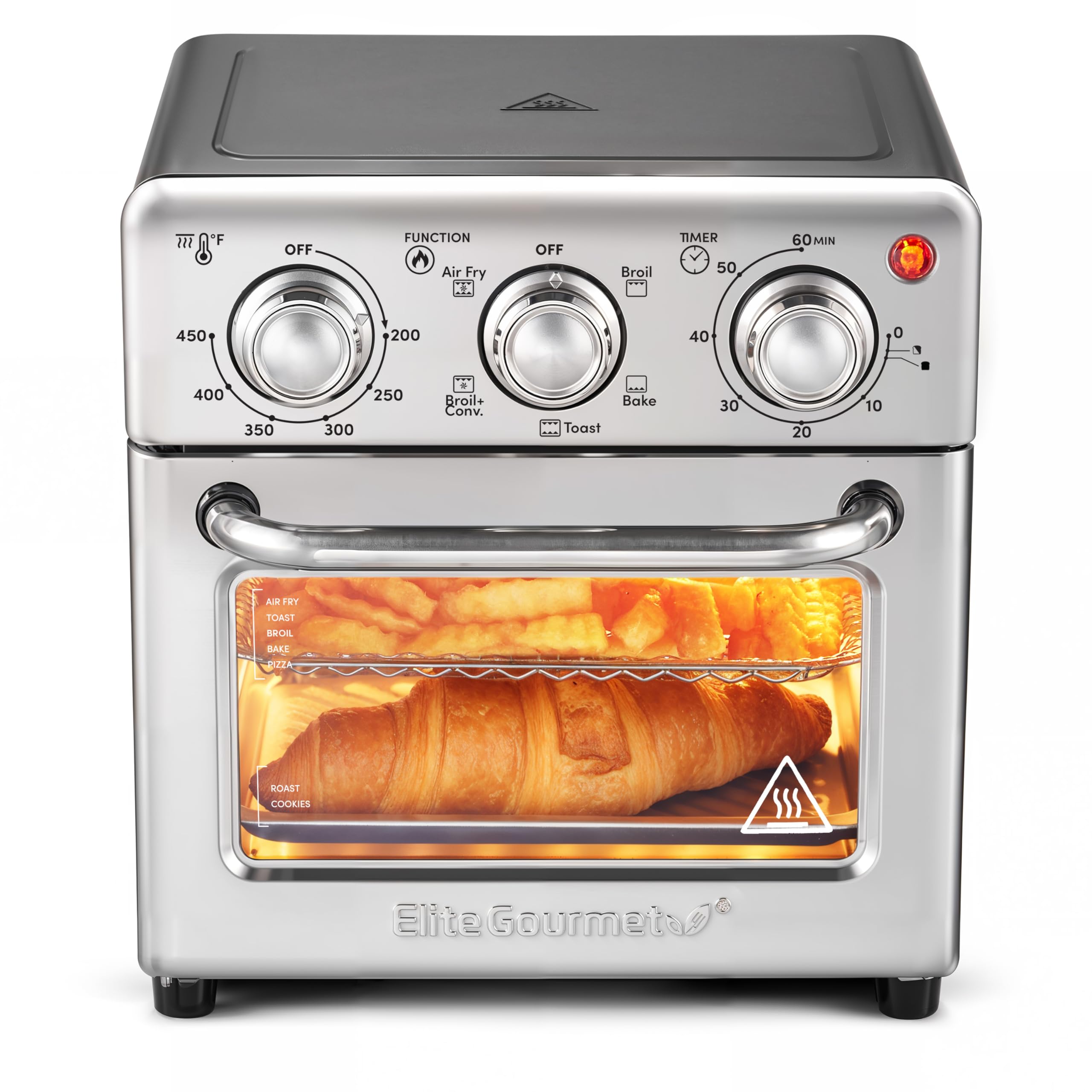
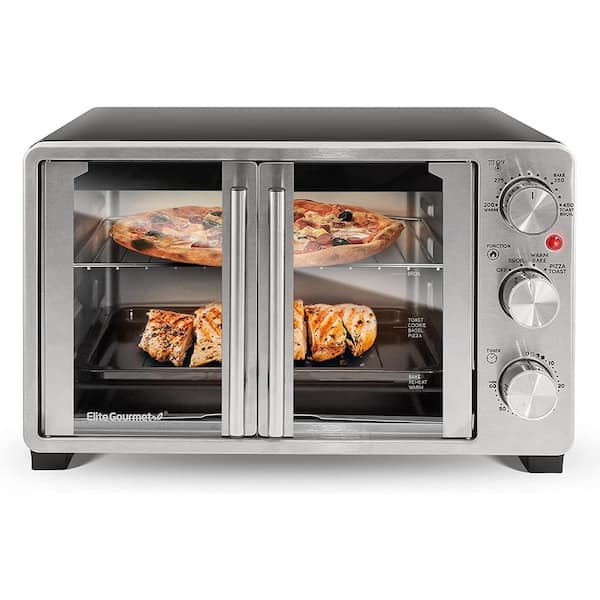
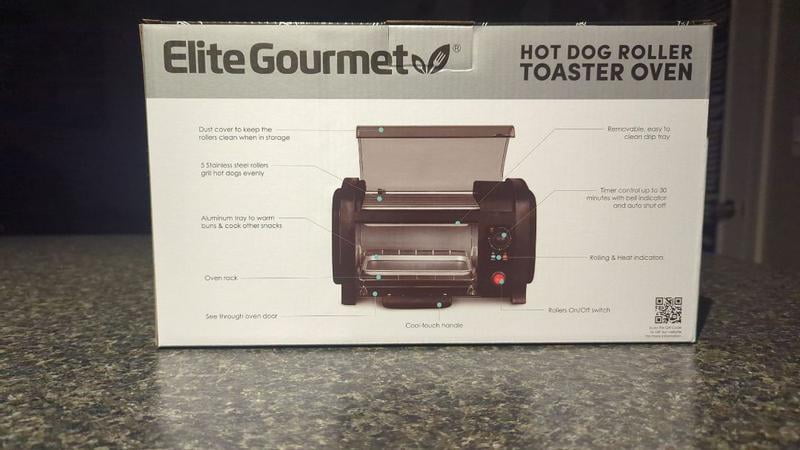
Before you start cleaning, it is important to know what makes the Elite Gourmet oven different from regular ovens. Elite Gourmet is a brand known for its compact, countertop ovens. These ovens are popular because they save space, heat up quickly, and are easy to use for small meals. They come in many sizes, from 4-slice toaster ovens to large convection models.
Most Elite Gourmet ovens have:
- A stainless steel or non-stick interior
- Removable racks and baking trays
- A glass door for viewing food
- Top and bottom heating elements
Unlike full-size ovens, these ovens have a smaller interior. This means grease and crumbs build up faster. Also, the heating elements are often exposed, so you must be careful not to damage them while cleaning.
Key Parts To Clean
To do a full cleaning, pay attention to these parts:
- Interior walls
- Heating elements
- Glass door
- Racks and trays
- Crumb tray
- Knobs and exterior
Each part needs a different cleaning method. For example, the glass door can scratch, while the heating elements are fragile. Knowing these differences will help you avoid mistakes.
Why Regular Cleaning Matters
Many people clean their oven only when it looks dirty or smells bad. But waiting too long can cause bigger problems:
- Burnt food and grease can create smoke and odors
- Old spills may catch fire at high temperatures
- Bacteria can grow on crumbs left inside
- The oven may cook food unevenly
Elite Gourmet ovens are designed for easy cleaning, but only if you keep up with maintenance. Wiping down after each use saves time and effort later. Also, you protect your investment—your oven will last longer and work better.
Common Mistakes To Avoid
Some users damage their ovens by:
- Using harsh chemicals that eat the non-stick coating
- Scrubbing with steel wool or rough pads
- Spraying water directly on heating elements
- Cleaning while the oven is still plugged in
Avoid these mistakes to keep your oven safe and looking new.
Credit: www.amazon.com
What You Need For Cleaning
You do not need fancy or expensive cleaners. In fact, some products can harm your oven. Here is what you really need:
- Soft sponge or cloth (not abrasive)
- Mild dish soap
- White vinegar
- Baking soda
- Small brush (old toothbrush works well)
- Microfiber towel
- Warm water
- Plastic or silicone spatula (for stuck food)
- Bowl or small bucket
Optional:
- Lemon juice (for odor removal)
- Cotton swabs (for tight spaces)
- Soft scraper (plastic only, not metal)
Never use oven cleaner spray unless the manual says it is safe. Most Elite Gourmet models do not allow strong chemicals inside.
Safety First: Preparing To Clean
Before you start, follow these safety steps:
- Unplug the oven – Never clean while it is plugged in.
- Let it cool completely – Cleaning a hot oven can burn your skin and damage parts.
- Remove racks and trays – Take out all removable parts to wash separately.
- Read your manual – Each model is a little different. Check for any special instructions.
If your oven has a crumb tray, slide it out before cleaning the inside. This catches most of the loose crumbs.
Cleaning The Interior
This is where most grease and spills collect. Here’s how to clean the inside without harming your oven.
Step 1: Remove Loose Debris
Use a dry cloth or small brush to sweep out crumbs. A handheld vacuum can also help. Remove as much dry food as possible before using any liquids.
Step 2: Make A Cleaning Solution
Mix a few drops of mild dish soap with warm water in a bowl. For extra power, add a tablespoon of white vinegar. This breaks down grease without leaving strong smells.
Step 3: Wipe Down The Interior
Dip your soft sponge in the solution, wring it out, and gently wipe the walls, ceiling, and floor of the oven. Do not let water drip onto the heating elements. If you see stuck-on food, let the damp sponge rest on it for a few minutes, then wipe again.
Step 4: Baking Soda Paste For Tough Stains
If you find brown or black stains that will not come off, make a paste with baking soda and water (about the thickness of toothpaste). Spread the paste on the stains and let it sit for 15–20 minutes. Gently rub with your sponge or a soft brush, then wipe clean.
Step 5: Rinse And Dry
Wipe the interior with a clean damp cloth to remove any soap or baking soda left behind. Dry with a microfiber towel. Leaving the oven open for 10–15 minutes helps it air dry and prevents musty smells.
Non-obvious Tip
Most people forget to check the corners and under the heating elements. Use a cotton swab or small brush to reach these hidden spots. Even a small crumb can burn and create odors.
Cleaning The Heating Elements
The heating elements are the most sensitive part. Never scrub or soak them. If they get greasy, they can smoke the next time you bake.
- Gently brush off any crumbs with a dry brush.
- If needed, wipe with a damp (not wet) cloth.
- Never use soap or spray directly on the elements.
- Let them dry completely before using the oven.
If you see a lot of buildup, check your manual. Some elements are removable, but most are not. Do not force anything loose.
Credit: www.homedepot.com
Cleaning The Glass Door
A clear oven window helps you watch your food and keeps your oven looking nice. But it can get cloudy from grease and steam.
Step 1: Basic Wipe
Use your dish soap solution and a soft cloth. Wipe the window inside and out. Avoid harsh pads that can scratch.
Step 2: Vinegar For Streaks
Mix equal parts vinegar and water. Spray or dab on the glass, then wipe with a microfiber towel. This removes streaks and leaves the glass shiny.
Step 3: Removing Baked-on Grease
For stubborn spots, use your baking soda paste. Spread it on the glass, let it sit for 10 minutes, then rub gently with a damp sponge. Rinse and dry.
Pro Tip
Do not forget the edges of the glass. Grease can collect along the rim, causing smells and sticky spots.
Cleaning Racks, Trays, And Crumb Tray
These parts take the most abuse. To keep them in top shape:
- Remove all racks and trays from the oven.
- Soak them in a sink or tub of hot, soapy water for 15–30 minutes.
- Scrub with a sponge or brush to remove food and grease.
- For stubborn spots, sprinkle with baking soda and scrub.
- Rinse well and dry completely before putting them back.
If your crumb tray is dishwasher safe (check the manual), you can wash it there for a deeper clean.
Removing Rust Or Stains
If you see rust spots, scrub gently with a paste of baking soda and water. Do not use metal pads, as these will scratch and remove the coating.
Credit: www.walmart.com
Cleaning The Exterior And Knobs
Your oven’s exterior can get greasy, especially around the knobs and handle. Here’s how to keep it looking good:
- Wipe with a cloth dampened in soapy water.
- For stainless steel, use a little vinegar to remove fingerprints.
- Dry with a microfiber towel for a streak-free shine.
- For knobs, use a cotton swab to clean around the base.
Never spray cleaner directly onto the control panel. Spray onto a cloth, then wipe.
Dealing With Odors
Sometimes your oven may smell even after cleaning. To freshen it:
- Place a bowl of water with 2 tablespoons of lemon juice inside the oven.
- Heat at 250°F (120°C) for 15–20 minutes.
- Let it cool, then wipe the inside with a clean cloth.
This method removes most odors and leaves a fresh scent.
How Often Should You Clean?
A regular cleaning schedule keeps your Elite Gourmet oven in top shape.
- After each use: Wipe crumbs and spills from the interior and glass.
- Weekly: Wash racks, trays, and crumb tray.
- Monthly: Deep clean the interior, door, and exterior.
If you use your oven daily, you may need to clean more often. If you only use it for toast, less frequent cleaning is fine.
Comparing Elite Gourmet With Other Compact Ovens
How does cleaning an Elite Gourmet oven compare to other brands? Here is a simple comparison:
| Feature | Elite Gourmet | Other Compact Ovens |
|---|---|---|
| Non-stick interior | Yes (most models) | Sometimes |
| Removable crumb tray | Yes | Yes |
| Easy-to-remove racks/trays | Yes | Varies |
| Manual cleaning required | Yes | Yes |
| Self-cleaning function | No | Rarely |
Elite Gourmet ovens are designed for easy manual cleaning, but none have a self-cleaning feature. Most other compact ovens are similar, so the steps in this guide will work for them too.
Dealing With Tough Stains And Baked-on Grease
Sometimes, regular cleaning is not enough. If you have stains that just will not go away, try these steps:
- Make a paste of baking soda and water.
- Spread it over tough stains and let sit for at least 30 minutes.
- Scrub gently with a soft brush or sponge.
- Wipe clean with a damp cloth.
For really stubborn spots, repeat the process or let the paste sit overnight. Never use metal scrapers or knives—these can scratch the surface and damage the non-stick coating.
If you use your oven for roasting meat or baking cheese, grease can build up quickly. Cleaning after each use prevents stains from becoming permanent.
Cleaning After Cooking Different Foods
Some foods create more mess than others. Here’s how to handle common situations:
After Roasting Meats
Grease splatter is common. Wipe the walls and door while the oven is still a little warm (but not hot). This makes it easier to remove grease before it hardens.
After Baking Pastries Or Pizza
Cheese and sauce can drip. Check the crumb tray and clean any sticky spots right away. Use a damp cloth for sugar or cheese before it burns.
After Toasting Bread
Crumbs build up fast. Shake out the crumb tray often to prevent burning.
Cleaning soon after cooking is easier than waiting until stains become hard.
How To Clean Hard-to-reach Areas
Some parts of your Elite Gourmet oven are tricky to clean, like the corners or under the heating elements. Here’s how to reach them:
- Use a cotton swab dipped in soapy water for corners.
- An old toothbrush helps scrub along edges.
- For crumbs under the elements, turn the oven upside down (make sure it’s unplugged and cool).
- For the door hinges, use a small brush to remove buildup.
Never pour water inside the oven. Always use a damp, not wet, cleaning tool.
What To Avoid When Cleaning
Some cleaning habits can do more harm than good. Avoid these:
- Abrasive scrubbers: They scratch the non-stick coating and glass.
- Strong chemical cleaners: They can damage surfaces and leave smells.
- Too much water: Can short out electrical parts.
- Cleaning while plugged in: Always unplug first to avoid shock.
- Forcing parts: If a tray or rack is stuck, wiggle gently. Forcing can break the guides.
Frequently Overlooked Cleaning Spots
Even careful cleaners miss some areas. Pay extra attention to:
- Door seals: Grease collects around the rubber gasket.
- Knob bases: Crumbs and grease hide here.
- Under the oven: Crumbs can fall through vents.
- Back vents: Dust and grease can block airflow.
- Inside the crumb tray slot: Wipe with a small brush.
Cleaning these spots prevents smells and keeps your oven running smoothly.
Troubleshooting Common Problems
Even with good cleaning, problems can happen. Here’s how to solve them:
Oven Still Smells After Cleaning
- Check for hidden crumbs under the elements or in the crumb tray slot.
- Run the lemon water method again.
- Leave the oven open to air out after cleaning.
Glass Door Is Cloudy
- Use vinegar and a microfiber towel.
- If still cloudy, try the baking soda paste.
Knobs Are Sticky
- Remove (if possible) and wash in soapy water.
- Clean the posts with a cotton swab.
Heating Elements Smoke
- There may be grease on them. Let the oven heat empty for 10 minutes to burn off residue. If smoking continues, wipe gently with a damp cloth after cooling.
Racks Are Rusty
- Scrub with a baking soda paste. Dry completely before storing.
Cleaning Schedule Example
To keep your Elite Gourmet oven in top shape, try this example schedule:
| Task | How Often |
|---|---|
| Wipe interior and glass | After each use |
| Wash racks and trays | Weekly |
| Deep clean interior | Monthly |
| Clean knobs and exterior | Monthly |
| Check for odors | Monthly |
Sticking to a schedule saves time and effort in the long run.
When To Replace Parts
With good care, your oven’s racks and trays should last years. But sometimes, you may need to replace:
- Racks with deep rust or peeling coating
- Crumb trays that are warped or cracked
- Door seals if they become loose or broken
Check the manufacturer’s website or manual for replacement parts. Never use the oven with broken or missing pieces.
Environmentally Friendly Cleaning
Many people want to avoid harsh chemicals in their kitchens. All the cleaning methods in this guide use safe ingredients like vinegar, baking soda, and lemon juice. These are effective, safe for your oven, and better for the environment.
If you want more ideas for green cleaning, you can find tips from EPA’s guide to greener cleaning products.
Signs Your Oven Needs Immediate Cleaning
Sometimes, you should clean your oven right away. Watch for these signs:
- Smoke or burning smells during use
- Food tastes strange or burnt
- Brown or black stains on the door or walls
- Oven heats unevenly or takes longer to cook
- You see bugs or mold inside
Cleaning as soon as you notice these problems prevents damage and keeps your food safe.
Keeping Your Oven Clean Between Deep Cleans
To save time, keep your oven tidy every day:
- Use a baking sheet or tray for greasy foods.
- Wipe up spills as soon as the oven cools.
- Shake out the crumb tray often.
- Avoid overfilling pans to prevent drips.
These habits make deep cleaning faster and easier.
Frequently Asked Questions
How Do I Remove Burnt Smell From My Elite Gourmet Oven?
After cleaning, place a bowl of water with 2 tablespoons of lemon juice inside the oven. Heat at 250°F (120°C) for 15–20 minutes. Let it cool, then wipe the inside. This helps remove most smells and leaves a fresh scent.
Can I Use Oven Cleaner Spray Inside My Elite Gourmet Oven?
No. Most oven cleaner sprays are too harsh for compact ovens and can damage the non-stick coating. Stick to mild dish soap, vinegar, and baking soda for safe cleaning.
How Do I Clean The Heating Elements Without Damaging Them?
Use a dry brush or a slightly damp cloth. Never soak the elements or scrub hard. If they are very dirty, let the oven heat empty for 10 minutes to burn off residue, then wipe again when cool.
Is It Safe To Wash Racks And Trays In The Dishwasher?
Check your oven’s manual. Many Elite Gourmet racks and trays are dishwasher safe, but not all. If unsure, hand wash with mild soap and hot water.
How Often Should I Deep Clean My Elite Gourmet Oven?
A deep clean once a month is enough for most users. If you cook greasy foods often, clean more frequently. Regular wiping after each use reduces the need for deep cleaning.
Keeping your Elite Gourmet oven clean does not have to be difficult. With the right tools, safe cleaning solutions, and a little routine care, your oven will look and cook like new for years to come. Clean after every use, tackle tough stains quickly, and use gentle tools. Your food will taste better, your kitchen will smell fresher, and you will enjoy every meal more.