
If you just moved or bought a new refrigerator, you may have transported it while it was laying down. Maybe you didn’t know the risks, or maybe it was the only way to fit it in your vehicle. Now, you’re worried: will the fridge work? Is there damage? What should you do next? Fixing a refrigerator that was laying down is not just about plugging it in and hoping for the best. There are important steps you must follow to avoid serious problems. This guide will show you exactly what to do, explain why it matters, and help you avoid common mistakes. If you want your refrigerator to last, read carefully.
Why Laying Down A Refrigerator Is A Problem
Most people don’t realize that refrigerators are designed to stay upright. When you lay a fridge on its side or back, the oil inside the compressor can flow out into the cooling lines. This oil is thick and sticky, and it’s only supposed to be in the compressor. If the oil gets into the cooling tubes or evaporator coils, it can block the flow of refrigerant. That means your refrigerator won’t cool properly, or in some cases, not at all.
Some people think the danger is only during transport, but the bigger risk comes when you start the fridge too soon after it’s been on its side. If oil is still in the wrong place, you can ruin the compressor—a repair that often costs more than buying a new fridge.
Immediate Steps After Laying Down A Refrigerator
You might feel tempted to plug the refrigerator in as soon as you arrive. This is a big mistake. Here’s what you should do first:
- Set the Refrigerator Upright: As soon as possible, move the fridge to its final position and stand it upright.
- Leave It Unplugged: Do not connect the power yet.
- Wait Before Plugging In: Most manufacturers recommend waiting at least as long as the refrigerator was on its side, and sometimes longer. The general rule is to wait 24 hours, but sometimes 12 hours is enough for smaller units.
Why You Need To Wait
Waiting gives the oil inside the compressor time to flow back where it belongs. If you plug it in too soon, the compressor can run without enough oil and overheat, burning out the motor.
How Long Should You Wait? Manufacturer Guidelines
The waiting period is not the same for every refrigerator. It depends on the size, age, and how long it was lying down. Here is a comparison of different recommendations from leading brands:
| Brand | Recommended Wait Time | Notes |
|---|---|---|
| Samsung | 24 hours | Upright before plugging in |
| LG | 2 to 4 hours | If on side briefly; 24 hours if long transport |
| Whirlpool | 24 hours | Critical for compressor safety |
| GE Appliances | Minimum 8 hours | More if transported long distance |
| Frigidaire | 24 hours | Wait longer if unsure |
Non-obvious insight: Some newer inverter compressor models are more sensitive to oil displacement. Always check your user manual or call customer support for your specific model.
Steps To Fix A Refrigerator After Laying Down
After waiting the right amount of time, you need to take a few more steps before using your refrigerator normally.
1. Inspect For Physical Damage
Check the outside for any dents, cracks, or signs of broken parts. Inspect the doors, handles, and back panel. Look for leaking fluids or bent coils. If you notice anything unusual, take photos and note the damage. Sometimes, hidden problems only show up later, so documentation helps if you need a warranty claim.
2. Level The Refrigerator
A refrigerator must stand level for the doors to close properly and for the coolant to flow as it should. Use a bubble level or a smartphone app. Adjust the front feet or rollers until the fridge is balanced left-to-right and front-to-back.
3. Plug In And Listen
Once you’ve waited, plug in the refrigerator. Listen for the compressor and fans to start. You should hear a low humming sound. If you hear clicking, loud buzzing, or nothing at all, unplug it and wait another hour. Persistent noise may mean oil is still not in place, or there’s another issue.
4. Check For Cooling
After plugging in, the inside of the fridge should start getting cold within a few hours. Place a thermometer on a middle shelf. The ideal temperature is 37–40°F (3–4°C) for the fridge, and 0°F (-18°C) for the freezer. Wait 6–8 hours before adding food.
5. Watch For Warning Signs
Over the next 24 hours, check for these problems:
- The refrigerator is not cooling
- Strange noises (loud knocking, metallic sounds)
- Water leaks under or behind the fridge
- The compressor runs constantly or not at all
If you notice any of these, unplug the fridge and call a technician.
6. Clean Interior And Replace Shelves
Sometimes, laying a fridge down can cause dust, debris, or oil to move inside. Wipe down the shelves and drawers with warm, soapy water before using.
7. Monitor Performance For Several Days
For the first week, check the temperature daily. Look for ice buildup, moisture, or unusual odors. If everything works well, you can relax. Problems sometimes appear late, so early detection is important.
Common Mistakes When Fixing A Refrigerator That Was Laying Down
Many people make the same mistakes when dealing with a refrigerator after it has been on its side. Avoid these errors to save yourself time and money:
- Plugging in right away: This can damage the compressor immediately.
- Not leveling the fridge: Can cause poor cooling and door sealing issues.
- Ignoring strange noises: Clicking or loud buzzing are warning signs.
- Overfilling too soon: Putting in a lot of food before it’s cold enough forces the compressor to work harder.
- Skipping the owner’s manual: Each model has unique instructions that matter.
- Not checking for leaks: Oil or water leaks can signal internal problems.
Non-obvious insight: Oil in the wrong place can sometimes cause problems even after weeks. If your fridge starts acting up later, mention to the technician that it was transported on its side.
Key Signs Your Refrigerator Needs Professional Repair
Sometimes, even after careful steps, your refrigerator might not work. Here are clear signs that you need a professional:
- No cooling after 24 hours: If both fridge and freezer are still warm
- Repeated compressor clicking: The compressor tries to start but fails
- Burning smell: This could mean electrical damage
- Visible oil leaks: Compressor oil leaking under the unit
- Blown circuit breaker: The fridge trips your breaker every time you plug it in
If you see any of these, call a qualified appliance repair service. Describe the history (including the fact that the fridge was laying down) so they can diagnose faster.
Why Some Refrigerators Can Handle Laying Down Better Than Others
Older refrigerators and some new commercial models use simple compressors that are a bit more tolerant to being moved. Modern household fridges with digital controls, frost-free systems, or inverter compressors are more sensitive. The more complex the unit, the more important it is to follow waiting guidelines.
Example: A basic chest freezer may only need a few hours, while a smart fridge with touch screens and dual cooling systems could need a full 24 hours or more.
How To Prevent Future Problems When Moving A Refrigerator
If you ever need to move a refrigerator again, it’s best to keep it upright. But if that’s impossible, here’s how to reduce risks:
- Empty all food and trays: Remove glass shelves and drawers to prevent breaking.
- Tape the doors shut: Use strong tape to keep doors from swinging open.
- Move gently: Avoid bumping or dropping the fridge.
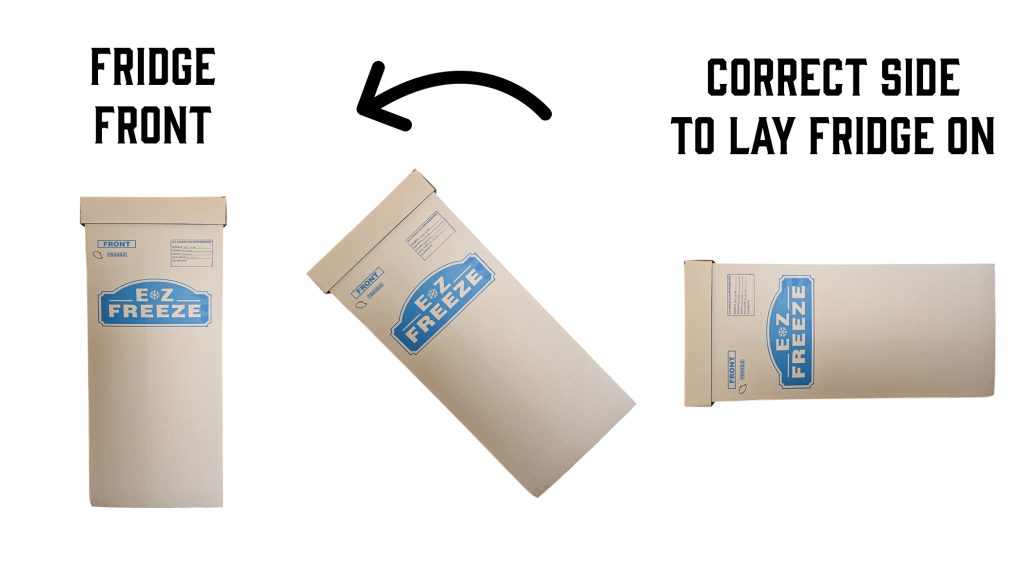
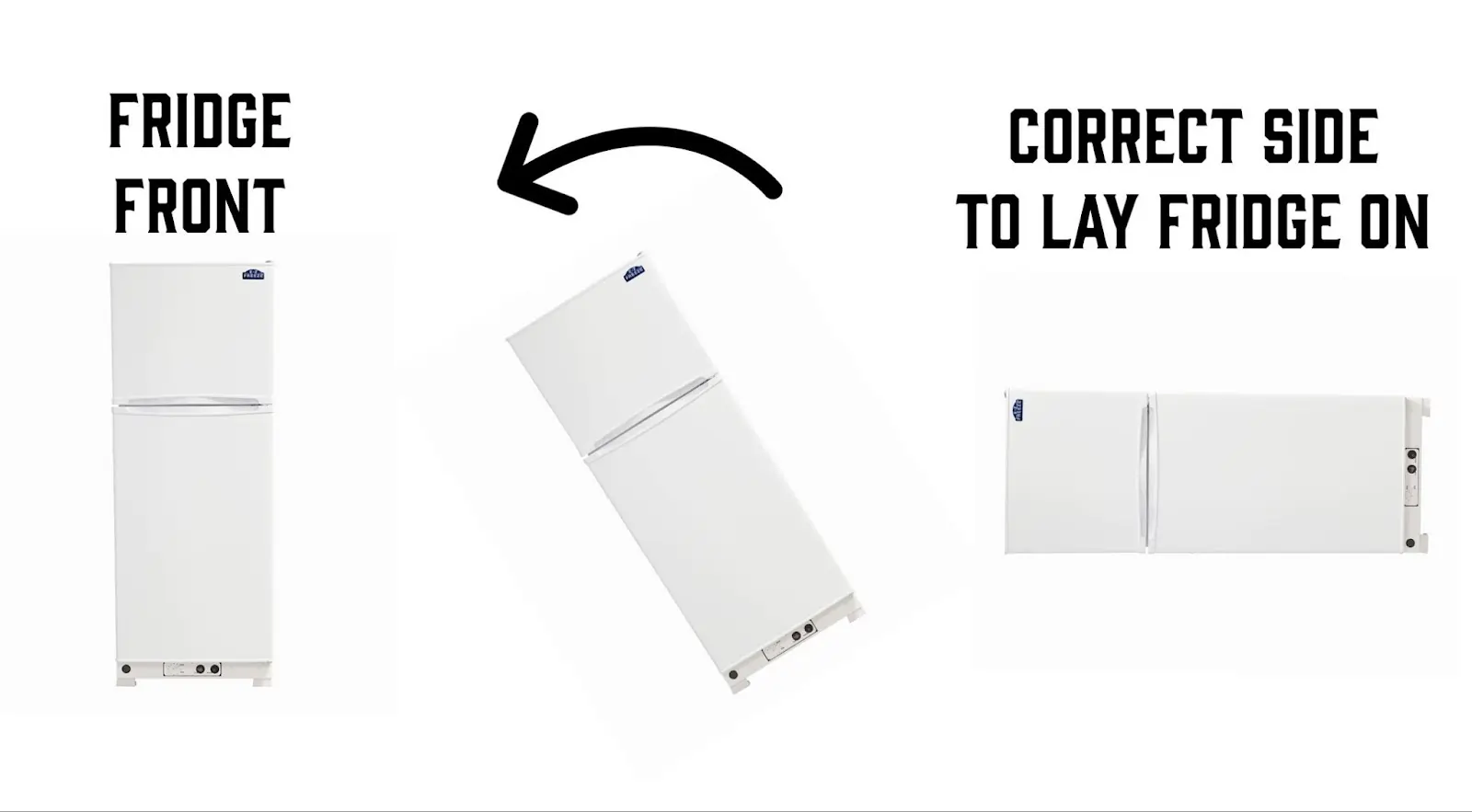
- Lay on the correct side: Most manufacturers prefer the side opposite the hinges, so the doors don’t pop open.
- Protect the coils: Never lay the fridge on its back (compressor side) if you can avoid it.
Credit: www.youtube.com
How Laying Down Affects Refrigerator Components
Let’s look at what happens inside:
| Component | Risk When Laying Down | Sign of Damage |
|---|---|---|
| Compressor | Oil flows out of place | Loud clicking, no cooling |
| Cooling Coils | May get blocked by oil | Uneven cooling, ice buildup |
| Defrost System | Moisture collects in wrong areas | Water leaks, frost buildup |
| Door Seals | Can get bent or damaged | Doors don’t close, warm spots inside |
| Electrical Controls | Short circuits if moisture enters | Display errors, won’t power on |
How To Tell If The Compressor Is Damaged
The compressor is the heart of your refrigerator. If it’s damaged, cooling will not happen. Here are some signs:
- Loud clicking or buzzing: Means the compressor is trying to start but can’t.
- No sound at all: The compressor isn’t running.
- Warm fridge and freezer: No cold air moving.
- Hot sides of the fridge: Overheating can occur if the compressor strains.
- Breaker trips: Electrical short inside the compressor.
If you suspect compressor damage, don’t keep plugging and unplugging. Each time you try, you risk more damage.
Steps If Your Refrigerator Still Doesn’t Work
If, after waiting and plugging in, your refrigerator doesn’t cool, follow these steps:
- Unplug the refrigerator: Leave it off for another 12–24 hours.
- Try again: Sometimes oil needs more time to settle.
- Check your outlet: Plug another appliance in to be sure there’s power.
- Reset the controls: If your fridge has digital controls, reset them following the manual.
- Contact support: Call the manufacturer or a certified repair technician.
Special Notes For Built-in And Smart Refrigerators
Some built-in or smart refrigerators have more sensitive electronics. If these get moisture or oil in the wrong place, software errors can occur. Always check if your model needs a special reset process. Sometimes, you need to enter a service mode or reset the breaker for a full minute.
Should You File An Insurance Or Warranty Claim?
If your refrigerator was moved professionally, check if you have moving insurance. Take photos of any damage and keep all receipts. If your fridge is still under warranty, call the manufacturer before attempting repairs. Many warranties do not cover problems from improper transport, but some do if you followed their instructions.
When To Replace Versus Repair
A compressor replacement is expensive. If your refrigerator is more than 10 years old, or the repair cost is over half the price of a new one, it’s usually smarter to buy a new fridge. Modern fridges are more energy efficient, which can save you money over time.
Credit: www.ezfreezerefrigerator.com
Energy Efficiency Concerns After Laying A Refrigerator Down
If your refrigerator survives and works, check your energy bill over the next month. Sometimes, leftover oil in the cooling lines makes the fridge work harder, using more power. If you see a sudden spike in energy use, have a technician check for blockages or leaks.
Additional Tips To Protect Your Refrigerator’s Life
- Clean the condenser coils every 6 months for better cooling.
- Keep the fridge at least 2 inches from the wall for airflow.
- Defrost the freezer if you see more than 1/4 inch (6 mm) of frost.
- Keep the door seals clean and replace if cracked.
Credit: www.warehouseappliance.com
Real-world Example: A Costly Mistake
A family moved their LG refrigerator across town, laying it on its back for 2 hours. They plugged it in immediately. At first, it seemed fine, but after a week, the fridge was warm and the compressor was clicking. The repair cost was $450—almost as much as a new unit.
If they had waited and followed the right steps, they likely would have avoided the damage.
Where To Find Model-specific Guidance
Always check your user manual or visit the manufacturer’s official support website for your model. Most companies have detailed instructions on safe moving and setup. For more technical explanations, see this Wikipedia article about refrigerators.
Frequently Asked Questions
How Long Should I Wait Before Plugging In A Refrigerator After It Was On Its Side?
It’s safest to wait at least 24 hours before plugging in. For smaller units or short transport times, 8–12 hours may be enough. Always check your refrigerator’s manual for exact times.
What Happens If I Plug In A Refrigerator Too Soon After Laying It Down?
If you plug in too soon, compressor oil may block the cooling lines or cause the compressor to fail. This can lead to expensive repairs or the need for a new fridge.
Can I Lay Any Refrigerator On Its Side During Transport?
It’s best to keep refrigerators upright. If you must lay it down, choose the side opposite the hinges and always wait the proper time before plugging in.
What Are The Signs Of Compressor Damage After Moving A Refrigerator?
Signs include loud clicking or buzzing, no cooling, warm interior, or the unit tripping your circuit breaker.
Does Moving A Refrigerator Void The Warranty?
Some warranties do not cover damage from improper transport. Always follow the manufacturer’s instructions and keep records to protect your coverage.
Moving and fixing a refrigerator that was laying down is not difficult if you follow the correct steps. Waiting the right amount of time, checking for damage, and watching for warning signs can save you costly repairs. If in doubt, consult your user manual or call a professional.
Your refrigerator is a big investment—take care of it, and it will keep your food fresh for years to come.