
Pressure cookers have been a staple in many kitchens for decades. They promise faster cooking, energy savings, and the ability to tenderize tough cuts of meat. But behind their convenience lies a reality that not everyone knows: pressure cookers can explode. When they do, the results can be dangerous, causing injuries, kitchen damage, and even fires. How does this happen? Why do these safe-seeming appliances sometimes turn risky? Understanding the mechanics behind a pressure cooker explosion is key for anyone who uses one or is thinking about buying one.
Let’s dive deep into the causes, mechanics, warning signs, and real-life cases of pressure cooker explosions. By the end, you’ll know not only how these explosions happen, but also how to prevent them and keep your kitchen safe.
How Pressure Cookers Work
Before understanding why they explode, it’s important to know how pressure cookers function. At their core, pressure cookers are sealed pots that use steam pressure to cook food faster.
When you heat water in a sealed environment, the steam can’t escape. This trapped steam increases the pressure inside the pot. Higher pressure raises the boiling point of water, which means food cooks at a higher temperature than in an open pot.
Most pressure cookers reach pressures of 15 psi (pounds per square inch) above atmospheric pressure, raising the boiling point of water from 100°C (212°F) to about 121°C (250°F).
Key components of a typical pressure cooker include:
- Lid lock: Keeps the cooker sealed during use.
- Gasket (sealing ring): Ensures a tight seal between the lid and the pot.
- Pressure regulator/weight: Maintains safe pressure by releasing excess steam.
- Safety valves: Additional features that open if pressure gets too high.
When everything works as designed, pressure cookers are safe. Problems start when these safety systems fail, or when human error enters the mix.
Main Causes Of Pressure Cooker Explosions
Pressure cooker explosions almost never happen by chance. They are the result of specific causes—sometimes mechanical, sometimes human. Let’s look at the leading reasons:
1. Blocked Pressure Release Valve
Every pressure cooker has a pressure release valve that lets out excess steam. If this valve gets clogged (with food, debris, or mineral deposits), pressure can build up past safe limits. If the main vent is blocked and backup safety systems also fail, the lid may blow off, or the body of the cooker could rupture.
2. Faulty Or Worn-out Gasket
The gasket is the rubber or silicone ring that seals the lid to the pot. If it’s cracked, misplaced, or not cleaned, steam can leak out unevenly. This can cause unpredictable pressure changes, making the cooker unsafe. In rare cases, a failed gasket can cause the lid to fly off suddenly.
3. Overfilling The Pressure Cooker
Manufacturers recommend filling a pressure cooker only up to two-thirds full, and less (half) if cooking foods that expand or foam, like rice or beans. Overfilling leaves too little room for steam. As food expands, it can block the pressure release valve, creating a dangerous situation.
4. Opening The Lid Too Soon
Trying to open the cooker before the pressure drops is risky. The high-pressure steam inside can cause the lid to pop off violently, spraying boiling food and liquid everywhere.
5. Damaged Or Poor Quality Cookers
Cheap or old pressure cookers might have weak materials or construction defects. A thin or corroded metal body can crack or burst under high pressure. Always use cookers from reputable brands and avoid using ones with visible damage.
6. Failure Of Safety Mechanisms
Modern pressure cookers have multiple safety features, but older models may only have one. If these fail—due to wear, improper maintenance, or manufacturing flaws—the cooker becomes vulnerable to explosions.
7. Using The Wrong Type Of Heat Source
Some pressure cookers aren’t designed for high-heat stoves (like induction or commercial burners). Using excessive heat can cause pressure to rise faster than safety systems can handle.
8. Ignoring Maintenance And Cleaning
Not cleaning the valves, gasket, or lid grooves can allow food, grease, or mineral buildup. This makes clogs and leaks more likely, increasing the risk of an explosion.
9. Modifying The Cooker
Some people try to “hack” their pressure cooker for faster cooking or higher pressure. Modifying parts or using non-standard replacement parts can disable safety features and lead to accidents.
10. Manufacturing Defects
Even the best brands sometimes have product recalls due to manufacturing flaws. Faulty pressure release valves, weak welds, or defective materials can all cause explosions, even with proper use.
The Mechanics: How An Explosion Happens
When a pressure cooker explodes, the process is dramatic but follows a clear sequence. Here’s what typically happens:
- Pressure builds up inside the cooker as water turns to steam and gets trapped.
- If the pressure release valve is blocked, pressure can rise above the design limits.
- Safety valves are supposed to open at this point. If they don’t (because of clogging or defects), pressure keeps building.
- The weakest part of the cooker (often the gasket seal, lid lock, or a thin section of the pot) gives way.
- Sudden release of pressure sends the lid flying or ruptures the body, spraying superheated steam and boiling food in all directions.
The real danger is the energy stored inside the cooker. For example, a typical 6-quart pressure cooker at full pressure contains enough energy to launch a heavy lid across a room.
Example: A Case Study
In 2017, a family in Florida suffered burns when their electric pressure cooker’s lid blew off. The cooker was overfilled, and starchy food blocked the vent. The backup safety failed, and when the user tried to open the lid, it exploded.
This real-life example shows how several small mistakes can combine into a major accident.
Types Of Pressure Cooker Explosions
Not all explosions are the same. Understanding the differences can help you spot risks early.
1. Lid Blow-off
This is the most common type. The lid is forced off by pressure, turning it into a dangerous projectile. Hot food and steam shoot out, causing burns.
2. Pot Rupture
In rare cases, the body of the cooker splits or bursts. This is more likely with old or defective cookers. Metal fatigue or corrosion weakens the pot, which then fails under pressure.
3. Valve Ejection
If a safety valve blows out completely, it can shoot hot steam and food upwards. While less dangerous than a full explosion, it can still burn anyone nearby.
4. Gasket Ejection
A gasket that slips out of place under high pressure can create a steam jet, sometimes releasing the lid as well.
5. Electronic Malfunctions (for Electric Pressure Cookers)
Modern electric cookers have sensors and electronics. A failed sensor or software bug can cause the cooker to heat beyond safe limits or ignore high-pressure warnings.
Statistics And Data On Pressure Cooker Explosions
The U.S. Consumer Product Safety Commission (CPSC) has recorded hundreds of pressure cooker incidents over the past decade. From 2012 to 2022, more than 200 injury reports related to pressure cookers were submitted, with burns being the most common injury.
A 2019 review found that more than 80% of accidents involved older, stovetop models, but newer electric models are not immune. There have been several class-action lawsuits against popular brands due to defective safety features.
Here’s a comparison of common causes in reported accidents:
| Cause | Percentage of Incidents |
|---|---|
| Blocked Valve | 42% |
| Gasket Failure | 22% |
| User Error (Early Opening) | 18% |
| Pot Rupture | 9% |
| Other/Unknown | 9% |
These numbers show most explosions are preventable with proper use and maintenance.
Warning Signs And Early Detection
Knowing what to look for can help prevent disaster. Here are warning signs your pressure cooker may be unsafe:
- Steam leaking from the side of the lid (not the valve)
- Unusual noises like rattling or whistling from places other than the pressure regulator
- Lid feels loose when under pressure
- Valve seems blocked or takes a long time to release steam
- Gasket is cracked, loose, or sticky
- Longer than normal cooking times (may indicate blocked steam)
If you notice any of these, turn off the heat, let the cooker cool, and inspect it before using again.
Real-world Scenarios: What Happens During An Explosion
Let’s look at the physical effects of a pressure cooker explosion, using real examples and data.
Burns And Injuries
Most injuries are caused by scalding. When a cooker explodes, steam at 121°C (250°F) and boiling food hit skin instantly. Burns can range from mild to severe (third-degree), often on the arms, face, or chest. In some cases, people have needed skin grafts or long-term treatment.
Kitchen Damage
An exploding cooker can damage walls, ceilings, cabinets, and stoves. The force can dent metal appliances or crack tiles. Cleaning up after an explosion is messy and expensive.
Fire Hazard
If hot food lands on burners or electrical outlets, it can start a fire. Grease and oil make this risk higher.
Example Comparison
Here is a real-life comparison of injuries by type:
| Type of Injury | Percentage of Cases |
|---|---|
| First/Second-degree burns | 68% |
| Third-degree burns | 21% |
| Eye injuries | 6% |
| Broken bones | 2% |
| Other | 3% |
Electric Vs. Stovetop Pressure Cookers: Which Is Safer?
Modern electric pressure cookers (like the Instant Pot) have made pressure cooking easier and safer. But are they less likely to explode?
Key Differences
- Electric cookers have sensors, timers, and auto-release features. They often shut off automatically if pressure gets too high.
- Stovetop cookers rely on the user to control heat and timing. They often have fewer backup systems.
Risk Comparison
| Feature | Electric Cooker | Stovetop Cooker |
|---|---|---|
| Backup Safety Valves | Usually 2-3 | 1-2 |
| Auto Shutoff | Yes | No |
| Common User Errors | Opening too soon, overfilling | Overheating, blocked valve, opening too soon |
| Explosion Rate (per 100,000 units) | 0.6 | 1.1 |
Both types can explode, but electric models are generally safer—if their electronics work properly. However, a software bug can bypass all safety systems, so regular checks are still needed.
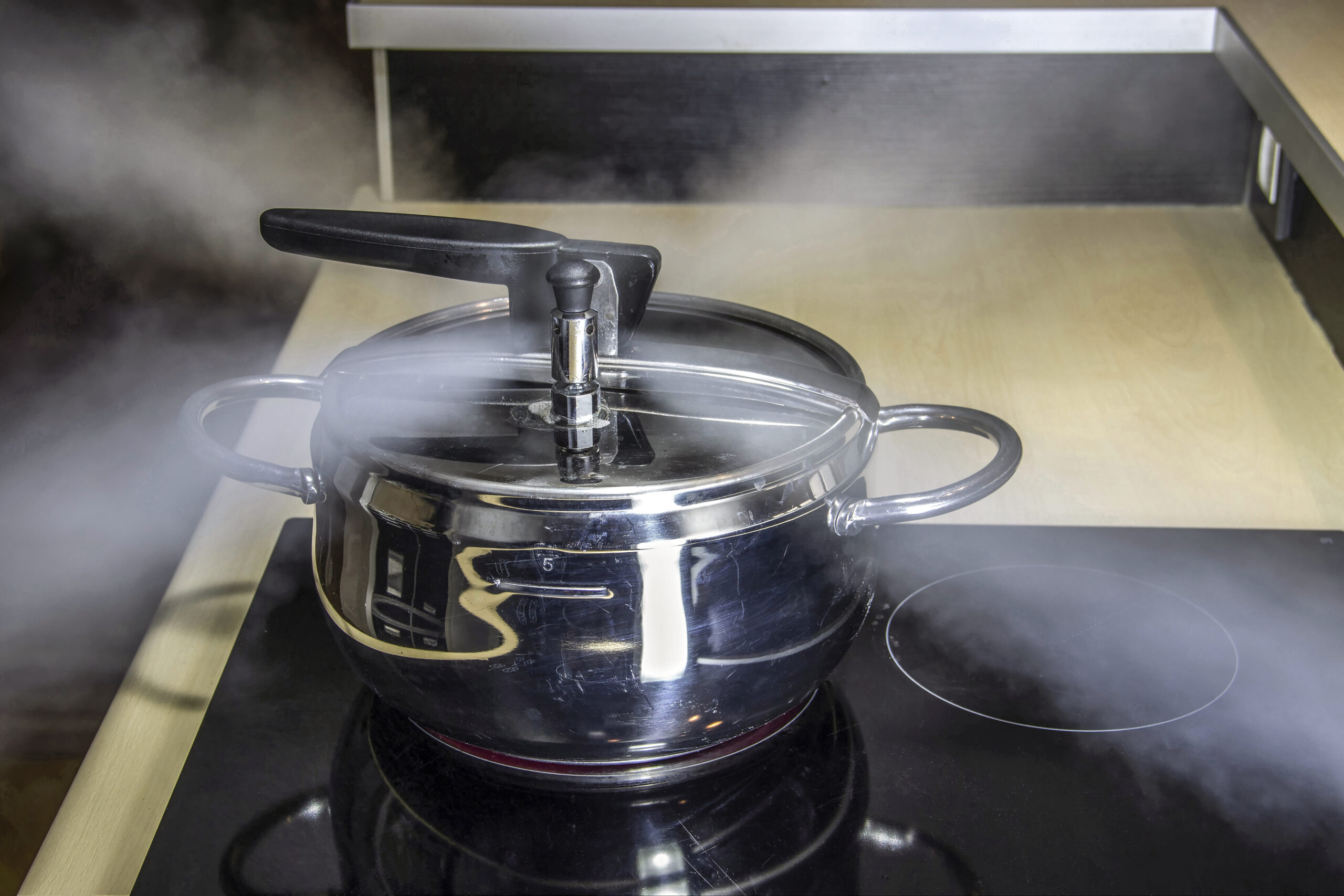
Credit: www.vilesandbeckman.com
Preventing Pressure Cooker Explosions
Most pressure cooker explosions can be prevented with a few simple habits. Here’s what you need to do:
1. Read And Follow The Manual
Every cooker is different. Always read the user manual before first use. Pay attention to fill limits, cleaning, and safety instructions.
2. Inspect Before Each Use
Check the gasket for cracks or wear. Make sure the valve is clean and moves freely. Inspect the lid and body for dents, rust, or other damage.
3. Don’t Overfill
Never fill the cooker more than two-thirds full. For foods that foam or expand (beans, grains, pasta), stick to half full.
4. Clean Thoroughly
Food can get stuck in valves or under the gasket. Wash all parts after each use. Use a small brush to clean the vent and valve openings.
5. Replace Worn Parts
Gaskets and valves wear out over time. Replace them every 12-18 months, or as soon as you see damage.
6. Use The Right Heat
Start with high heat to build pressure, then reduce to medium or low to maintain it. Don’t use oversized burners or induction if your cooker isn’t rated for it.
7. Allow Pressure To Drop Naturally
Before opening the lid, let the cooker cool and release pressure using the manufacturer’s method (natural or quick release). Never force the lid open.
8. Don’t Modify Or Repair Yourself
Use only manufacturer-approved parts. Avoid “hacks” or DIY repairs that could disable safety features.
9. Watch For Recalls
Check for product recalls on the brand’s website or government safety pages. Stop using the cooker if it’s recalled.
10. Supervise Cooking
Never leave a pressure cooker unattended, especially on the stove. Stay close by to hear warning sounds or see leaks.
What To Do If A Pressure Cooker Malfunctions
If you suspect something is wrong during use, act fast but stay safe:
- Turn off the heat immediately.
- Do not try to open the lid until all pressure is released and the cooker is cool.
- Move the cooker away from burners if safe to do so.
- Once cool, inspect the valves, gasket, and lid.
- If you see damage, stop using the cooker until it’s repaired or replaced.
If an explosion occurs, seek medical help for burns right away and clean up food spills carefully to avoid further injuries or fire.
Myths About Pressure Cooker Explosions
There are many myths about pressure cookers that can cause confusion. Let’s clear up a few common ones:
- Myth: “Modern pressure cookers can’t explode.”
Fact: They are much safer, but explosions are still possible if safety features fail or are ignored.
- Myth: “Only cheap brands explode.”
Fact: Even high-end brands have had recalls and incidents. User error is a major factor.
- Myth: “If the lid is stuck, force it open.”
Fact: Forcing the lid can cause an explosion. Always wait for full pressure release.
- Myth: “All foods are safe to pressure cook.”
Fact: Some foods foam, expand, or splatter (like split peas or pasta), increasing risk.
Legal And Insurance Implications
If your pressure cooker explodes, there may be legal or insurance issues. Injuries and kitchen damage can lead to hospital bills or home repairs. Many manufacturers have faced lawsuits or recall actions. It’s wise to keep proof of purchase and know if your home insurance covers appliance accidents.
Injury cases often hinge on proving a manufacturing defect or lack of warning. If you suspect your cooker is faulty, keep it as evidence and contact the manufacturer.
For further safety information, the U.S. Consumer Product Safety Commission offers detailed guides and recalls.
Non-obvious Insights Most Beginners Miss

These foods can foam, expand, or block the pressure valve if overfilled. Use only half the maximum fill line and never leave the cooker unattended. Clean the valves thoroughly after cooking these foods.

Credit: www.reddit.com
- Valve Cleaning Is Critical: Many people clean the pot and lid but forget the tiny pressure valve. Even a small piece of food can block it and raise the risk of explosion. Use a toothpick or brush after every use.
- Altitude Affects Pressure: At high altitudes, water boils at a lower temperature. Beginners often try to compensate by increasing heat, which can lead to unsafe pressure levels. Instead, adjust cooking times as recommended.
- Gasket Storage: Leaving the gasket on the pot when not in use can cause it to wear out faster. Always remove, clean, and dry it separately.
Frequently Asked Questions
What Should I Do If My Pressure Cooker Is Hissing Loudly Or Steam Is Escaping From The Sides?
If you hear loud hissing or see steam leaking from the sides, turn off the heat immediately. Do not try to open the lid. Let the pressure drop naturally. Once the cooker is cool, inspect the gasket and valves for debris or damage. Replace any worn parts before using again.
Can I Use My Pressure Cooker If The Gasket Looks Worn But Not Broken?
No. A worn gasket can leak steam or fail unexpectedly. Even small cracks or flattening are signs you should replace it. Using a damaged gasket increases the risk of an explosion.
Credit: www.reddit.com
Are Electric Pressure Cookers Completely Safe From Explosions?
Electric pressure cookers have more safety features, but they can still explode if misused or if their electronics fail. Always follow the manual and inspect your cooker regularly.
Is It Safe To Pressure Cook Beans, Pasta, Or Grains?
What’s The Safest Way To Open A Pressure Cooker?
Wait until all pressure is released and the cooker is cool. Use the manufacturer’s recommended pressure release method (natural or quick release). Never force the lid open or attempt to open while steam is still escaping.
Pressure cookers can be safe, fast, and convenient if used correctly. Understanding how and why they explode is the first step to making your kitchen safer. By following good habits and staying alert to warning signs, you can enjoy all the benefits without the risks.