
Many modern kitchens are moving away from traditional overhead range hoods and turning to a new solution: the downdraft stove. These appliances look sleek, save space, and offer a unique way to handle kitchen ventilation. But how exactly do they work? Is a downdraft system right for every kitchen? If you’re curious about downdraft stoves, how they function, and whether they’re a good fit for your cooking space, this article will guide you step by step.
What Is A Downdraft Stove?
A downdraft stove is a cooking appliance with a built-in ventilation system. Instead of pulling smoke and steam up into an overhead hood, it draws air downwards through vents either behind or beside the burners. The air, along with cooking fumes, is pulled down into ducts below the countertop, then vented outside or filtered and recirculated.
This design is especially useful in open kitchens, kitchen islands, or spaces where a traditional hood is not practical. With a downdraft stove, your kitchen can have a modern, minimalist look without sacrificing ventilation.
Key Components Of Downdraft Stoves
To understand how a downdraft stove works, it helps to know its main parts:
- Burners or cooking surface: The main area where you cook food.
- Downdraft vent: A slot or grille, usually behind or to the side of the burners.
- Fan or blower: A powerful motor that creates suction, pulling air and fumes down.
- Ductwork: Pipes or channels under the counter that carry air away.
- Filter: Sometimes, the system includes filters to catch grease or odors.
- Exhaust outlet or recirculation system: Where the air is finally sent—either outside or back into the room after cleaning.
Each part has a specific role in moving air effectively away from your cooking area.
How Does Downdraft Ventilation Actually Work?
The magic of a downdraft stove is in the way it handles airflow. Here’s how the system operates from the moment you start cooking:
- When you turn on the stove and the downdraft fan, the blower creates a strong downward airflow.
- Hot air, smoke, grease, and odors rise naturally as you cook. The downdraft vent, positioned close to the source, captures these before they spread.
- The fan pulls the air into ducts below the surface, carrying it away from your kitchen area.
- If your system vents outside, the air travels through ducts, passing through a wall or floor to the outdoors.
- If your system recirculates air, the air passes through filters that trap grease and odors, then returns to the kitchen clean.
The result: less smoke and smell in your kitchen, with no big hood hanging overhead.
Types Of Downdraft Stove Systems
Not all downdraft stoves are the same. There are a few main types, each with unique features:
1. Integrated Downdraft Cooktops
These are cooktops with the downdraft vent built right into the unit. The vent is often a slot or grille between or behind the burners. This design is simple and space-saving.
2. Pop-up Downdraft Vents
In this setup, the downdraft vent is separate from the cooktop. It stays hidden under the counter when not in use. When needed, you press a button, and the vent rises up behind the cooking surface. This is common for kitchen islands.
3. Range Units With Downdraft
Some full ranges (with both a cooktop and oven) include a downdraft vent. These are less common but offer an all-in-one solution.
4. Ducted Vs. Ductless Systems
- Ducted systems send the air outside. They require ducts under the floor or cabinets.
- Ductless (recirculating) systems use filters and send the air back into the room. These are easier to install but may not remove all smells as well as ducted systems.
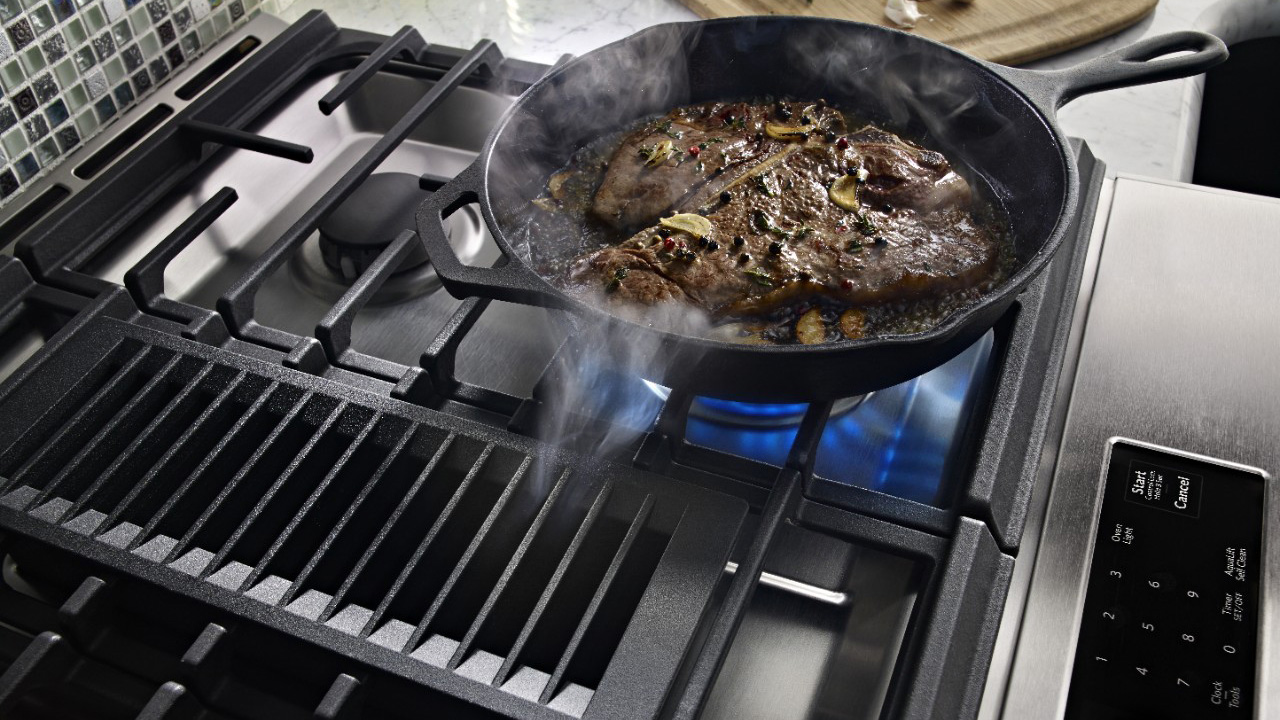
Credit: www.tomsguide.com
How Downdraft Stoves Compare To Traditional Range Hoods
Downdraft stoves are often compared to regular range hoods. Here’s a simple comparison to help you understand the main differences:
| Feature | Downdraft Stove | Traditional Range Hood |
|---|---|---|
| Airflow Direction | Downward | Upward |
| Location | In/behind cooktop | Above cooktop |
| Space Needed | Less (no overhead hood) | More (needs headroom) |
| Installation | Complex below counter | Complex above range |
| Effectiveness | Good for light/moderate cooking | Better for heavy/frequent cooking |
| Kitchen Design | Open, island-friendly | Standard wall setups |
As you can see, each system has its strengths and best uses.
The Science Of Downdraft Airflow
The way a downdraft stove works is based on some simple science. Hot air rises because it’s lighter than cooler air. But a downdraft vent uses a strong fan to pull the rising air down instead.
Here’s what happens:
- Strong suction: The fan must be powerful enough to overcome the natural rise of hot air.
- Placement matters: The vent must be close to the cooking surface, or it won’t catch the smoke and steam.
- Speed settings: Most downdraft systems have several fan speeds. Higher speeds are used for frying or grilling, lower for simmering.
If the fan isn’t strong enough, or if the vent is too far from the pan, the system won’t work well. That’s why installation and setup are so important.
Benefits Of Using A Downdraft Stove
Choosing a downdraft stove has several advantages, especially for certain kitchen layouts and cooking styles:
- Sleek, modern look: No bulky hood above your stove, leaving the space open and clean.
- Ideal for islands: Perfect for kitchen islands where an overhead hood is hard to install.
- Flexible design: Lets you put the stove almost anywhere in the kitchen.
- Good for open plans: Keeps sightlines clear in open kitchens.
- Space-saving: Frees up space above the cooktop for shelves or cabinets.
- Removes smoke and odors: Helps keep the kitchen air clean.
- Safer for low ceilings: No risk of hitting your head on a hood.
However, these benefits come with some trade-offs, which are important to consider.
Drawbacks And Limitations
Downdraft stoves are not perfect for every situation. Here are some common challenges:
- Less effective with heavy cooking: Not as good for deep frying, wok cooking, or grilling, which create lots of smoke.
- Requires strong fan: Needs a powerful blower, which can be noisy.
- Complex installation: Ducts must fit below the floor or cabinets, which isn’t always possible.
- Takes up cabinet space: The ductwork and blower may reduce storage under the cooktop.
- More expensive: Usually costs more than a basic range hood.
- Maintenance: Filters and ducts need regular cleaning.
- Not great for very large pans: Steam from big pots may escape before reaching the vent.
Many people love downdraft stoves for their style, but it’s important to know these limits before buying.
How To Choose The Right Downdraft Stove
If you’re thinking about a downdraft stove, keep these key points in mind when choosing:
- Kitchen layout: Make sure there’s space under the counter for ducts and the blower.
- Cooking habits: If you do a lot of frying or high-heat cooking, a downdraft may not be powerful enough.
- Ducting options: Is it possible to install ducts to the outside? If not, you’ll need a ductless system with filters.
- Size and power: Larger cooktops need stronger fans. Check the CFM (Cubic Feet per Minute) rating—the higher, the stronger.
- Noise level: Powerful fans can be loud. Look for models with sound insulation or variable speed.
- Maintenance needs: How easy is it to clean the filters and ducts?
- Budget: Include both the cost of the stove and installation.
Here’s a simple comparison of downdraft stove options:
| Type | Best For | Installation Difficulty | Price Range |
|---|---|---|---|
| Integrated Cooktop | New kitchens, island installs | Moderate | $$$ |
| Pop-Up Vent | Flexible use, retrofits | High | $$$-$$$$ |
| Range with Downdraft | All-in-one needs | Moderate | $$$ |
A common mistake is not checking if there’s enough space for the ducts. Always measure carefully and talk to an installer before buying.
Step-by-step: How A Downdraft Stove Is Used
Using a downdraft stove is simple, but there are some best practices to get the most out of it.
1. Preheat The Vent
Turn on the downdraft fan a few minutes before you start cooking. This gets the airflow moving and helps catch more smoke and steam.
2. Choose The Right Fan Speed
- Use a low setting for simmering or boiling.
- Use a high setting for frying, searing, or anything that smokes.
3. Use Proper Cookware Placement
Keep pans close to the vent slot or grille. If the vent is behind the burners, use the back burners for smoky dishes when possible.
4. Watch Large Pots
If you’re boiling or steaming in a big pot, steam may escape before the vent can catch it. Use lids to help direct steam toward the vent.
5. Clean Filters Regularly
Grease and odors can build up. Clean or replace filters as the manufacturer recommends, usually every few weeks or months.
6. Turn Off The Fan Last
After you finish cooking, leave the fan running for a few minutes to clear any remaining smoke or steam.
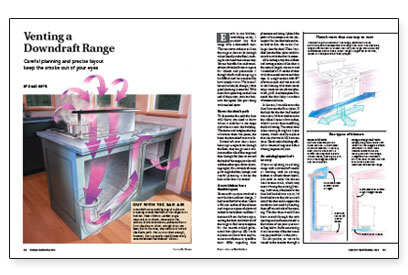
Credit: www.finehomebuilding.com
Real-world Example: Installing A Downdraft Stove
Imagine you’re remodeling your kitchen and want to put the cooktop in a large island. There’s no easy way to hang a hood from the ceiling. A downdraft cooktop or a pop-up vent is a great solution.
Here’s what the process looks like:
- The installer measures the island to make sure there’s enough space for the cooktop, vent, blower, and ducts.
- Ducts are run under the floor or through cabinets to an outside wall. If that’s not possible, a recirculating system with filters is installed.
- The cooktop and vent are set in place and connected to power.
- The system is tested for suction and noise.
This kind of setup gives you a clean, open kitchen with effective ventilation—if it’s planned well.
Common Mistakes When Using Downdraft Stoves
Even the best downdraft system can underperform if not used correctly. Here are common errors and how to avoid them:
- Not turning on the fan early: Always start the fan before you cook, not after smoke appears.
- Using the wrong burners: For smoky dishes, use burners closest to the vent.
- Ignoring filter maintenance: Dirty filters block airflow and reduce performance.
- Using oversized cookware: Large pans can block the vent or send steam away from the suction.
- Low fan speed for high-smoke dishes: Use high speed when frying or grilling.
Taking these simple steps will help your downdraft stove perform its best.
Maintenance And Cleaning Tips
Downdraft stoves need regular care to work well and last a long time. Here’s what you should do:
- Clean filters: Wash metal grease filters in warm, soapy water or the dishwasher every month.
- Replace charcoal filters: If you have a ductless system, replace charcoal filters as needed (usually every 6-12 months).
- Wipe vent surfaces: Grease and dust collect on the vent slot. Wipe with a damp cloth after use.
- Check ducts yearly: Make sure ducts are not blocked by dust, grease, or pests.
- Fan and motor check: Listen for strange noises; get the fan serviced if needed.
This regular care keeps your downdraft stove safe and efficient.
Energy Efficiency And Noise
Downdraft stoves use electric fans that can draw a lot of power, especially at high speeds. They are not the quietest appliances, especially compared to some modern range hoods with sound insulation.
- CFM rating: Higher numbers mean more airflow but often more noise.
- Variable speed: Using lower speeds when possible saves energy and reduces noise.
- Proper ducting: Short, straight ducts move air more efficiently and quietly.
If noise is a concern, look for models with insulated fans or check reviews for real-world feedback.
The Future Of Downdraft Technology
Manufacturers are always improving downdraft systems. Some new features include:
- Stronger, quieter fans: New motors offer more suction with less noise.
- Smart controls: Some stoves adjust fan speed automatically based on cooking activity.
- Advanced filters: Better filters remove more odors and grease.
- Integration with smart homes: Downdraft stoves can now connect to home automation systems.
These advances make downdraft stoves more effective and easier to use than ever before.
Who Should Choose A Downdraft Stove?
A downdraft stove is best for:
- People with kitchen islands or open layouts.
- Homeowners who want a clean, modern look.
- Those who cook light to moderate meals, not heavy frying or grilling every day.
- Renovations where installing a hood is difficult or impossible.
It’s less ideal if you do a lot of high-heat cooking or need the most powerful ventilation.
Downdraft Stove Brands And Popular Models
Several brands offer quality downdraft stoves and pop-up vents. Some of the best-known include:
- JennAir: Known for stylish, high-performance downdraft cooktops.
- KitchenAid: Offers both integrated and pop-up downdraft systems.
- GE Appliances: Makes ranges and cooktops with downdraft vents.
- Bosch: High-end pop-up vent systems for modern kitchens.
- Frigidaire: Budget-friendly options with solid performance.
When choosing a brand, check for:
- Warranty
- Service availability
- User reviews
- Features matching your needs
For more details on models and features, you can visit Wikipedia’s kitchen ventilation page.
Practical Insights Most Beginners Miss
Many first-time buyers overlook these points:
- Airflow path: The air must travel from the pan, through the vent, ducts, and outside (or through filters). Any bends or long ducts can reduce performance. Plan your duct route carefully.
- Make-up air: As air leaves your kitchen, new air must come in. In tightly sealed homes, downdraft stoves can create negative pressure, making doors slam or pulling in outside odors. Some local codes require a makeup air system for downdrafts above a certain CFM.
- Compatibility: Not all cabinets, counters, or kitchen layouts work with downdraft systems. Check with your installer before you buy.
These details often go unnoticed but can make or break your satisfaction with a downdraft stove.
Downdraft Stove Safety
Safety is a big concern in any kitchen. Here’s what you need to know:
- Electrical safety: All downdraft systems require wiring. Have a licensed electrician do the work.
- Fire risk: Grease can build up in filters and ducts. Clean them regularly to avoid fire hazards.
- Ventilation codes: Some areas require specific ventilation rates or makeup air. Check your local building codes before installing.
Proper installation and maintenance keep your kitchen safe and comfortable.
Frequently Asked Questions
How Effective Are Downdraft Stoves Compared To Range Hoods?
Downdraft stoves work well for most light to moderate cooking. They may not remove as much smoke or steam as a strong overhead range hood, especially for heavy frying or grilling. For most home cooks, they’re effective enough if used correctly.
Can I Install A Downdraft Stove In Any Kitchen?
Not always. You need enough space under the counter for the blower and ducts, and a way to vent air outside or use filters. Some kitchens, especially in apartments or older homes, may not be suitable without big changes.
Do Downdraft Stoves Need Special Maintenance?
Yes, they need regular cleaning. Grease filters should be washed often, and charcoal filters replaced as needed. Ducts should be checked yearly for blockages. This keeps airflow strong and the kitchen safe.
Are Downdraft Stoves Noisy?
They can be, especially at high speeds. The fan is powerful to overcome the upward movement of hot air. Some newer models have quieter motors or sound insulation, but all downdraft systems make some noise.
What Is The Average Cost Of A Downdraft Stove?
Prices vary widely. Most downdraft cooktops cost between $1,500 and $3,000, with pop-up vents sometimes costing more. Installation adds to the price, especially if ducts must be added or changed. Always get a full quote before starting your project.
Modern kitchens demand both style and performance. Downdraft stoves offer a unique solution, blending design flexibility with practical ventilation. If you cook often and want a clear, open kitchen, a downdraft stove could be an ideal choice—just make sure to plan carefully, maintain the system, and use it wisely to enjoy years of clean, comfortable cooking.
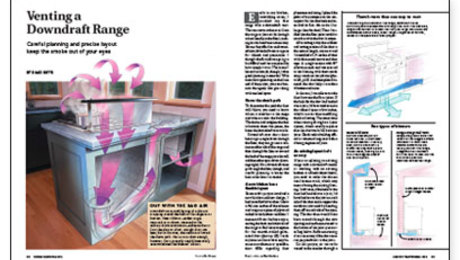
Credit: www.finehomebuilding.com