
How Long Do De Filter Grids Last
If you own a pool, you know clean water is important. DE filter grids are a key part of keeping your pool sparkling. But how long do these grids really last? This question matters because replacing them can be costly and time-consuming. Many pool owners aren’t sure if their grids are doing their job, or when it’s time for new ones. Understanding the lifespan of DE filter grids can help you plan better, save money, and avoid unexpected problems. In this guide, you’ll learn everything about DE filter grids, what affects their lifespan, signs they need replacement, and tips to make them last longer. You’ll get practical advice, real examples, and clear answers—so you can keep your pool safe and clean, year after year.
What Are De Filter Grids?
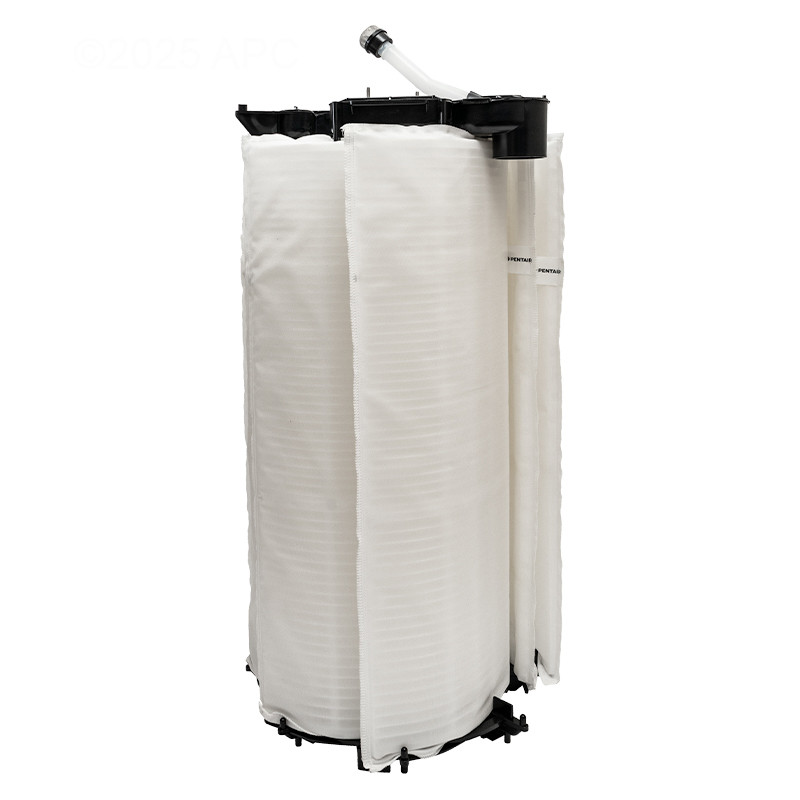
DE filter grids are the heart of a diatomaceous earth (DE) pool filter. These grids are made from fabric, often polyester or polypropylene, wrapped around a plastic frame. The grids hold the DE powder, which traps dirt, algae, and tiny particles as water passes through. This makes DE filters one of the most effective ways to clean pool water.
A typical DE filter has 8 to 10 grids inside. Each grid is shaped like a curved panel. Water flows through the grids, and the DE powder forms a layer that catches debris. After some time, the powder and trapped dirt need to be washed off and replaced.
The grids themselves can last for years, but not forever.
Many people confuse the DE powder with the grids. The powder is replaced often, while the grids are reused until they wear out. The lifespan of a grid depends on how well you take care of it, the quality of the materials, and how much your pool is used.
Average Lifespan Of De Filter Grids
Most pool experts agree that DE filter grids last between 5 to 7 years. This is not a fixed number. Some grids will last only 4 years, others may work for 8 years or more. The lifespan depends on several factors:
- Water chemistry: If your pool water is balanced, grids last longer.
- Cleaning frequency: Over-cleaning or harsh cleaning shortens grid life.
- Usage: Pools used more often wear grids faster.
- Quality of grids: High-quality grids last longer than cheaper ones.
Here is a comparison of expected lifespans:
| Grid Quality | Average Lifespan | Typical Usage |
|---|---|---|
| Low Quality | 3-5 years | Heavy cleaning, frequent use |
| Standard Quality | 5-7 years | Normal maintenance, average use |
| Premium Quality | 7-10 years | Careful cleaning, balanced water |
The range is wide, but most grids fall somewhere in the middle. If you buy premium grids and take care of them, you can expect them to last longer.
What Shortens Grid Lifespan?
Many pool owners do not realize how easy it is to damage DE filter grids. Here are the main things that make grids wear out faster:
1. Unbalanced Water Chemistry
If your pool water has too much chlorine, high pH, or low calcium, the fabric on the grids can break down. Acidic water eats away at the material. Alkaline water can cause scaling and blockages. Keeping water balanced is one of the most important ways to protect your grids.
2. Rough Cleaning Techniques
Some people use power washers or strong brushes to clean grids. This can rip the fabric or bend the frame. Grids should be cleaned gently, using only water and mild soap if needed.
3. Over-cleaning
It seems logical to clean your grids often, but too much cleaning wears them out. Each time you remove, wash, and replace them, the fabric stretches and the frame can weaken. Clean only as needed—usually 2-4 times per year.
4. Chemical Soaking
Soaking grids in harsh chemicals like acid or bleach can damage the fabric. If you need to deep clean, use a recommended filter cleaner, not strong household chemicals.
5. Physical Damage
Dropping, bending, or squeezing grids can cause tears or cracks. Always handle grids with care. Store them safely when not in use.
6. Old De Powder Build-up
If you do not clean off old DE powder, the grids can become clogged. This puts stress on the fabric and frame, making them wear out faster.
Non-obvious insight: Many people forget that leaving grids dry for long periods can also weaken the material. Always store grids moist or in the filter when possible.
Signs That De Filter Grids Need Replacing
Knowing when to replace your DE filter grids is not always easy. Here are the main signs:
1. Tears Or Holes
Check the fabric for visible tears or holes. Even small holes let dirty water pass through. If you see damage, it’s time for new grids.
2. Flattened Or Warped Grids
Grids should be curved and firm. If they look flattened or bent, the frame is weak. This reduces filtering power.
3. Persistent Cloudy Water
If your pool stays cloudy even after adding new DE powder, the grids may be worn out. They cannot hold the powder properly, so dirt slips through.
4. De Powder Leaks
If you see DE powder leaking back into the pool, it means the grids are not sealing well. This often happens when the fabric is torn or the frame is cracked.
5. Increased Pressure
If your filter’s pressure gauge stays high, even after cleaning, the grids may be clogged or damaged. This is a sign they need replacement.
6. Age
If your grids are older than 5-7 years, consider replacing them even if they look okay. Old grids can fail suddenly.
Non-obvious insight: Sometimes grids lose their ability to hold DE powder, even if they look fine. Check for powder returning to the pool after each backwash.

Credit: www.amazon.com
Factors That Affect De Filter Grid Lifespan
Understanding what affects grid lifespan helps you make smart choices. Here are the main factors:
Pool Size And Usage
Large pools and pools used often put more stress on filter grids. More water means more dirt to catch. If your pool is used daily, expect grids to wear out faster.
Water Chemistry
Balanced water protects grids. Test your water weekly for pH, chlorine, calcium, and alkalinity. Aim for:
- PH: 7.4–7.6
- Chlorine: 1–3 ppm
- Calcium: 200–400 ppm
- Alkalinity: 80–120 ppm
Cleaning Habits
Gentle cleaning preserves grid life. Avoid brushes, power washers, and harsh chemicals. Rinse with water and use approved filter cleaners.
Brand And Quality
Premium brands use better materials and stronger frames. Cheap grids often fail sooner. Investing in quality pays off over time.
Environmental Conditions
Pools exposed to harsh sunlight, rain, or cold can cause grids to break down. If your filter is outside, cover it when possible.
Maintenance Routine
Regular maintenance keeps grids healthy. Clean grids as recommended, check for damage, and store them properly.
How To Make De Filter Grids Last Longer
You can extend the life of your DE filter grids with a few smart habits. Here is a simple guide:
1. Balance Your Water
Test your water every week. Keep pH, chlorine, calcium, and alkalinity in the right range. This protects the fabric and frame.
2. Clean Gently
When cleaning, rinse grids with a hose. Use mild soap if needed. Avoid brushes or power washers.
3. Use Approved Cleaners
If you need to deep clean, buy a filter cleaner made for DE grids. Do not use acid, bleach, or other harsh chemicals.
4. Avoid Over-cleaning
Clean grids only as needed. Usually, 2-4 times per year is enough.
5. Handle With Care
Remove and install grids gently. Do not bend or squeeze them. Store them in a safe place.
6. Replace De Powder Regularly
Always use fresh DE powder after cleaning. Old powder can clog grids.
7. Protect From Sun And Weather
If your filter is outside, cover it. Sunlight and rain can damage grids.
8. Inspect Often
Check grids for tears, holes, or warping every time you clean them.
9. Upgrade To Premium Grids
If your grids fail often, consider buying premium models. They last longer and filter better.
10. Keep Grids Moist When Storing
If you store grids outside the filter, keep them moist. Dry grids can crack or shrink.
Comparing De Filter Grids With Other Pool Filters
Many pool owners wonder how DE filter grids compare to other types of pool filters. Here’s a quick comparison:
| Filter Type | Average Lifespan | Filtration Ability | Maintenance |
|---|---|---|---|
| DE Filter Grids | 5-7 years | Excellent (down to 2-5 microns) | Moderate (needs regular cleaning) |
| Cartridge Filters | 2-3 years | Good (down to 10-20 microns) | Easy (rinse cartridges) |
| Sand Filters | 5-7 years (sand) | Fair (down to 20-40 microns) | Easy (backwash) |
DE filter grids offer the best filtration, but require more care than other types. Cartridge filters are easier to clean but need more frequent replacements. Sand filters are simple but don’t clean as well.
Cost Of Replacing De Filter Grids
Replacing DE filter grids is not cheap. Prices depend on the brand, size, and quality. Here’s what you can expect:
- Standard grids: $80–$120 for a full set (8 grids)
- Premium grids: $150–$250 for a full set
- Labor: If you hire a pro, add $60–$150 for installation
Some grids can be bought individually, but it’s best to replace all at once for even filtration. Buying premium grids costs more upfront, but saves money over time.
Here is a comparison of costs:
| Grid Type | Set Price | Estimated Lifespan | Annual Cost |
|---|---|---|---|
| Standard | $100 | 6 years | $17 |
| Premium | $200 | 9 years | $22 |
Non-obvious insight: Replacing grids before they fail can prevent expensive repairs to your filter tank. Old grids can break and damage other parts.
Credit: www.eztestpools.com
Step-by-step: Checking And Replacing De Filter Grids
If you suspect your grids are worn out, follow these steps:
1. Turn Off Pump And Release Pressure
Always turn off the pump and open the air relief valve. This prevents injury.
2. Remove Filter Tank Lid
Open the tank carefully. Use proper tools. Some lids need a wrench.
3. Take Out Grids
Pull out the grid assembly. Remove each grid gently.
4. Inspect Grids
Look for tears, holes, warping, or cracks. Check both sides.
5. Clean Grids
If grids are dirty but undamaged, rinse with water. Use mild soap if needed.
6. Replace Damaged Grids
If you see damage, install new grids. Make sure they fit correctly.
7. Reassemble Filter
Put the grid assembly back. Seal the lid tightly.
8. Add Fresh De Powder
Start the pump. Add new DE powder as recommended.
9. Watch For Leaks Or Pressure Changes
After replacing grids, check for leaks or high pressure. If you see problems, recheck your installation.
Practical tip: Always buy grids from a trusted dealer. Cheap copies can fail early and void your filter warranty.
Common Mistakes When Dealing With De Filter Grids
Pool owners often make mistakes that shorten grid life or cause filter problems. Here are the most common:
1. Using Wrong De Powder Amount
Too much DE powder clogs grids. Too little lets dirt pass through. Always use the amount recommended by your filter manufacturer.
2. Cleaning With Strong Chemicals
Acid or bleach damages grid fabric. Use only approved cleaners.
3. Skipping Regular Maintenance
Ignoring cleaning schedules leads to clogged or damaged grids.
4. Replacing Only One Grid
Replacing a single damaged grid can cause uneven filtration. Replace all grids together.
5. Ignoring Water Chemistry
Unbalanced water breaks down grids quickly.
6. Rough Handling
Dropping or bending grids causes tears and cracks.
7. Storing Grids Dry
Dry storage can shrink or crack grids. Keep grids moist when possible.
De Filter Grid Maintenance Schedule
A clear maintenance schedule helps grids last longer. Here’s a sample plan:
- Weekly: Test water chemistry. Adjust as needed.
- Monthly: Check filter pressure. If pressure is high, clean grids.
- Quarterly (every 3 months): Remove and rinse grids. Inspect for damage.
- Annually: Deep clean grids with approved filter cleaner. Replace if needed.
- Every 5–7 years: Replace all grids, even if they look okay.
Following this routine keeps your pool water clear and your grids healthy.
Real-life Examples: De Filter Grid Lifespans
Here are a few real-life stories from pool owners:
- Case 1: Family Pool
A family used their pool daily in summer, cleaned grids every three months, and kept water balanced. Their grids lasted 6 years.
- Case 2: Hotel Pool
The hotel pool was used heavily. Staff cleaned grids monthly and sometimes used acid. Grids lasted only 3 years before tearing.
- Case 3: Premium Grids in Mild Climate
A pool owner bought premium grids, cleaned gently, and stored grids moist. The grids lasted 9 years with no issues.
These examples show how usage, cleaning, and climate affect grid lifespan.

Credit: diy.inyopools.com
Environmental Impact Of De Filter Grids
DE filter grids are made of plastic and fabric. When grids wear out, they are thrown away. This creates waste. Some brands use recyclable materials, but not all. To reduce impact:
- Choose brands that offer recyclable grids
- Avoid harsh cleaning chemicals—they pollute water
- Replace grids only when needed
DE powder itself is natural, but spent powder should be disposed of properly.
Expert Tips For Pool Owners
Pool professionals recommend these tips for getting the most from your DE filter grids:
- Buy premium grids if you plan to use your pool often
- Inspect grids every time you clean—catch problems early
- Keep a log of cleaning and replacement dates
- Follow manufacturer instructions for DE powder and cleaning
- Ask your dealer about warranty on grids
If you have questions, ask a local pool expert or check trusted sources like SwimmingPool.com.
Frequently Asked Questions
How Often Should I Replace De Filter Grids?
Most DE filter grids should be replaced every 5–7 years. If you notice tears, holes, or poor filtration, replace sooner.
Can I Clean De Filter Grids With A Power Washer?
No, never use a power washer. It can tear the fabric and bend the frame. Always rinse gently with a hose.
What Happens If I Use Old De Filter Grids?
Old grids cannot hold DE powder well. Dirt can slip through, causing cloudy water and possible filter damage.
Is It Okay To Replace Only One Damaged Grid?
It’s best to replace all grids at once. Mixing old and new grids can cause uneven filtration and more problems.
Are Premium De Filter Grids Worth The Extra Money?
Yes, premium grids last longer and filter better. They cost more upfront but save money and trouble over time.
Pool maintenance is easier when you understand how long your DE filter grids last and how to care for them. With the right habits, you’ll get clear water, save money, and enjoy your pool for years. Remember to check your grids regularly, balance your water, and replace grids before they fail.
That way, your pool stays safe, clean, and ready for fun.