
If you use well water at home, you probably depend on a well pressure switch every day. This small device quietly manages your water flow, turning your well pump on and off to keep water pressure stable. But like all mechanical parts, pressure switches do not last forever. If you have ever wondered, “How long does a well pressure switch last?” you’re not alone. The answer is not simple, but knowing what affects its lifespan can help you avoid unexpected water problems and costly repairs.
Let’s explore how long you can expect your well pressure switch to last, what factors influence its life, how to spot problems early, and what you can do to make it last longer. Whether you’re a homeowner, a DIY enthusiast, or just want to understand your water system better, this guide offers clear answers and practical tips.
What Is A Well Pressure Switch?
A well pressure switch is a small but crucial device in a well water system. Its main job is to monitor the water pressure inside your home’s plumbing. When the pressure drops below a set point (called the “cut-in” pressure), the switch turns the well pump on. When the pressure reaches a higher set point (the “cut-out” pressure), it turns the pump off.
You’ll usually find the pressure switch mounted near the pressure tank. It’s often a gray box with wires leading to your pump and power supply. Inside, metal springs and contacts move to open or close the electrical circuit based on pressure readings.
This simple on-off control keeps your water pressure steady and helps prevent the pump from running non-stop.
Many people don’t think about their pressure switch until something goes wrong. But understanding this device is key to keeping your water running smoothly.
Average Lifespan Of A Well Pressure Switch
The typical lifespan of a well pressure switch is between 5 and 10 years. However, this is only a general range. Some switches may last as little as 2 years, especially in tough conditions, while others can work well for 12 years or more if maintained carefully.
Here’s a quick look at pressure switch lifespan under different conditions:
| Condition | Expected Lifespan |
|---|---|
| Normal household use | 5-10 years |
| High sediment or iron in water | 2-5 years |
| Soft, clean water + regular maintenance | 8-12 years |
| Frequent power surges | 2-7 years |
Why is there such a wide range? The answer lies in how and where the switch is used, the quality of the water, and the type of equipment. Some switches are built with more durable materials, while others are more basic. The way your well and plumbing system are set up also plays a role.
What Factors Affect Well Pressure Switch Lifespan?
Many factors work together to determine how long your pressure switch will last. Some are obvious, but others are often overlooked by homeowners.
1. Water Quality
One of the biggest enemies of pressure switches is poor water quality. If your water has high sediment, iron, sand, or minerals, these can build up inside the switch. Over time, this causes the moving parts to stick or corrode. Even a small amount of rust or grit can stop the contacts from working.
For example, homes with lots of iron in their water often see switches fail in just a few years. Installing a good sediment filter can make a big difference and help the switch last longer.
2. Frequency Of Pump Cycling
Every time your pump turns on and off, the switch’s contacts move. If your system cycles too often—maybe due to a leaking tank, small pressure tank, or high water demand—the contacts wear out much faster. A system that “short cycles” (turns on and off quickly, many times per hour) can burn out a switch in a year or two.
Tip: If you hear your pump turning on and off a lot, have your system checked. Fixing the cause can double the life of your pressure switch.
3. Electrical Surges And Power Quality
Pressure switches are electrical devices. Surges from lightning, poor wiring, or unstable power can damage the contacts or burn out the coil inside. In areas with frequent storms, switches may fail more often.
Power surge protectors and proper grounding help protect your pressure switch from these problems.
4. Humidity And Corrosion
Pressure switches are often installed in damp, dark places like basements or well pits. High humidity can cause the metal parts inside to corrode. This is worse if your area has salty air or if the well is near the coast.
Rusty contacts don’t carry electricity well, so the switch struggles to turn the pump on or off. Over time, this leads to failure.
5. Installation And Equipment Quality
Not all pressure switches are created equal. Cheaper models use thinner metal and lower quality parts, which may last only a few years. More expensive, heavy-duty switches can handle higher cycles and resist corrosion better.
Installation quality also matters. Loose wiring, poor sealing, or mounting the switch in the wrong place can all shorten its life.
6. Regular Maintenance
Neglect is a silent killer. Dust, insects, and spider webs can get inside the switch box, causing problems. Regular cleaning and checking connections help catch small issues before they become big ones.
Non-obvious insight: Many homeowners never look at their pressure switch until the water stops. A quick check every few months can spot corrosion or stuck contacts early.
Common Signs Your Pressure Switch Is Failing
A well pressure switch rarely fails without warning. If you know what to watch for, you can often catch problems before you lose water completely.
- Pump won’t turn on or off: The most obvious sign. If your pump does not start when pressure drops, or does not stop at the right pressure, the switch may be stuck or broken.
- Rapid cycling: If the pump turns on and off every few seconds or minutes, the contacts may be worn or pitted.
- Clicking but no water: You may hear the switch “click,” but nothing happens. This could mean bad contacts or a broken spring.
- Burned or melted smell: Electrical burning smells from the switch box are a sign of overheated contacts.
- Visible corrosion or rust: Open the cover and look for green, white, or brown buildup on the contacts or springs.
- Inconsistent water pressure: Water pressure in your home drops or surges without warning, even when the pump is running.
Not all problems are caused by the switch itself. Sometimes, a failed pressure tank or clogged filter can cause similar symptoms. But if you see one or more of these signs, check the switch first.

Credit: teamaustin.com
How To Test A Well Pressure Switch
If you suspect your pressure switch is failing, you can test it with a few simple steps. Always use caution—this device carries live electricity.
- Turn off power: Before opening the switch box, shut off the breaker to the well pump.
- Check for obvious damage: Look inside for rust, melted parts, or loose wires.
- Press the contact lever: Most switches have a small lever you can press with a screwdriver. If the contacts do not move or spark, they may be stuck.
- Test with a multimeter: Set a multimeter to check voltage. With the cover off and power on (if safe), test for voltage on the “load” side (to the pump) when the switch is “on.” No power means the contacts are bad.
- Listen for clicks: When the pressure changes, the switch should click on and off. No click means the mechanism is stuck.
If you’re not comfortable testing electrical parts, it’s best to call a professional. Electricity is dangerous, and mistakes can be costly.
How To Extend The Life Of Your Pressure Switch
With proper care, a pressure switch can last much longer. Here are some practical steps to get the most from your switch.
1. Install A Sediment Filter
Even if your water looks clean, fine sand or grit can damage the switch. A simple sediment filter before the pressure tank keeps debris out of the switch and other parts.
2. Keep The Area Dry
Moisture is the enemy of metal parts. If your well equipment is in a damp spot, try to improve drainage or use a dehumidifier. Keep the switch mounted above ground if possible.
3. Check The Pressure Tank Regularly
A failing pressure tank (waterlogged or with a broken bladder) causes the pump to cycle too often. This is hard on the switch. Test your tank’s air pressure every 6–12 months and keep it at the manufacturer’s recommended level.
4. Tighten Electrical Connections
Loose wires cause arcing and heat, which can burn out the switch. Every few months, check that all connections are tight and clean.
5. Use A Surge Protector
A surge protector or pump controller with built-in protection helps prevent damage from lightning or power spikes.
6. Clean The Switch Box
Dust, bugs, and spider webs inside the box can cause trouble. Turn off power and wipe the box clean every year.
Non-obvious tip: If you live in an area with many insects, seal small holes in the switch box with caulk or foam.
7. Buy A Quality Switch
If you need to replace your switch, don’t always choose the cheapest model. Well-known brands and switches rated for heavy duty or corrosion resistance usually last longer.
Pressure Switch Replacement: What To Expect
Even with the best care, all switches will fail eventually. Replacing a well pressure switch is a common repair. Here’s what you can expect:
- Cost: Most pressure switches cost between $20 and $60 for basic models, up to $150 for heavy-duty types. Labor from a plumber or well technician may add $100–$250, depending on your area and the complexity of the job.
- Time: A skilled person can replace a switch in 30–60 minutes. It’s usually a straightforward job if the wiring and plumbing are in good condition.
- DIY or professional? If you are comfortable with simple electrical work and know how to turn off the power safely, you can do this job yourself. If not, hire a professional. A mistake could damage your pump or cause a shock hazard.
Practical tip: When replacing, take a photo of the wiring before disconnecting anything. This helps you reconnect wires correctly.
Do Different Brands And Types Last Longer?
Not all pressure switches are the same. The brand and model you choose can affect how long it lasts. Some things to compare:
| Type | Lifespan | Best For | Notes |
|---|---|---|---|
| Standard (plastic case) | 5-8 years | Normal household use | Most common, low cost |
| Heavy-duty (metal case) | 8-12 years | High water use, well pits | Resists corrosion better |
| Digital/Electronic | 7-15 years | Constant pressure systems | More expensive, more precise |
| Low-pressure cut-off | 6-10 years | Protects pump from dry run | Shuts off on low pressure |
Brand matters too. Well-known brands like Square D, Furnas, and Franklin Electric usually have better quality control and longer warranties.
How Well System Design Affects Pressure Switch Life
The way your well system is designed can greatly change how long your switch lasts. Here are some examples:
- Pressure tank size: A larger tank means fewer pump cycles, so the switch lasts longer.
- Location: If the switch is mounted outside, it faces more moisture and temperature swings.
- Pump horsepower: High HP pumps draw more current, which is harder on the switch.
- Type of water use: Homes with irrigation, livestock, or heavy water use cycle their pumps more.
Real-world example: A small house with a 44-gallon pressure tank may see a switch last over 10 years. A farm with a small tank and frequent irrigation may burn out switches every 2–3 years.
Myths And Mistakes About Well Pressure Switches
Many homeowners misunderstand how their pressure switch works. Let’s clear up some common myths:
- Myth: “If my pump keeps cycling, I just need a new switch.”
- Fact: Rapid cycling is usually a tank or plumbing problem, not the switch itself.
- Myth: “All switches are the same.”
- Fact: Quality and features vary widely. Cheap switches often fail early.
- Myth: “If my water pressure is low, the switch is bad.”
- Fact: Low pressure is usually a sign of a clogged filter, bad tank, or pump problem.
- Myth: “A stuck switch means I need a new well pump.”
- Fact: Replacing the switch is far cheaper and often solves the problem.
- Mistake: Ignoring small signs like clicking or rust. These often mean the switch is starting to fail.
Understanding these points can save you money and avoid unnecessary repairs.

Credit: tx1source.com
Real-life Case Studies: Pressure Switch Lifespans
To show how different factors affect switch life, here are some real examples from homeowners and well technicians:
- Case 1: A family in rural Texas with a high-iron well replaced their switch every 3 years, until they installed a whole-house filter. The next switch lasted 9 years.
- Case 2: A New York homeowner with a well in a dry basement, large pressure tank, and clean water had a switch last 13 years before needing replacement.
- Case 3: On a horse farm, frequent irrigation and a small tank caused switches to fail every 2 years. Upgrading to a bigger tank doubled the switch lifespan.
What do these stories show? Small changes in water quality, tank size, or maintenance can add years to your switch’s life.
How Well Pressure Switches Compare To Other Well Parts
It’s helpful to see how the pressure switch’s lifespan stacks up against other key parts in your well system.
| Component | Average Lifespan | Main Risks |
|---|---|---|
| Pressure Switch | 5-10 years | Wear, corrosion, short cycling |
| Pressure Tank | 7-15 years | Bladder failure, rust |
| Submersible Pump | 8-15 years | Motor failure, sand, dry run |
| Pump Control Box | 10-20 years | Electrical surges, water damage |
| Check Valve | 5-10 years | Sediment, wear |
The pressure switch is one of the more “wear and tear” parts, but it’s also one of the cheapest and easiest to replace.
Environmental Impact: Disposal And Recycling
When a well pressure switch fails, what happens to it? Most switches are made of metal, plastic, and a small amount of electronic parts. While not hazardous, old switches should not be thrown in the regular trash if you can avoid it.
- Metal parts: Can often be recycled with scrap metal.
- Plastic: Usually not recycled, but check local rules.
- Electronics: Some recycling centers accept switches as “e-waste.”
Proper disposal keeps metals and chemicals out of the environment. If you hire a professional, ask if they recycle old parts.
When Should You Replace A Pressure Switch (even If It’s Not Dead)?
Sometimes, it’s smart to replace your pressure switch before it fails completely. Here are good reasons:
- If you see visible corrosion or rust
- If the contacts are pitted or blackened
- If your system has short-cycled for a long time
- If you are upgrading your pump or tank
- If your switch is over 10 years old and you rely on your well daily
Waiting until the switch fails can leave you without water at the worst time—like in the middle of the night or during a busy day.
Professional Maintenance Vs. Diy: What’s Best For You?
Some well owners like to do their own maintenance. Others prefer to call a pro. Both approaches work, but consider:
- If you are comfortable with basic electrical safety and can use a screwdriver and multimeter, you can check and replace a pressure switch yourself.
- If your system is old, complicated, or hard to reach, or if you are not sure, hire a licensed well contractor.
- Many well companies offer yearly checkups. This can catch switch problems before they become emergencies.
Non-obvious tip: Some home insurance policies require professional maintenance for well equipment. Check your policy if you want to avoid surprises during a claim.
What To Do If Your Pressure Switch Fails Unexpectedly
If your pressure switch fails, you may suddenly lose all water. Here’s what to do:
- Check your circuit breaker to make sure power is on.
- Open the switch box and look for obvious signs of burning, rust, or damage.
- Reset the switch if it has a manual lever (often labeled “auto/off”).
- Call a professional if you can’t get water or are unsure about the repair.
- Avoid forcing the pump to run by bypassing the switch—this can damage your pump or pipes.
Having a spare pressure switch on hand can be a lifesaver, especially in rural areas where parts stores are far away.
Key Takeaways For Homeowners
- Most well pressure switches last 5–10 years, but careful maintenance can push this much longer.
- Sediment, cycling frequency, and power surges are the biggest threats to switch life.
- Watch for early signs of trouble: Rapid cycling, inconsistent pressure, or clicking noises.
- Replacing a pressure switch is a simple and affordable repair compared to other well parts.
- High-quality switches, good installation, and regular cleaning are the best ways to make your switch last.
If you want to dive deeper into how water systems work, check out resources from the U.S. Environmental Protection Agency.
Frequently Asked Questions
How Do I Know If My Well Pressure Switch Is Bad Or My Tank Is The Problem?
If your pump cycles on and off too quickly, it’s often a pressure tank problem (like a waterlogged tank). If the pump won’t turn on or off at all, or if you see sparks or burning at the switch, it’s likely the switch itself.
Testing both with a multimeter and pressure gauge helps pinpoint the issue.
Can I Clean And Reuse A Well Pressure Switch?
You can sometimes clean minor corrosion or debris from the contacts if the switch is only a few years old and otherwise in good shape. However, if the contacts are pitted or burned, or if the springs are rusty, replacement is best.
Cleaning is only a short-term fix.
How Much Does It Cost To Replace A Well Pressure Switch?
The switch itself usually costs $20 to $60 for most homes. Professional installation adds $100–$250. DIY replacement is much cheaper if you have basic tools and electrical knowledge. Always turn off power before working on the switch.
What Happens If I Ignore A Failing Pressure Switch?
Ignoring the problem can leave you without water, damage your well pump, or even cause electrical hazards. A stuck switch can make your pump run constantly, overheating it. Early replacement is far cheaper than fixing a burned-out pump.
Are Electronic Or Digital Pressure Switches Better Than Mechanical Ones?
Digital switches can offer more accurate control and may last longer, especially in tough environments. They cost more and may require professional installation. For most homes, a good quality mechanical switch works well and is easy to replace.
Keeping your well pressure switch in good shape is key to reliable water at home. With regular care and attention, you’ll avoid most common problems and get the longest life possible from this essential device.
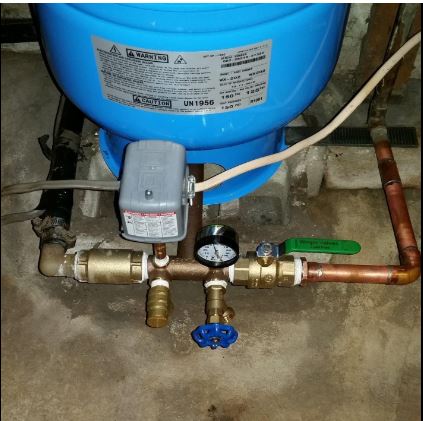
Credit: advancepumpandfilter.com