
Building a pool is exciting, but there’s one step that makes many homeowners nervous: pouring concrete around the pool. This is not just about looks. The timing affects the pool’s safety, strength, and how long it lasts. If you rush, cracks may appear. If you wait too long, your backyard project may stall. So, how long should you wait before pouring concrete around your pool? The answer is not simple, but it’s vital to get it right.
This guide explains the full process—how long to wait, why waiting matters, and what happens if you don’t. You’ll learn about soil settling, pool types, weather effects, and practical tips for a perfect finish. Whether you’re a homeowner or a contractor, the goal is clear: a strong, beautiful pool deck that stands the test of time.
Why Waiting Matters: The Risks Of Rushing Concrete Pour
Pouring concrete too soon can cause expensive problems. If the ground under the pool and deck is not stable, the concrete may crack or settle unevenly. Sometimes, leaks develop if the pool shell is not fully cured. For example, a pool that looks perfect at first may show cracks after a few months—especially if heavy rains or shifting soil affect the area.
Here are key risks if you pour concrete without waiting enough:
- Structural cracking: Concrete poured on unsettled ground will crack, even with good reinforcing.
- Deck movement: The deck may sink or tilt if the soil settles after pouring.
- Water leaks: If the pool shell hasn’t cured, water may leak under the deck.
- Tile and coping failure: The decorative edge may loosen if concrete shrinks or moves.
Waiting helps prevent these issues. It gives the pool shell time to cure, the soil time to settle, and the builder time to check for leaks.
Understanding Pool Construction Phases
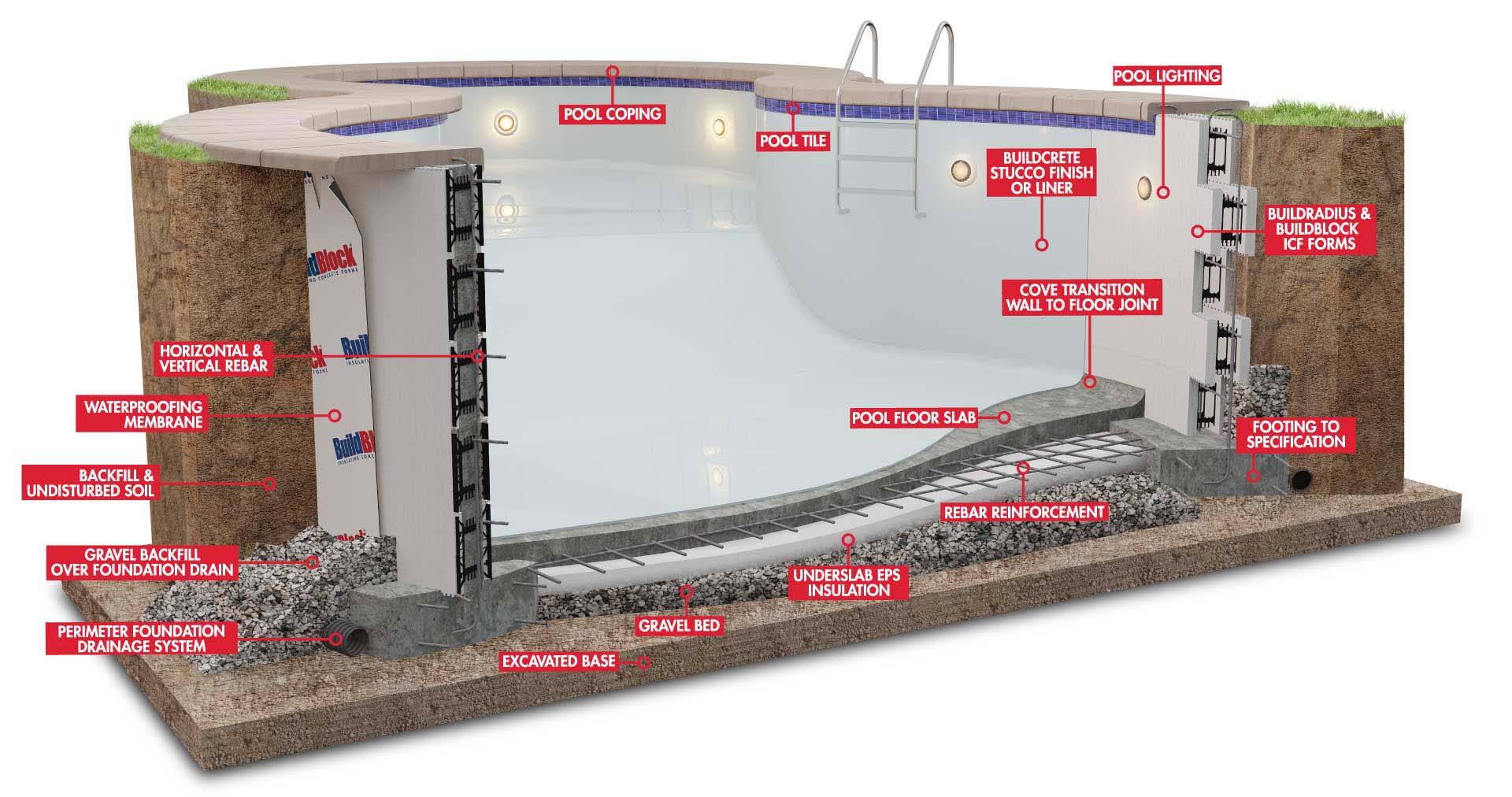
Before you pour concrete, you need to understand the steps of pool construction. Each phase affects when you can safely pour concrete around the pool.
- Excavation: Digging the hole for the pool. This disturbs the ground and may cause soil to settle.
- Pool Shell Installation: Building the pool shell (concrete, fiberglass, or vinyl). Concrete pools need curing time.
- Backfilling: Filling the space around the pool shell with soil or gravel. This area must settle before pouring concrete.
- Plumbing and Electrical: Installing pipes and wires. These must be tested for leaks.
- Coping and Tile: Adding the decorative edge and pool tiles. These should be set before concrete.
- Concrete Pour: Pouring the deck or patio around the pool.
Each step must be finished and checked before moving to the next. Missing a step or rushing can cause problems later.
How Long To Wait: Typical Timelines For Different Pool Types
The best waiting time depends on the type of pool and the soil conditions. Here’s a breakdown for each pool type:
Concrete (gunite Or Shotcrete) Pools
Concrete pools are the most common, but they need the longest wait. The shell must cure before you pour concrete around it.
- Minimum wait time: 28 days after shell is sprayed
- Ideal wait time: 30–45 days for full curing and soil settlement
Concrete needs time to reach full strength. The American Concrete Institute recommends 28 days for curing. If you pour the deck too soon, the shell may shift or crack.
Fiberglass Pools
Fiberglass pools are installed as one piece. The shell is placed in the hole, then the area around it is backfilled.
- Minimum wait time: 3–7 days after shell placement
- Ideal wait time: 7–14 days for soil to settle
Fiberglass pools settle quickly, but you still need to wait for the backfill to compact. If the soil is wet, wait longer.
Vinyl Liner Pools
Vinyl pools have a steel or polymer frame, lined with vinyl. The area around the structure is backfilled.
- Minimum wait time: 7–10 days after liner installation
- Ideal wait time: 14–21 days for soil and liner adjustment
Vinyl pools need time for the liner to adjust and the soil to settle. Water pressure can change the shape, so waiting is safer.
Comparing Wait Times
Here’s a quick comparison of wait times for each pool type.
| Pool Type | Minimum Wait Time | Ideal Wait Time |
|---|---|---|
| Concrete | 28 days | 30–45 days |
| Fiberglass | 3–7 days | 7–14 days |
| Vinyl | 7–10 days | 14–21 days |
The numbers above are for typical conditions. If your soil is unstable or the weather is wet, add extra days.
Soil Settlement: Why It Changes Everything
Soil settlement is one factor many beginners miss. When you dig a hole for a pool, the soil around it becomes loose. After backfilling, this soil needs time to compact and settle.
If you pour concrete before the soil settles, the deck may crack or sink. Settlement can take days or weeks, depending on soil type:
- Sandy soil: Settles quickly (3–7 days)
- Clay soil: Settles slowly (up to 21 days)
- Mixed soil: Needs careful monitoring
Some builders use mechanical compactors to speed up settlement. But even with compaction, waiting is safer.
Signs That Soil Has Settled Enough
- No visible sinking or shifting
- Soil feels firm underfoot
- No new cracks or gaps
If you see changes in the soil or pool shell, wait longer. It’s better to delay than repair cracks later.
Weather And Environmental Factors
Weather is a big influence on when to pour concrete around a pool. Rain, heat, and cold all affect soil and concrete.
Rain
Heavy rain makes soil loose and muddy. If the ground is wet, concrete will not bond well. Wait until soil is dry and firm.
- After heavy rain, wait at least 2–3 days before pouring.
Heat
High temperatures speed up concrete curing but can make it dry too fast. If the concrete cures too quickly, it may crack.
- Pour early in the morning or late afternoon in hot climates.
Cold
Cold slows curing and can cause weak concrete. Never pour concrete below 40°F (4°C).
- In cold weather, use blankets or heaters and allow extra days for curing.
Comparing Weather Effects
Here’s a summary of how weather affects concrete pour timing:
| Weather | Effect | Recommended Action |
|---|---|---|
| Rain | Soil softens, delays pour | Wait until dry |
| Heat | Concrete cures too fast | Pour in cool hours |
| Cold | Slow curing, weak concrete | Use heaters, wait longer |
Always check weather forecasts before scheduling your concrete pour.
Checking Pool Shell Integrity Before Pouring Concrete
Before pouring concrete, make sure the pool shell is strong and leak-free. This is a step many people skip, but it prevents future problems.
How To Check Pool Shell
- Visual inspection: Look for cracks, gaps, or weak spots.
- Water test: Fill the pool and check for leaks over 48 hours.
- Coping check: Make sure the decorative edge is firmly in place.
If you find leaks or cracks, fix them first. Pouring concrete over a weak shell will hide problems, not solve them.
Common Mistakes In Shell Inspection
- Not waiting long enough to see leaks
- Ignoring small cracks (they often get bigger)
- Failing to test the coping and tile
Take your time with inspection. It’s easier to fix now than after concrete is poured.
Preparing The Site For Concrete Pour
Preparation is key to a strong deck. Here’s what you need to do before pouring concrete:
- Grade the site: Level the ground so water drains away from the pool.
- Compact soil: Use a mechanical compactor to firm up the soil.
- Install forms: Set up wooden or metal forms to shape the concrete.
- Add rebar or mesh: Reinforce the concrete to prevent cracking.
- Check plumbing and electrical: Make sure all pipes and wires are secure.
Each step helps prevent future problems. Good preparation saves time and money later.
Rebar And Mesh: What’s The Difference?
- Rebar: Steel rods placed in a grid pattern. Best for large decks.
- Mesh: Steel wire mesh. Good for smaller patios or walkways.
Both reinforce concrete and reduce cracking. Use the right type for your deck size.
Pouring Concrete: Step-by-step Process
When the site is ready and waiting time is over, you can pour concrete. Here’s a step-by-step guide:
- Mix concrete: Use a high-quality mix, with the right water-to-cement ratio.
- Pour concrete: Start at one corner and work across the deck.
- Spread and level: Use tools to smooth the surface.
- Add expansion joints: These prevent cracks as concrete expands and contracts.
- Finish surface: Apply texture (broom or stamped) for safety and looks.
- Cure concrete: Keep the surface moist for at least 7 days.
Pouring concrete is hard work. If you’re not experienced, consider hiring a professional.
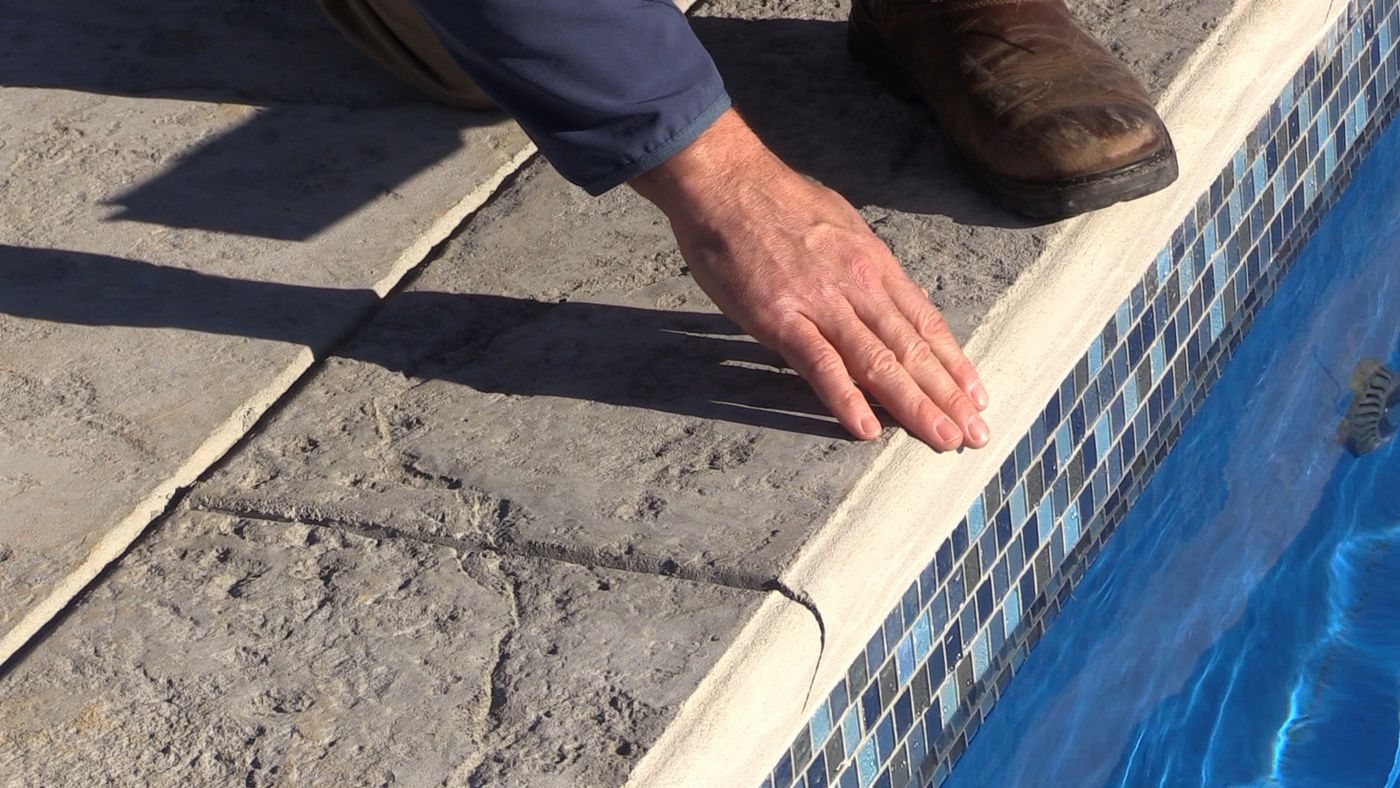
Expansion Joints: Why They Matter
Expansion joints are gaps that let concrete expand and contract. Without them, the deck may crack.
- Place joints every 8–12 feet for large decks.
- Use foam or plastic strips to make the gaps.
Expansion joints are often missed by beginners, but they’re vital for a long-lasting deck.
Credit: www.riverpoolsandspas.com
Curing Concrete: How Long Before You Use The Deck?
After pouring, concrete needs to cure. Curing is the process where concrete gets strong.
- Initial set: 24–48 hours (do not walk on it)
- Partial cure: 7 days (can walk carefully, but avoid heavy loads)
- Full cure: 28 days (ready for furniture and pool use)
Keep the surface moist for the first week. If the weather is hot, cover with plastic sheets or use curing compounds.
Common Curing Mistakes
- Walking on concrete too soon
- Not keeping surface moist
- Placing heavy objects before full cure
Waiting for full cure is hard, but it prevents cracks and stains.
Practical Tips For A Perfect Concrete Pool Deck
Here are practical tips that save time and avoid common problems:
- Test soil compaction: Use a compaction meter or simple jump test—soil should not move under your feet.
- Monitor weather: Always check forecasts and avoid pouring in rain or extreme heat.
- Double-check forms: Forms must be level and tight. Loose forms cause uneven edges.
- Use quality mix: Choose a mix with proper strength (at least 3000 psi for pool decks).
- Add color or texture: Consider stamped or colored concrete for safety and style.
- Seal after curing: Apply a sealant after 28 days to protect from stains and water.
Two Non-obvious Insights
- Don’t rely solely on mechanical compaction: Even after compacting soil, natural settling can still cause problems. Always allow some waiting time for soil to settle.
- Expansion joints are your best defense against cracks: Beginners often skip these, but they prevent costly repairs later.
Comparing Concrete Pour Methods: Ready-mix Vs. Site-mixed
You can use ready-mix concrete delivered by truck or mix it on site. Here’s how they compare:
| Method | Pros | Cons |
|---|---|---|
| Ready-Mix | Consistent quality, fast delivery | Higher cost, less control |
| Site-Mixed | Custom mix, more control | Slower, risk of uneven quality |
For most pool decks, ready-mix is best. It saves time and ensures quality.
How Pool Deck Design Affects Concrete Pour Timing
Deck design can change the best timing for pouring concrete. If your deck has curves, steps, or built-in features, you may need to pour in sections. Complex designs often require longer waiting times and careful planning.
- Curved decks: Need special forms and may take longer to set up.
- Steps or benches: Need extra reinforcement and careful curing.
- Built-in drains or lighting: Must be installed and tested before pouring.
If your deck is large or complex, plan for extra waiting and preparation time.
Mistakes To Avoid When Pouring Concrete Around Pool
Many mistakes happen when pouring concrete around pools. Avoid these common errors:
- Pouring too soon: The most common mistake. Always wait for soil and shell to settle.
- Ignoring weather: Rain or extreme temperatures ruin concrete.
- Skipping expansion joints: Leads to cracks and deck failure.
- Poor compaction: Causes sinking and uneven surfaces.
- Not checking for leaks: Leaks under concrete are expensive to fix.
- Using low-quality mix: Weak concrete breaks and stains easily.
- Walking on uncured concrete: Leaves marks and weakens the surface.
- Not sealing: Unsealed concrete stains and absorbs water.
Take your time and follow each step carefully.
The Role Of Professional Builders
Hiring a professional builder can help avoid mistakes. Builders have the right tools, experience, and knowledge of local soil and weather. If you are not sure about any step, ask a pro.
Professional builders also offer warranties. If something goes wrong, they fix it. This peace of mind is worth the cost for many homeowners.

Credit: www.youtube.com
Real-life Example: Pool Deck Success And Failure
Imagine two neighbors, both building pools:
- Neighbor A waits 30 days after pool shell installation, checks soil and weather, and hires a pro for the deck. Their pool deck stays smooth and crack-free for years.
- Neighbor B pours concrete only 5 days after shell installation, skips soil compaction, and ignores weather forecasts. Within one year, their deck shows cracks and uneven spots.
The difference is clear: patience and proper steps lead to long-lasting results.
Long-term Maintenance After Concrete Pour
Once the deck is poured and cured, maintenance keeps it looking good. Here’s what to do:
- Clean regularly: Use mild soap and water. Avoid harsh chemicals.
- Seal every 2–3 years: Protects from water and stains.
- Check for cracks: Fill small cracks with sealant. Big cracks may need repair.
- Avoid heavy loads: Don’t park vehicles on pool decks.
Proper maintenance extends the life of your concrete pool deck.
Credit: buildblock.com
Key Takeaways: Timing And Quality
Pouring concrete around a pool is not just about speed. It’s about safety, strength, and lasting beauty. Wait for the shell and soil to settle. Check weather and site conditions. Use proper materials and techniques. If you follow these steps, your pool deck will stay strong and beautiful for years.
For more detailed advice and construction standards, visit the American Concrete Institute.
Frequently Asked Questions
How Long Should I Wait Before Pouring Concrete Around A Concrete Pool?
Wait at least 28 days after the pool shell is installed. Ideally, 30–45 days allows for full curing and soil settlement.
What Happens If I Pour Concrete Before The Soil Settles?
The deck may crack or sink. Soil settlement causes movement, which leads to uneven surfaces and costly repairs.
Can I Pour Concrete In Rainy Weather?
No. Rain makes soil loose and weakens concrete. Wait until the ground is dry and firm before pouring.
Do I Need Expansion Joints In My Pool Deck?
Yes. Expansion joints prevent cracks by letting concrete expand and contract. Place them every 8–12 feet.
Is It Better To Hire A Professional For Concrete Pouring?
If you lack experience, hiring a professional builder is safer. Professionals handle soil, weather, and materials for the best results.
Pouring concrete around your pool is a big job. Take your time, follow the steps, and enjoy a safe, strong, and beautiful pool deck for years to come.