
Owning a pool can be a true joy, especially on hot summer days. But with that enjoyment comes responsibility—keeping your pool water safe and sparkling. One of the biggest questions for new pool owners is: How much chlorine should you add to an 18×48 pool? If you get it wrong, you could face green water, itchy skin, or even unsafe swimming conditions.
But don’t worry. In this guide, you’ll find a clear, step-by-step explanation of how to keep your 18×48 pool clean using chlorine. We’ll cover every factor you need to consider, from water volume to types of chlorine, and we’ll break down 48 crucial points that will help you get it right every time. No step is skipped, and no detail is too small. By the end, you’ll be ready to confidently manage your pool’s chlorine and enjoy safe, crystal-clear water all season.
Understanding Your 18×48 Pool
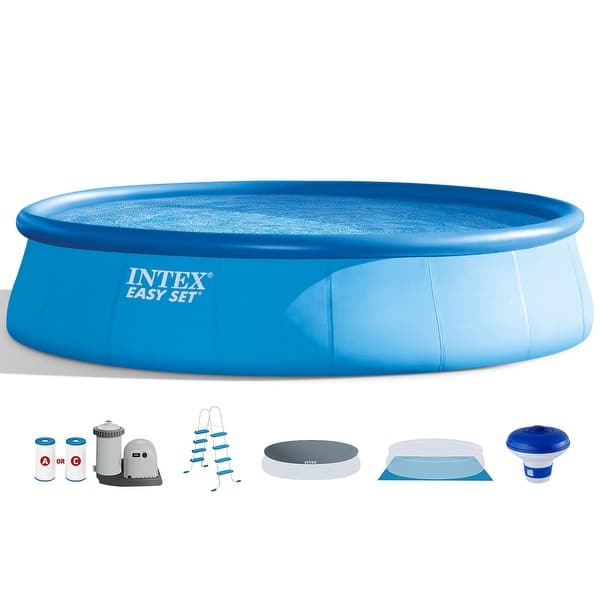
Before you can add the right amount of chlorine, you need to know your pool’s size. An 18×48 pool usually means the pool is 18 feet in diameter and 48 inches (4 feet) deep. This size is common for above-ground pools. But why is the size so important? Because chlorine dosage depends on water volume.
Calculating Pool Volume
The formula for a round pool volume (in gallons):
> Volume = Π × (radius²) × Depth × 7.48
- Radius = 18 ft / 2 = 9 ft
- Depth = 4 ft
- Π ≈ 3.14
So,
> Volume = 3. 14 × (9 × 9) × 4 × 7. 48 ≈ 3. 14 × 81 × 4 × 7. 48 ≈ 3. 14 × 324 × 7. 48 ≈ 1,017. 36 × 7. 48 ≈ 7,610 gallons
Your 18×48 pool holds about 7,600 gallons of water. Always check your pool manual for the exact number, but this is a reliable estimate.
It’s important to note that small measurement errors can lead to big changes in dosing. For example, if your pool isn’t filled to the top, the volume will be less. Also, some pools have sloped floors, which can change the depth.
Double-check your actual water level before calculating chlorine.
Why Chlorine Is Essential
Chlorine is not just a cleaning chemical. It is the main barrier between your pool and harmful bacteria, viruses, and algae. Without enough chlorine, your pool can turn cloudy, green, and unsafe. With too much, swimmers may suffer from red eyes or irritated skin.
Chlorine works by breaking down in water and releasing hypochlorous acid, which destroys germs and organic contaminants. This process is fast, but chlorine is also sensitive to sunlight, heat, and pH changes. These factors can lower chlorine levels quickly, making regular testing and adjustment vital.
If you ever see slimy surfaces or notice musty smells, it’s a sign chlorine is low and bacteria or algae are growing. Keeping the right chlorine level is the best way to avoid health risks and expensive cleanups.

Credit: www.reddit.com
The 48 Key Factors: How Much Chlorine To Put In An 18×48 Pool
Let’s dive into the 48 factors and considerations you must know to add chlorine correctly. Each one matters for safe, clean swimming.
1. Know Your Pool Volume
Always start by knowing your pool’s water volume. An 18×48 pool typically holds around 7,600 gallons. Accurate volume ensures accurate dosing.
2. Understand Chlorine Types
The main types are liquid chlorine, chlorine tablets, granular chlorine, and saltwater chlorinators. Each dissolves and works differently. Tablets are slow-release; liquid is fast but breaks down quickly; granular can be used for regular or shock dosing; saltwater systems generate chlorine continuously.
3. Target Chlorine Level
Aim for a free chlorine level of 1-3 parts per million (ppm). This range is safe and effective for most backyard pools. Free chlorine is the “active” chlorine that fights germs.
4. Test Before Adding
Always test your pool water before adding chlorine. Use a reliable test kit or test strips to measure free chlorine, pH, and total alkalinity. Accurate testing avoids guesswork and helps you respond quickly to problems.
5. Chlorine Tablets: Dosage
For a 7,600-gallon pool, use one 3-inch chlorine tablet per 5,000 gallons weekly. So, 1.5 tablets per week is ideal. Tablets are best placed in a floater or feeder, not directly in the pool.
6. Liquid Chlorine: Dosage
Add 13 ounces of liquid chlorine (12.5% concentration) to raise chlorine by 1 ppm in 7,600 gallons. Liquid chlorine is good for quick boosts and shock treatments.
7. Granular Chlorine: Dosage
To boost by 1 ppm, use 1.5 ounces of granular chlorine per 7,600 gallons. Granular chlorine is easy to measure and can be dissolved before adding.
8. Shock Treatment
Shocking means raising chlorine quickly. Use 2 pounds of shock (calcium hypochlorite) per 7,600 gallons for a strong shock. Shock treatments kill stubborn contaminants and break down chloramines.
9. Stabilizer (cyanuric Acid) Levels
Stabilizer protects chlorine from sunlight. Keep cyanuric acid at 30-50 ppm for outdoor pools. Too much stabilizer can reduce chlorine’s effectiveness, so test regularly.
10. Sunlight’s Effect
UV rays break down chlorine fast. Pools in full sun may need more frequent dosing. If your pool is shaded, you may use less chlorine. Consider using a pool cover to reduce UV exposure.
11. Pool Usage
Heavy swimming increases chlorine demand. More people bring in more sweat, oils, and contaminants. If you host frequent parties or kids swim daily, expect to use more chlorine.
12. Rain And Dilution
Rain adds water and washes out chlorine. After heavy rain, test and adjust chlorine. Rain can also bring in leaves, pollen, and dirt, which use up chlorine.
13. Temperature
Warm water (over 80°F) uses up chlorine faster. Hot days need more frequent checks. In cooler weather, chlorine lasts longer, but still test weekly.
14. Ph Balance
Chlorine works best when pH is 7.2–7.8. Outside this, chlorine is less effective. Low pH (acidic) makes chlorine more powerful but harsh on skin; high pH (alkaline) weakens chlorine.
15. Filtration System
Good filtration helps chlorine work efficiently. Run your filter at least 8 hours daily. Clean filters regularly to avoid dirt buildup, which uses up chlorine.
16. Algae Prevention
Consistent chlorine keeps algae away. If you see green, shock and brush the pool. Prevention is easier and cheaper than removing algae after it appears.
17. Chlorine Floaters
Floaters slowly dissolve tablets. They work well for steady, even chlorine release. Be sure the floater moves around to avoid bleaching one spot.
18. Automatic Chlorinators
These install in your pool’s return line, feeding chlorine as water passes through. They give more control and can be set for weekly or daily dosing.
19. Weekly Maintenance
Test and adjust chlorine at least once per week, more in hot weather. Weekly checks catch problems early.
20. Daily Checks During Heatwaves
During hot spells or heavy use, test and adjust chlorine daily. Heat and sun can reduce chlorine in hours, not days.
21. Swimmer Load
More swimmers = more chlorine needed. For parties, boost your dosage before and after. Oils, lotions, and sweat add contaminants.
22. Debris And Leaves
Leaves, grass, and dirt use up chlorine. Skim debris daily to reduce chlorine loss. Cleaning the pool often helps chlorine last longer.
23. Pool Cover Use
Using a pool cover can cut chlorine loss by half, especially in sunny areas. Covers also keep out debris and reduce evaporation.
24. After Backwashing
Backwashing your filter removes water. Test and top up chlorine after each backwash. Add fresh chlorine to replace lost water.
25. Start Of The Season
At opening, shock your pool and add chlorine to restore safe levels. Clean out debris and brush all surfaces.
26. End Of The Season
Before closing, shock the pool and bring chlorine to 3 ppm to prevent winter algae. Cover the pool tightly.
27. Local Water Conditions
Hard or soft water can change chlorine demand. Test your fill water for minerals. High calcium or iron can cause stains and use up chlorine.
28. Avoid Overdosing
Too much chlorine is wasteful and harsh on swimmers. Stick to recommended levels. Excess chlorine can damage pool liners and equipment.
29. Don’t Mix Types
Never mix liquid, granular, and tablet chlorine together. Add separately. Mixing can cause dangerous reactions.
30. Storage Safety
Store chlorine in a cool, dry, ventilated place. Keep away from acids and fuels. Always close containers tightly.
31. Measuring Tools
Use a dedicated scoop or measuring cup for granular chlorine. Don’t guess. Clean the tools after each use.
32. Chlorine Demand Increases After Storms
Heavy rain and wind add dirt and organic matter. Shock the pool after storms. Even small storms can quickly lower chlorine.
33. Water Circulation
Run the pump during and after adding chlorine to spread it evenly. Poor circulation leaves dead spots where algae can grow.
34. Brushing Walls And Floor
Brush surfaces weekly to prevent algae and help chlorine reach every area. Algae can start in corners and along steps.
35. Check Expiry Dates
Old chlorine is less effective. Use fresh products for best results. Expired chlorine can lead to poor water quality.
36. Avoid Sun Exposure During Application
Add chlorine in the evening or early morning to reduce sunlight breakdown. This gives chlorine time to work before the sun hits the pool.
37. Don’t Add All At Once
If using granular chlorine, add in batches around the pool, not one spot. This helps avoid bleaching and ensures even distribution.
38. Dissolve Before Adding
For vinyl pools, dissolve granular chlorine in a bucket before adding to avoid bleaching. Never pour undissolved chlorine directly on pool surfaces.
39. Observe Chlorine Smell
A strong “chlorine smell” means too many chloramines (used-up chlorine). Shock the pool to fix. True clean water has little smell.
40. Super Chlorination
Once a month, super chlorinate (shock) to destroy stubborn contaminants. Especially important after large events or storms.
41. Test For Combined Chlorine
Keep combined chlorine below 0. 2 ppm. High levels mean you need to shock. Combined chlorine causes odors and eye irritation.
42. Follow Label Directions
Chlorine strength varies by brand. Read and follow package instructions. Don’t assume all products are the same.
43. Don’t Swim After Dosing
Wait at least 30 minutes after adding chlorine before swimming, or until levels are safe. For shock treatments, wait longer (up to 24 hours).
44. Monitor For Eye And Skin Irritation
If swimmers complain of irritation, check chlorine and pH levels. Adjust as needed.
45. Keep Pets Out After Dosing
Chlorine can be harsh on pets’ skin. Don’t let them in until levels are normal. Some pets may drink pool water, so check levels before allowing them near.
46. Record Your Results
Keep a log of chlorine readings, adjustments, and weather. Patterns help you fine-tune dosing. You’ll spot trends and prevent recurring problems.
47. Plan For Vacation
If you’re away, add extra tablets and ask someone to check levels while you’re gone. Some automatic feeders can help too.
48. Don’t Rely Solely On Smell
You can’t judge chlorine by smell alone. Always use a test kit for accuracy. Visual checks are helpful, but not enough.
Sample Chlorine Dosing Calculations
Here’s a practical breakdown for your 18×48 (7,600-gallon) pool, comparing different chlorine types and doses.
| Chlorine Type | Amount to Add (for 1 ppm increase) | Weekly Maintenance Dose | Shock Dose |
|---|---|---|---|
| 3″ Tablets | 1 tablet (per 5,000 gal.) | 1.5 tablets | Not recommended for shocking |
| Liquid Chlorine (12.5%) | 13 oz | 26-39 oz (2-3 ppm) | 1 gal (for 10 ppm shock) |
| Granular Chlorine | 1.5 oz | 3-4.5 oz | 2 lbs |
If you notice your chlorine drops after heavy pool use, add an extra tablet or increase your liquid dose by 10-15%. For shocking, always dissolve granular chlorine before adding, and run your pump for several hours afterward.
How To Add Chlorine: Step-by-step
- Test the water. Use a test kit to check free chlorine, pH, and stabilizer.
- Calculate the dose. Decide on your chlorine type and use the dosing numbers above.
- Add chlorine. Tablets go in a floater or chlorinator. Liquid or granular should be added while the pump is running.
- Wait and retest. Wait 30 minutes. Re-test to check if you reached 1-3 ppm.
- Adjust if needed. Add more if levels are low, but avoid adding too much at once.
If your chlorine level is too high, simply stop adding for a few days and let sunlight and use bring it down. If it’s very low, shock the pool, wait for the recommended time, then retest.
Mistakes Beginners Often Make
- Guessing the pool volume. Always measure or confirm your pool’s gallon size.
- Ignoring pH. If pH is off, chlorine won’t work well.
- Adding chlorine during the hottest part of the day. Sun destroys fresh chlorine.
- Not shocking regularly. Even clear pools need shock treatments.
- Using old chlorine. Expired products are much less effective.
Another mistake is assuming more chlorine is always better. This can damage pool liners and cause health problems. Also, some beginners forget to brush their pool, allowing algae to hide and grow.
Common Problems And Solutions
Cloudy Water
Usually means low chlorine or poor filtration. Shock the pool and run the filter for 24 hours. Also, check pH and clean the filter.
Green Water
Algae bloom. Shock with double the normal dose and brush all surfaces. Add algaecide if needed, and check your filter for clogs.
Strong Chlorine Odor
Indicates too many chloramines. Shock the pool to restore balance. After shocking, ventilate the area and run the pump.
Burning Eyes
Often caused by low free chlorine or high combined chlorine. Test, balance, and shock if needed. Adjust pH as well.
No Chlorine Reading
Means chlorine is being used up instantly by contaminants. Shock heavily, then retest. Clean out debris and run the filter longer.
Sometimes, water source problems (like high iron or organic matter) can cause stubborn issues. Test your source water if problems persist.
Chlorine And Pool Equipment Compatibility
Some pool equipment is sensitive to high chlorine levels, especially vinyl liners and certain metal parts. To protect your pool:
- Dissolve granular chlorine in a bucket before adding.
- Avoid direct contact of tablets with pool surfaces.
- Keep chlorine feeders and floaters in good condition.
If your pool uses copper-based algaecides, high chlorine can sometimes react and cause stains. Always follow manufacturer instructions and check compatibility.
Credit: www.bedbathandbeyond.com
Advanced Tips For Pool Owners
- Track weather trends. Hot, stormy, or windy days increase chlorine demand.
- Try a smart pool monitor. Some devices send alerts to your phone when levels drop.
- Consider a saltwater system. These create chlorine automatically, offering steady levels with less maintenance.
Many saltwater pool owners find the water feels softer and is less irritating, but you still need to monitor chlorine and pH. Salt systems require occasional cell cleaning and salt refills.
Another tip: Use a logbook or app to track your pool’s chemical history. Over time, you’ll see patterns—like needing more chlorine after windy days or parties.
Quick Reference: Weekly Chlorine Maintenance For 18×48 Pools
| Day | Action | Chlorine Amount |
|---|---|---|
| Monday | Test water, add chlorine tablets | 1.5 tablets |
| Wednesday | Retest, adjust with liquid/granular if low | 13 oz liquid or 1.5 oz granular |
| Saturday | Shock treatment (if needed) | 2 lbs granular shock |
If you notice faster chlorine drop (like after rain or lots of swimmers), add extra as needed, but always test first.
Real-world Example
Let’s say you have a pool party with 10 swimmers. The next morning, your chlorine reads 0.5 ppm—too low. Add enough liquid chlorine to raise it by 2 ppm:
- 13 oz × 2 = 26 oz of liquid chlorine
Add with the pump running, wait 30 minutes, then retest.
Suppose after a storm, you notice cloudy water. Shock the pool with 2 lbs of granular chlorine, brush all surfaces, and run the filter for 24 hours. Test again and adjust as needed.
When To Call A Professional
If you notice persistent green water, strong odors, or can’t balance your pool no matter how much chlorine you add, it’s time to seek help. A pool professional can diagnose hidden issues like poor circulation, broken equipment, or even water chemistry problems from your source water.
Also, if you see cracks, leaks, or equipment failures, don’t delay. Getting expert help early prevents costly damage.

Credit: www.reddit.com
Extra Insight: Chlorine Demand Varies
Many people think once-a-week dosing is enough. But things like hot weather, wind, and heavy pool use can double your chlorine demand. Adjust as needed—never rely on a fixed schedule.
Keep an eye on patterns in your log. For example, if you notice your chlorine drops after windy days, plan to add extra after such weather. If your pool is shaded, you may use less chlorine than a neighbor’s sunny pool.
Environmental Impact
Proper dosing keeps your pool safe and reduces chemical waste. Avoid “more is better”—excess chlorine can harm local water systems if drained.
If you ever need to drain your pool, let chlorine levels drop to zero first. This protects plants and wildlife near your property.
For More Information
For a deep dive into pool chemistry and safety, check out the CDC’s Pool Disinfection Guide.
Frequently Asked Questions
How Often Should I Add Chlorine To My 18×48 Pool?
You should add chlorine at least once per week. During hot weather, heavy use, or after rain, test more often and adjust as needed to keep levels between 1-3 ppm.
Can I Use Regular Bleach Instead Of Pool Chlorine?
Yes, but check the label. Use only unscented, plain bleach (sodium hypochlorite, 6-8%). You’ll need more bleach for the same effect as pool-grade liquid chlorine.
What If My Chlorine Level Stays Low Even After Adding More?
This usually means high chlorine demand from organic contaminants or algae. Shock the pool with a double dose, clean debris, and run your filter continuously.
Is It Safe To Swim Right After Adding Chlorine?
Wait at least 30 minutes after adding chlorine, and always test to confirm levels are below 3 ppm before swimming.
How Do I Know If I’m Adding Too Much Chlorine?
Test the water. If levels are above 3 ppm, skip your next dose and allow levels to drop. Avoid swimming if chlorine is much higher than 3 ppm.
Managing chlorine in your 18×48 pool is both science and art. With these 48 steps and tips, you’ll keep your water clean, safe, and ready for fun all summer long.