
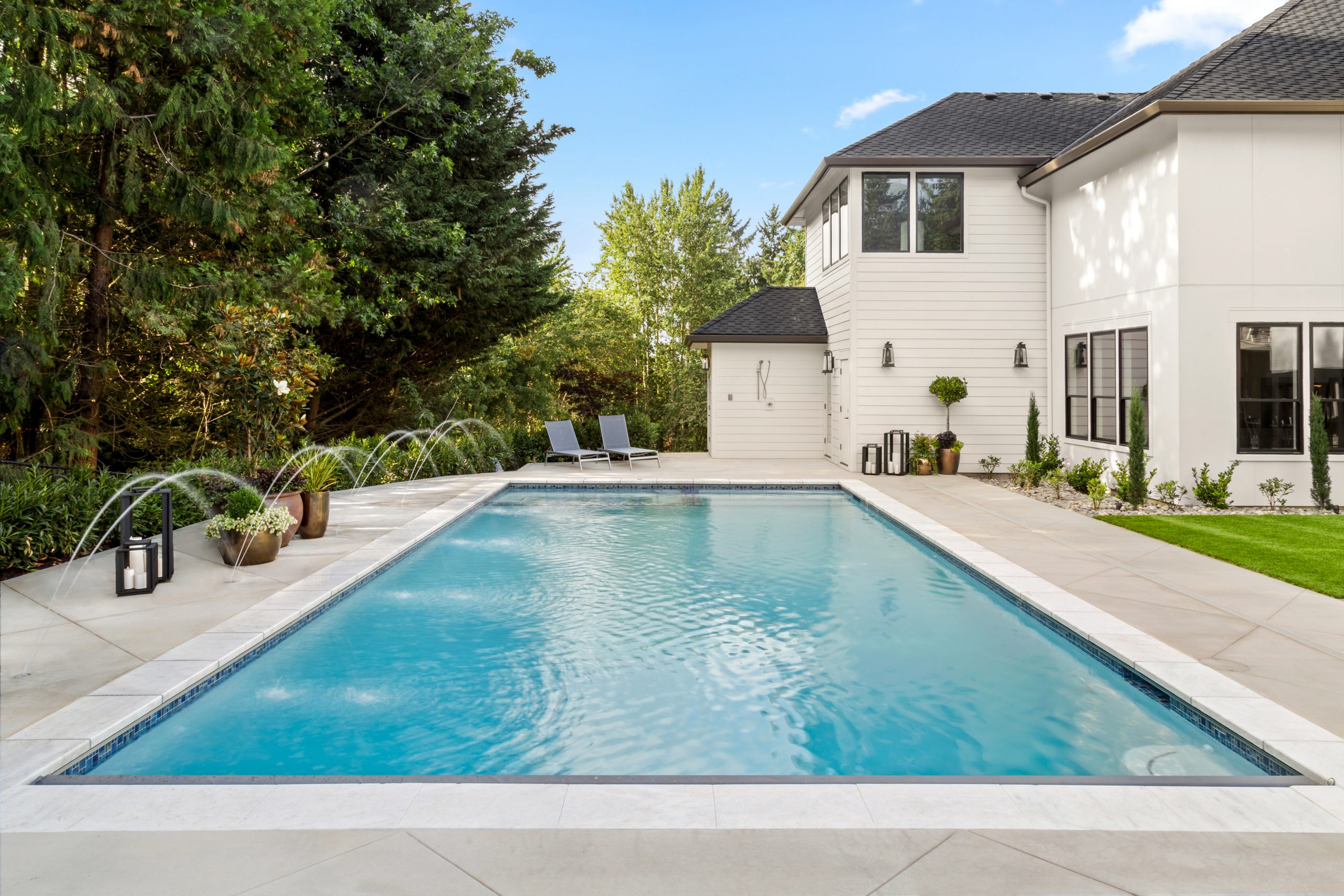
Keeping your pool water at the right level is not just about looks—it’s about safety, equipment protection, and swimming comfort. Many pool owners wonder, “How often should I add water to my pool? ” The answer is not as simple as a set schedule.
It depends on your climate, pool size, how much you use your pool, and even how well your pool is maintained. If you’ve ever noticed your pool water dropping faster than you expected, or worried about overfilling, you’re not alone.
Managing water levels is a key part of pool care that often gets overlooked, but it can save you money, time, and trouble in the long run.
This guide will help you understand everything you need to know about adding water to your pool. You’ll learn why water levels drop, how to check and refill correctly, what happens if you get it wrong, and smart ways to reduce water loss.
Even experienced pool owners may find surprises here—like how wind and landscaping can affect your water needs. By the end, you’ll have the confidence to keep your pool healthy and ready for swimming, all season long.
Understanding Pool Water Loss
Before you decide how often to add water, it’s important to know why pools lose water. There are three main reasons: evaporation, splash-out, and leaks.
Evaporation
Evaporation is the most common cause of water loss. Sun, wind, and air temperature all play a part. On a hot, dry, and windy day, a pool can lose as much as 1/4 to 1/2 inch of water per day. In one month, that’s 7 to 15 inches—much more than most people expect.
Splash-out
Any time people or pets use the pool, water splashes over the edge. Pools with slides, diving boards, or lots of activity lose more water this way. It may seem small, but over a week, splash-out can add up to hundreds of gallons.
Leaks
Leaks are less common but more serious. Even a small leak—just one drip per second—can waste over 2,000 gallons per year. Leaks can happen in the pool structure, plumbing, or equipment. If you need to add water more than once a week, it’s a sign to check for leaks.
How To Check Your Pool’s Water Level
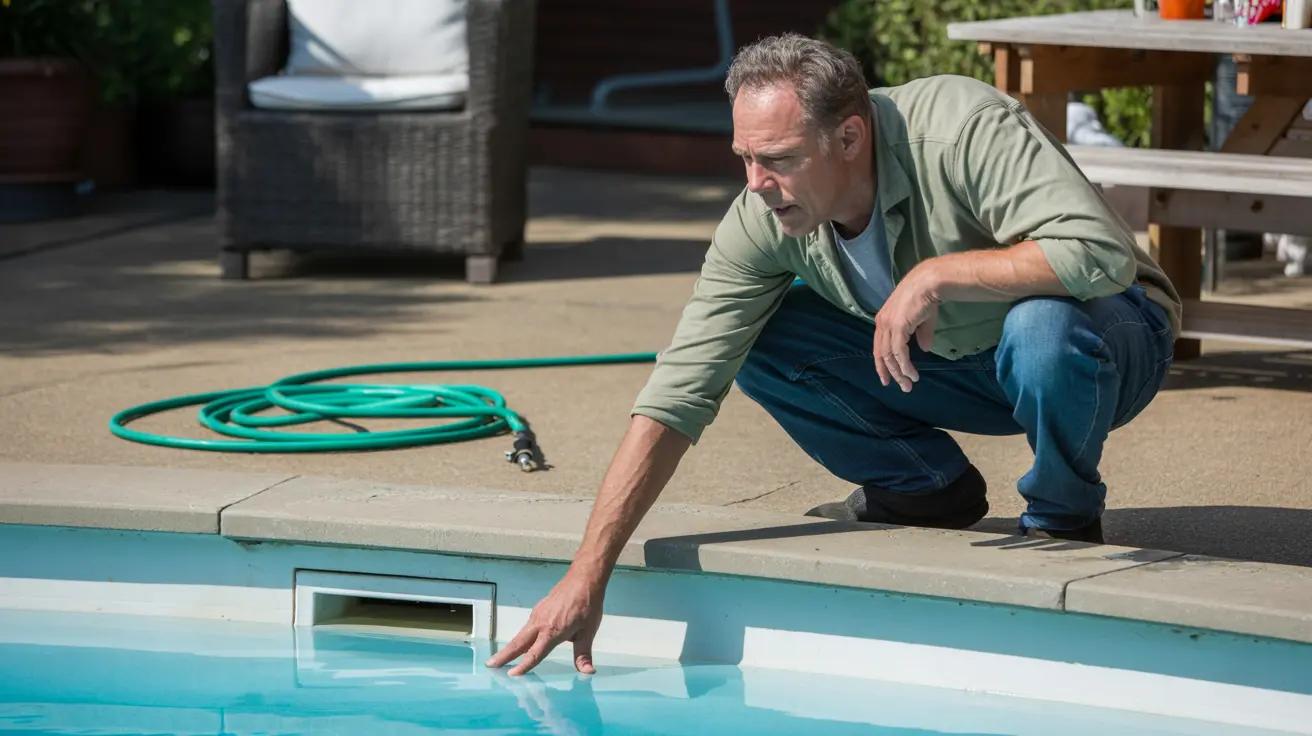
You can’t set a schedule for adding water without knowing your pool’s ideal level and how fast it drops. The right water level is usually at the midpoint of the skimmer opening—the rectangular slot on the pool wall.
- Stand next to your pool and find the skimmer.
- Look for the halfway point of the opening.
- The water should touch this point. Too low, and the pump may suck in air. Too high, and the skimmer may not catch debris.
Measuring water loss is simple:
- Use a ruler to measure the distance from the top of the pool to the water line. Check again after 24 hours.
- Mark the water level with tape or a pencil mark. Check the difference after a day.
If you lose more than 1/2 inch per day, you may have a leak.
Credit: www.sandiegopools.com
Factors That Affect How Often You Need To Add Water
No two pools are exactly the same. Here are the biggest factors that change how often you’ll need to add water.
1. Climate And Weather
Hot, sunny, and windy weather increases evaporation. In dry desert areas, you’ll add water twice as often as someone in a cool, shaded spot. Rainfall can help refill your pool, but heavy storms can also cause overflow.
2. Pool Size And Shape
Large pools lose more water by volume, but small pools can lose a higher percentage of their water. Shallow pools and those with a lot of surface area (like irregular or freeform shapes) evaporate more quickly.
3. Pool Material
Concrete pools often lose more water than fiberglass or vinyl pools, since they can “breathe” slightly. Older pools may have tiny cracks that add up to slow leaks.
4. Swimming Activity
Frequent use means more splash-out and faster water loss. Pools with children, games, or water features like fountains will need topping off more often.
5. Covers And Enclosures
A pool cover can cut evaporation by up to 95%. Screened enclosures block wind and sun, which slows water loss. If you use a cover, you may only need to add water once every few weeks.
6. Maintenance Habits
Backwashing the filter, vacuuming, or draining water for cleaning all lower the water level. The more you do these tasks, the more often you’ll need to refill.
7. Landscaping And Wind
Wind blowing across your pool speeds up evaporation. Pools surrounded by fences, bushes, or trees lose less water. But leaves and debris can clog the skimmer, raising the risk if you overfill.
8. Heaters And Water Features
Heated pools and those with waterfalls or jets lose water faster. Warm water evaporates more quickly, and moving water exposes more surface area.
How Often Should You Add Water? Practical Guidelines
There’s no single answer for every pool, but most owners should check their water level at least once per week during swimming season. Here’s a simple rule of thumb:
- Normal conditions: Add water every 7 to 10 days.
- Hot, dry, or windy climates: Check every 3 to 5 days.
- Heavy usage or uncovered pools: Check at least twice a week.
A typical pool will need 1 to 2 inches of water added per week in summer.
Example: Calculating Water Needed
For a 16×32 foot rectangular pool, 1 inch of water is about 320 gallons. If you add 2 inches per week, that’s 640 gallons. For smaller pools, the amount will be less, but the percentage of lost water may be higher.
When To Add Water More Frequently
- After pool parties or lots of swimming
- During heatwaves, droughts, or windy spells
- After backwashing or vacuuming
When To Add Less Often
- During rainy weeks
- If your pool is covered most of the time
- In cooler months or when the pool is closed
Step-by-step: How To Add Water To Your Pool Safely
Adding water seems simple, but doing it wrong can damage your pool or waste resources. Follow these steps for best results.
1. Choose The Right Water Source
Most people use a garden hose connected to city water. If you have well water, test for iron, copper, or other minerals first—they can stain the pool.
2. Set Up The Hose
Place the hose in the deep end, away from the skimmer. If your water is chlorinated, let it run for a minute to clear out any stagnant water.
3. Turn On The Water
Turn the tap slowly to avoid stirring up debris. Never leave the hose unattended for long periods—pools can overflow in just a few hours.
4. Monitor The Level
Check the water level every 20–30 minutes. Stop adding water when it reaches the middle of the skimmer opening.
5. Test And Adjust Chemicals
New water can dilute your pool’s chlorine, pH, and other chemical levels. Test the water and adjust as needed.
6. Remove The Hose
Take the hose out carefully. Avoid letting it touch the pool wall, as this can cause stains over time.
Common Mistakes When Adding Water
Many pool owners make errors that lead to wasted water, chemical imbalances, or even damage. Here’s what to avoid:
- Overfilling: If water goes above the skimmer opening, it won’t skim debris properly. It can also flood nearby landscaping.
- Ignoring chemical changes: Adding large amounts of water can throw off pH, chlorine, and other levels. Always test after refilling.
- Leaving the hose unattended: Pools fill quickly. Overflow can cause flooding and waste hundreds of gallons.
- Using warm or hot water: This speeds up evaporation and can crack pool surfaces, especially in concrete pools.
- Not checking for leaks: If you’re adding water more than once a week, do a leak test. Don’t assume it’s just evaporation.
How To Tell If Your Pool Is Leaking
Evaporation is normal, but leaks are not. Here’s how to tell the difference:
The Bucket Test
- Fill a 5-gallon bucket with pool water and set it on the pool steps (partially submerged).
- Mark the water level inside and outside the bucket.
- Wait 24 hours.
- If the pool water drops more than the bucket water, you may have a leak.
Other Signs Of Leaks
- Wet spots around the pool
- Cracks in the pool shell
- Air bubbles in the pump
- Needing to add water more than once a week
If you suspect a leak, call a pool professional for a full inspection.
How Water Level Affects Pool Equipment
Keeping the right water level is not just about looks. It protects your pool’s pump, filter, and skimmer.
- If water is too low, the pump can suck in air and lose prime. This can burn out the motor, costing hundreds in repairs.
- If water is too high, the skimmer can’t remove debris, and water may overflow into nearby structures.
- Proper water level keeps chemicals balanced and ensures safe swimming.
Water Conservation Tips For Pool Owners
Pools use a lot of water, but you can reduce waste with a few smart habits:
- Use a pool cover: This is the single best way to slow evaporation.
- Check for leaks regularly.
- Backwash only when needed: Don’t overdo filter cleaning.
- Keep water level at the midpoint: Don’t overfill “just in case.”
- Landscaping: Plant bushes or install a fence to block wind.
- Fix pool equipment: Dripping pipes or faulty valves can waste thousands of gallons a year.
- Limit splash-out: Set pool rules about rough play or jumping.
Comparing Pool Types: Water Loss And Refill Frequency
Different pool types lose water at different rates. Here’s a comparison of typical weekly water loss for common pools.
| Pool Type | Weekly Water Loss (inches) | Refill Frequency |
|---|---|---|
| Concrete (uncovered) | 1.5–2 | Every 3–5 days |
| Vinyl (covered) | 0.25–0.5 | Every 2–3 weeks |
| Fiberglass (uncovered) | 1–1.5 | Weekly |
| Above-ground | 0.75–1 | Weekly |
Pool Size And Water Needed Per Inch
Knowing how much water your pool holds helps you plan refills. Here’s an estimate for common pool sizes.
| Pool Size (feet) | Gallons per Inch | Total Gallons (average depth 5 ft) |
|---|---|---|
| 12 x 24 | 150 | 10,800 |
| 16 x 32 | 320 | 19,200 |
| 20 x 40 | 500 | 30,000 |
How To Reduce How Often You Need To Add Water
If you’re tired of refilling your pool every week, these strategies can help you cut back:
- Install a pool cover: This can reduce evaporation by 30–95%.
- Add windbreaks: Fences, hedges, or screens stop wind from blowing water away.
- Keep water features off: Fountains and waterfalls increase evaporation.
- Limit pool temperature: Heating your pool above 80°F increases water loss.
- Fix leaks right away: Even tiny leaks add up to big water bills.
- Monitor splash-out: Teach family and guests to avoid rough play near the edge.
Seasonal Tips: Adding Water All Year Round
Your pool’s water needs change with the seasons.
Spring
- Rain may fill your pool, but check for overflow.
- Test and balance chemicals after adding water.
Summer
- Evaporation peaks. Check water every few days.
- Use covers whenever possible.
Fall
- Leaves can block skimmers. Keep water at the midpoint for best debris removal.
- Colder weather slows evaporation, but check after storms.
Winter
- If you close your pool, keep water below the skimmer.
- For pools left open, evaporation is slow, but top up after strong winds.
Advanced Pool Water Management: Automation And Smart Devices
Technology can make adding water easier and more precise.
- Automatic water levelers: These devices attach to your pool plumbing and add water when it drops below a set point. They prevent overfilling and protect your pump.
- Smart pool monitors: Some devices track water level, temperature, and chemical balance. They send alerts to your phone if water is too low.
- Timers and flow meters: Use a timer on your hose or a water flow meter to measure exactly how much you add. This avoids overfilling and helps track usage.
These systems cost more upfront but can save money and prevent damage over time.
Credit: www.levelupleakdetection.com
Chemical Balance After Adding Water
Every time you add water, you change the pool’s chemical balance. Fresh water dilutes chemicals, which can lead to unsafe swimming conditions or algae growth.
After adding water, always test:
- Chlorine: Add more if the level drops below 1–3 ppm.
- PH: Adjust to stay between 7.2 and 7.6.
- Alkalinity: Should be 80–120 ppm.
- Calcium hardness: Especially important in hard water areas.
Use test strips or a liquid test kit. Wait at least 30 minutes after adding water before testing.
Local Regulations And Water Restrictions
In some areas, drought or water shortages can limit how often you’re allowed to add water to your pool. Check with your local water authority for rules about:
- Filling new pools
- Refilling after draining
- Using automatic fillers
Breaking these rules can lead to fines. Consider water-saving upgrades if restrictions are common in your area. For more on water conservation and pool care, the EPA WaterSense Program is a helpful resource.

Credit: www.intheswim.com
Real-world Example: Suburban Family Pool
Let’s look at an example. The Smith family has a 16×32 foot concrete pool in Texas, uncovered, used daily by three children. In July, they measured water loss at about 2 inches per week (640 gallons). They checked water every 4 days and usually added 200–300 gallons each time.
After installing a pool cover and planting hedges, water loss dropped to less than 1 inch per week, and refills became necessary only once every 10 days.
Frequently Asked Questions
How Do I Know If My Pool Needs More Water?
Check if the water level is below the midpoint of the skimmer opening. If you see air bubbles in the pump or the skimmer isn’t catching debris, it’s time to add water.
Can I Use Rainwater To Fill My Pool?
Rainwater can help, but it may contain dirt, leaves, or pollutants. Test the water after heavy rain and adjust chemicals as needed.
How Long Does It Take To Fill A Pool With A Garden Hose?
A typical garden hose adds about 10 gallons per minute. To add 1 inch to a 16×32 pool (320 gallons), it takes about 32 minutes. Filling a full pool from empty can take 24–48 hours.
Is It Bad To Overfill My Pool?
Yes. Overfilling can cause poor skimming, chemical imbalances, and flooding of landscaping or pool equipment. Always keep water at the midpoint of the skimmer.
How Can I Tell If Water Loss Is From Evaporation Or A Leak?
Do the bucket test. If your pool loses more water than a bucket sitting next to it (over 24 hours), you likely have a leak.
Managing your pool water level doesn’t have to be a guessing game. By checking your pool weekly, watching for leaks, and using smart water-saving methods, you can keep your pool safe, clean, and ready for fun—all while conserving water and protecting your investment.