
Water softeners have become a common solution for households facing hard water issues. If you have ever noticed chalky stains on your glassware, soap that doesn’t lather, or dry, itchy skin after a shower, hard water might be the cause. Installing a water softener often solves these problems. But a key question remains for many homeowners: How soft should water be after softener? Too soft, and you might taste salt or feel a slippery film. Not soft enough, and those hard water problems persist. Understanding the right level of water softness is not just about comfort—it’s about health, appliance longevity, and even saving money.
Let’s explore what you should expect from your water after it’s softened, how to measure softness, and what to do if the balance isn’t right. This guide will clear up confusion, offer practical tips, and share insights that most beginners miss.
What Is Soft Water And Why Does It Matter?
Soft water contains low levels of minerals, mainly calcium and magnesium. Hard water, by contrast, has high levels of these minerals. When water moves through soil and rock, it picks up minerals. The more minerals, the harder the water. Water hardness is usually measured in grains per gallon (gpg) or milligrams per liter (mg/L).
You might wonder, why bother about softness? Hard water causes:
- Scale buildup in pipes and appliances
- Reduced soap lather, leading to more soap use
- Spots on dishes and glassware
- Dry skin and hair
Soft water prevents these issues. However, water that is too soft may taste odd or leave a slippery feeling on your skin. Finding the right balance is important.
How Water Softeners Work
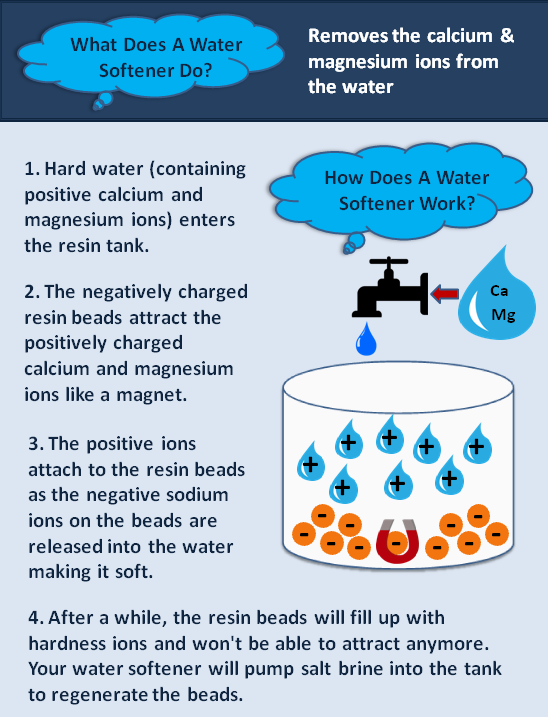
A water softener uses a process called ion exchange. Hard water passes through a tank filled with resin beads. These beads swap the hard minerals (calcium, magnesium) for sodium or potassium ions. The result? Soft water flows out into your home.
The amount of sodium added is usually very low and not a health concern for most people. However, the effectiveness of your softener—and the final softness—depends on:
- The hardness of your source water
- How well your softener is set up and maintained
- The type and age of your softener
Measuring Water Softness
After installing a softener, you need to know if it’s working correctly. The most common measures are:
- Grains per gallon (gpg): The number of grains of hardness minerals in one gallon of water.
- Parts per million (ppm) or milligrams per liter (mg/L): 1 gpg = 17.1 mg/L.
Water is considered:
- 0-3 gpg (0-51 mg/L): Soft
- 4-7 gpg (68-120 mg/L): Moderately hard
- 8-10 gpg (137-171 mg/L): Hard
- Over 10 gpg (>171 mg/L): Very hard
A well-functioning softener should reduce water hardness to below 1 gpg (about 17 mg/L). This is generally soft enough for all household uses.
Typical Hardness Levels Before And After Softening
| Water Type | Hardness (gpg) | Hardness (mg/L) |
|---|---|---|
| Very Hard (before) | 15+ | 257+ |
| Average Hard (before) | 8 | 137 |
| Softened (after) | 0-1 | 0-17 |
How Soft Is “too Soft”?
People often worry that water can be “too soft.” In reality, water cannot be *softer* than zero. Once all calcium and magnesium are removed, it is as soft as it gets. But some people notice:
- Water feels “slippery” or “silky”
- Taste changes slightly (rarely an issue)
- More sodium in water (but usually a tiny amount)
These effects are normal. The slippery feel, for example, is just soap working better—there is no sticky residue left by hard minerals.
Non-obvious insight: Many beginners do not realize that soft water does not actually add a slippery chemical; it simply no longer leaves a mineral film. That “slippery” feeling is your natural skin oils, not added substances.

Credit: proaquawater.com
How To Test Your Water Softness
You do not have to guess if your water is soft enough. Here’s how to check:
- Use Hardness Test Strips: Easy to buy online or in stores. Dip a strip in your tap water, compare the color to the chart.
- Laboratory Water Tests: More accurate and detailed, but more expensive.
- Electronic Hardness Meters: Reusable, good for frequent testing.
Tip: Always test water from several faucets. If one area is less soft, you might have plumbing bypassing the softener.
Example: Testing Results
Suppose your test strip shows 0-1 gpg after the softener. That’s ideal. If you measure 3 gpg or more, your softener is not working well.
What Is The Ideal Water Softness After A Softener?
The target for most homes is 0 to 1 gpg (0-17 mg/L). This is soft enough to:
- Prevent scale and soap problems
- Protect appliances and plumbing
- Avoid a salty taste
Some water softeners allow you to adjust softness, but in most cases, the lowest possible hardness is best.
Softness Levels And Their Effects
| Hardness Level (gpg) | Effect in Home |
|---|---|
| 0-1 | No scale, good soap lather, soft skin, appliances last longer |
| 2-3 | Minor spots, some scale in time, soap works well |
| 4+ | Noticeable spots, scale buildup, soap doesn’t lather well |
Adjusting Softness: Can You Control How Soft Water Gets?
Most standard water softeners are set to remove as much hardness as possible. But some allow for slight adjustment. This might be useful if:
- You dislike the “slippery” feel of very soft water
- You want to lower sodium added to drinking water
How To Adjust Softener Settings
- Check Your Manual: Some softeners let you set the hardness you want. Look for a “blending valve” or similar feature.
- Adjust Regeneration Frequency: More frequent regeneration produces softer water but uses more salt.
- Install a Bypass Line: For drinking water, you can let a small amount of hard water mix back in.
Non-obvious insight: Many people do not realize that you can have a dedicated hard water tap for drinking, while keeping the rest of the house on soft water. This is common in areas where people dislike the taste of softened water.
Common Problems With Water Softness
Even with a good softener, you might run into issues. Here’s what to watch for:
1. Water Still Feels Hard
If you still see scale or spots:
- Check for a bypass valve left open.
- Test water at several taps.
- Look for clogged or worn resin beads.
- Make sure the softener is regenerating properly.
2. Water Feels Slippery Or Tastes Salty
If water feels too slippery or tastes salty:
- Check salt settings. Excess salt can leak if the softener is malfunctioning.
- Use potassium chloride instead of sodium if you have dietary concerns.
- Install a reverse osmosis filter for drinking water.
3. Uneven Softness Around The House
If some faucets have hard water and others have soft:
- There may be pipes bypassing the softener.
- The softener may be too small for your home’s water use.
- Plumbing leaks or installation errors can split water flow.
4. High Sodium Levels
Softened water adds some sodium. For most, it’s not a problem (about 12. 5 mg sodium per 8 oz glass if starting with 10 gpg hardness), but people on low-sodium diets should be aware.
- Use potassium chloride instead of salt.
- Keep one tap for unsoftened water for drinking and cooking.
How Soft Should Water Be For Different Uses?
Not every use in the home needs the same water softness. Here’s how to think about it:
For Bathing And Washing
Soft water (0–1 gpg) is best. It helps soap work well, reduces dry skin, and keeps towels soft.
For Drinking And Cooking
Softened water is safe, but some people prefer the taste of slightly hard water. If you want less sodium, use a bypass for the kitchen tap or install a reverse osmosis filter.
For Appliances
Dishwashers, washing machines, and water heaters last longer with very soft water. Even a small amount of hardness can lead to scale over time.
For Gardening And Plants
Most plants prefer water with some minerals. Use unsoftened water if possible for your garden.
For Aquariums And Fish Tanks
Many fish and aquatic plants need minerals found in hard water. Use unsoftened water or add mineral supplements if needed.
How To Maintain Perfect Water Softness
A water softener is not a “set it and forget it” device. Regular maintenance is key for keeping water at the right softness.
Key Steps:
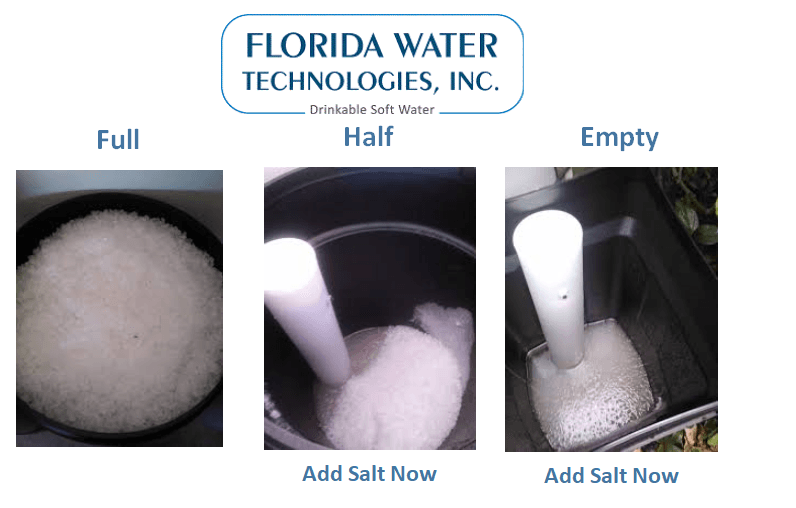
- Check Salt Levels: Every 1-2 months. Keep the brine tank at least half full.
- Clean the Brine Tank: Once a year. Remove sludge and salt bridges.
- Replace or Clean Resin Beads: Every 10 years, or as needed.
- Schedule Regular Regeneration: Most softeners do this automatically, but make sure it’s working.
- Check for Leaks and Bypass Issues: Especially after plumbing work.
Practical tip: Mark your calendar for regular checks. Most softener problems start small and get worse over time.
Advanced: Water Softener Types And Their Impact On Softness
Not all softeners are the same. The type you choose affects how soft your water gets, and how much control you have.
Salt-based Ion Exchange Softeners
- Most common
- Remove nearly all hardness
- Allow for some adjustment
Salt-free Water Conditioners
- Do not remove minerals, but change how they behave
- Water tests still show hardness, but less scale forms
- Not true softening, but useful for some needs
Dual-tank Softeners
- Two resin tanks, for large homes or high water use
- More consistent softening
Magnetic Or Electronic Descalers
- Claim to reduce scale without removing minerals
- Mixed evidence, not true softening
Key takeaway: If you want truly soft water, only salt-based ion exchange softeners deliver 0–1 gpg levels.
Comparing Softener Performance And Water Softness
Here’s a look at how different softener types affect final water softness:
| Softener Type | Expected Softness (gpg) | Removes Hardness Minerals? |
|---|---|---|
| Salt-based Ion Exchange | 0-1 | Yes |
| Salt-free Conditioner | No change | No (alters form only) |
| Magnetic Descaler | No change | No |
Health Concerns: Is Very Soft Water Safe?
For almost everyone, water softened to 0–1 gpg is safe. The small increase in sodium is not a problem unless you are on a strict sodium-free diet. In that case:
- Use potassium chloride instead of salt
- Keep one tap unsoftened for drinking
- Install a reverse osmosis filter for extra purity
If you have infants or people with kidney issues at home, ask your doctor about drinking softened water. For more on water safety, see the guidance from the Centers for Disease Control and Prevention.
Common Myths About Soft Water
There is a lot of confusion about soft water. Let’s clear up a few myths:
- Myth: Soft water is unsafe to drink.
Fact: For most people, soft water is perfectly safe. The sodium added is very low.
- Myth: Soft water makes you feel slimy because of chemicals.
Fact: The slippery feeling is just your skin’s natural oils, not chemicals.
- Myth: All water softeners produce the same softness.
Fact: Only salt-based softeners deliver true soft water.
- Myth: You can soften water too much.
Fact: Softness cannot go below zero. Very soft water is not harmful.
How To Troubleshoot If Water Is Not Soft Enough
If you notice hard water symptoms after installing a softener, act quickly:
- Test the Water: Use test strips at several taps.
- Check the Softener: Is it plugged in and regenerating?
- Inspect for Bypass: Make sure no water is going around the softener.
- Check Salt Level: Low salt means poor performance.
- Clean the Softener: Salt bridges or resin fouling reduce effectiveness.
- Call a Professional: If you can’t find the problem, a pro can check resin, valves, or settings.
Pro tip: Hardness can creep up slowly. Test every few months, not just when you see problems.
Saving Money And Extending Appliance Life With The Right Softness
Soft water means less scale, which saves money in two big ways:
- Lower energy bills: Water heaters use less energy because there’s no scale to slow heat transfer.
- Fewer repairs and longer life: Appliances like dishwashers, washing machines, and coffee makers last longer.
Studies show that just 1/16 inch of scale on a heating element can increase energy use by 15%. Over a few years, that adds up. Keeping water at 0–1 gpg makes a big difference.
Environmental Impact: Is Soft Water Better?
Using a water softener uses salt and water (for regeneration). Some worry about the impact on the environment. Here’s what you need to know:
- Modern softeners use less salt: New systems are more efficient.
- You can recycle softened water: Use unsoftened water for your garden, soft water for inside the house.
- Proper maintenance reduces waste: A well-set softener uses less salt and water.
If you are concerned about salt discharge, look for high-efficiency softeners or consider potassium chloride.
Practical Tips For Everyday Use
- Mark your calendar: Check salt and regeneration monthly.
- Test water hardness: Every 3–6 months, at multiple taps.
- Clean the brine tank: Once a year.
- Use a bypass for outside taps: Plants and lawns prefer hard water.
- If you dislike the taste: Add a reverse osmosis filter for drinking water.
- Explain to guests: Some may not be used to soft water’s feel.
- Keep records: Write down test results and maintenance dates.
Frequently Asked Questions
What Is The Ideal Water Hardness Level After Softening?
The ideal water hardness after using a softener is 0 to 1 gpg (0–17 mg/L). This is soft enough to prevent scale and maximize appliance life, but not so soft that it causes problems.
Credit: www.watersmartsystems.com
Is Soft Water Safe To Drink Every Day?
Yes, for most people soft water is safe to drink. The added sodium is low (about 12.5 mg per 8 oz glass if your original water was 10 gpg). If you are on a sodium-restricted diet, use potassium chloride or a bypass tap for drinking water.
Why Does My Water Feel Slippery After Softening?
Soft water does not leave mineral residue on your skin, so soap rinses off more completely. The slippery feeling is your natural skin oils, not chemicals.
Credit: www.floridawatertechnologies.com
How Can I Test If My Water Is Soft Enough?
Use a hardness test strip or an electronic meter. Dip the strip in your tap water and compare the color to the provided chart. You want a reading of 0–1 gpg.
What Should I Do If My Water Is Not Soft Enough After Installing A Softener?
Test water at several taps to rule out bypass lines. Check salt levels and regeneration cycles. Clean the brine tank if needed. If the problem continues, call a professional to check the resin beads or valve function.
Final Thoughts
Getting the right level of softness after a water softener is not hard, but it does need attention. Aim for 0–1 gpg for most home needs. Test regularly, keep your softener maintained, and adjust if your preferences or health needs change. With the right setup, you’ll enjoy spot-free dishes, soft laundry, and longer-lasting appliances, all while protecting your plumbing and saving money over time. Remember—perfectly soft water is not just a luxury; it’s a practical choice for a better home.