
Camping is a chance to escape into nature, relax, and enjoy simple pleasures—like hot coffee in the morning or a warm meal at sunset. For many outdoor lovers, a portable propane stove is the heart of the campsite kitchen. If you’re using a Coleman propane camping gas canister for the first time, the process can seem a bit confusing.
But with the right steps, you’ll find it’s easy, safe, and quick. Understanding how to attach Coleman propane camping gas properly is an essential skill for any camper, whether you’re a beginner or a seasoned outdoor chef.
This guide will walk you through everything you need to know. You’ll learn how Coleman propane canisters work, what equipment you need, and how to connect the gas for different appliances. We’ll also cover safety tips, troubleshooting advice, and common mistakes people make (so you can avoid them).
With these clear instructions, you’ll be ready to cook, boil water, or enjoy a cozy campfire—without worry or wasted gas.
Understanding Coleman Propane Camping Gas
Coleman is a well-known name in the camping world. Their small, green propane canisters—usually 16. 4 ounces—are found in many camping stores. These canisters are designed for portability and ease of use. They’re made to attach directly to camping stoves, lanterns, heaters, and some grills.
Propane is a clean-burning fuel, which means it produces little soot or smoke. It works well even in cold weather and burns hotter than butane. Each canister is filled with pressurized liquid propane, which turns to gas as it leaves the valve.
When you attach it properly, you get a steady, controlled flame for cooking or heating.
Types Of Coleman Propane Canisters
Most people use the standard 16.4 oz green canister. However, Coleman also offers larger tanks (5 lbs, 20 lbs) for bigger setups or RVs. These larger tanks need an adapter hose for connection, while the small canisters screw directly onto compatible devices.
Here’s a quick comparison:
| Type | Size | Common Use | Connection |
|---|---|---|---|
| Small Canister | 16.4 oz | Stoves, lanterns | Direct screw-on |
| Medium Tank | 5 lbs | Grills, heaters | Adapter hose |
| Large Tank | 20 lbs | RV, big grills | Adapter hose |
For most camping trips, the 16.4 oz canister is perfect: light, safe, and enough for several meals.
Why Propane?
Propane is preferred for camping because:
- It works in low temperatures (unlike butane, which struggles in the cold)
- It’s easy to store and transport
- The canisters are disposable and recyclable in many areas
Essential Equipment For Attaching Coleman Propane Gas
Before you start, make sure you have all the necessary gear. Here’s what you need:
- Coleman propane canister (16.4 oz, or another size if your device supports it)
- Camping stove, lantern, or heater designed for propane use
- Connection fitting or regulator (most Coleman stoves include this)
- Wrench or pliers (only if your device requires tightening beyond hand strength—most don’t)
- Leak detection solution (soapy water works well)
If you’re connecting to a large tank, you’ll also need an adapter hose. This lets you use a bigger propane source with a small device.
Checking Your Equipment
Before heading out, inspect all connections and hoses. Look for cracks, rust, or damage. Make sure the threads on the canister and appliance are clean and not bent. Even small dents on the canister valve can cause leaks. Always use genuine parts; mixing brands or using damaged equipment can be dangerous.

Credit: www.walmart.com
Step-by-step Guide: How To Attach Coleman Propane Camping Gas
Attaching propane is simple if you follow the steps carefully. Here’s how to do it safely and correctly:
1. Choose A Safe Location
Set up your stove or device on a flat, stable surface. Make sure you’re outdoors or in a well-ventilated area. Never connect propane inside a tent, car, or small enclosed space.
2. Check All Parts
Make sure the stove’s control knob is turned off. Double-check that the canister is undamaged and the valve is clean. If you see dirt or oil, wipe it off with a dry cloth.
3. Remove The Cap
Most Coleman propane canisters have a small plastic cap covering the valve. Remove this and keep it for later, so you can re-cap the canister when not in use.
4. Align And Attach
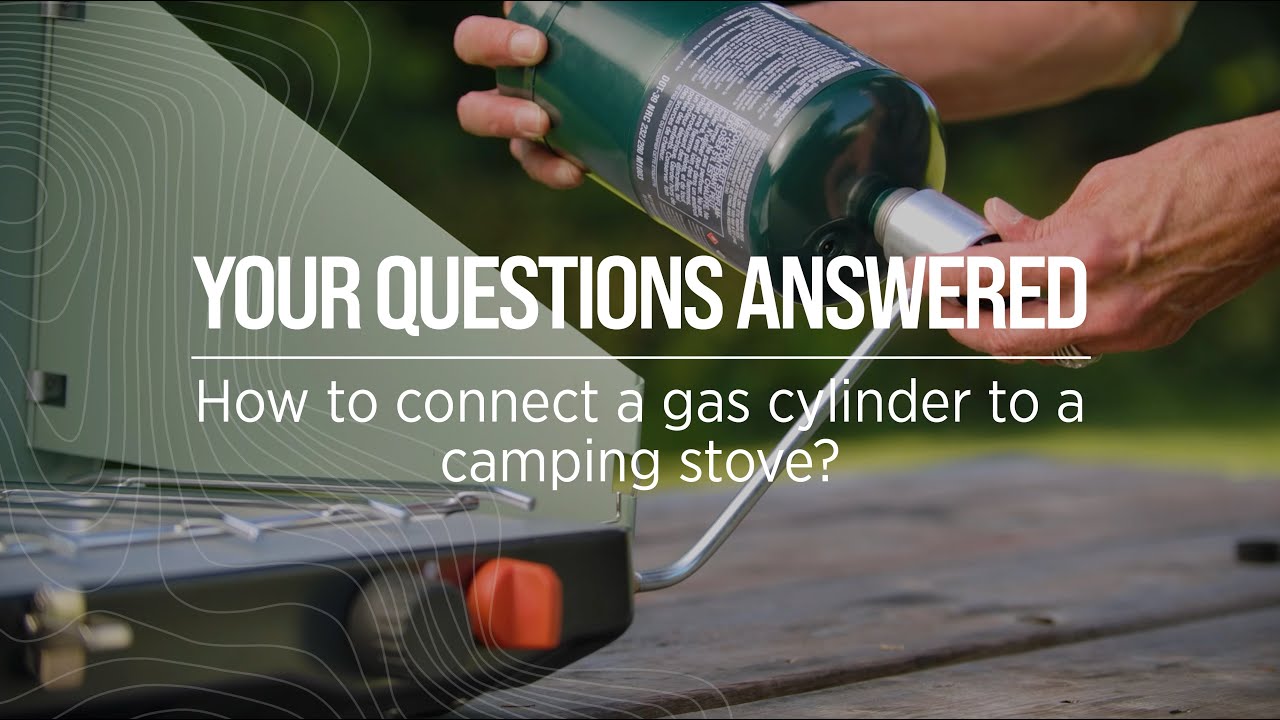
Hold the canister upright. Line up the threaded end of the canister with the regulator or connection port on your stove or device.
- Insert the canister straight—never at an angle.
- Gently turn the canister clockwise (right) to thread it onto the connection.
- Hand-tighten only. Do not use tools unless the instructions say so. Overtightening can damage the threads or valve.
You may hear a slight hiss for a split second. This is normal as the connection is made, but it should stop immediately. If it continues, disconnect and check for cross-threading or debris.
5. Test For Leaks
Before lighting, check for leaks. The easiest way is to apply a bit of soapy water around the connection. Turn the stove’s control knob on for a second (don’t light it yet). If you see bubbles forming, there’s a leak.
- Disconnect and try again
- Check for damaged threads or dirt
- If the leak persists, replace the canister or device
Never use a match or lighter to check for leaks.
6. Ignite
Once you’re sure there are no leaks, turn the stove’s control knob to the “light” position and ignite with a match or built-in piezo starter. Adjust the flame as needed.
7. After Use
When finished, turn off the stove and let it cool. Unscrew the canister if you’re packing up or leaving for a long time. Store the canister upright, in a cool, ventilated spot.
Special Steps For Different Appliances
Not all camping gear attaches the same way. Here’s how to handle the most common devices:
Attaching To A Camping Stove
Most Coleman stoves have a threaded port for direct connection. Some two-burner models use a regulator tube that connects to the stove on one end and the canister on the other.
- Attach the regulator tube to the stove first
- Then screw the canister onto the tube, hand-tighten, and test for leaks
Attaching To A Lantern
Coleman lanterns usually have a small threaded inlet below the fuel knob. The steps are the same: upright canister, hand-tighten, check for leaks, then light.
Using With A Portable Heater
Portable heaters sometimes have a larger regulator or require an adapter. Check the instructions. Always keep the heater on a stable, non-flammable surface and away from sleeping areas.
Using An Adapter Hose For Large Tanks
If using a 20 lb propane tank, you’ll need an adapter hose and possibly a regulator.
- Attach the hose to the tank and stove (following the same leak check)
- Open the tank valve slowly
- Never over-tighten
This setup is useful for long camping trips or group cooking.
Common Mistakes And How To Avoid Them
Many first-timers make small errors that can lead to leaks, wasted fuel, or even danger. Here are mistakes to avoid:
1. Cross-threading The Connection
If the canister isn’t aligned perfectly, the threads can cross and damage the valve. Always start straight and turn gently.
2. Overtightening
Hand-tight is enough. Using a wrench can crack the fitting or strip the threads.
3. Skipping The Leak Test
Even new equipment can leak. Always check with soapy water before lighting.
4. Using Damaged Canisters
Never attach a rusty, dented, or punctured canister. Even a small dent near the valve can cause problems.
5. Attaching In A Closed Space
Propane is heavier than air and can settle. Always connect outdoors or in an open area.
6. Leaving The Canister Attached After Use
For safety, disconnect the canister if you’re not using the appliance for a long time.
7. Not Keeping The Canister Upright
Attaching at an angle can cause leaks and make lighting difficult.
Non-obvious Insights
- If you camp at high altitudes or in cold weather, propane works much better than butane. But, the canister pressure can be higher in heat—so always connect in the shade and never next to a fire or direct sun.
- Newer Coleman stoves have a safety shutoff if they detect a leak. If your stove won’t light or stops suddenly, check the connection and try reattaching.
Safety Tips For Coleman Propane Camping Gas
Propane is safe when used correctly, but accidents can happen if you’re careless. Follow these safety guidelines:
- Always store canisters upright and away from direct sunlight or heat sources.
- Do not puncture or incinerate empty canisters. Dispose of them according to local regulations (some areas have recycling programs).
- Transport canisters in a well-ventilated area, never inside your sleeping bag or tent.
- Check expiration dates. Most canisters last many years, but old or corroded ones should be replaced.
- Use only approved appliances that are designed for propane.
- Keep children and pets away from the connection while attaching or disconnecting.
- Know where the shutoff is. In case of emergency, quickly turn the stove or tank valve off.
Credit: www.youtube.com
How Long Does A Coleman Propane Canister Last?
A key question for campers: how much cooking time do you get from one canister? Here’s a quick guide.
A typical 16.4 oz canister will last:
- 2 hours on high flame (one-burner stove)
- 4-5 hours on low flame
- 7-8 hours for a lantern
Here’s a comparison for common camping appliances:
| Appliance | Burn Rate (oz/hr) | Run Time (16.4 oz canister) |
|---|---|---|
| Single Burner Stove (High) | 8.0 | ~2 hours |
| Lantern | 2.0 | ~8 hours |
| Heater | 9.0 | ~1.8 hours |
If you’re cooking for a group or using a heater, consider bringing extra canisters or a larger tank.
Practical Tips For A Better Camping Experience
- Bring a backup canister. Even if you think one is enough, weather or cooking needs can change your plans.
- Store canisters away from food and sharp objects. A puncture can leak gas and ruin a trip.
- Use a dedicated carrying case or keep canisters in a padded bag to avoid accidental damage.
- Keep matches and a lighter handy even if your stove has a built-in starter.
- Open the control knob slowly to avoid flare-ups.
- Clean the connection port regularly. Dirt and sand can cause leaks or blockages.
Troubleshooting: What If It Won’t Attach Or Light?
Sometimes, even when you follow every step, things don’t work as expected. Here’s how to handle common problems:
Canister Won’t Screw On
- Check for dirt, sand, or bent threads on both the canister and appliance.
- If threads are damaged, do not force. Use a different canister or device.
Connection Feels Loose
- Some stoves have a rubber gasket or O-ring that may wear out. Check for cracks or missing seals.
- Replace the gasket or use a backup device.
Smell Of Gas
- If you smell gas after connecting, shut everything off and disconnect.
- Check for leaks with soapy water. Replace faulty parts.
Flame Is Weak Or Won’t Stay Lit
- Make sure the canister is full and upright.
- Check for blockages in the burner or regulator.
- In cold weather, keep the canister warm (but never over a fire).
Appliance Stops Working Suddenly
- Some stoves have a safety shutoff if pressure is too high or low.
- Reattach the canister and try again, or use a different canister.
Environmental And Disposal Concerns
Propane is a fossil fuel, but it’s cleaner than gasoline or kerosene. Still, empty canisters can create waste if not handled properly.
- Recycle if possible. Many parks and cities have programs for recycling empty propane canisters. Check local guidelines.
- Never burn or crush canisters. Even “empty” canisters can explode if heated or punctured.
- Leave no trace. Carry out all fuel containers and trash from your campsite.
For more information on safe disposal, you can visit the EPA’s guide on hazardous waste.

Credit: www.amazon.com
When Should You Replace Or Stop Using A Canister?
- If you notice rust, deep dents, or a stuck valve, replace the canister.
- If the connection hisses or leaks even after cleaning, stop using it.
- Old canisters (over 10 years) are best recycled or disposed of, even if they look fine.
Upgrading Your Setup: Adapters And Accessories
Coleman and other brands offer several accessories to make your camping kitchen more flexible.
- Adapter hoses let you connect small stoves to large 20 lb tanks for longer run time.
- Y-splitters allow you to run two appliances from one tank.
- Pressure regulators give you more flame control for cooking.
If you upgrade, always use approved, name-brand accessories and follow the instructions.
Frequently Asked Questions
How Do I Know If My Coleman Propane Canister Is Empty?
Shake the canister gently. If you don’t hear any liquid sloshing or it feels very light, it’s likely empty. Some stoves will show a weak, sputtering flame when the canister is nearly out. There are also small pressure gauges you can buy, but for most campers, weight and sound are enough.
Can I Refill My Coleman Propane Canisters?
Coleman does not recommend refilling disposable canisters—they’re designed for single use. Refilling can be dangerous because it may damage the valve or lead to leaks. If you want a refillable option, look for tanks designed for that purpose.
Is It Safe To Transport Coleman Propane Canisters In My Car?
Yes, but keep them upright and away from heat sources (like direct sun or heater vents). Never store them inside a hot car for long periods. Always transport canisters in a well-ventilated area.
What Should I Do If I Smell Gas After Attaching The Canister?
Immediately turn off the appliance and disconnect the canister. Move away from any flames. Check for leaks with soapy water. If you see bubbles or still smell gas, replace the canister or device.
Are There Any Alternatives To Coleman Propane Canisters?
Yes. Some campers use butane canisters or liquid fuel bottles (like white gas). Butane is lighter and burns clean but doesn’t work well in cold weather. Liquid fuel is more complex to use and requires priming. For most people, Coleman propane is the easiest, safest choice for camping.
Camping should be about fun, not stress. When you know how to attach Coleman propane camping gas the right way, you can focus on cooking, relaxing, and enjoying the outdoors. Safe travels—and happy camping!