
Bending a rubber fuel line might sound simple, but it’s easy to make mistakes that cause kinking, fuel flow problems, and even leaks. Whether you’re working on a car, motorcycle, boat, or small engine, the way you bend a rubber fuel line has a big impact on safety and performance. Many beginners damage their fuel lines without realizing it, leading to costly repairs or even dangerous situations. If you want your fuel system to last and work reliably, it’s essential to learn how to bend a rubber fuel line without causing kinks.
Most people know that rubber fuel lines are flexible, but they often miss that this flexibility has limits. Push the bend too far, and the inside of the curve collapses, blocking fuel. This can make your engine stall, run poorly, or even leave you stranded. A smooth, kink-free bend keeps fuel flowing at the correct pressure and prevents damage to the line itself.
In this guide, you’ll discover all the steps, tools, and techniques needed to bend rubber fuel lines the right way. You’ll learn why kinks happen, what materials to use, and how to get professional-looking results—even if you’re a complete beginner.
Let’s dive in and make sure your next fuel line job is safe, smooth, and trouble-free.
Why Rubber Fuel Lines Kink
Even the best rubber fuel lines can kink if they’re bent incorrectly. Understanding why kinks happen is the first step to avoiding them.
When you bend a rubber hose, the inner side of the bend compresses while the outer side stretches. If the curve is too tight, the inner wall collapses, creating a sharp fold or kink. This blocks fuel flow and puts extra stress on the material, which can lead to cracks or leaks over time.
Another reason for kinking is using the wrong type or size of hose. Some hoses are made for vacuum or air, not fuel. Others might be too thin or soft to hold their shape. Cheap or old hoses are also more likely to kink because the rubber loses its flexibility.
If you’re working in tight spaces, you may be tempted to force the hose into a sharp angle. This almost always causes problems. Instead, you need to plan your bends and use the right methods to keep the hose round and open inside.
Choosing The Right Rubber Fuel Line
Before you even start bending, make sure you’re using the right type of fuel line. Not all rubber hoses are created equal, and using the wrong one can lead to kinks, leaks, or even fuel system failure.
Key Factors To Consider
- Material: Look for hoses made specifically for fuel, such as nitrile rubber (NBR) or hoses with a fuel-resistant lining. Standard rubber or PVC hoses will not last with gasoline, diesel, or ethanol blends.
- Diameter: Use the correct inner and outer diameter for your system. Too small, and the hose will kink easily; too large, and it may not fit securely.
- Wall Thickness: Thicker walls resist kinking better. Thin-walled hoses are more flexible but more likely to collapse.
- Reinforcement: Some fuel lines have internal braiding or spiral reinforcement. This makes them stronger and much harder to kink.
Comparison Of Common Rubber Fuel Line Types
Here’s a quick look at popular types of rubber fuel line:
| Type | Material | Best For | Kink Resistance |
|---|---|---|---|
| Standard NBR Fuel Hose | Nitrile Rubber | Gasoline, Diesel | Medium |
| Reinforced Fuel Hose | Nitrile with Braided Reinforcement | Automotive, Marine | High |
| Non-Fuel Rubber Hose | Generic Rubber | Water or Air Only | Low |
Pro tip: Always check for a SAE or ISO rating printed on the hose. This means it’s been tested for fuel use.
Preparing To Bend A Rubber Fuel Line
A successful bend starts with proper preparation. Skipping these steps is a common beginner mistake that leads to kinks and leaks later.
Steps To Get Ready
- Measure Twice: Know exactly how much hose you need and where the bends will be. Leave extra length for adjustments.
- Inspect the Hose: Look for cracks, hard spots, or signs of aging. Never reuse old, brittle hose.
- Clean Work Area: Dirt or debris can get inside the hose and damage your fuel system. Work on a clean surface.
- Warm Up the Hose: Flexible hoses bend better when slightly warm. Leave the hose in a warm room or use a hair dryer (not a heat gun) for a few minutes.
Common mistake: Trying to bend a cold or stiff hose. This almost always causes kinks.
Tools And Aids For Bending Without Kinking
You don’t need expensive tools, but a few simple aids make a big difference.
Essential Tools
- Sharp Utility Knife: For clean, square cuts.
- Lubricant: A drop of silicone spray or soapy water helps the hose slide into place.
- Hose Bending Springs: Metal springs that fit inside the hose and keep it round during bending.
- Mandrels or Dowels: Smooth rods that help shape the bend.
Optional But Useful
- Heat Gun or Hair Dryer: For gentle warming (never overheat).
- Zip Ties or Tape: Temporarily hold the hose in shape while routing.
- Flexible Curve Tool: Useful for marking the desired bend radius.
Real-world example: Many professional mechanics use internal bending springs for tight bends. These are available at most auto parts stores.
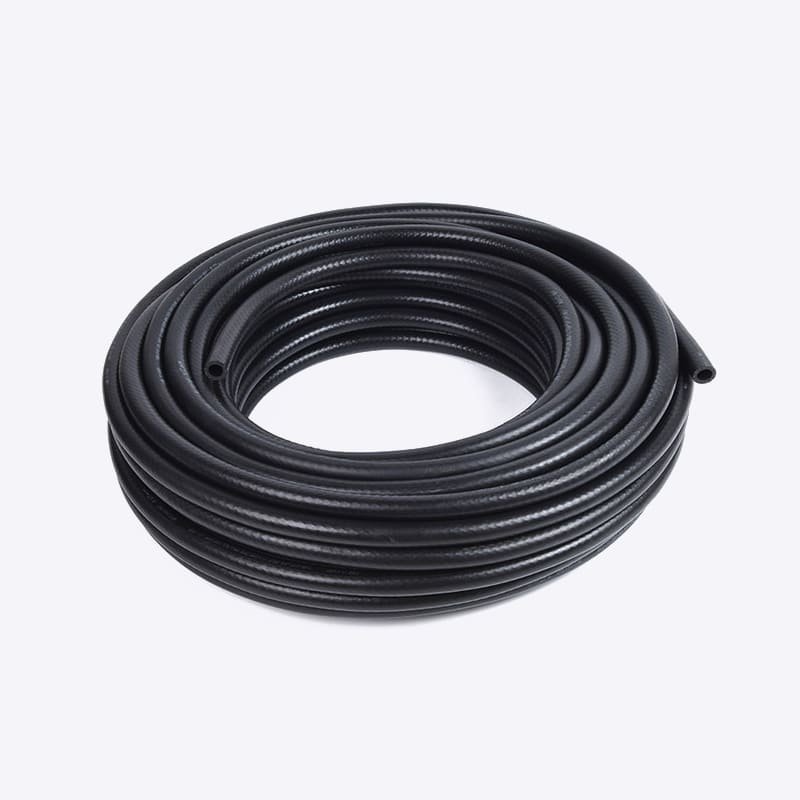
Credit: hbkinglinrubber.com
Step-by-step: How To Bend A Rubber Fuel Line Without Kinking
Here’s a practical, detailed process you can use for most rubber fuel lines.
1. Plan Your Bend
Visualize the hose path and mark where the bends will go. Use a flexible ruler or even a piece of wire to model the shape first. This helps you avoid sharp turns and plan for smooth, gentle curves.
2. Cut The Hose To Length
Always cut the hose with a sharp utility knife at a right angle. Jagged ends make installation harder and can damage fittings.
Non-obvious insight: Add 2-3 cm extra length for each bend. Bending can slightly shorten the hose.
3. Warm Up The Hose
If the hose is stiff, gently warm it with a hair dryer. Aim for “just warm”—never hot. Warm rubber bends more smoothly and is less likely to kink.
4. Insert A Bending Aid (if Needed)
For tight bends, slide a hose bending spring or a smooth metal rod inside the hose where the bend will go. This keeps the inside round and supports the walls during bending.
Beginner mistake: Bending by hand without any internal support for sharp curves.
5. Make The Bend Slowly
With the spring or mandrel in place, gently form the hose to the desired shape. Go slowly and check as you bend. The inside wall should stay round, not flatten.
If you’re using just your hands, support the hose evenly and avoid pinching or squeezing.
6. Check For Kinks
After bending, look closely at the inside curve. It should be smooth and open, with no flattened areas or sharp folds. If you see a kink, straighten and try again with a gentler curve or more support.
7. Remove The Bending Aid
Once the hose holds its shape, carefully remove the spring or rod. If it sticks, twist gently as you pull. Do not yank; this can damage the hose.
8. Install The Hose
Route the hose in its final position. Make sure the bend is not under tension or rubbing against anything sharp. Secure with proper clamps, but do not overtighten.
Practical tip: Avoid bending the hose close to fittings. Leave at least two hose diameters of straight length before any bend.
Techniques For Tight Bends
Sometimes, you need a very tight bend—such as in an engine bay with limited space. Here are methods that help:
Using An Internal Spring
This is the most reliable method for tight bends.
- Choose a spring that fits snugly inside the hose.
- Insert the spring past the bend area.
- Bend the hose slowly to the desired angle.
- Remove the spring carefully.
Filling With Sand Or Salt (temporary)
For extreme bends, fill the hose with dry sand or salt before bending.
- Seal one end with tape.
- Fill the hose with clean, dry sand or table salt.
- Seal the other end.
- Bend the hose to shape.
- Empty the sand/salt completely and rinse out any residue.
Warning: This is a last-resort method. Clean the hose very well after!
Pre-formed Elbows
If a bend is too tight for any method above, use a pre-molded rubber elbow. These 45° or 90° pieces are available in many sizes and are designed to handle sharp turns without kinking.
Minimum Bend Radius: How Tight Is Too Tight?
Every hose has a minimum bend radius—the smallest curve it can make without kinking. This is usually about 5-7 times the hose’s outer diameter.
For example, if your hose is 10 mm in diameter, the minimum safe bend radius is 50-70 mm.
Typical Minimum Bend Radii
| Hose Outer Diameter (mm) | Minimum Bend Radius (mm) | Best Use |
|---|---|---|
| 8 | 40-56 | Small engines |
| 10 | 50-70 | Cars, motorcycles |
| 12 | 60-84 | Performance/fuel injection |
Non-obvious insight: Some reinforced hoses can handle slightly tighter bends, but always check the manufacturer’s specs.
Mistakes To Avoid When Bending Rubber Fuel Lines
Many DIYers and even pros repeat common mistakes. Here’s what to watch for:
- Bending too close to a fitting: This puts stress on the joint and causes leaks.
- Using old or weathered hose: Aged rubber cracks and kinks more easily.
- Forcing a cold hose: Stiff hoses are more likely to kink.
- Ignoring minimum bend radius: Trying to force a tighter bend than the hose allows.
- Not supporting the hose during bending: Always use your hands, a spring, or a mandrel for control.
- Over-tightening clamps: This can crush the hose and create a hidden kink.
- Routing near hot engine parts: Heat weakens rubber and increases kinking risk.
- Skipping inspection: Always check for kinks after bending.
Tips For Long-lasting, Safe Fuel Line Installations
Getting the bend right is only part of the job. Make sure your fuel line stays safe and reliable.
Practical Advice
- Secure the hose: Use proper clamps and mounts to keep it from moving or rubbing.
- Avoid sharp edges: Route away from metal parts that could cut the hose.
- Check regularly: Inspect bends at every service for signs of wear or kinks.
- Replace if in doubt: Fuel line is cheap compared to engine repairs or fire risk.
Example: Car Engine Bay
In a modern car, the engine bay is crowded, and fuel hoses often need to make tight turns. Use reinforced hoses and internal springs for bends near the firewall or under the intake manifold. Never let the hose touch hot exhaust parts, as this quickly ages the rubber.
Real-world Applications And Case Studies
Let’s see how these techniques work in different settings.
Automotive
A mechanic needs to route a new fuel line in a classic car. The fuel pump and carburetor are close together, but the path requires a 90° bend. Instead of forcing the hose, the mechanic uses a pre-formed elbow and secures it with proper clamps. The result: no kinks, no leaks, and a professional look.
Motorcycles
Motorcycle fuel lines are often exposed and have little room to bend. Riders who try to bend standard hose too sharply end up with kinks that starve the engine. The solution: use reinforced hose and a bending spring, or swap to a molded elbow for very sharp angles.
Small Engines (lawn Mowers, Generators)
Small engines use thin hoses that kink easily. Filling the hose with salt for a one-time tight bend can work, but always flush out the hose completely before use.
Marine
Boat fuel lines must handle vibration and tight spaces. Marine-rated hoses have extra reinforcement, and bends are often made with springs or special guides.

Credit: www.mytractorforum.com
Troubleshooting: What To Do If You Get A Kink
Despite your best efforts, sometimes a kink happens. Here’s what you can do:
- Straighten the hose: Remove the bend and let the hose relax. Sometimes the kink will disappear.
- Warm the hose: Gently heat and reshape, then let cool in the correct shape.
- Use a support: Insert a spring or dowel and reshape the bend.
- Replace: If the kink left a permanent crease or weakened the hose, replace it. Never risk a leak.
How Often Should You Replace Rubber Fuel Lines?
Rubber fuel lines don’t last forever—even with perfect bends. Most manufacturers recommend replacement every 5-7 years, or sooner if you see cracks, hard spots, or leaks. Ethanol-blended fuels can shorten hose life, so check often.
If you’re upgrading or repairing an older vehicle, always replace old hoses. It’s a small investment for peace of mind.
Comparing Rubber Fuel Lines With Other Materials
Why not use plastic or metal instead of rubber? Here’s a quick comparison.
| Material | Flexibility | Kink Resistance | Best Use |
|---|---|---|---|
| Rubber | High | Medium | Most automotive, small engines |
| Plastic (Nylon/Evoprene) | Medium | High | Modern cars, some motorcycles |
| Metal (Steel/Aluminum) | Low | Very High | High-pressure systems, underbody |
Rubber is best for ease of installation and flexibility. Metal is used where strength and safety are critical. Plastic is common in modern cars but requires special tools for bends and fittings.
For more technical details, check out this Wikipedia overview of fuel lines.
Frequently Asked Questions
How Do I Know If My Rubber Fuel Line Is Safe To Bend?
Check the hose for any cracks, stiffness, or discoloration before bending. If the hose is flexible, smooth, and marked for fuel use, it’s safe to bend using the methods described above. Avoid bending old or generic hoses, as they are more likely to kink or leak.
What’s The Tightest Bend I Can Make In A Rubber Fuel Line?
The minimum bend radius is usually 5-7 times the hose’s outer diameter. For example, a 10 mm hose should not be bent tighter than a 50-70 mm radius. For tighter bends, use an internal spring or a pre-formed elbow to avoid kinking.
Can I Use Heat To Help Bend A Rubber Fuel Line?
Yes, gentle heat (hair dryer, not heat gun) can make the hose more flexible. Only warm the hose to the touch—never make it hot, or you risk damaging the rubber. Always support the hose during bending.
What Happens If I Install A Fuel Line With A Kink?
A kink restricts fuel flow, which can cause engine stalling, poor performance, or fuel starvation. Over time, the kinked area may crack or leak, creating a fire hazard. Always inspect your bends and redo any with kinks.
Are There Special Hoses For Tight Bends?
Yes, you can buy pre-molded rubber elbows (45°, 90°) and reinforced fuel hoses designed for tight curves. These are available at most auto parts stores and are the safest option for sharp bends.
Making smooth, kink-free bends in rubber fuel lines takes planning, the right materials, and a few simple techniques. By following the steps above, you’ll ensure your fuel system works reliably, safely, and efficiently for years to come.

Credit: www.youtube.com