
Changing the color of Corian countertops can give your kitchen or bathroom a whole new look without the cost and mess of full replacement. Many homeowners wonder if it’s possible to refresh these surfaces with a different color, and the answer is yes—with the right preparation, products, and care. However, this is not a simple paint job. Corian is a solid-surface material made by DuPont, known for its non-porous nature, stain resistance, and smooth finish. These qualities make it durable but also trickier to recolor.
If you’re considering changing your Corian countertop’s color, it’s important to understand the process and what to expect. This article covers everything you need to know: from deciding if you should recolor, to selecting the right materials, step-by-step instructions, professional vs. DIY options, and how to maintain your new finish. You’ll also discover common pitfalls, expert tips, and answers to questions that most beginners miss. By the end, you’ll be equipped to make a confident decision and, if you go ahead, achieve the best possible result.
Understanding Corian Countertops
Corian is a brand name for a type of solid surface countertop developed by DuPont. Unlike natural stone, Corian is made from a blend of acrylic polymer and natural minerals. This gives it a seamless look, a silky smooth touch, and the ability to be shaped into almost any form. It’s non-porous, which means liquids and stains don’t penetrate the surface easily. That’s great for hygiene and cleaning, but it also means regular paint won’t stick well.
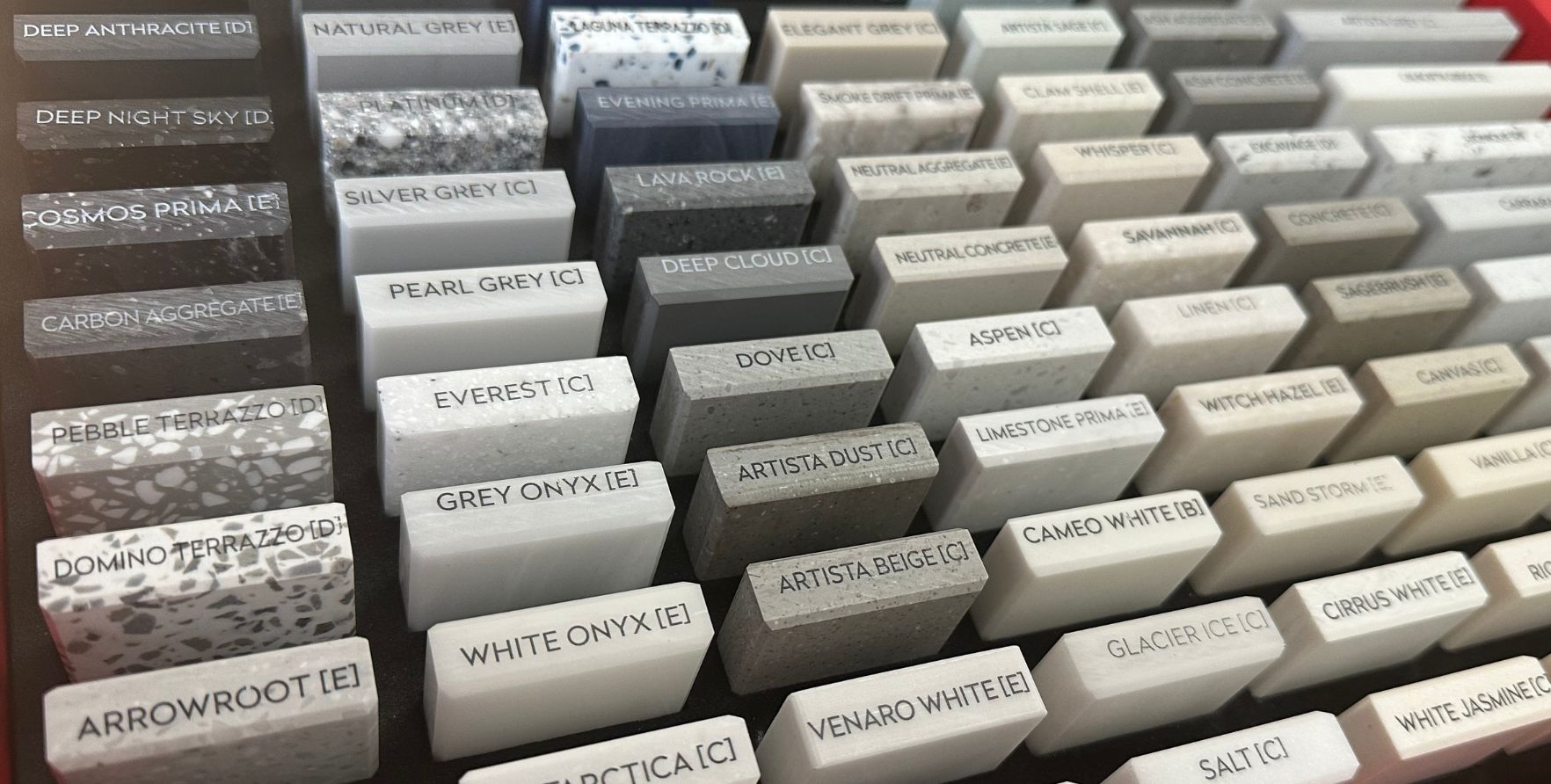
Corian is available in dozens of colors and patterns, but styles can go out of fashion or become worn over time. If your countertop looks dated or you simply want a change, recoloring can be a cost-effective solution—if you do it right.
Should You Change The Color Of Your Corian Countertop?
Before you start, ask yourself why you want to change the color. If your countertop is deeply scratched, cracked, or has structural problems, recoloring won’t fix these issues. In these cases, replacement or professional resurfacing may be better. But if the surface is in good shape and you want a new color, recoloring can be a smart choice.
Key reasons to recolor:
- Outdated color or style
- Minor stains or discoloration
- Desire for a fresh new look
- Cost savings compared to replacement
When not to recolor:
- Surface is cracked or warped
- Deep gouges or burns
- You want a dramatic texture change (e.g., turning a matte surface into high gloss)
Can You Really Paint Corian?
Many people wonder if painting Corian is possible. The answer is yes, but with some warnings. Because Corian is non-porous and very smooth, most paints will not adhere well. Special preparation and products are required. Even then, the finish may not be as durable as the original factory color. It’s important to accept that recoloring is a cosmetic update—it can look great, but it won’t be as tough as a brand-new Corian surface.
Professionals use special coatings that bond chemically with Corian. For a DIY project, there are high-adhesion paints and two-part epoxy coatings designed for slick surfaces. The most important steps are surface preparation and following the manufacturer’s instructions exactly.
Professional Vs. Diy: Which Is Right For You?
You have two main options for changing your Corian countertop’s color: hiring a professional or doing it yourself.
Professional Recoloring
Hiring a pro usually means better results and longer-lasting finish. Professionals have access to industrial coatings and spray equipment that homeowners usually don’t. They’ll prep the surface, apply multiple coats, and finish with a protective sealant. This option costs more—expect $500 to $1,500 depending on the size and complexity—but the results can be impressive.
Diy Recoloring
DIY recoloring is cheaper but takes patience and attention to detail. You’ll need to buy specialty paints or coatings, prepare the surface perfectly, and apply several thin layers. The cost is much lower—often under $200 for materials. However, mistakes are more likely, and the finish may not last as long.
Who should choose DIY?
- You’re comfortable with tools and following instructions
- You’re willing to spend several hours on prep and application
- You understand the risks (imperfections, possible peeling)
Who should hire a pro?
- You want a flawless finish
- Your countertop is a focal point (kitchen island, main bathroom)
- You don’t have time or patience for careful prep
Choosing The Right Color And Finish
Picking the new color is an exciting step. But it’s also important to choose a finish that will work on Corian and suit your space.
Color Choices
- Light colors (white, beige, pale gray): Make rooms look bigger and cleaner, but show stains and dirt more easily
- Dark colors (navy, black, deep green): Hide marks better, but scratches are more visible
- Bold colors (red, blue, bright green): Add personality, but may not suit all decors
Consider the lighting in your room. Corian reflects light differently than stone or laminate, so bring samples into your space before deciding.
Finish Types
- Matte: Hides fingerprints and small scratches; easy to touch up
- Satin/eggshell: Slight sheen; looks modern and clean
- Glossy: Very shiny; shows scratches and smudges
Most DIY coatings produce a satin or matte finish. High-gloss finishes are harder to achieve and maintain.
What You Need: Tools And Materials
Recoloring Corian requires more than just a can of paint. Here’s what you’ll need for a typical DIY project:
- Mild cleaner and degreaser (ammonia-free)
- Fine-grit sandpaper (220 and 320 grit)
- Tack cloth or lint-free rags
- Painter’s tape and plastic sheeting
- High-adhesion primer (for non-porous surfaces)
- Epoxy or acrylic paint designed for countertops
- Foam roller or high-quality brush
- Protective gloves and goggles
- Respirator mask (for fumes)
- Top coat/sealer (optional but recommended)
Pro tip: Never use regular wall paint. It will peel and chip quickly.
Step-by-step Guide: How To Change The Color Of Corian Countertops
The key to a lasting finish is in the prep work. Rushing any step can lead to peeling, bubbling, or uneven color.
1. Clear And Clean The Countertop
Remove all objects from the countertop. Use a mild degreaser or ammonia-free cleaner to remove grease, wax, and dirt. Corian must be completely clean for paint to bond.
2. Sand The Surface
Lightly sand the entire surface using 220-grit sandpaper. The goal is to dull the shine and create a slightly rough texture—not to remove material. Wipe away all dust with a tack cloth. Repeat with 320-grit for an ultra-smooth base.
Beginner mistake: Not sanding enough. Glossy areas cause poor adhesion.
3. Protect Adjacent Areas
Tape off sinks, backsplashes, walls, and any other surfaces that shouldn’t get paint. Lay plastic sheeting on floors and cabinets. Good masking is essential for a neat result.
4. Apply High-adhesion Primer
Use a primer made for non-porous surfaces. Apply a thin, even coat with a foam roller or brush. Let it dry according to the instructions—usually 4 to 6 hours.
Expert insight: Some primers look slightly glossy when dry. That’s normal—just ensure it feels smooth and not sticky.
5. Apply The Paint
Stir the paint well. Apply the first thin coat with a foam roller, working in one direction. Avoid over-brushing, which can cause streaks. Let it dry fully—at least 6 hours, or as directed.
Apply a second coat for full coverage. Most projects require two to three coats. Let each layer dry completely before adding the next.
Insider tip: If you see bubbles, you’re rolling too quickly or with too much pressure.
6. Add A Protective Topcoat
After the final color coat dries, consider adding a clear sealer. This isn’t always necessary but adds durability and makes cleaning easier. Choose a topcoat compatible with your paint (check labels).
Apply thinly and evenly. Let it cure for 24 to 48 hours before using the countertop.
7. Remove Tape And Cleanup
Carefully peel off painter’s tape while the paint is still slightly soft. Clean brushes and rollers with the recommended solvent.
8. Let The Surface Cure
Even if the paint feels dry, don’t use the countertop for at least 48 hours. Full curing can take up to a week, especially for epoxy paints. Avoid placing heavy items, hot pans, or scrubbing during this time.
Diy Vs. Professional Results: What To Expect
Here’s a side-by-side look at DIY and professional recoloring results.
| Feature | DIY | Professional |
|---|---|---|
| Cost | $100–$250 | $500–$1,500 |
| Durability | 2–5 years (with care) | 5–10 years |
| Finish Quality | Good (possible brush marks) | Excellent (smooth, even) |
| Color Options | Limited by paint brands | Wide range (custom mixing) |
| Time Required | 1–2 days (plus curing) | Same day or overnight |
Not-so-obvious insight: Even professionals can’t make the finish as tough as factory Corian. All recolored surfaces require gentle use.
Maintenance And Care For Recolored Corian
After recoloring, taking care of your countertop is essential for a long-lasting finish. Even high-quality coatings are not as scratch-resistant as original Corian.
Best practices:
- Clean with mild soap and water; avoid harsh chemicals
- Use cutting boards—never cut directly on the surface
- Wipe spills quickly, especially acidic or oily liquids
- Avoid placing hot pots or pans directly on the countertop
- Use a soft cloth or sponge for cleaning, not abrasive pads
Advanced tip: Every few months, apply a non-abrasive countertop polish for added shine and protection.
Common Mistakes And How To Avoid Them
Many DIY recoloring projects fail because of skipped steps or impatience. Here’s how to avoid the usual pitfalls:
- Poor cleaning: Any grease or residue will cause paint to peel.
- Rushing sanding: Not dulling the surface enough means poor adhesion.
- Skipping primer: Regular paint won’t bond to Corian without it.
- Applying thick coats: Thick paint can bubble, run, or dry unevenly.
- Ignoring curing times: Using the surface too soon damages the finish.
- Wrong products: Using wall paint or non-epoxy coatings leads to quick failure.
Uncommon advice: Always check product compatibility. Some primers and paints react badly if mixed from different brands.
Credit: casf.com.au
Can You Stain Corian Instead Of Painting?
Unlike wood, Corian cannot be stained in the traditional sense. It does not absorb liquid pigment. All color changes require a surface coating. If you want a “natural stone” look, choose a faux-finish paint kit designed for countertops. These kits let you create marbled, speckled, or textured effects, but the process is more complex and requires practice.
Removing Paint From Corian: Is It Possible?
If you make a mistake or don’t like the result, removing paint from Corian is possible but tricky. Most paint removers are too harsh and can damage the surface. The safest method is careful sanding with fine-grit sandpaper, followed by re-polishing the surface.
Sometimes, a professional can refinish the top layer to restore the original look.
Warning: Never use strong solvents or steel wool on Corian—they can leave permanent damage.

Credit: www.youtube.com
When Is Replacement A Better Option?
Recoloring works best on solid, undamaged surfaces. If your Corian is chipped, cracked, or warped, no amount of paint will fix these issues. In these cases, it’s usually better to replace the countertop or have a professional resurface it with new material.
Replacement may be better if:
- The cost of recoloring is close to replacement
- The countertop is structurally compromised
- You want a different edge shape or integrated sink
Environmental And Health Considerations
Painting countertops means working with chemicals. Always ventilate the area well, wear a respirator, and keep pets and children away until surfaces are fully cured.
Eco-friendly tip: Look for low-VOC (volatile organic compound) paints and primers. These are safer for you and the environment.

Credit: www.reddit.com
How Long Will The New Color Last?
Durability depends on product quality, prep work, and how you use the countertop. Most DIY finishes last 2 to 5 years before needing touch-ups. Professional coatings can last longer—sometimes up to 10 years—but will still show wear over time.
Not-so-obvious: Small chips or scratches can usually be touched up with leftover paint and a fine brush. Keep some extra for repairs.
Comparing Corian Recoloring To Other Countertop Updates
Wondering how recoloring stacks up against other ways to update your countertop? Here’s a simple comparison.
| Method | Cost | Difficulty | Durability | Appearance |
|---|---|---|---|---|
| Recoloring (Paint/Epoxy) | Low to medium | Medium (DIY), low (pro) | Medium | Good |
| Resurfacing (New Layer) | Medium to high | High | High | Excellent |
| Full Replacement | High | High | Highest | Best |
| Countertop Film/Wrap | Low | Medium | Low to medium | Fair |
Recoloring offers a good balance of cost, effort, and result if you’re happy with the current shape and condition of your countertop.
Finding The Right Products
Not all paints and primers are created equal. Look for:
- Epoxy-based countertop paints: Designed for hard, non-porous surfaces
- Adhesion-promoting primers: Specially labeled for plastics or “difficult surfaces”
- Non-yellowing topcoats: Prevent color fade over time
Read reviews, and when in doubt, ask your local paint store for advice. Some brands even offer color-matching services for a perfect fit with your decor.
For more technical details on Corian materials, check the official Corian Wikipedia entry.
Expert Tips For A Professional-looking Finish
- Work in a dust-free space. Even small dust particles can ruin a smooth finish.
- Test your products on a scrap piece or an inconspicuous area first.
- Use long, even strokes with your roller to avoid marks and lines.
- Stay patient. Rushing between coats is the most common reason for a failed finish.
- Check lighting from different angles to spot missed areas or thin spots.
Frequently Asked Questions
How Long Does It Take To Recolor A Corian Countertop?
Most DIY projects take 1–2 days, plus several days for full curing before normal use. Professionals can often finish in a day, but always allow extra time for curing.
Will The Paint Peel Or Chip Over Time?
With proper prep and high-quality products, the finish can last for years. However, all painted surfaces are more vulnerable than factory Corian. Avoid sharp objects, heat, and harsh cleaning chemicals to prevent chipping.
Can I Use Regular House Paint On Corian?
No. Regular house paint does not bond well to non-porous surfaces like Corian. Use only paints labeled for countertop or solid-surface applications.
Is Recoloring Safe For Kitchens And Food Preparation Areas?
Yes, if you use food-safe, low-VOC products and allow full curing. Always check product labels and follow ventilation and safety recommendations.
Can I Change My Corian From A Dark Color To A Light Color (or Vice Versa)?
Yes, but going from dark to light requires extra coats of primer and paint for full coverage. Always prime thoroughly and check for even color before applying the topcoat.
Changing the color of your Corian countertop is a practical way to refresh your space without breaking the bank. With the right preparation, products, and patience, you can achieve a fresh look that lasts for years. Remember, success depends on careful cleaning, sanding, and using the right materials.
Whether you choose DIY or a professional, take your time and enjoy your “new” countertop!