
Choosing the right kitchen cabinet color can change the whole mood of your home. Cabinets are often the largest part of a kitchen, so their color matters more than you might think. Many people struggle with this decision. They worry about trends, resale value, lighting, and how colors will look with their floors and countertops.
If you are feeling uncertain, you are not alone.
This guide will help you understand how to choose the best kitchen cabinet color for your space. You will discover how colors affect mood, how to match cabinets with other kitchen elements, and how practical concerns—like cleaning and durability—play a role.
You will also learn about the latest trends, tips for small kitchens, and mistakes to avoid. By the end, you will feel confident making your choice, knowing it fits your style and lifestyle.
Understanding Color Basics
Colors have a big impact on how we feel and how a space looks. Before choosing a cabinet color, it helps to know a few basics.
- Warm colors like red, orange, and yellow make a room feel cozy and inviting.
- Cool colors like blue, green, and gray feel calm and clean.
- Neutral colors such as white, beige, and brown are classic and flexible.
The color wheel is a helpful tool. It shows how colors relate to each other. For example, colors opposite each other on the wheel (complementary colors) create strong contrast. Colors next to each other (analogous colors) look more harmonious.
Light colors reflect more light and can make a kitchen look bigger and brighter. Dark colors absorb light, making a room feel smaller but also more dramatic.
Knowing these basics helps you make smart choices. For example, if your kitchen is small, light colors can make it feel larger.
Matching Cabinet Color With Kitchen Style
Your kitchen style is a big factor in choosing cabinet colors. Some colors work better with certain styles.
Modern Kitchens
Modern kitchens often use clean lines and simple shapes. White, gray, and black are popular. These colors look sleek and match stainless steel appliances. Sometimes bold colors like navy or emerald green are used as accents.
Traditional Kitchens
Traditional kitchens use warm woods and classic details. Cream, beige, and light brown are common. These shades make the kitchen feel cozy and timeless.
Rustic Or Farmhouse Kitchens
Rustic kitchens focus on natural materials. Wood tones, sage green, and soft blue work well. Distressed or aged finishes add character.
Contemporary Kitchens
Contemporary kitchens mix styles and often use unexpected color combinations. You might see two-tone cabinets—for example, dark lower cabinets and light uppers.
Industrial Kitchens
Industrial kitchens use metal, concrete, and bold colors. Charcoal, black, and deep red look strong and stylish.
Matching your cabinet color with your kitchen style keeps the look consistent. If you are not sure what your kitchen style is, look at photos online or in magazines for inspiration.
Considering Kitchen Size And Lighting
The size of your kitchen and how much light it gets are important.
Small Kitchens
In small kitchens, light colors like white, pale gray, or soft yellow help make the space feel bigger. Dark cabinets can make a small kitchen look cramped.
Large Kitchens
Large kitchens can handle dark colors like navy, black, or deep green. These shades add drama and make the space feel cozier.
Lighting
Natural light shows colors in their true form. If your kitchen has big windows, you can use almost any color. In kitchens with little natural light, lighter cabinets help brighten the room.
Artificial lighting also affects cabinet color. Warm bulbs make colors look yellowish, while cool bulbs make them look blue or gray. Test cabinet samples under your kitchen lights before deciding.
Coordinating With Countertops And Floors
Cabinets should look good with your countertops and floors. If you already have these, your cabinet color should match or complement them.
- If your countertops are busy (lots of colors or patterns), choose simple cabinet colors.
- If your floors are dark, light cabinets create contrast.
- For light floors, dark cabinets add depth.
Here is a comparison showing how cabinet colors work with different countertops:
| Countertop Type | Best Cabinet Colors | Why It Works |
|---|---|---|
| White Marble | Gray, Navy, Black | Creates elegant contrast |
| Wood/Butcher Block | White, Sage, Cream | Feels natural and warm |
| Granite (Busy Pattern) | Solid White, Light Gray | Simplifies and balances |
| Quartz (Light Color) | Dark Blue, Green, Espresso | Adds richness and depth |
Always bring home samples and compare them in your kitchen. The way colors look in the store can be different from how they look in your home.
Popular Kitchen Cabinet Colors
Certain cabinet colors are popular because they work well in many kitchens and are easy to match.
- White: Clean, bright, and timeless. Works with any style.
- Gray: Modern and flexible. Light gray feels airy; dark gray is bold.
- Blue: Navy blue is trendy. Soft blues are calming.
- Green: Sage green is popular in farmhouse kitchens.
- Black: Dramatic and elegant, best for larger kitchens.
- Brown/Wood: Natural wood adds warmth.
- Cream/Beige: Soft and classic, easy to match.
- Two-tone: Mix light and dark colors for a modern look.
According to a survey by Houzz, white cabinets are still the most chosen, making up 43% of new kitchen remodels. Gray and blue are growing in popularity, especially in contemporary homes.
Pros And Cons Of Cabinet Colors
Each color has advantages and disadvantages. Here is a quick overview:
| Color | Pros | Cons |
|---|---|---|
| White | Brightens space, easy to match | Shows dirt and stains |
| Gray | Versatile, hides dirt | Can feel cold if overused |
| Blue | Trendy, calming | May limit resale appeal |
| Green | Fresh, natural feel | Can clash with some countertops |
| Black | Elegant, hides stains | Makes space feel smaller |
| Wood | Warm, classic | Needs regular care |
These points show why you should consider not just style, but also practical factors.
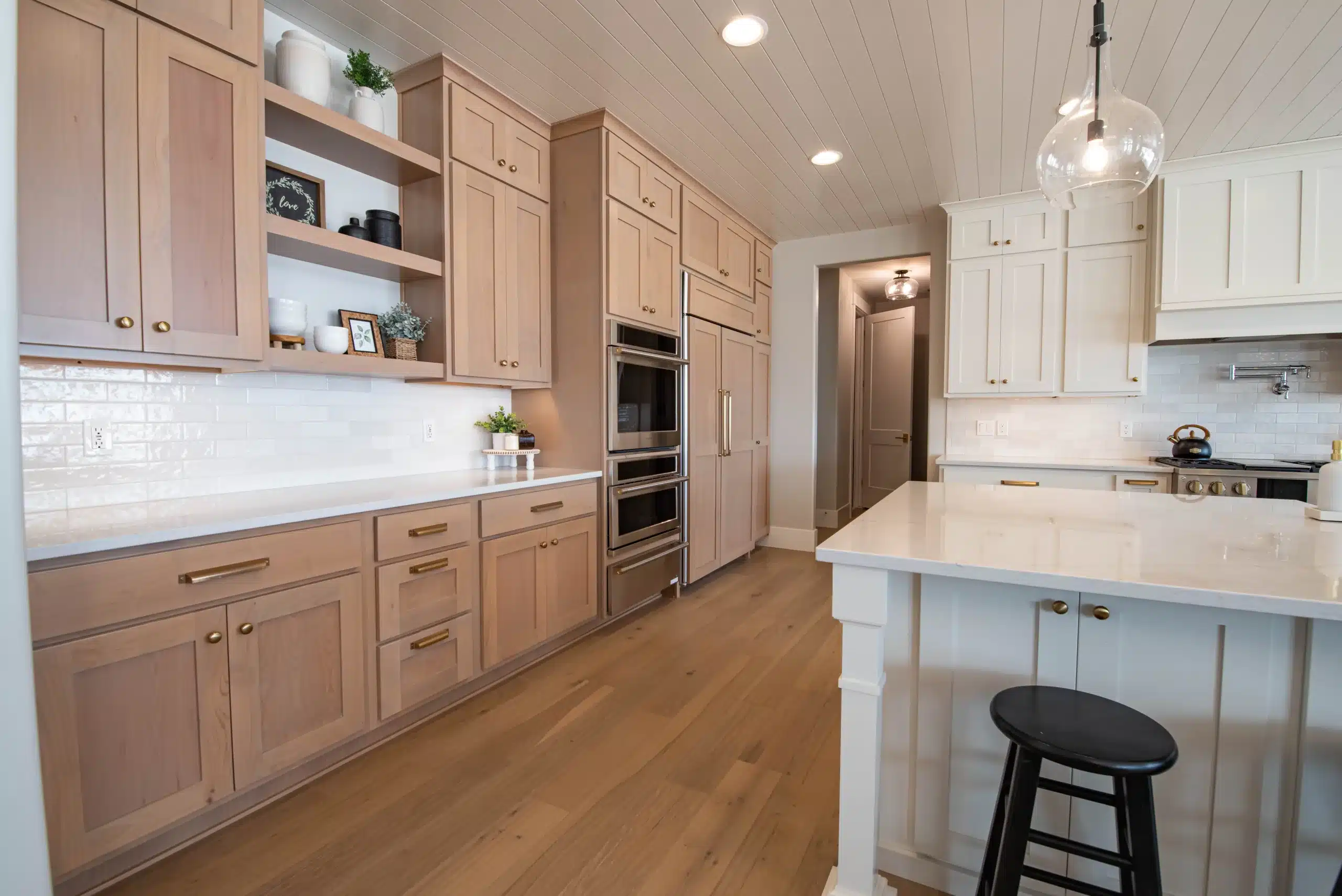
Credit: ootwc.com
Cabinet Finish: Matte, Glossy, Or Semi-gloss
Cabinet color is not the only thing that matters. The finish (the way the surface looks and feels) is also important.
- Matte: Soft look, hides fingerprints, but harder to clean.
- Glossy: Reflects light, easy to clean, shows smudges.
- Semi-gloss: A balance—some shine, easy to maintain.
Matte finishes are good for traditional and rustic kitchens. Glossy finishes work well in modern spaces. Semi-gloss is popular because it is practical and stylish.
Choosing Color For Resale Value
If you plan to sell your home, cabinet color matters. Neutral colors like white, gray, and beige appeal to more buyers. Bold or unusual colors can make your home stand out but may limit your market.
A report from Zillow found that homes with white kitchens sell faster and for a higher price. But trends can change. If you want your kitchen to reflect your personality, choose what you love.
Trends Vs. Timeless Colors
Trends are fun, but timeless colors are safer for long-term value.
- Timeless: White, gray, cream, natural wood
- Trendy: Navy, emerald green, black, two-tone
If you want to follow a trend but worry about resale, use trendy colors for lower cabinets or an island. Keep upper cabinets neutral.
Remember, trends change. Timeless colors will never go out of style.
Color Psychology In The Kitchen
Colors affect how you feel. Here are some common cabinet colors and their psychological effects:
- White: Clean, pure, makes people feel organized.
- Blue: Calm, stable, may lower appetite.
- Green: Fresh, healthy, brings nature inside.
- Yellow: Happy, energizing, good for breakfast nooks.
- Gray: Neutral, balanced, sometimes feels cold.
- Black: Powerful, sophisticated, can feel heavy.
If you want your kitchen to feel lively, yellow or green is a good choice. For calm and focus, blue or gray works well.
Practical Concerns: Cleaning And Durability
Some colors show dirt and fingerprints more than others. For example, white cabinets show every smudge. Dark cabinets hide stains but can show dust and scratches.
Matte finishes hide fingerprints better, but are harder to wipe clean. Glossy finishes are easy to clean but show marks. Think about your lifestyle. If you have kids or pets, choose colors and finishes that are easy to maintain.
Here are some tips:
- Avoid pure white if you have young children.
- Choose medium shades if you want balance.
- Test cleaning products on samples before using them.
Using Samples And Swatches
Never choose a cabinet color from a photo or website alone. Always use samples and swatches in your own kitchen. Colors look different under your lighting and next to your countertops and floors.
Order or borrow sample doors, or buy small paint pots. Tape them to your walls and check them at different times of day.
This step helps avoid costly mistakes. Many people skip it and regret their choice later.
Cabinet Color Mistakes To Avoid
Beginners often make mistakes when choosing cabinet colors. Here are some common ones:
- Ignoring lighting: Colors look different under natural and artificial light.
- Choosing trendy colors without considering resale: Bold colors can limit buyers.
- Not using samples: Photos are not reliable.
- Forgetting about other kitchen elements: Cabinets should match appliances, floors, and countertops.
- Overusing dark colors in small kitchens: Makes space feel cramped.
- Mixing too many colors: Leads to a messy look.
Avoiding these mistakes saves money and stress.
Steps To Choose The Right Cabinet Color
Choosing cabinet color is easier when you follow a clear process.
- Identify your kitchen style: Modern, traditional, rustic, etc.
- Evaluate your kitchen size and lighting: Small spaces need light colors.
- List your existing elements: Floors, countertops, appliances.
- Decide on your goals: Do you want resale value, a trendy look, or personal style?
- Pick a few color options: Narrow down to two or three.
- Get samples: Try them in your kitchen.
- Check finish types: Matte, glossy, semi-gloss.
- Ask for opinions: Friends or family can help.
- Make your decision: Choose what fits your needs and style.
This step-by-step approach makes the process clear and less stressful.
Using Two-tone Cabinets
A popular trend is two-tone cabinets. This means using two colors, often one for upper cabinets and another for lower cabinets. For example, white uppers and navy lowers.
This style adds interest and breaks up large blocks of color. It works well in modern and contemporary kitchens. Two-tone cabinets also help balance light and dark, making a kitchen look bigger.
If you want to try this style, keep one color neutral. Use the bold color for the lower cabinets or island.
Kitchen Cabinet Color For Small Spaces
Small kitchens need special attention. Light colors are best because they make the space feel larger. Here are some tips:
- Use white or light gray for cabinets.
- Add mirrors or glossy finishes to reflect light.
- Avoid busy patterns or too many colors.
- Keep hardware simple and sleek.
Some designers use glass cabinet doors for upper cabinets. This makes the kitchen look more open.
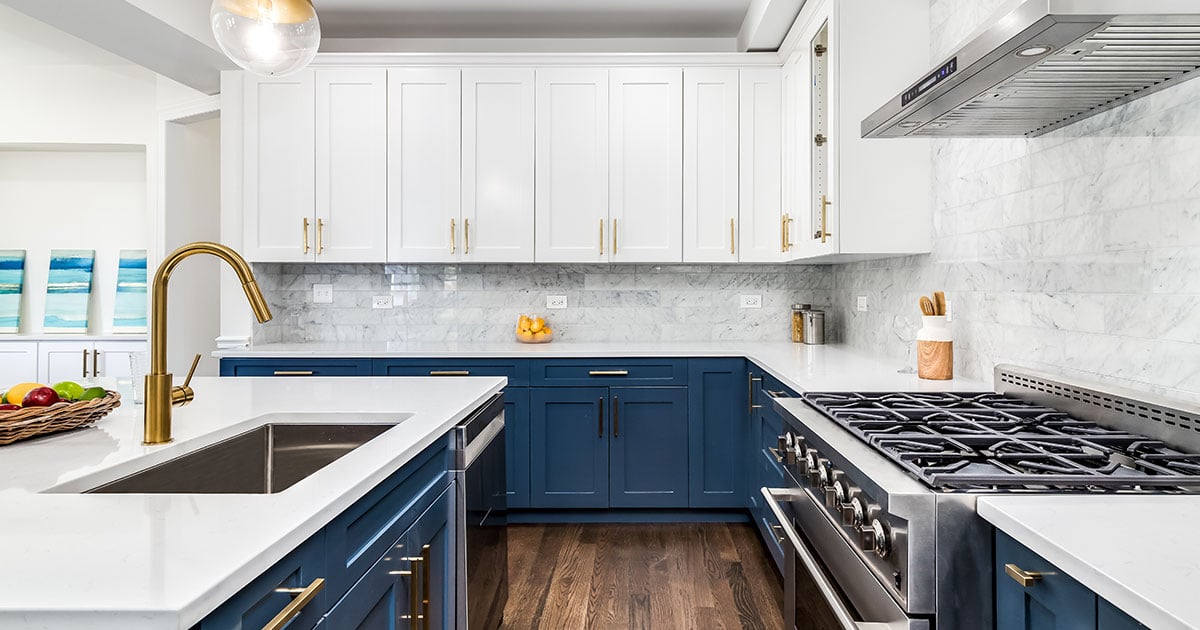
Credit: kitchencabinetkings.com
Kitchen Cabinet Color For Open Plan Homes
Open plan homes connect the kitchen with living and dining spaces. Cabinet color should work with other rooms.
- Use neutral colors like white or gray to match different spaces.
- If you want a bold color, use it for the island or a small section.
- Coordinate cabinet color with wall paint and furniture.
In open plans, consistency matters. A sudden color change can feel messy.
Kitchen Cabinet Color For Rental Properties
If you own a rental home, choose cabinet colors that appeal to most renters.
- Stick to white, gray, or beige.
- Avoid bold colors and patterns.
- Choose durable finishes that are easy to clean.
Neutral cabinets help your property rent faster and avoid complaints.
Eco-friendly Cabinet Colors
Eco-friendly cabinets use low-VOC paints and stains. These are better for health and the environment.
- Choose natural wood with clear finishes.
- Use water-based paints in white or light colors.
- Avoid dark stains if possible—some use more chemicals.
Eco-friendly colors are often light and natural, fitting modern trends.
How To Test Cabinet Colors
Testing is important. Here is how to do it:
- Get sample doors or paint swatches.
- Place them in your kitchen.
- Check colors in morning, afternoon, and evening light.
- Compare with countertops and floors.
- Ask family members for feedback.
Take your time with this step. Rushing can lead to mistakes.
Cabinet Hardware And Color
Cabinet hardware (handles and knobs) affects how cabinet color looks.
- Silver or chrome works with white, gray, or blue.
- Brass or gold looks good with navy, green, or black.
- Black hardware is stylish with white or wood cabinets.
Hardware can make a cabinet look more modern or traditional. Choose hardware after you pick your cabinet color.
Real-life Examples
Here are some real kitchen cabinet color choices that worked well:
- A small kitchen with white cabinets, light gray countertops, and light wood floors feels open and airy.
- A large kitchen with navy lower cabinets and white uppers looks trendy but still bright.
- A rustic kitchen with natural wood cabinets and sage green accents feels cozy and welcoming.
- An open plan home with soft gray cabinets matches both the kitchen and living room, making the space feel united.
These examples show that you can mix colors and styles if you plan carefully.
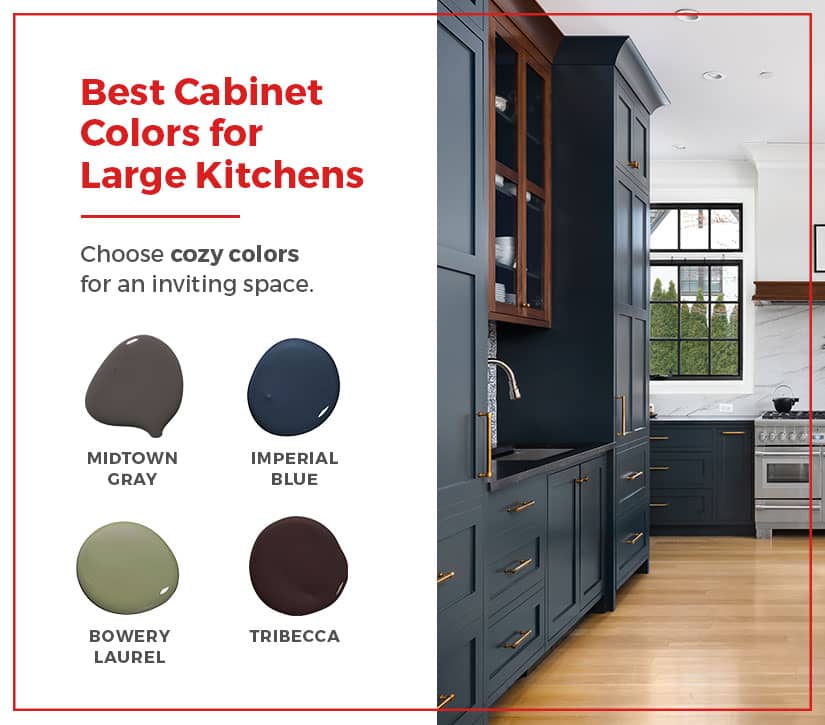
Credit: kitchencabinetkings.com
Data On Cabinet Color Trends
Recent data from the National Kitchen & Bath Association shows:
- White cabinets are chosen in 43% of kitchen remodels.
- Gray cabinets are used in 17%.
- Blue cabinets are growing, now at 9%.
- Two-tone cabinets are rising, especially in modern homes.
This data proves that white and gray are safe choices. But bold colors are gaining popularity.
Expert Tips For Choosing Cabinet Color
Here are some expert tips:
- Always use samples before deciding.
- Think about future trends and resale value.
- Coordinate with countertops and floors, not just walls.
- Use two-tone cabinets for a modern look.
- Choose durable finishes if you have kids or pets.
- Test cleaning methods before using them.
Following these tips helps you avoid common mistakes and choose a color that works for you.
Frequently Asked Questions
What Is The Most Popular Kitchen Cabinet Color?
The most popular kitchen cabinet color is white. It is timeless, bright, and works with any style. Many homeowners choose white because it is easy to match with countertops, floors, and appliances. According to recent surveys, white cabinets make up over 40% of new kitchen remodels.
How Do I Match Cabinet Color With Countertops?
To match cabinet color with countertops, start by looking at the countertop’s color and pattern. If your countertop is busy or has strong colors, choose a simple cabinet color like white or light gray. For plain countertops, you can use bold cabinet colors. Always bring home samples and compare them in your kitchen under different lighting.
Is It Okay To Use Dark Cabinet Colors In A Small Kitchen?
Dark cabinet colors can make a small kitchen feel smaller and less bright. If you want to use dark colors, try them on the lower cabinets only and keep the upper cabinets light. You can also use glossy finishes to reflect more light. For most small kitchens, light colors are best.
Should I Consider Resale Value When Choosing Cabinet Color?
Yes, resale value is important if you plan to sell your home. Neutral colors like white, gray, and beige appeal to more buyers. Bold or unusual colors can make your home stand out but may limit your market. If you want a trendy look, use bold colors for the island or lower cabinets and keep upper cabinets neutral.
How Do I Test Cabinet Colors Before Deciding?
To test cabinet colors, order or borrow sample doors or paint swatches. Place them in your kitchen and check them at different times of day. Compare the samples with your countertops, floors, and appliances. Ask family or friends for feedback.
Take your time—rushing can lead to mistakes.
Choosing your kitchen cabinet color is a big decision, but it does not have to be stressful. By thinking about your kitchen style, lighting, existing elements, and your own goals, you can find a color that fits your needs. Use samples, test under different lights, and ask for feedback.
Remember, there are no perfect colors—only the right color for your home and lifestyle.
For more in-depth design tips and examples, you can explore resources from the Houzz Magazine.
Your kitchen should reflect who you are. Whether you want something classic, trendy, bold, or simple, the right cabinet color will make your kitchen feel like home. Take your time, follow the steps, and enjoy the process.